
Buying an electric bike used to be simple. Now you see Class 1, Class 2, Class 3, throttle limits, 20 mph vs 28 mph, trail restrictions, and helmet rules.
It’s not just technical — it affects where you can ride, how safe it feels, and whether you regret your purchase.
This guide explains e-bike classes clearly, based on real-world riding and current 2026 regulations. No hype. Just practical clarity.
TL;DR — Which Class Should You Choose?
Best for most riders: Class 1
Fastest legal commuter option (US): Class 3
Want throttle without pedaling? Class 2
Most flexible for trails & paths: Class 1
Avoid Class 3 if you ride shared bike paths daily
Table of Contents
- What Is an E-Bike Class?
- Class 1 Explained
- Class 2 Explained
- Class 3 Explained
- Side-by-Side Comparison
- US vs EU Regulations
- Trail & Bike Path Access
- Common Buying Mistakes
- Which Class Should You Buy?
- FAQ
- Final Expert Verdict
What Is an E-Bike Class?
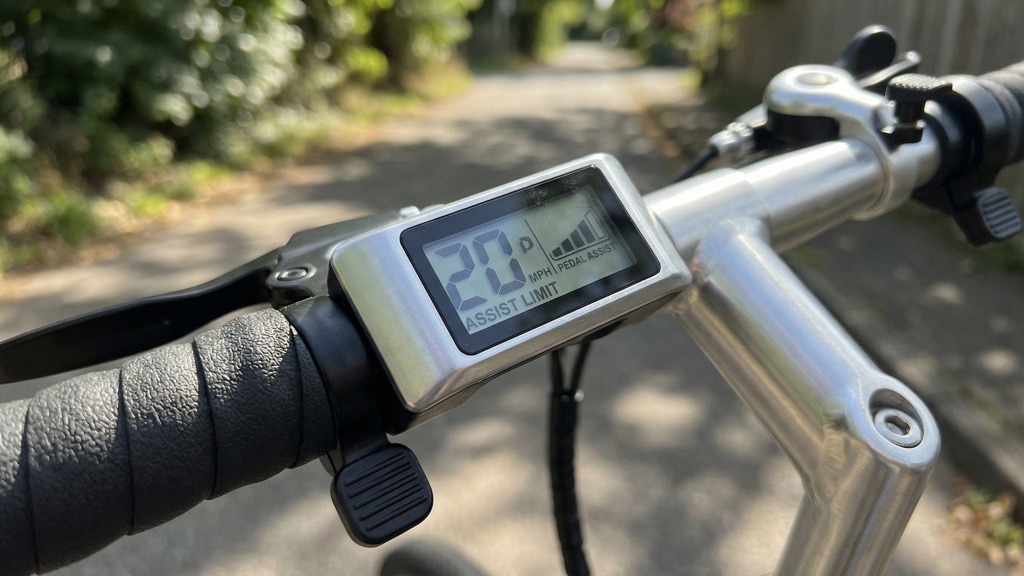
An e-bike class defines:
- Maximum assisted speed
- Whether a throttle is allowed
- Where the bike can legally be ridden
In the United States, most states use a standardized 3-class system.
In Europe, regulations follow the EN15194 pedelec standard.
The class does not define build quality.
It defines how the motor assists you and when assistance stops.
Class 1 E-Bikes (Most Universal Choice)
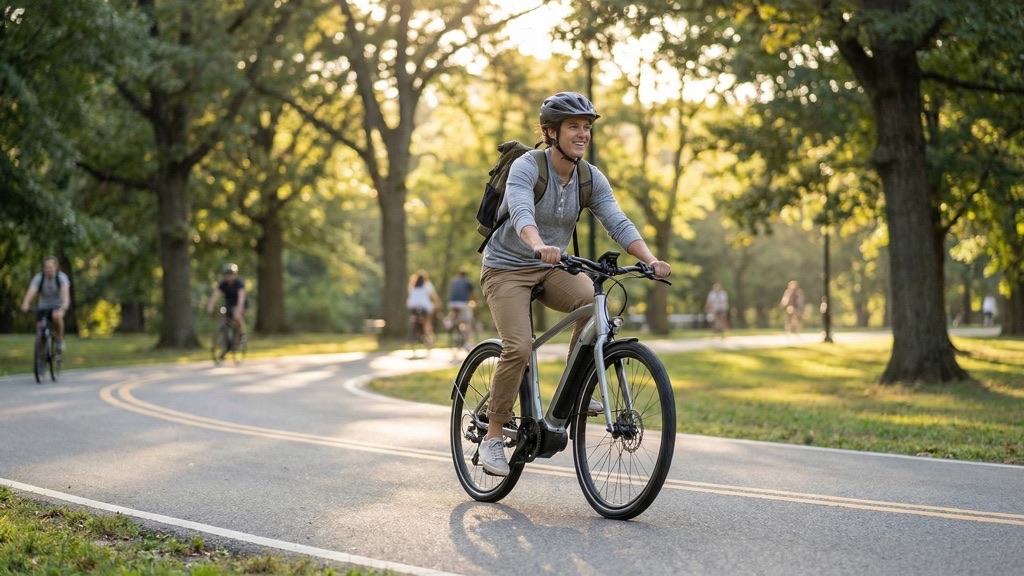
Definition
- Pedal assist only
- No throttle
- Assistance up to 20 mph (32 km/h)
Why It’s the Safest Choice
Class 1 e-bikes are allowed on:
- Most bike paths
- Many city trails
- A large number of natural surface trails
They feel like a normal bicycle — just stronger and smoother.
Who Should Buy Class 1
- Daily commuters
- Trail riders
- Fitness riders
- First-time e-bike buyers
- Anyone who wants maximum access flexibility
Real-World Insight
After long-term use, most riders value access freedom more than extra speed. Class 1 keeps your options open.
 Reviews
Tesla Cybertruck Problems: Advantages, Risks and What Buyers Must Know in 2026
TL;DR Tesla Cybertruck problems in 2026 are largely early-production quality issues, repair cost complexity, and first-generation software calibration — not...
 Reviews
Electric vs Gas Motorcycle: Real Ownership Comparison (2026)
TL;DR (For Busy Riders) Electric wins for daily commuting, low running costs,smooth city ridingiding. Gas wins for long-distance freedom, instant...
 Reviews
Best EVs for Cold Weather (2026): Real Winter Range at −20°C, Charging Speed & Expert Verdict
If you’ve never owned an EV in −15°C (5°F), here’s the uncomfortable truth: Your 330-mile EV becomes a 220–250-mile car....
Class 2 E-Bikes (Throttle Included)
What Makes It Different
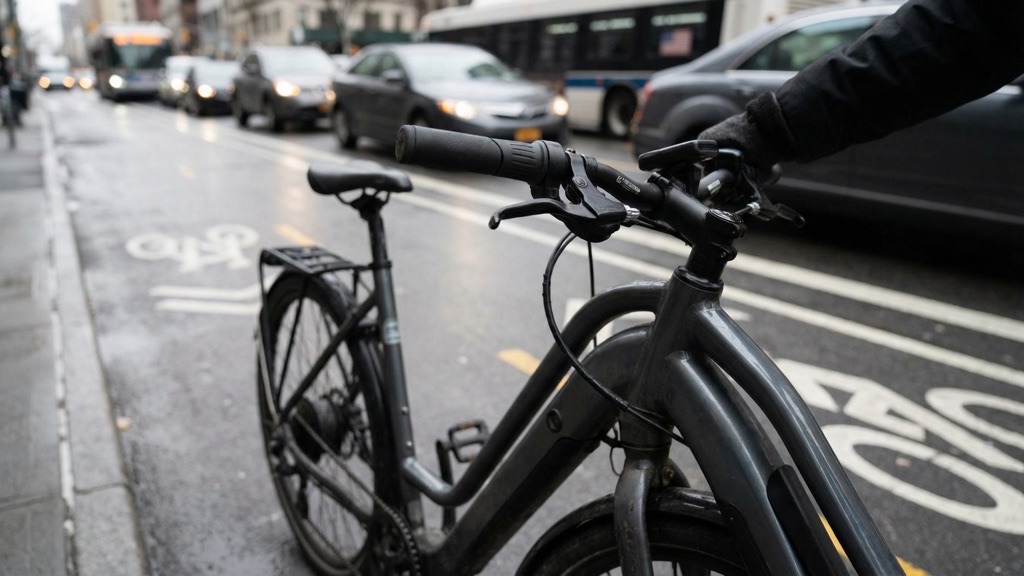
You can move without pedaling using the throttle.
Most Class 2 bikes use hub motors, though some mid-drives now support limited throttle systems.
Who It’s Good For
- Riders with knee issues
- Urban stop-and-go traffic
- Delivery riders
- People transitioning from scooters
Downsides to Understand
- Some trails restrict throttle bikes
- The battery drains faster when using the throttle heavily
- Often heavier builds
Real-World Insight
Many Class 2 owners use the throttle frequently at first.
After a few months, most switch to pedal assist for better range and smoother riding.
Class 3 E-Bikes (Speed Pedelecs)
[caption id="attachment_25348" align="aligncenter" width="1024"]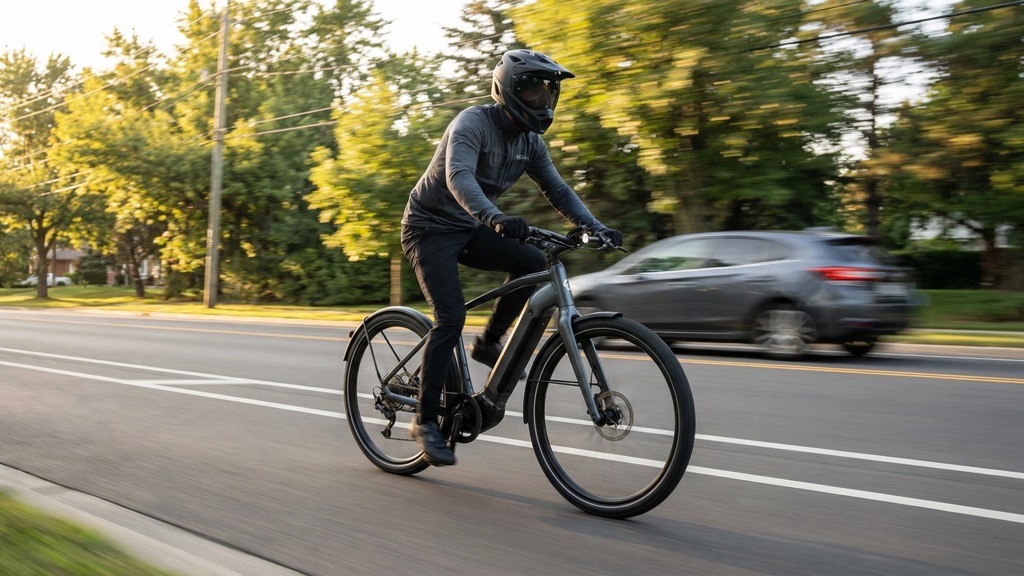 Class 3 Speed Pedelec on Suburban Road
Definition
- Pedal assist
- Assistance up to 28 mph (45 km/h)
- Usually no throttle (some limited to 20 mph)
What Changes at 28 mph?
Speed changes everything:
- Braking becomes critical
- Wind resistance increases dramatically
- Tire quality matters more
- Frame stiffness matters
Class 3 bikes are built more like lightweight mopeds than traditional bicycles.
Who Should Buy Class 3
- 10–20 mile commuters
- Suburban road riders
- Car-replacement riders
Who Should Avoid
- Riders who rely on bike paths daily
- Casual weekend riders
- Beginners
Side-by-Side Comparison
| Feature | Class 1 | Class 2 | Class 3 |
|---|---|---|---|
| Max Assist Speed | 20 mph | 20 mph | 28 mph |
| Throttle | ❌ No | ✅ Yes | Usually No |
| Trail Access | Widely allowed | Case-by-case | Often restricted |
| Best Use | Commuting & trails | Urban riding | Fast commuting |
| Battery Demand | Moderate | Higher | Higher |
| Safety Requirements | Standard | Standard | Often helmet laws |
US vs EU Regulations (2026)
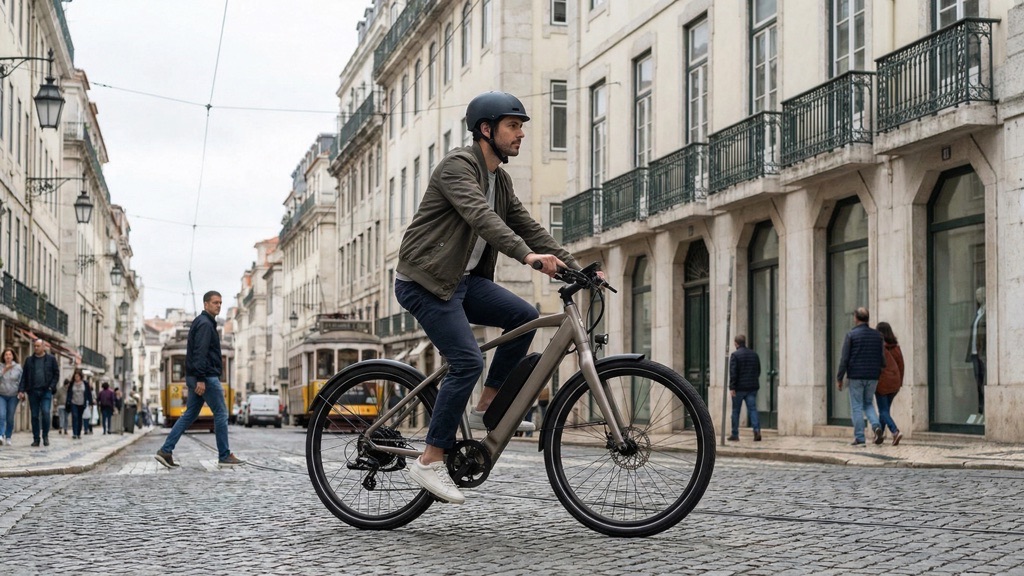
United States (3-Class System)
- Class 1 → 20 mph, no throttle
- Class 2 → 20 mph, throttle allowed
- Class 3 → 28 mph pedal assist
Power limits vary by state (often 750W max).
European Union (EN15194)
| Type | Max Speed | Max Power | Throttle |
|---|---|---|---|
| Pedelec | 25 km/h | 250W | No |
| Speed Pedelec | 45 km/h | Varies | Usually No |
Speed pedelecs in Europe often require:
- Registration
- Insurance
- Helmet compliance
Always verify local regulations. This is not legal advice.
Trail & Bike Path Access (Practical Reality)
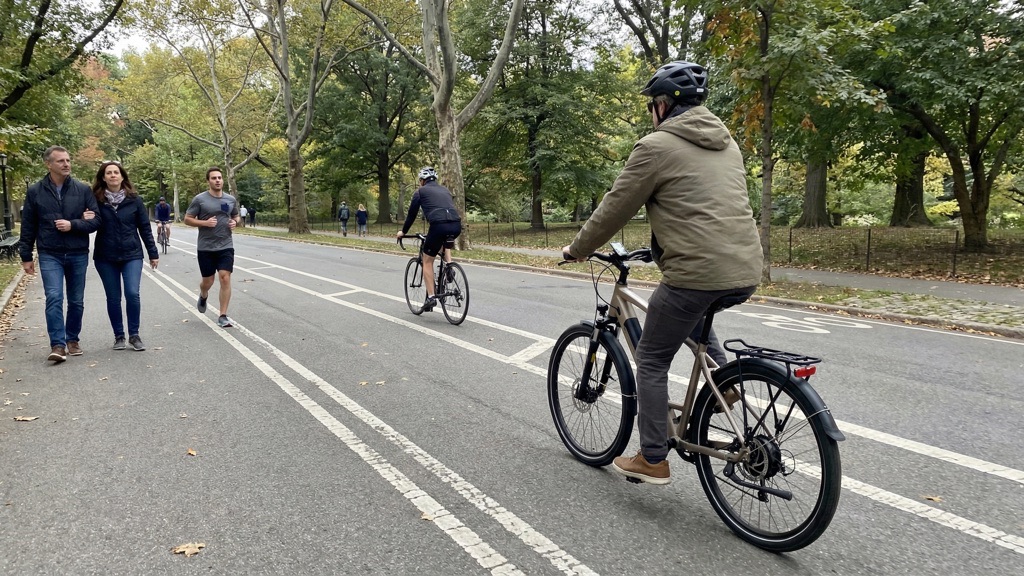
General rule in the US:
- Class 1 → Usually allowed
- Class 2 → Sometimes restricted
- Class 3 → Often restricted from shared paths
Local land managers decide access — not just state law.
If trail access matters, choose Class 1.
Common Buying Mistakes
- Buying Class 3 for short city bike path commuting
- Choosing Class 2 only “for throttle” but rarely using it
- Ignoring brake quality at higher speeds
- Assuming watts equal speed
- Not checking local trail restrictions
Class choice should match where you ride, not just the top speed number.
Which Class Should You Buy?
Choose Class 1 If:
- You want maximum legal flexibility
- You ride mixed-use paths
- You value a natural bike feel
Choose Class 2 If:
- You want throttle support
- You ride mainly on city streets
- You have physical limitations
Choose Class 3 If:
- Your commute is long
- You ride mostly on roads
- You want car replacement performance
For most riders in 2026, Class 1 remains the smartest long-term choice.
Final Expert Verdict
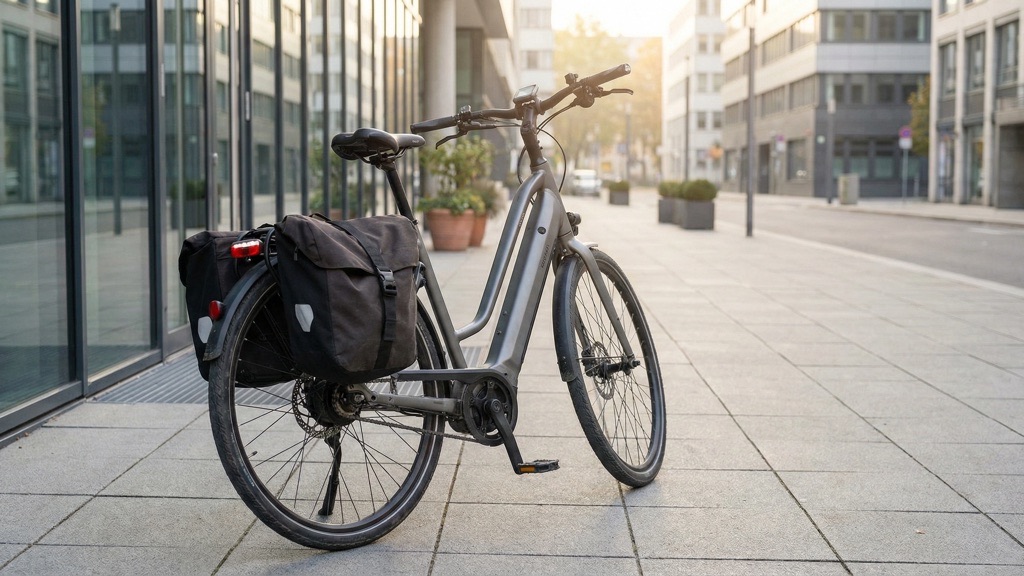
E-bike classes are about the legal framework and riding environment, not prestige.
- Want maximum freedom? → Class 1
- Want throttle convenience? → Class 2
- Want speed for long road commutes? → Class 3
Choose based on where you ride 80% of the time, not occasional needs.
That’s the difference between a smart purchase and an expensive compromise.
FAQ
What is the difference between Class 1 and Class 2 e-bikes?
Class 1 is pedal assist only. Class 2 adds a throttle but keeps the same 20 mph assist limit.
Is Class 3 faster than Class 1?
Yes. Class 3 assists up to 28 mph. Class 1 stops assisting at 20 mph.
Can Class 2 e-bikes go on trails?
Sometimes. Access depends on local trail regulations.
Do you need a license for Class 3?
In most US states, no license is required, but helmet laws may apply.
Which e-bike class is best for commuting?
Class 1 for bike paths. Class 3 for road-based long commutes.