Ranked by Real-World Data and Proven Technical Characteristics
TL;DR
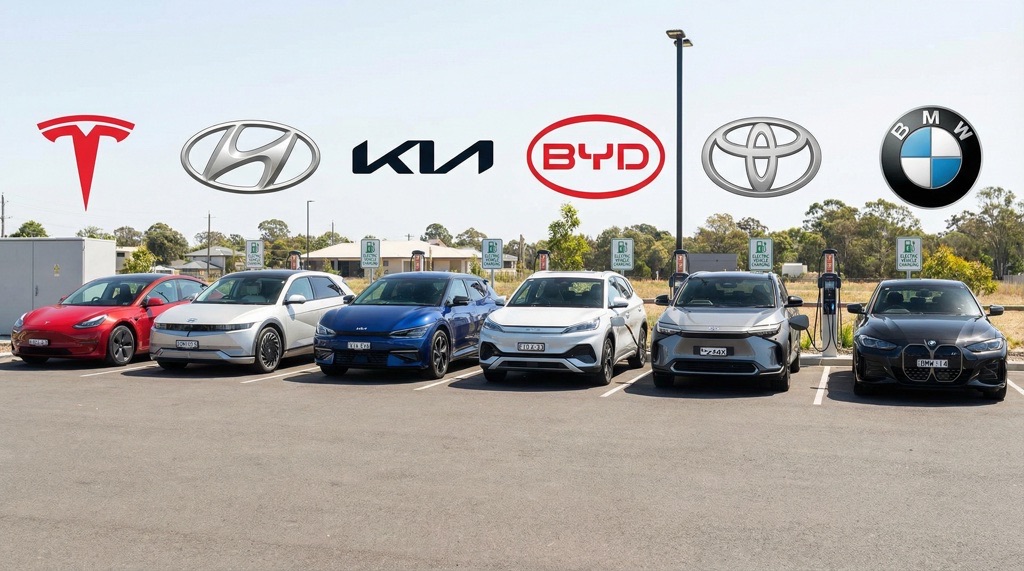
✅ Most reliable EV brands in 2026
- Tesla — the most mature EV platform with excellent thermal stability
- Hyundai / Kia — well-balanced engineering with low failure rates
- BYD — industry benchmark for long-lasting LFP batteries
⚠️ Less consistent reliability
- Volkswagen, Mercedes-Benz, Ford — software and electronics issues
🏆 Best for long-term ownership (8–12 years):
Tesla, Hyundai, Kia, BYD, Toyota
What “Reliability” Means for EVs in 2026
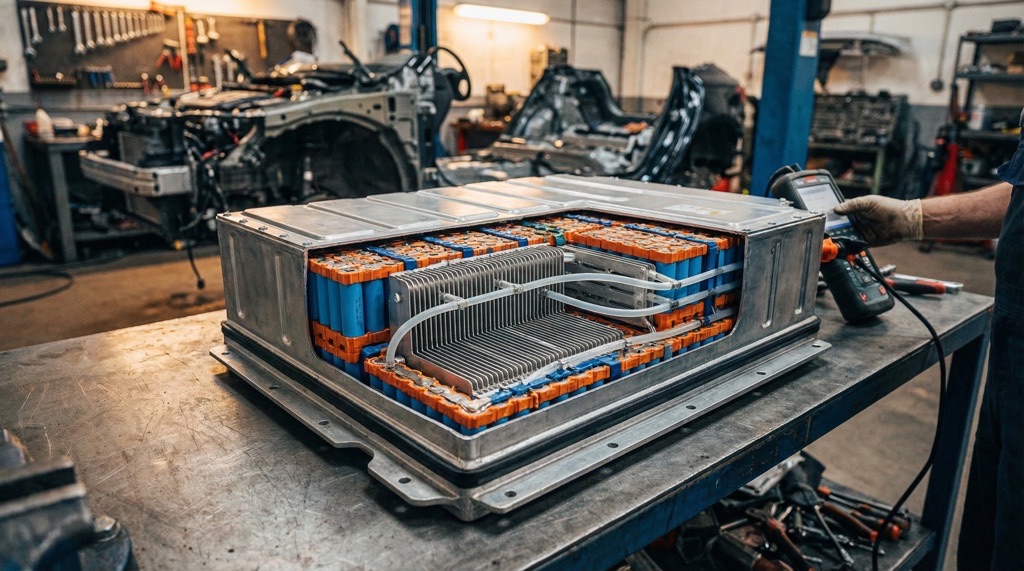
In modern electric vehicles, reliability is no longer about engines or gearboxes. It is defined by:
- Battery chemistry and degradation rate
- Thermal management quality
- Power electronics architecture
- Charging curve stability
- Software maturity
This ranking is based on aggregated real-world data from 2022–2025, including:
fleet statistics, long-term tests, warranty claims, and battery degradation observed at 100,000–300,000 km mileage.
🥇 Tesla — The Most Mature EV Platform
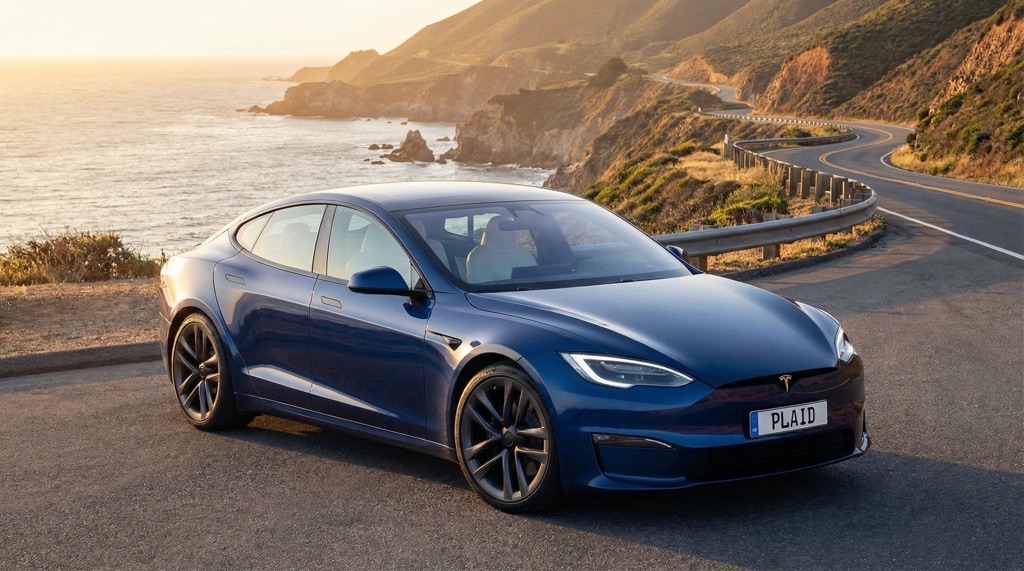
Key Technical Characteristics (Tesla EV Platform)
- Battery chemistry:
- NMC (Panasonic / LG)
- LFP (CATL, Standard Range models)
- Nominal system voltage: ~350–400 V
- Thermal management:
- Liquid-cooled battery system
- Heat pump standard across current models
- DC fast charging: up to ~250 kW (stable real-world charging curve)
- AC charging: 11 kW (three-phase)
- Average battery degradation: ~1.5–2% per year (real-world data)
Why this matters:
Tesla uses a relatively simple, scalable architecture with aggressive but well-controlled thermal management, resulting in long-term durability at massive production scale.
 Reviews
Tesla Model 3 Review 2026: Real-World Range, Charging & Verdict
This review covers the Tesla Model 3 Model Year 2025 (Highland refresh), evaluated as a new car on sale and...
 Reviews
Best Electric Cars for City Driving (2026): Real-World Range, Urban Efficiency & Expert Buying Verdict
If you drive 12 miles to work, sit in traffic, hunt for parking, and repeat that five days a week,...
 Cars
Cars
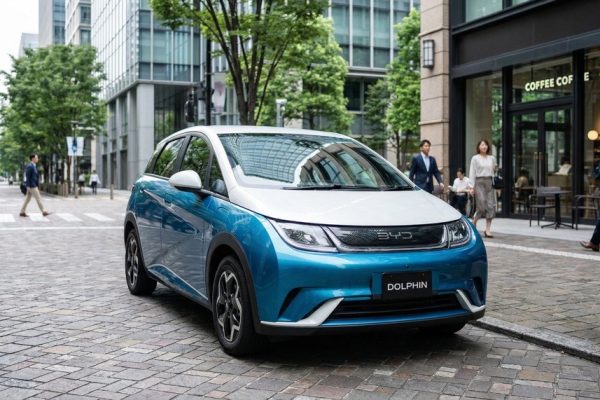
BYD Dolphin Review (2026): Real Range, Charging & Final Verdict
TL;DR ✅ Buy BYD Dolphin if you want one of the most efficient city EVs, a safe LFP battery, and...
🥈 Hyundai / Kia — Engineering Balance Done Right
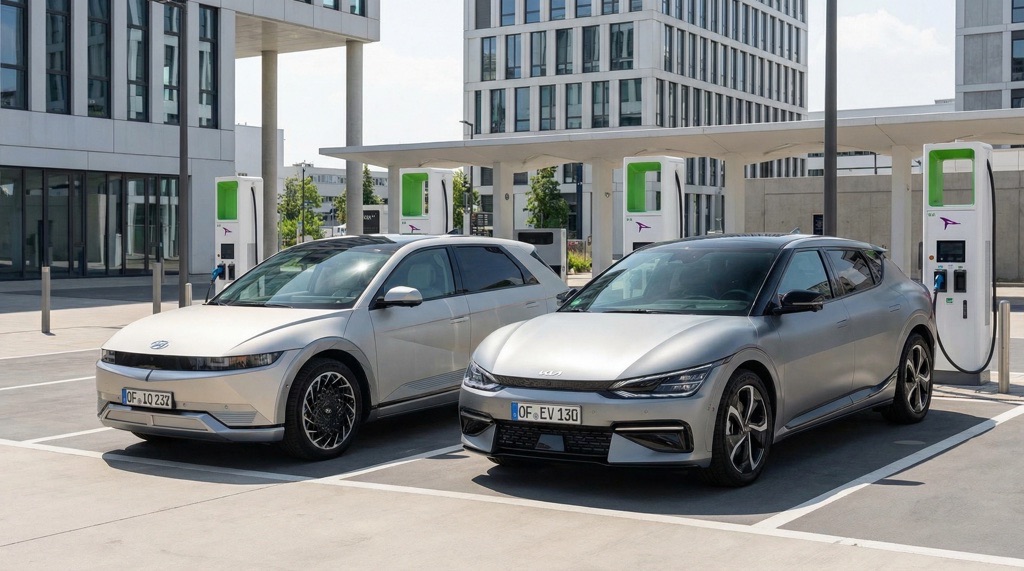
E-GMP Platform Technical Overview
- Battery chemistry: NMC (SK On / LG Energy Solution)
- Nominal system voltage: ~800 V
- Thermal management:
- Liquid-cooled battery
- Heat pump (market-dependent, widely adopted)
- DC fast charging: up to ~230–240 kW
- AC charging: 11 kW
- Average degradation: typically below 2% per year
Engineering note:
The 800 V architecture significantly reduces thermal stress during fast charging — a key factor in long-term battery reliability.
🥉 BYD — Battery Reliability Benchmark
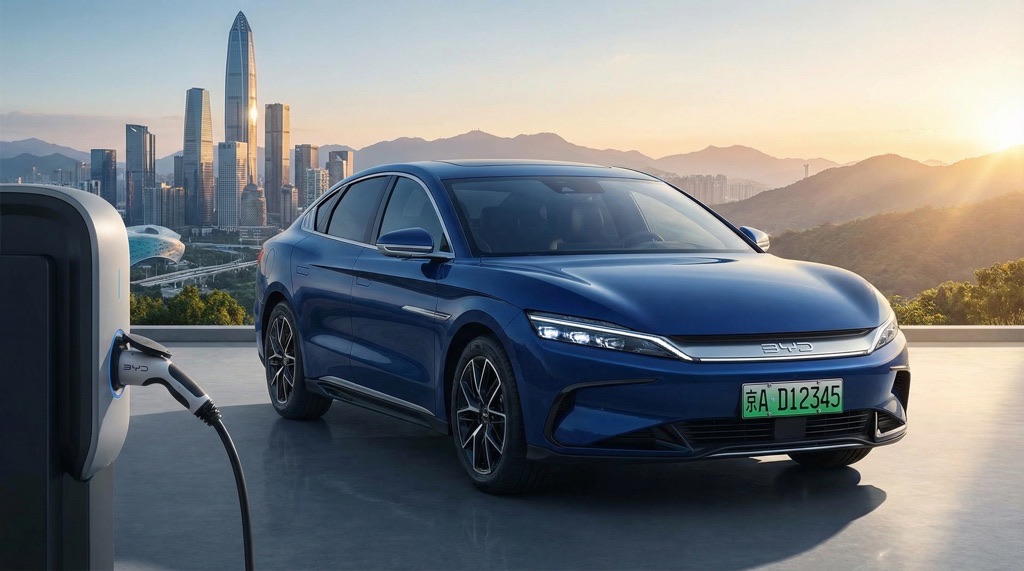
BYD Blade Battery — Technical Characteristics
- Battery chemistry: LFP (Lithium Iron Phosphate)
- Cell format: Blade-style prismatic cells
- Nominal system voltage: ~400 V
- Thermal management: Liquid-cooled
- DC fast charging: ~150–170 kW (intentionally limited)
- AC charging: 11 kW
- Observed degradation: often below 1.5% per year
Why it stands out:
LFP chemistry is inherently resistant to heat and cycle wear, making BYD’s Blade Battery one of the most durable mass-produced EV batteries on the market.
4️⃣ Toyota — Conservative but Durable
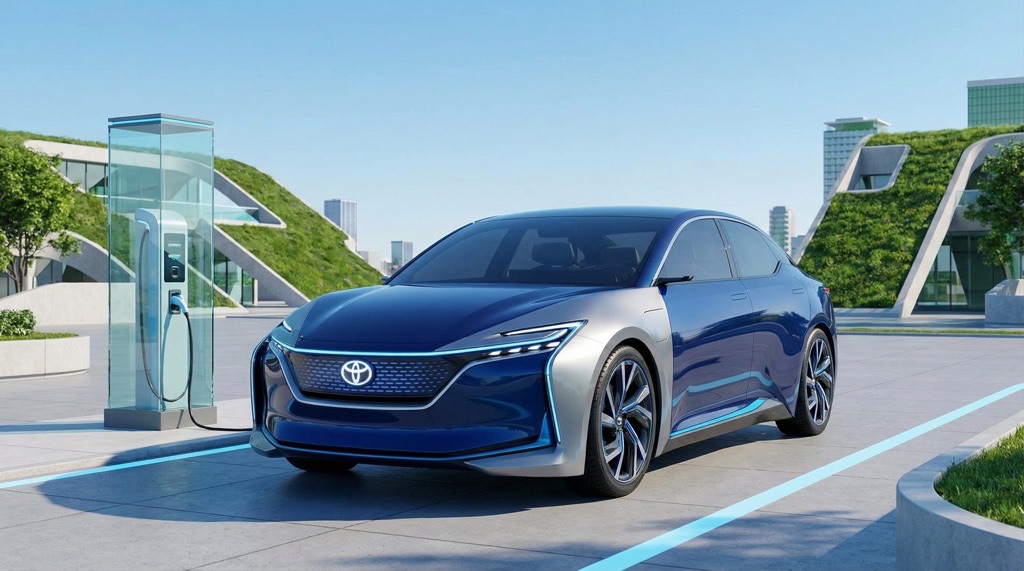
Toyota EV Technical Profile
- Battery chemistry: NMC
- Nominal system voltage: ~350–400 V
- Thermal management: Liquid-cooled
- DC fast charging: ~100–150 kW
- AC charging: 11 kW
- Strategy: Conservative charging curves to preserve battery lifespan
Engineering philosophy:
Toyota deliberately prioritizes longevity over peak charging speed.
5️⃣ BMW — Technically Robust, Structurally Complex
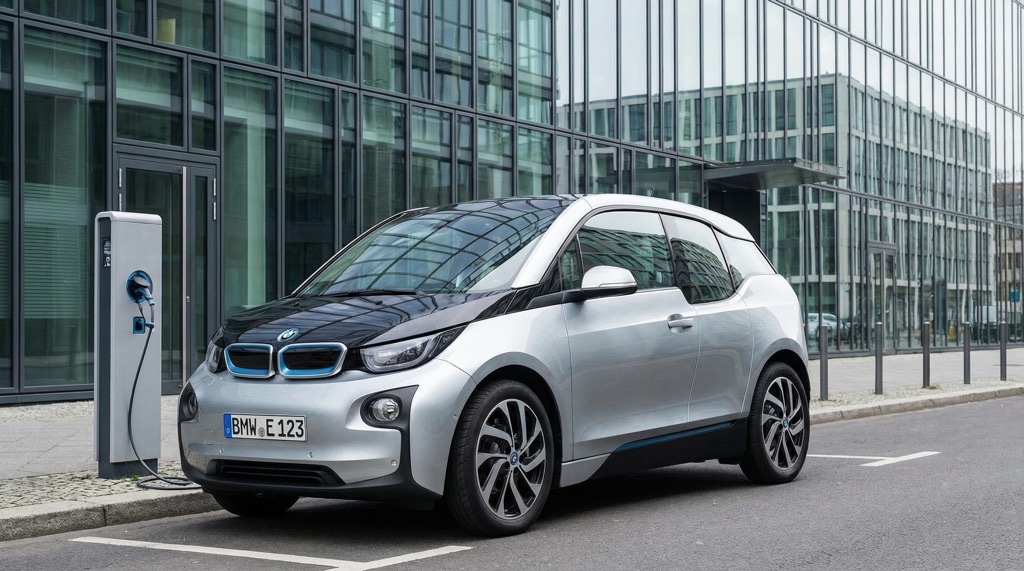
BMW EV Technical Characteristics
- Battery chemistry: NMC
- Nominal system voltage: ~400 V
- Thermal management: Liquid-cooled, multi-circuit system
- DC fast charging: ~200 kW
- AC charging: 11 kW
- Key trade-off: High system complexity and repair cost
📊 Technical Reliability Summary
| Brand | Battery Chemistry | Architecture | DC Charging | Avg. Degradation |
|---|---|---|---|---|
| Tesla | NMC / LFP | ~400 V | up to ~250 kW | ~1.5–2% |
| Hyundai / Kia | NMC | ~800 V | ~230 kW | <2% |
| BYD | LFP | ~400 V | ~150 kW | <1.5% |
| Toyota | NMC | ~400 V | ~100–150 kW | Low |
| BMW | NMC | ~400 V | ~200 kW | Low |
🧠 Final Verdict
In 2026, EV reliability is fundamentally driven by:
battery chemistry → thermal management → platform maturity
That is why Tesla, Hyundai/Kia, and BYD remain the most reliable electric vehicle brands in real-world use — not on spec sheets, but over years of ownership.
FAQ
Which EV brand is the most reliable in 2026?
Tesla and Hyundai/Kia consistently show the best real-world reliability and battery longevity.
Which EV batteries last the longest?
LFP batteries, especially BYD’s Blade Battery, show the lowest degradation rates.
Is an 800 V architecture better for reliability?
Yes. Higher voltage systems reduce heat during fast charging, improving long-term durability.
Are Teslas reliable after 5–7 years?
Generally yes. Most long-term issues relate to interior trim and minor electronics, not the battery or drivetrain.
What matters more: charging speed or charging curve?
Charging curve stability and thermal control matter far more than peak kW figures.