


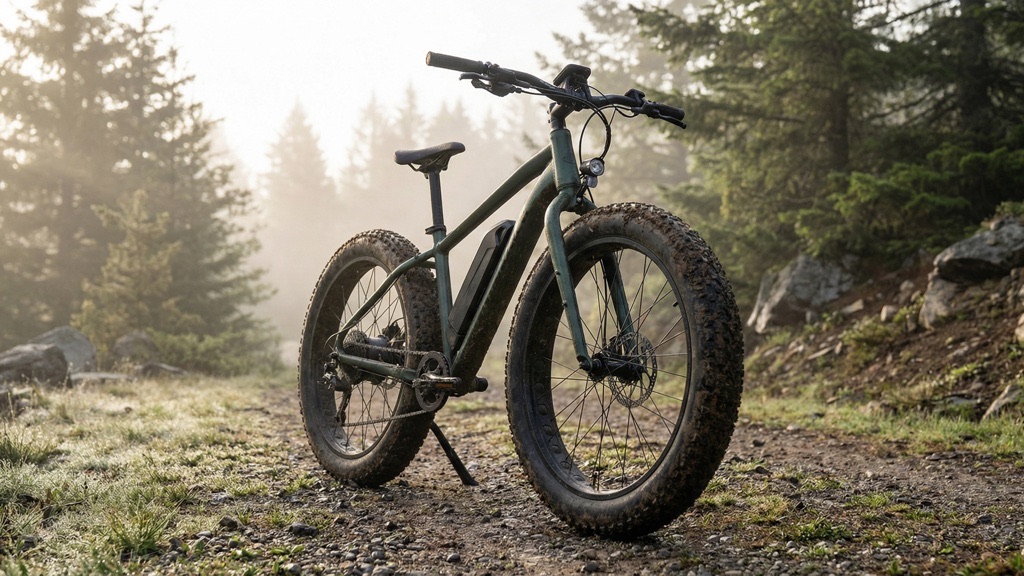
Fat tire e-bikes exploded in popularity over the last five years. In 2026, the market is crowded with 750W hub motors, 4-inch tires, and big battery claims.
Choosing one is no longer simpleple.
Some models are stable tanks built for sand and snow.
Others are refined commuters with torque sensors and hydraulic brakes.
Many look similar — but ride very differently.
This guide is based on real-world performance logic, not spec-sheet hype.
We’ll break down what actually matters, who each bike fits, and which fat tire e-bikes are the smartest choices in 2026.
TL;DR — Quick Picks
Best Overall (Most Riders): Aventon Aventure
Best for Simplicity & Stability: RadRover
Best for Long Range: Himiway Cruiser
Best Value Performance: Ride1Up Rift
Best for Snow & Sand: RadRover or Himiway Cruiser
Avoid fat tires if:
You mainly ride pavement and want lightweight efficiency.
Table of Contents
- What Is a Fat Tire E-Bike?
- Who Actually Needs One
- What Matters in 2026 (CritiReal-World Range & Energy Uset TiHub vs Torque Sensor: What Changese & Energy Use
- Hub vs Torque Sensor: What Changes
- Weight & Handling Reality
- Price Guide (2026 Market)
- Who Should / Shouldn’t Buy
- FAQ
- Final Expert Verdict
What Is a Fat Tire E-Bike?
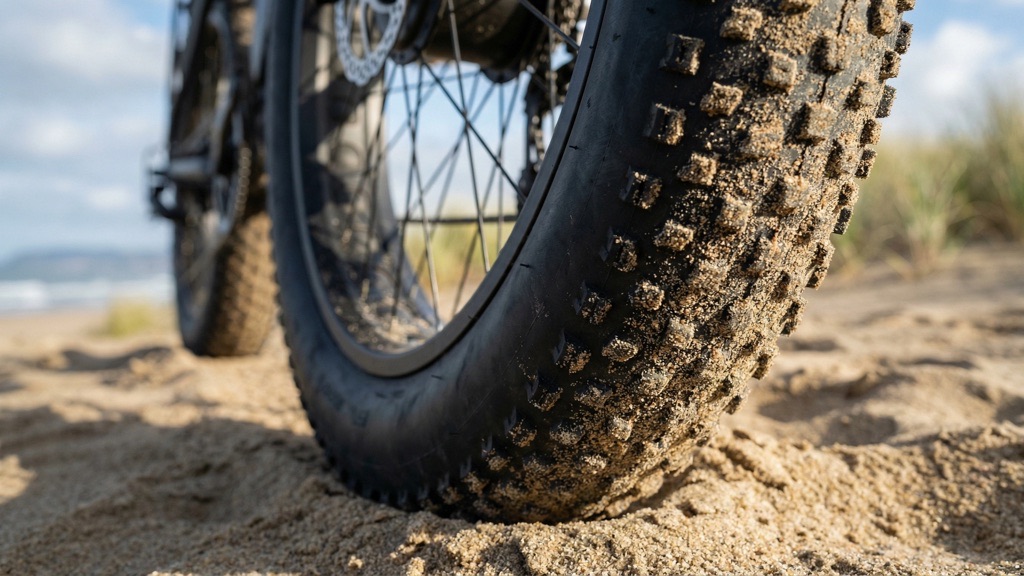
Fat tire e-bikes use 4” wide tires designed for:
- Sand
- Snow
- Loose gravel
- Unpaved trails
They provide flotation and stability.
They also:
- Increase rolling resistance
- Add weight
- Reduce efficiency on the pavement
Fat tire bikes prioritize traction over speed.
Who Actually Needs One?
You likely benefit from fat tires if:
- You ride beach paths
- You commute in winter snow
- You use mixed terrain regularly
- You want maximum stability
You probably don’t need fat tires if:
- You ride 100% pavement
- You carry your bike upstairs
- You want lightweight agility
For city-only riders, commuter e-bikes are usually the better option.
What Actually Matters in 2026
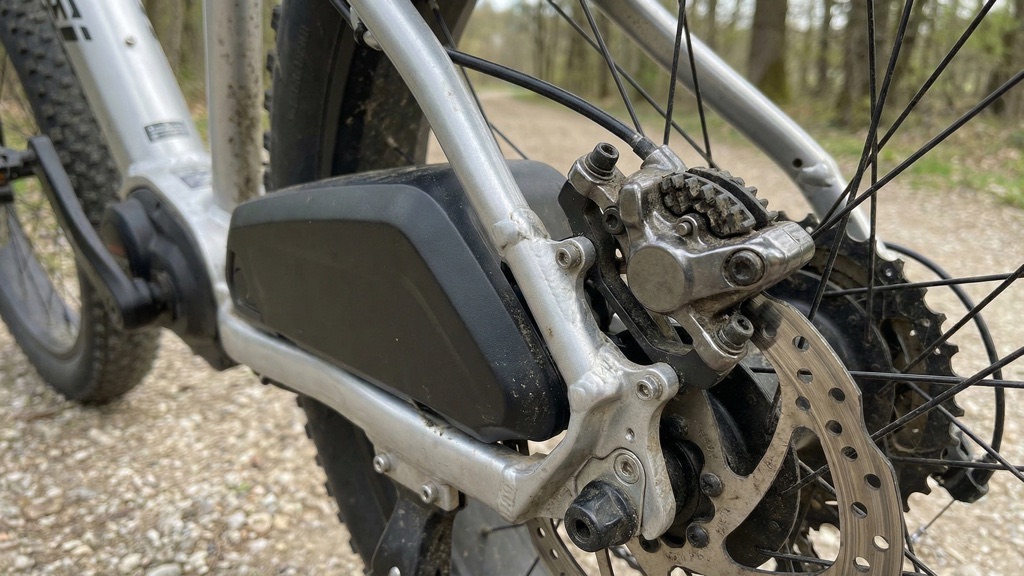
Forget just “750W motor.”
Focus on these:
1. Sensor Type
- Cadence = on/off assist
- Torque = smoother, proportional power
2. Brakes
Hydraulic brakes are now expected at mid-range pricing.
3. Battery Size
Look at watt-hoManufacturer range claims are optimisticis standard.
4. Weight
Most fat tire e-bikes weigh 70–80 lbs.
That affects transport and safety.
5. Real Efficiency
Expect 18–28 Wh per mile.
 Reviews
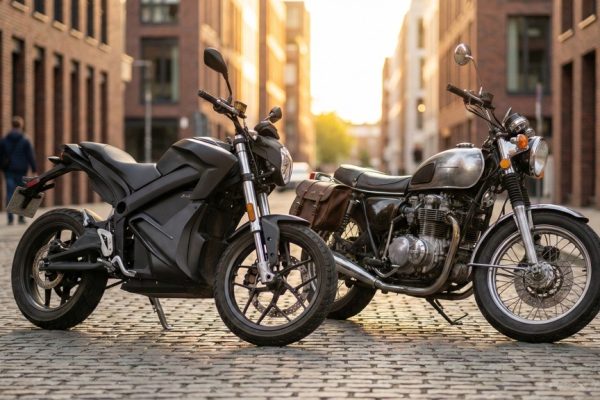
Electric vs Gas Motorcycle: Real Ownership Comparison (2026)
TL;DR (For Busy Riders) Electric wins for daily commuting, low running costs,smooth city ridingiding. Gas wins for long-distance freedom, instant...
 Reviews
Bajaj Chetak Electric: A Modern Revival of an Indian Icon
Introduction The electric vehicle revolution is in full swing, and it’s not just cars that are getting the battery-powered treatment....
 Reviews
Electric Motorcycle Maintenance Costs Explained (2026): Real Ownership, Service Reality & 5-Year Cost Breakdown
Switching to electric isn’t just about torque and silence. It’s about ownership simplicity. If you’re a rider thinking about ditching...
Manufacturer range claims are optimistic.
Top 5 Best Fat Tire E-Bikes 2026
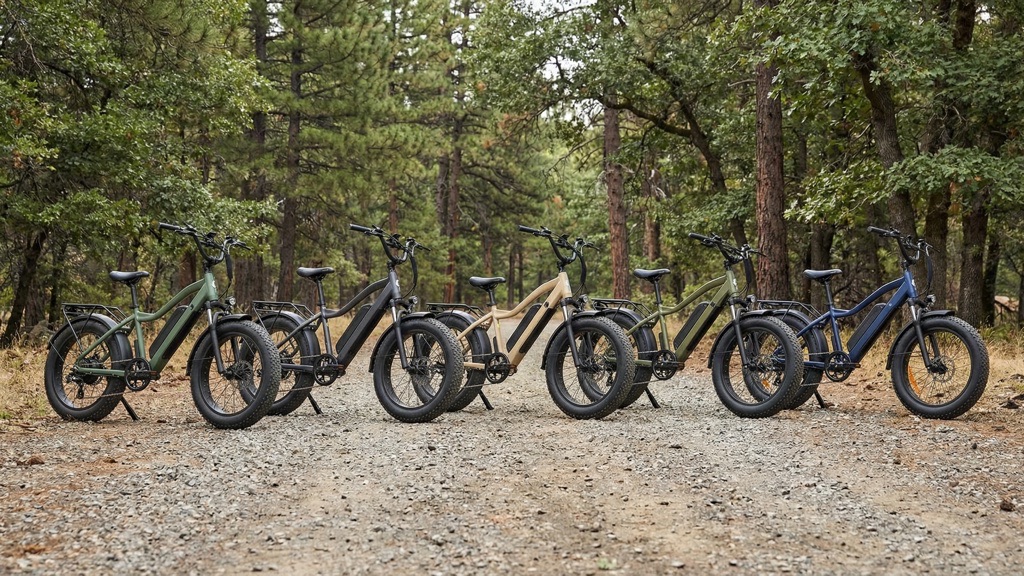
1️⃣ Aventon Aventure — Best Overall
Aventon
Why it stands out:
- Torque sensor
- Hydraulic brakes
- ~720Wh battery
- Refined ride feel
Feels smoother than most hub-based competitors.
Best for daily commuters who want fat tires but modern performance.
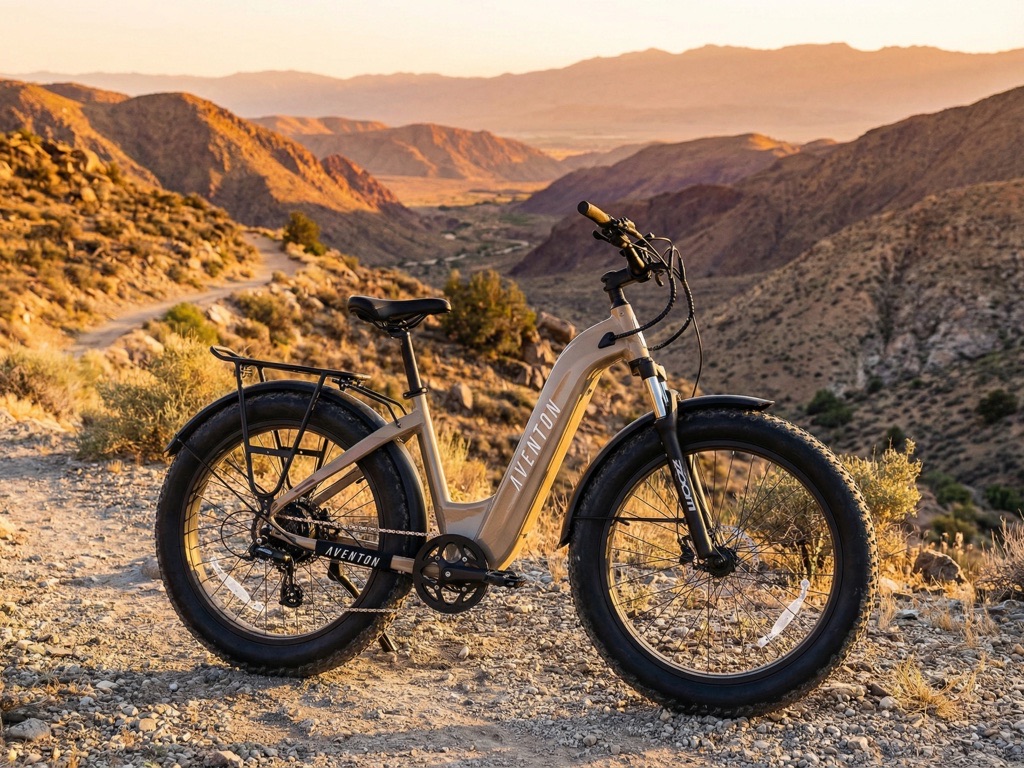
2️⃣ RadRover — Best for Simplicity & Stability
Rad Power Bikes
Why it stands out:
- Stable geometry
- Strong throttle response
- Proven design
Uses a cadence sensor and often mechanical brakes.
Feels like a stable tank. Less refined, but dependable.
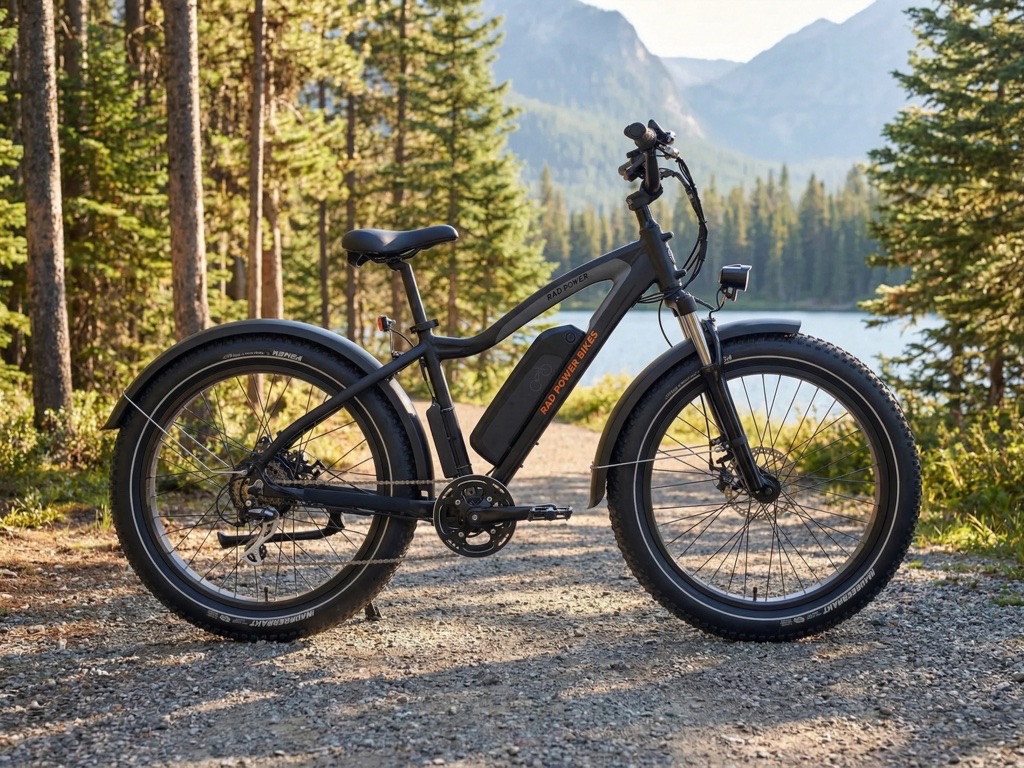
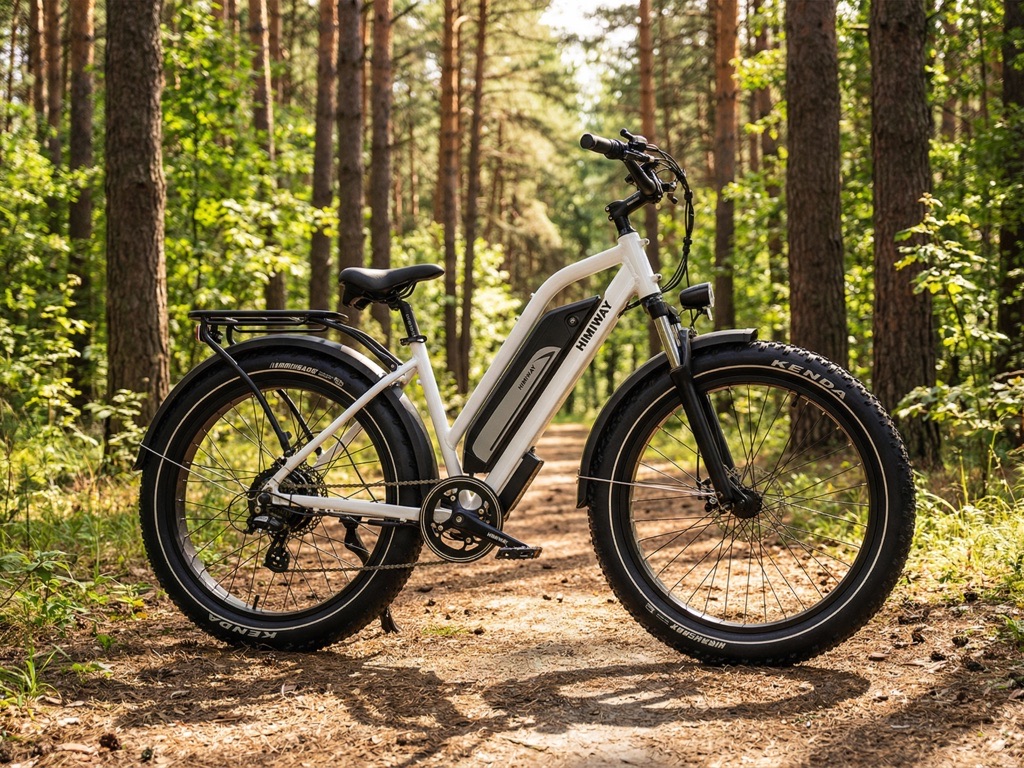
3️⃣ Himiway Cruiser — Best for Long Range
Himiway
Why it stands out:
- Large ~840Wh battery
- Strong range claims
- Comfortable ride
Heavier than average, but ideal for longer distances.
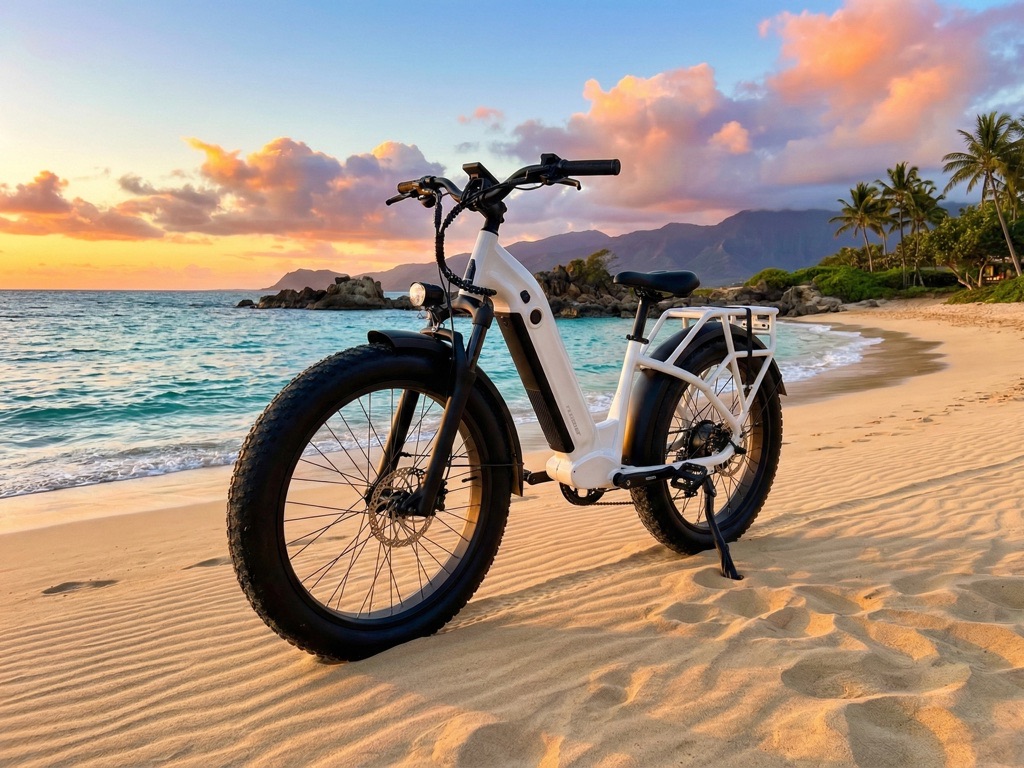
4️⃣ Ride1Up Rift — Best Value Performance
Ride1Up
Why it stands out:
- Torque sensor
- Hydraulic brakes
- Competitive pricing
Feels sportier than RadRover.
Strong value pick in mid-range category.
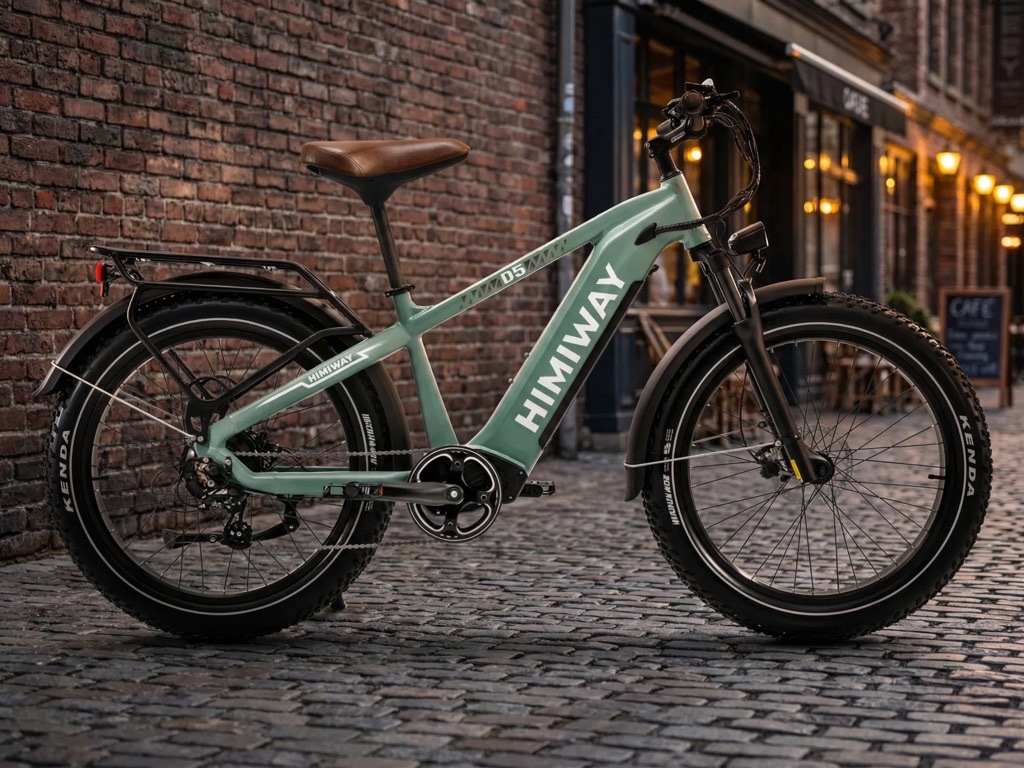
5️⃣ Himiway Zebra — Best for Comfort & Power
Himiway
Why it stands out:
- High torque
- Big battery
- Upright comfort geometry
Heavier but powerful and smooth for relaxed riders.
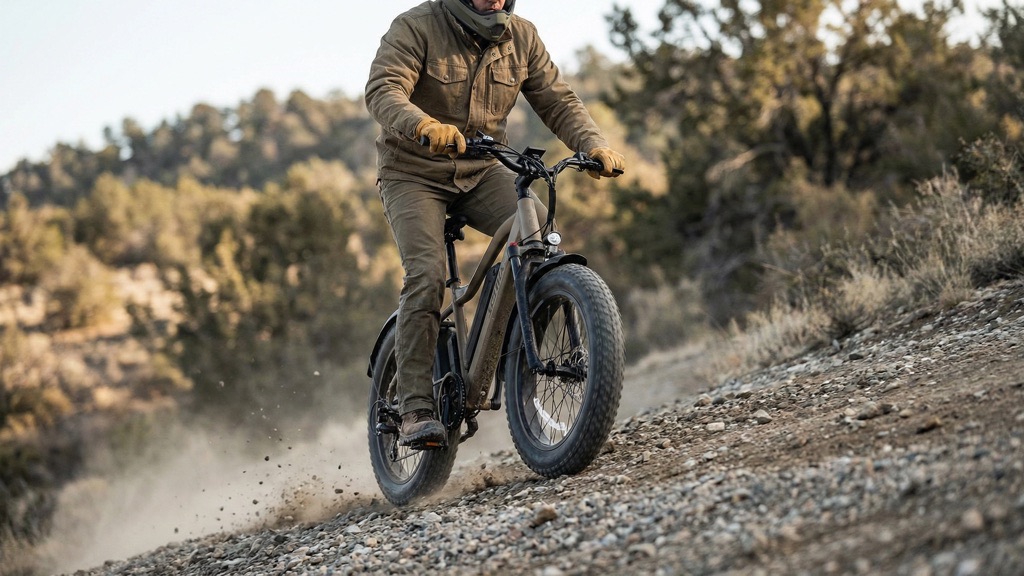
Real-World Range & Efficiency
Fat tire bikes consume more energy than commuter bikes.
Typical energy use:
- Flat pavement: 18–22 Wh/mi
- Mixed terrain: 22–25 Wh/mi
- Sand or heavy throttle: 25–30 Wh/mi
Estimated range examples:
| Battery | Expected Real Range |
|---|---|
| 600Wh | 25–35 miles |
| 720Wh | 30–45 miles |
| 840Wh | 35–50 miles |
Cold weather reduces range by 15–25%.
Hub vs Torque Sensor — What You Feel
Cadence sensor:
- Motor kicks in after pedaling
- Less natural
- Simple and durable
Torque sensor:
- Responds to pedal pressure
- Smoother acceleration
- Better hill feel
In 2026, torque sensors are becoming standard in mid-range bikes.
Weight & Handling Reality
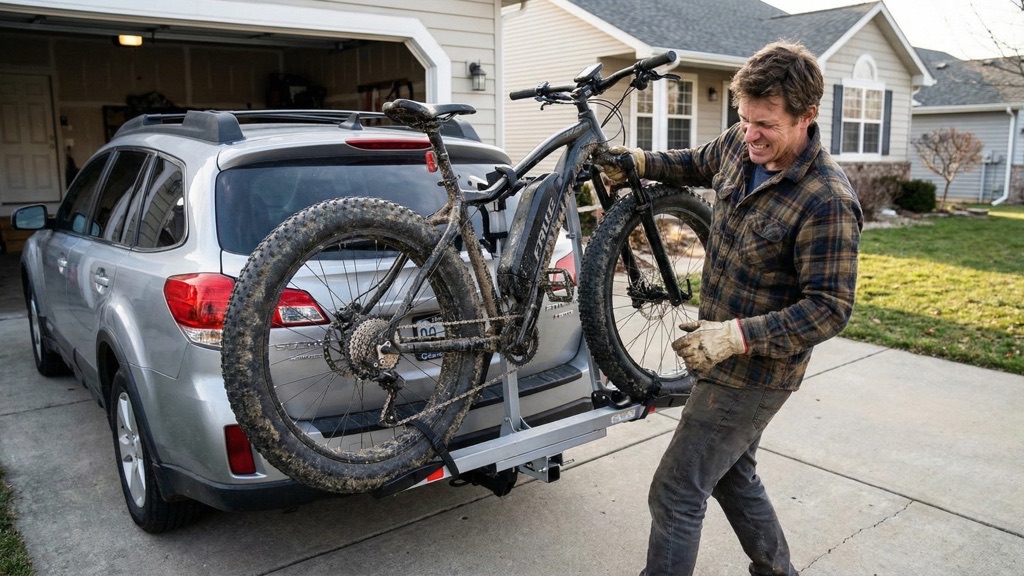
Most fat tire e-bikes:
- 70–80 lbs
- Hard to lift onto racks
- Difficult to pedal without assist
They feel extremely stable — but not agile.
If you live upstairs, reconsider.
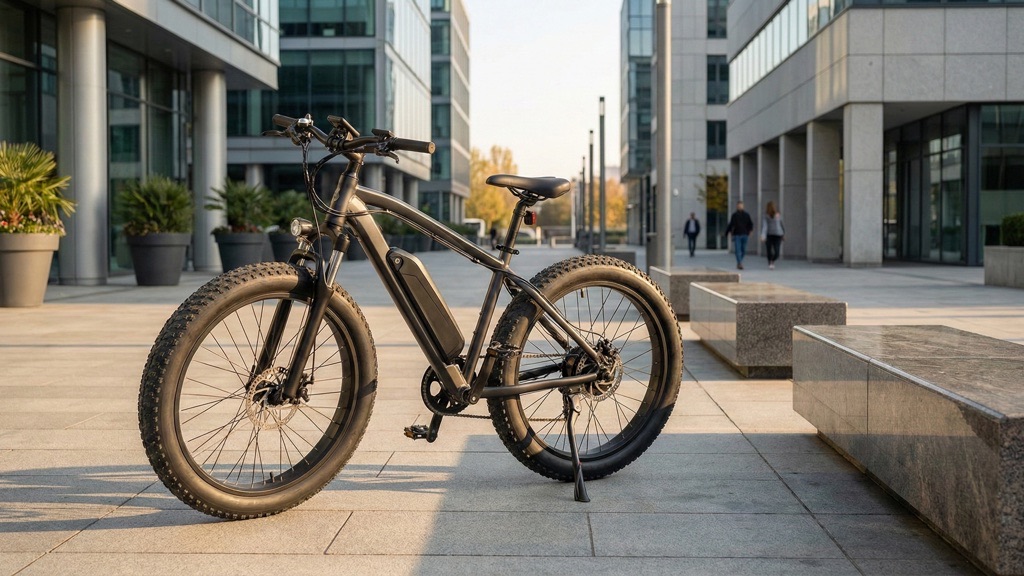
Price Guide (2026 Market)
| Price Range | What You Get |
|---|---|
| $1,200–$1,600 | Cadence sensor, mechanical brakes |
| $1,600–$2,000 | Torque sensor, hydraulic brakes |
| $2,000+ | Better integration, higher battery, refinement |
Sweet spot in 2026: $1,600–$1,900 range
Who Should Buy a Fat Tire E-Bike
- Snow commuters
- Beach riders
- Rural gravel riders
- Riders prioritizing stability
Who Should Not
- Urban apartment dwellers
- Lightweight-focused riders
- High-speed road commuters
- Riders are climbing long mountain grades daily
Final Expert Verdict
Fat tire e-bikes are not for everyone.
They are heavier.
Less efficient.
But incredibly stable.
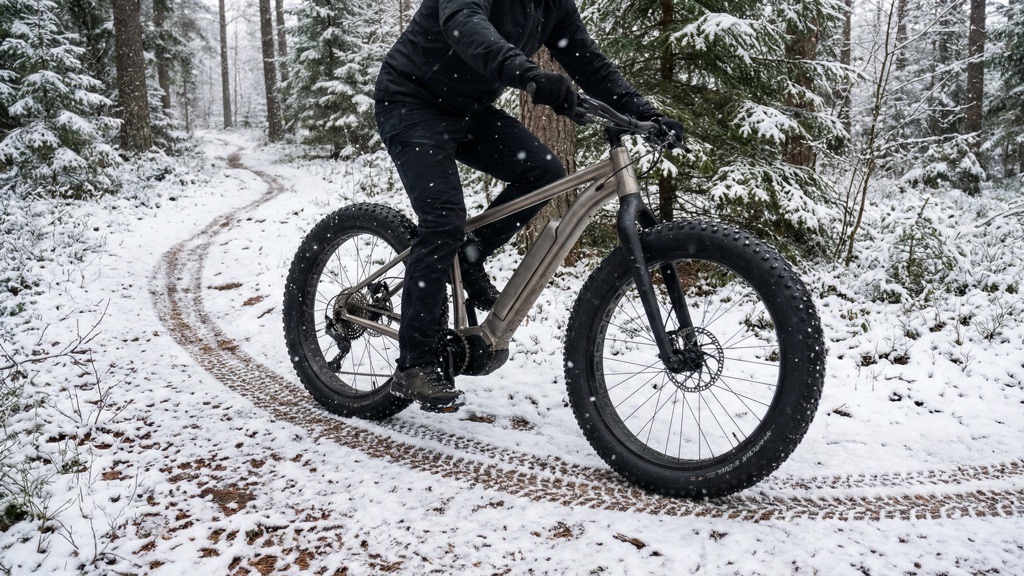
If your riding environment includes sand, snow, or loose terrain, they make sense.
If your riding is 90% pavement, a commuter e-bike is smarter.
In 2026, the best overall balance for most riders is the Aventon Aventure.
But the right choice depends on where — and how — you ride.
Choose based on terrain, not marketing wattage.
FAQ
Are fat tire e-bikes harder to pedal?
Yes. Wider tires increase rolling resistance compared to commuter bikes.
Are they good for snow?
Yes. 4-inch tires provide better traction and flotation.
How long do fat tire e-bike batteries last?
Typically 3–5 years, depending on usage and charging habits.
Are fat tire bikes slower?
They are not necessarily slower, but they feel less efficient on pavement.
Are they worth it in 2026?
Yes, if you ride mixed terrain. No if you ride pavement only.
A really good blog and me back again.