
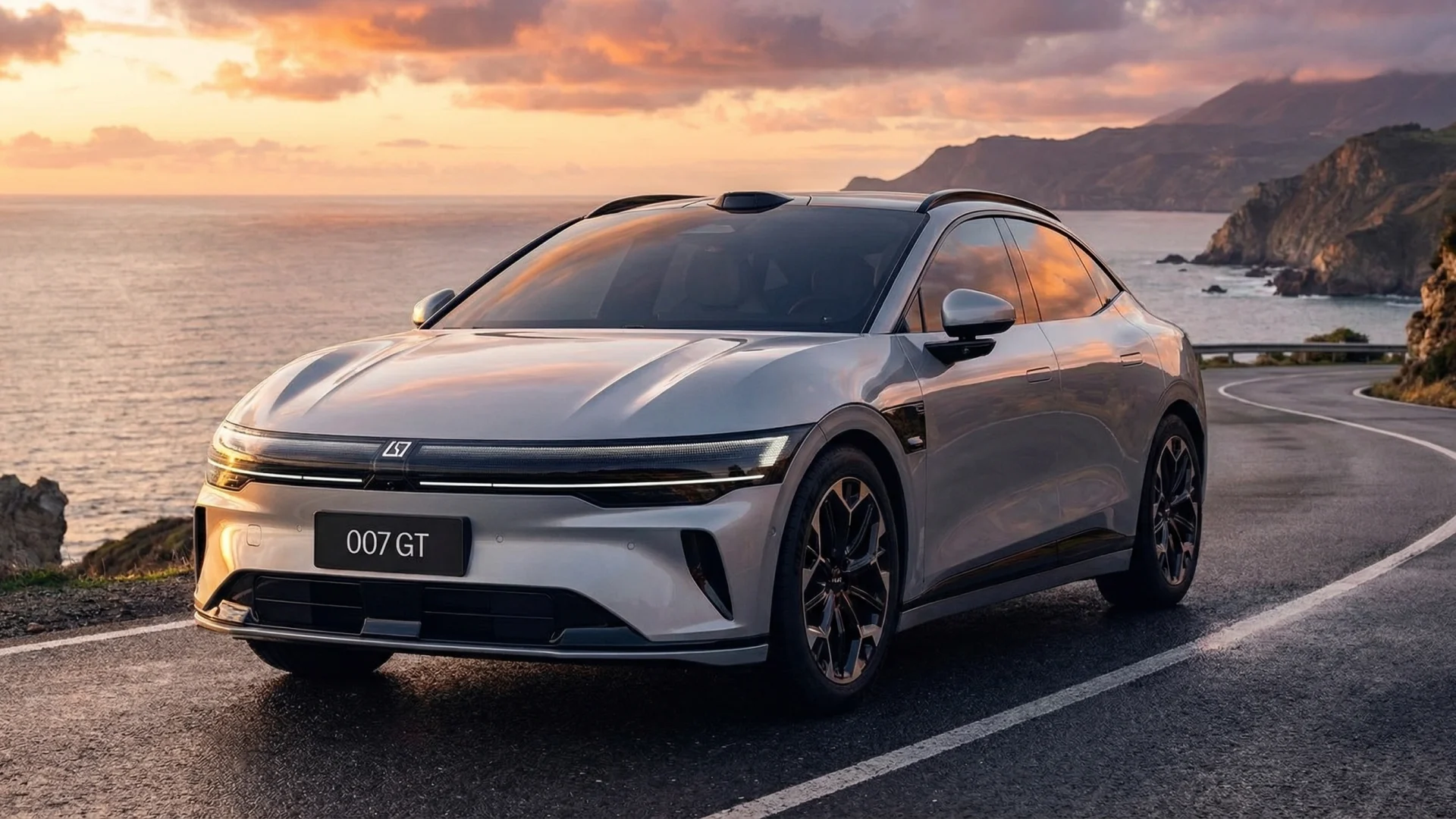
The refreshed Zeekr 007 GT, set for Q2 2026 launch, will increase prices by 5,000 to 8,000 yuan ($700-$1,200) amid surging costs for AI-driven memory chips and lithium batteries. This adjustment reflects broader industry pressures from the AI boom competing for semiconductors, potentially signaling the end of aggressive EV price wars in China. Buyers eyeing high-performance EVs like this 784 hp model should consider acting soon, as similar hikes hit competitors like Chery’s Exeed ET5.
Zeekr, Geely’s premium EV brand launched in 2021, has rapidly climbed to prominence with models emphasizing performance and advanced tech. The original Zeekr 007 GT debuted in April 2025 with prices starting at 202,900 yuan ($27,200-$29,200), offering rear-wheel-drive and all-wheel-drive options with CLTC ranges up to 825 km. The 007 sedan, priced from 209,900 to 299,900 yuan, complements it as a luxury sedan with up to 870 km range.
Zeekr announced the 2026 updates in January, including Nvidia Drive Thor-U chips and a shift from 800V to 900V architecture for faster charging and efficiency. These enhancements boost power to 370 kW (496 hp) in RWD and 585 kW (784 hp) in AWD—a 148 hp gain over prior models. However, an insider confirmed to Mydrivers that rising component costs will drive the price up, though customer service notes final pricing remains unconfirmed.
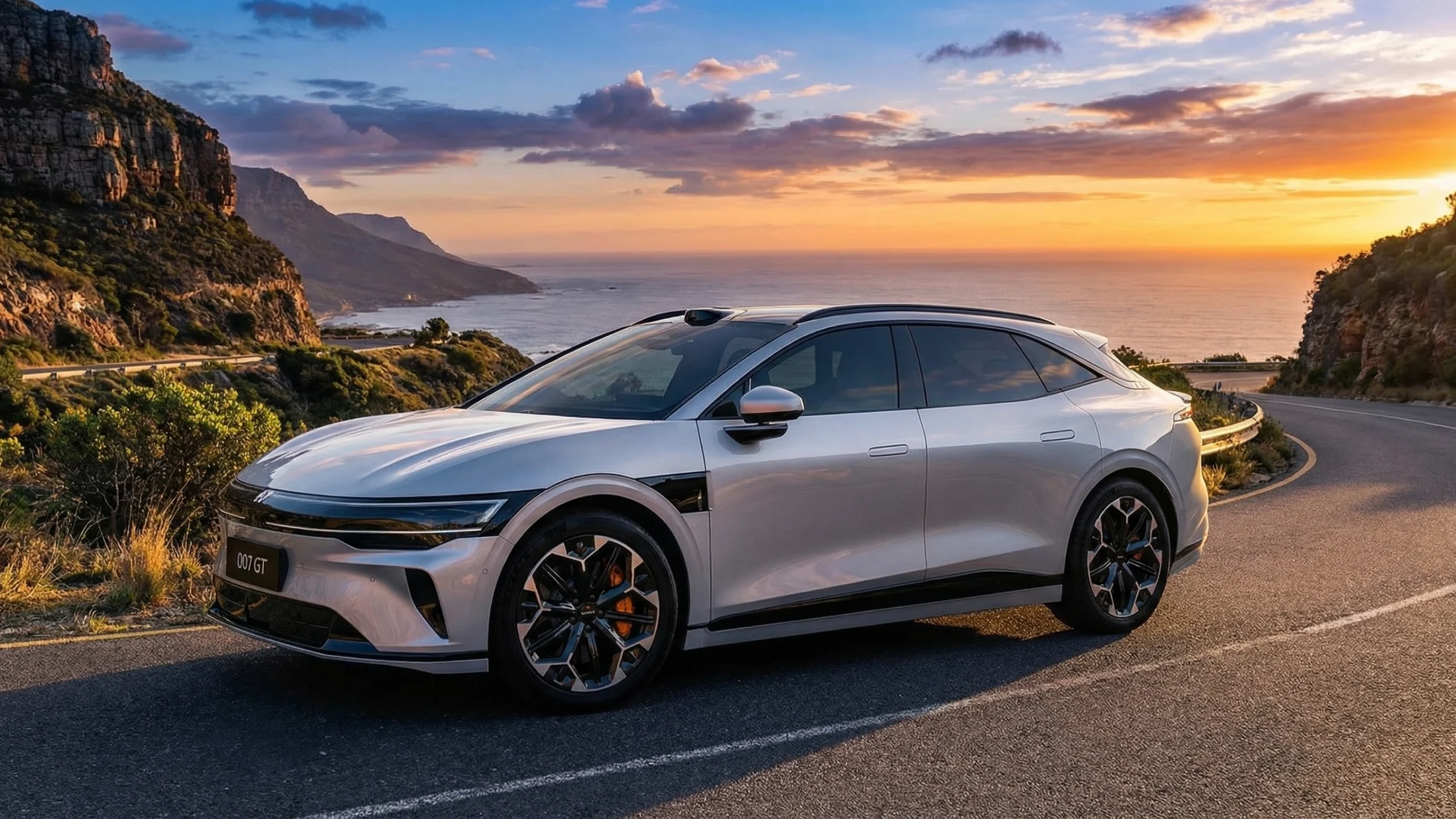
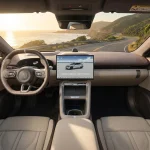
[caption id="attachment_27124" align="aligncenter" width="2560"]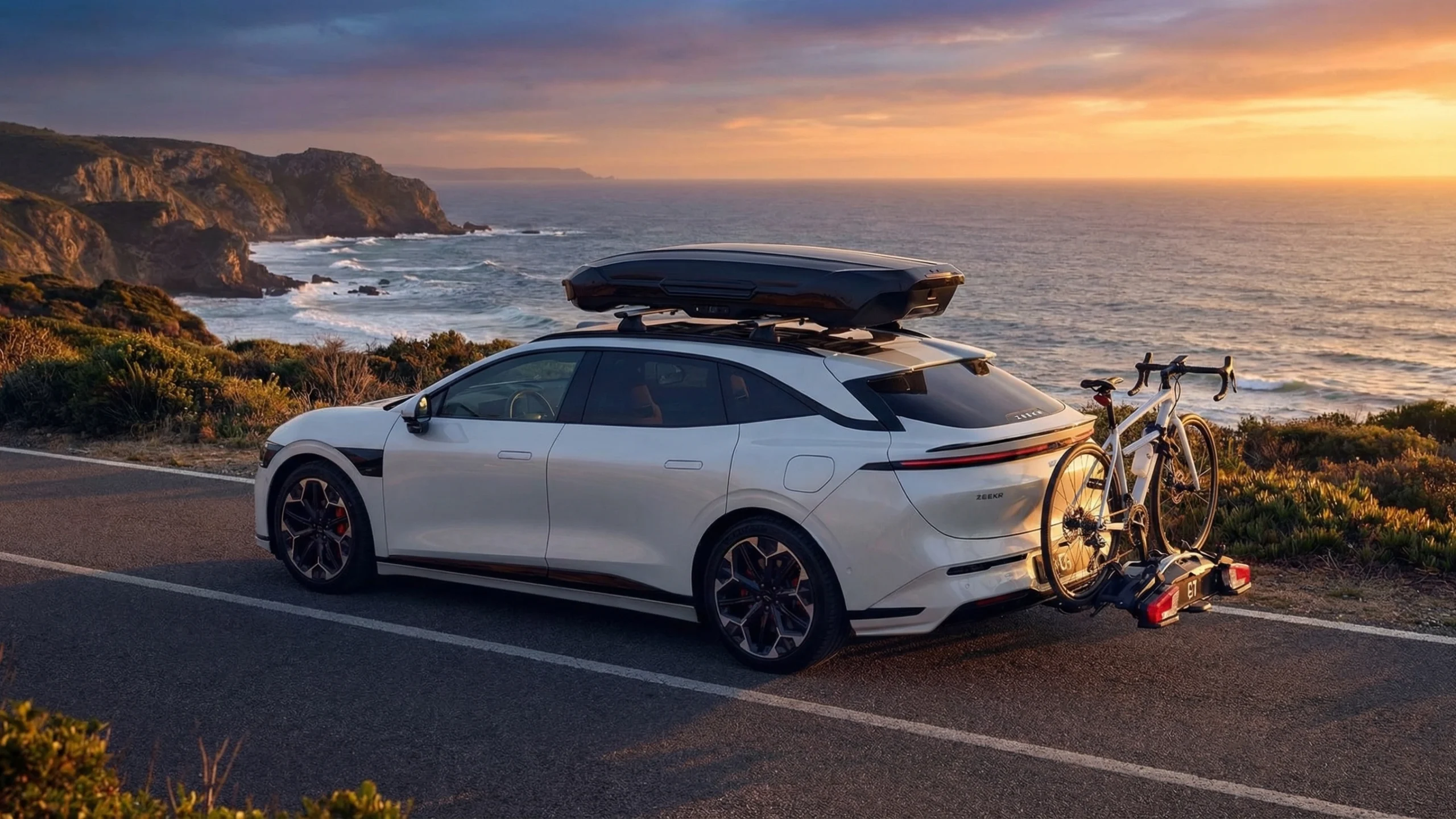 Zeekr 007 GT
Key Specifications
| Specification | Current Zeekr 007 GT (2025) | Refreshed Zeekr 007 GT (2026) |
|---|---|---|
| Starting Price | 202,900 yuan ($29,200) | 207,900-210,900 yuan ($29,900-$30,400 est.) |
| Power (RWD) | 310 kW (416 hp est.) | 370 kW (496 hp) |
| Power (AWD) | 437 kW (586 hp est.) | 585 kW (784 hp) |
| Architecture | 800V | 900V |
| ADAS Chip | Prior gen | Nvidia Drive Thor-U w/ DDR5X |
| CLTC Range (top trim) | Up to 825 km | Details not yet confirmed |
| Dimensions (L/W/H/WB) | ~4,880/1,900/1,450 mm / 2,925 mm | 4,858-4,880/1,900/1,450 mm / 2,925 mm |
Note: 2026 prices and ranges estimated based on reports; power figures from MIIT filings.
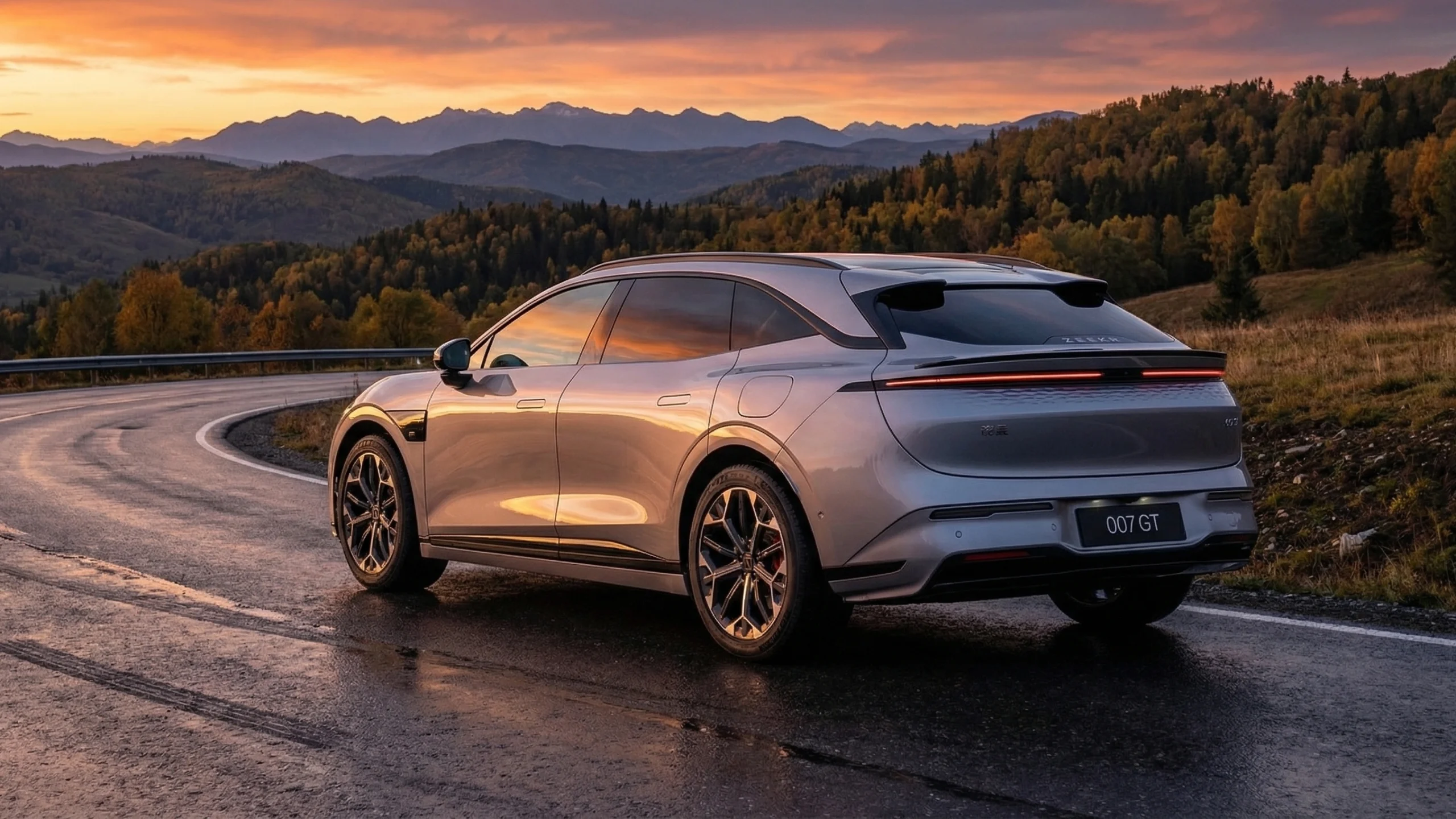
AI Boom Fuels Semiconductor Cost Surge
The price hike stems from a “resource war” between EVs and AI. DDR5 automotive memory prices jumped 300% since late 2025, per TrendForce, as AI data centers prioritize high-bandwidth memory (HBM) with 65% margins over car-grade chips.[source] Nvidia’s Thor-U in the 007 GT uses scarce DDR5X, adding 1,000-3,000 yuan ($150-$450) per vehicle—enough to erase profits on entry-premium models, analysts say.[source]
Lithium carbonate prices doubled from 75,000 to 170,000 yuan/ton ($10,900-$24,600), alongside rises in copper and aluminum, due to mining uncertainties and EV production growth.[source] UBS warns chip shortages could halt global auto output by Q2 2026, hitting chip-heavy EVs hardest.[source]
 Cars
Cars
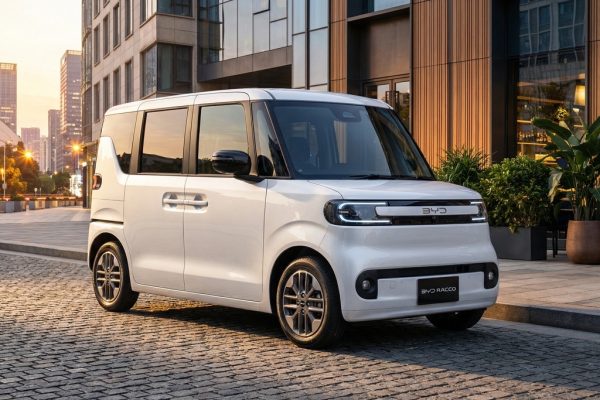
BYD Racco: 180 km Range K-Car Priced at ¥2.5M to Challenge Japan’s EV Minicar Market
BYD’s First Japan-Exclusive K-Car Arrives Summer 2026 with Competitive Pricing BYD has officially revealed the interior of its RACCO, a...
 Cars
Cars
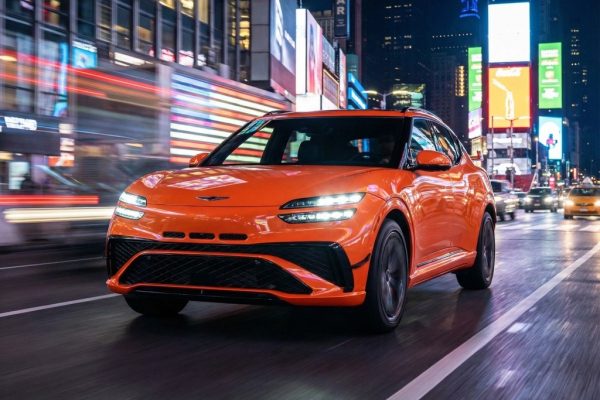
Genesis 2027 Bespoke Platform Debuts to Differentiate from Hyundai E-GMP and Kia Models
Genesis will introduce a dedicated vehicle platform in 2027 for electric and hybrid models, distinct from Hyundai’s E-GMP and M3...
 News
News
Kia EV5 Facelift Promises 800V Upgrade and Pleos Infotainment for 2027 Launch
Kia is preparing a major facelift for its EV5 midsize electric SUV, featuring a rugged exterior inspired by the EV5...
Battery and Supply Chain Pressures Mount
Battery costs rise from lithium volatility, creating power pack shortages. Voyah Chairman Lu Fang urged buyers to purchase soon, citing upstream price surges and AI competition.[source] Nio CEO William Li echoed this in January, naming memory chips as the top pressure, with automakers losing to AI in procurement.
Unlike 2021’s chip crisis, this favors AI producers. Industry insiders say hikes ensure R&D funding and quality, but risk slowing EV adoption if widespread.

Competitor Price Adjustments
| Model | Price Increase | Reason |
|---|---|---|
| Chery Exeed ET5 (Mar 5, 2026) | 5,000 yuan ($700) | Chip/battery costs |
| FAW Bestune Yueyi 03 | 2,000-5,000 yuan ($300-$700) | Supply chain issues |
Zeekr joins this trend, contrasting aggressive cuts seen pre-2025. Compared to Nio’s ET7 (starting ~400,000 yuan, advanced ADAS) or XPeng P7+ (similar performance, ~230,000 yuan), Zeekr’s 007 GT offers superior power at a competitive (pre-hike) price, but upgrades may narrow that edge.[source]
Verdict
Zeekr 007 GT’s upgrades—784 hp, 900V, Thor-U—position it as a performance leader, but the 5,000-8,000 yuan hike underscores unsustainable cost absorption amid AI-EV clashes. Ideal for enthusiasts prioritizing power and tech over rock-bottom pricing, yet unanswered questions linger: exact launch prices, final ranges, and if supply stabilizes. Early buyers of current models lock in value; wait if banking on delays or subsidies. This signals a maturing market—performance rises, but so do costs.