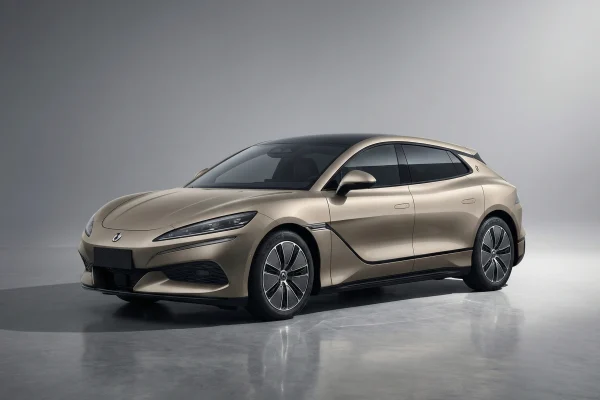
BYD’s luxury brand Yangwang, has announced the 2026 U7 as the first vehicle to use second-generation Blade Battery technology, delivering 1,006 km of pure electric range under CLTC standards despite quad-motor power. This breakthrough addresses the EV ‘impossible triangle’ of range, performance, and fast charging with a 150 kWh pack. For buyers seeking luxury sedans that combine supercar acceleration with long-range capability, the U7 sets a new benchmark in China’s premium EV market.
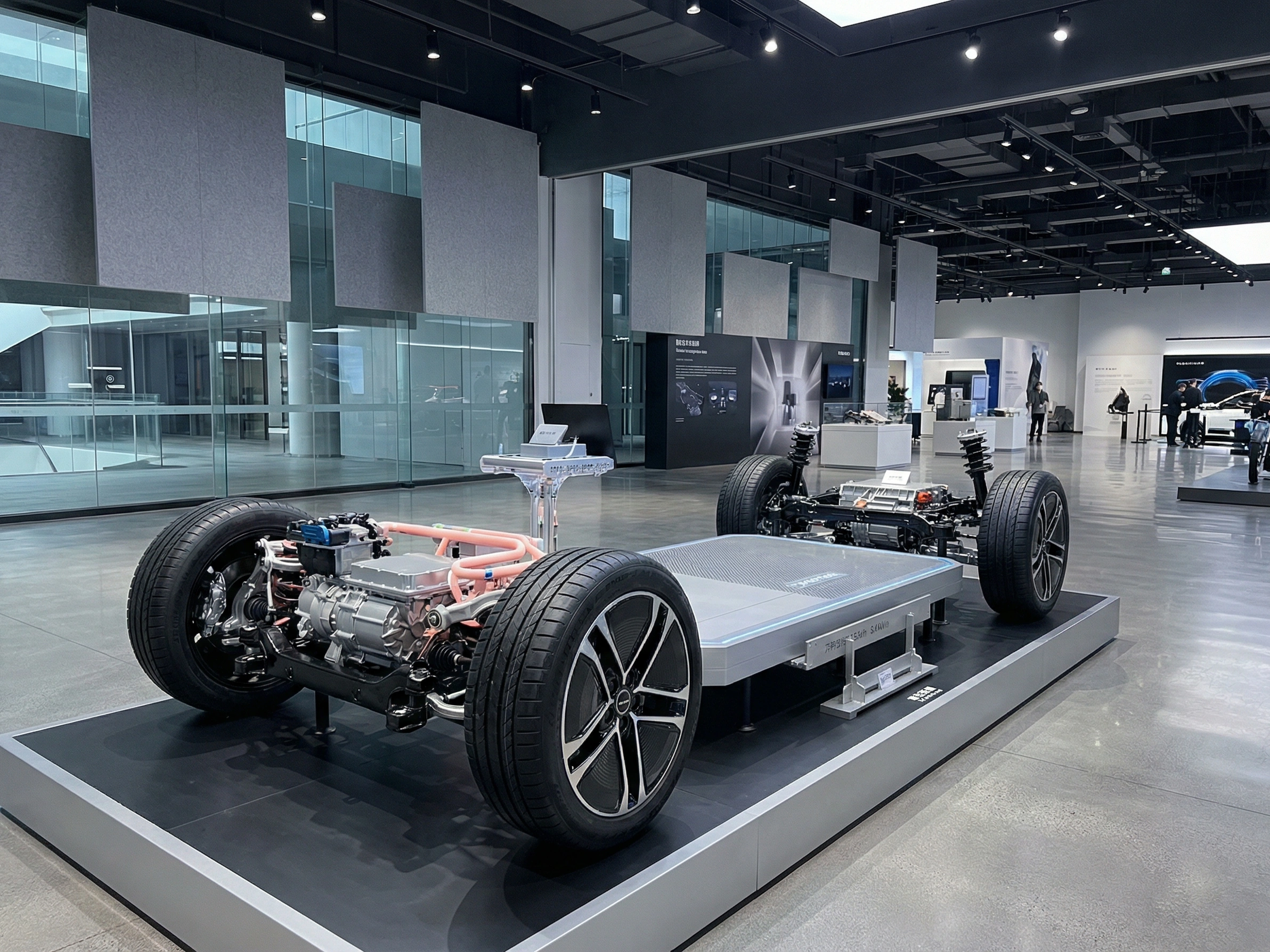
Background: Yangwang’s Rise in Luxury EVs
Yangwang, launched by BYD in 2023, targets China’s ultra-luxury EV segment with models like the off-road U8 SUV (starting at RMB 1.098 million), extended U8L (RMB 1.28 million), and supercar U9 (RMB 1.68 million). The U7, a full-size luxury sedan measuring 5,265 mm long, 1,998 mm wide, and 1,517 mm tall with a 3,160 mm wheelbase, builds on this lineup as a more accessible high-performance option priced between RMB 628,000 and 708,000 ($90,050–$101,525).
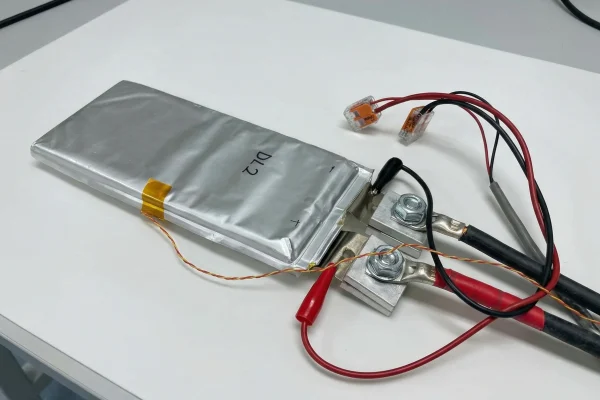
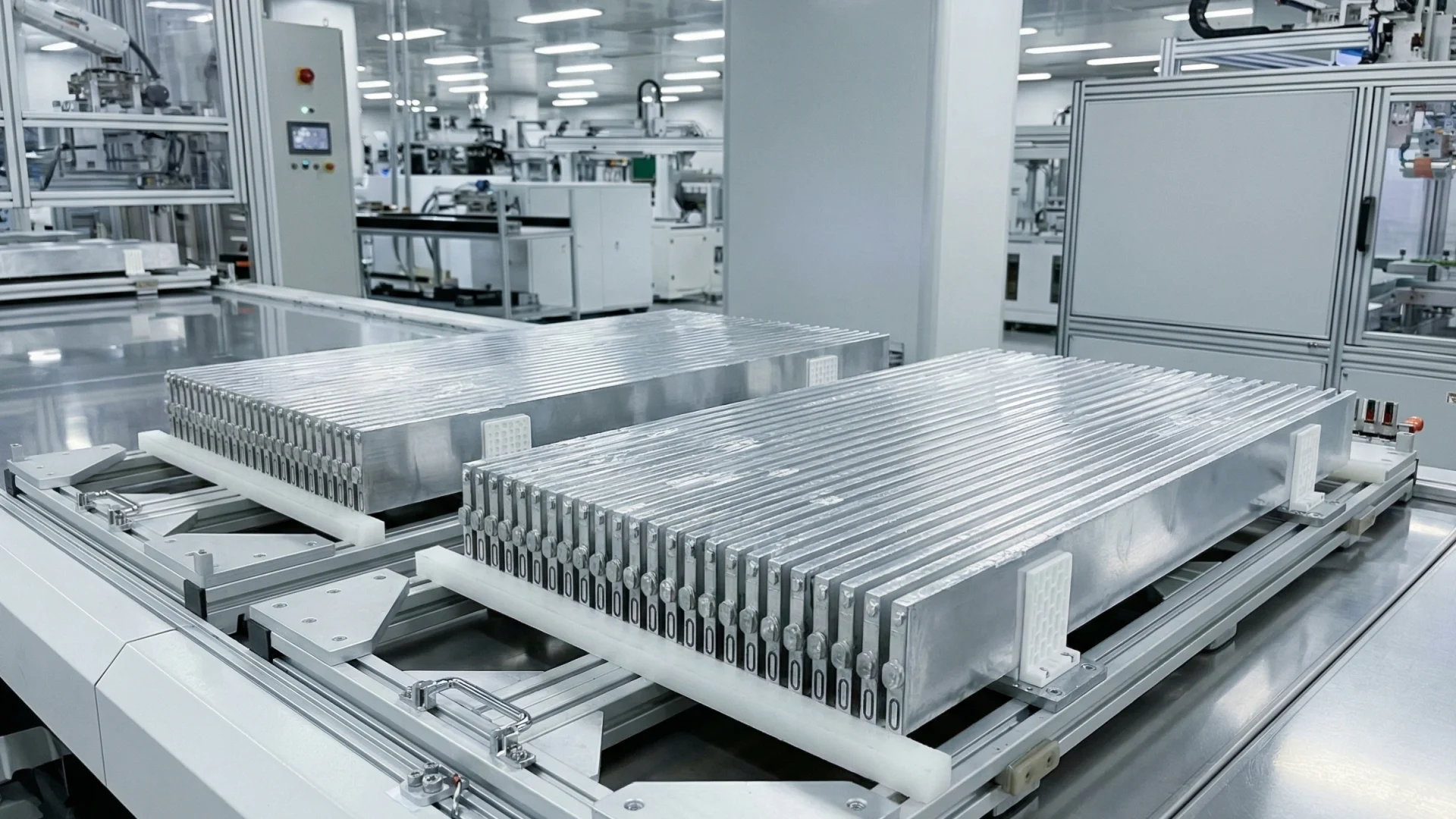
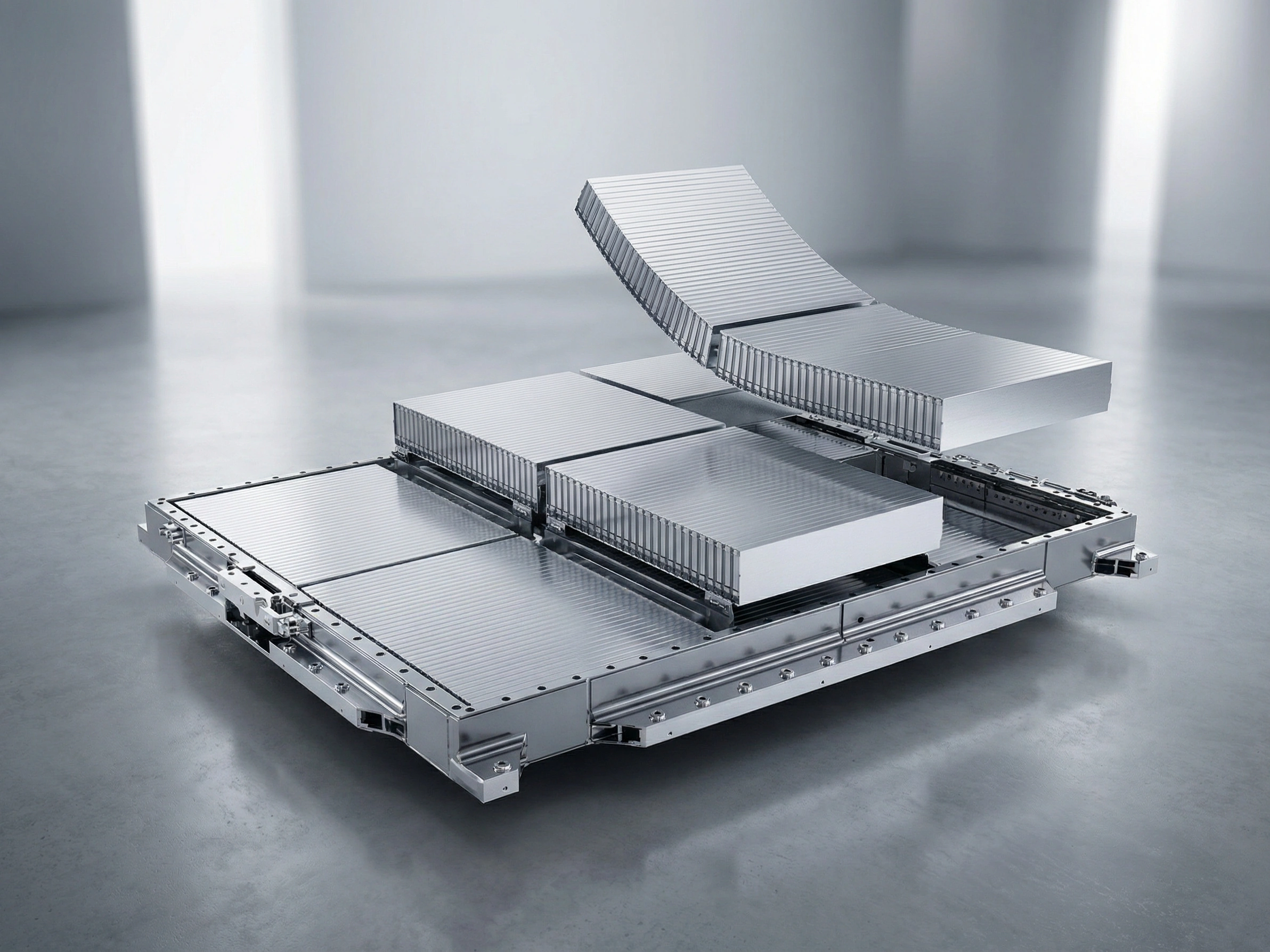
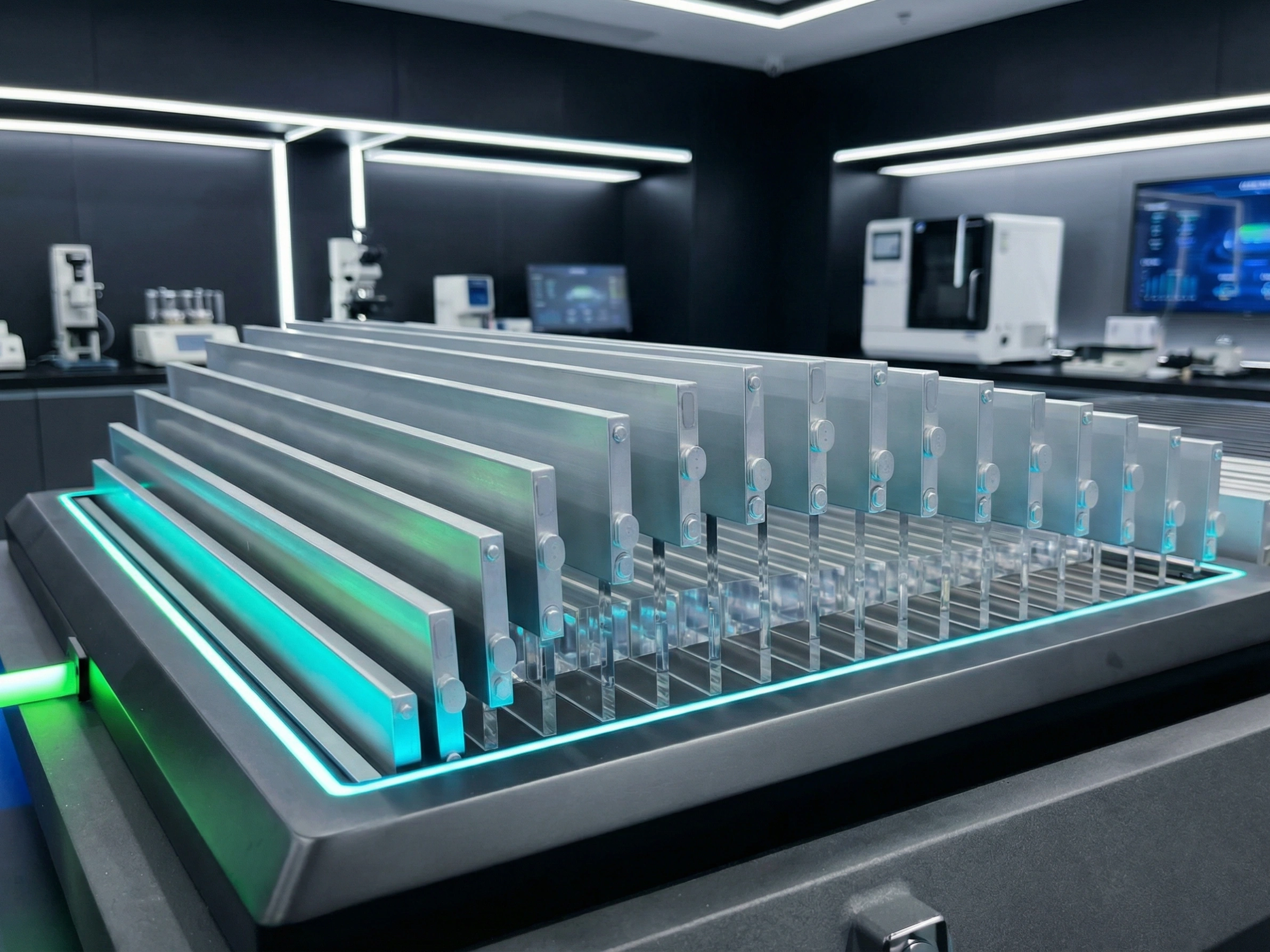
BYD’s original Blade Battery, introduced in 2020, used lithium iron phosphate (LFP) chemistry for safety and density comparable to ternary lithium packs. The second-generation version, debuting in the U7, integrates with an enhanced high-voltage platform and thermal management to enable larger capacities without sacrificing output or charging speed. BYD will unveil full details of Blade Battery 2.0 and flash-charging tech on March 5, 2026, at the Shenzhen Universiade Sports Centre.
Key Specifications
| Specification | Details |
|---|---|
| Battery (BEV) | 150.01 kWh Blade Battery 2.0 LFP (926 kg), 162 Wh/kg density; alt. 135.5 kWh (903 kg), 150 Wh/kg |
| Range (CLTC, BEV) | 1,006 km (150 kWh standard quad-motor); 860 km (1,000 kW variant); 800 km (135.5 kWh) |
| Powertrain | Quad permanent magnet motors (e⁴ IWD), 960 kW (1,287 hp) total, 1,584–1,680 Nm torque |
| Acceleration | 0–100 km/h in 2.9 seconds |
| Top Speed | 270 km/h |
| Energy Consumption | 17.7 kWh/100 km (150 kWh pack) |
| PHEV Variant | 52.4 kWh LFP (446 kg), 200 km electric range, 1,000 km combined with 60L tank, 1,306 hp |
| Chassis | 20° rear-wheel steering (4.85 m turning radius), DiSus-Z adaptive suspension, 0.195 Cd drag |
| Interior Tech | 23.6-inch instrument, 12.8-inch OLED touchscreen, AR-HUD, DiLink 150 (4nm chip), dual NVIDIA Orin-X, 3 LiDARs, L2+ driving |
Blade Battery 2.0 Overcomes EV Physics Limits
Yangwang executives describe the traditional EV trade-offs: high power strains battery life, extended range slows acceleration, and fast charging requires smaller packs. The U7’s 150 kWh Blade Battery 2.0, paired with quad motors, achieves 960 kW output and over 1,000 km range—first for a quad-motor vehicle—via improved energy density, charge-discharge rates, and thermal control.[source]
At 17.7 kWh/100 km, efficiency improves 10% over the prior 135.5 kWh U7 (720 km range), despite added weight. Real-world range may drop 15–20% outside optimistic CLTC conditions, but the sedan’s 0.195 Cd aerodynamics and individual wheel drive (IWD) system aid efficiency.
 Cars
Cars
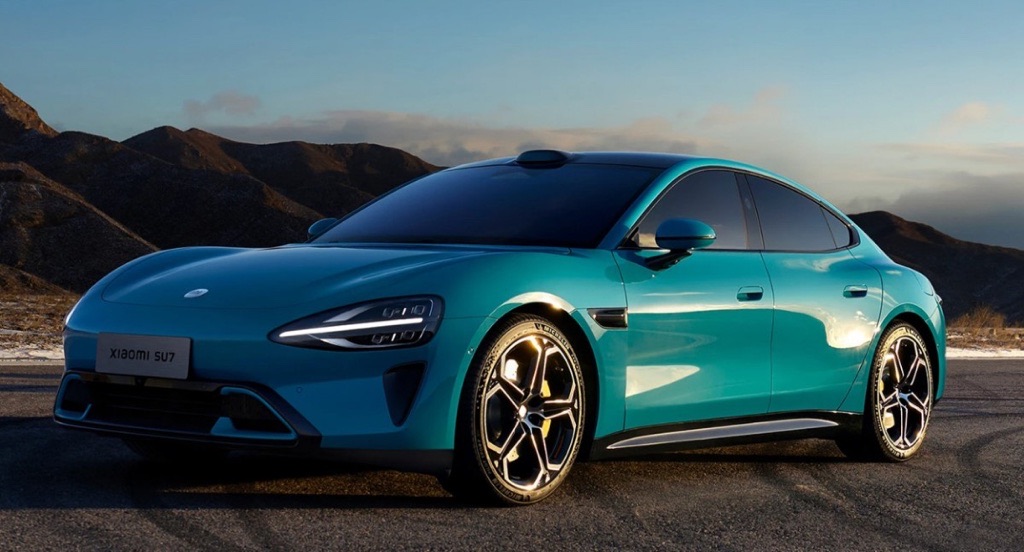
Updated Xiaomi SU7 Electric Sedan Gets Longer Range and Major Tech Upgrade
Xiaomi Pushes the SU7 Forward Ahead of Official 2026 Launch Xiaomi is once again proving how quickly the electric car...
 News
News
The Chery Exeed E08 Concept Car – A Tailgating Transformer?
The Chery Exeed E08 Concept Car – A Tailgating Transformer? At another auto show, another ambitious electric concept vehicle was...
 News
News
Xiaomi SU7 electric car to China named the price.
On March 28, 2024, Xiaomi officially launched sales of its first car, the SU7, in China. This all-electric sedan is...
Performance and Luxury Features
Each motor delivers 240 kW (321 hp), enabling 2.9-second 0–100 km/h sprints and precise handling via four-wheel steering. The DiSus-Z suspension uses linear actuators for height adjustment, flat-cornering stability, and tire-blowout recovery by lifting the affected wheel.
Inside, Nappa leather, wood accents, massaging seats, a 23-speaker Dynaudio system, and rear entertainment screens create a premium cabin. God’s Eye ADAS with 3 LiDARs, 5 radars, 13 cameras, and 12 ultrasonics supports L2+ autonomy.
Safety and Platform Integration
Building on BYD’s e4 platform and 800V SiC architecture, the U7 prioritizes LFP safety. First-gen Blade Batteries passed nail penetration tests without fire; gen 2 promises better thermal management for sustained high-current use.[source]
Comparison with Competitors
| Model | Power (hp) | Battery/Range (CLTC) | 0-100 km/h | Price (est. USD) |
|---|---|---|---|---|
| Yangwang U7 BEV | 1,287 | 150 kWh / 1,006 km | 2.9 s | $90K–$102K |
| Porsche Taycan Turbo S | 1,020 | 105 kWh / 678 km | 2.4 s | $190K+ |
| Lucid Air Sapphire | 1,234 | 118 kWh / 671 km (EPA) | 1.9 s | $250K+ |
| Nio ET9 | 697 | 150 kWh / 1,000 km | 3.8 s | $100K+ |
The U7 undercuts Western rivals on price while matching or exceeding range, though Taycan and Air lead in verified real-world acceleration.
Verdict
The 2026 Yangwang U7 delivers unprecedented quad-motor range at a compelling price, making high-performance luxury EVs viable for range-anxious buyers. Ideal for affluent Chinese buyers prioritizing efficiency and tech, it challenges global brands but awaits real-world validation on charging speeds and EPA-equivalent range. Unanswered: exact U.S./EU pricing, export plans, and Blade 2.0 fast-charge times post-unveil.