
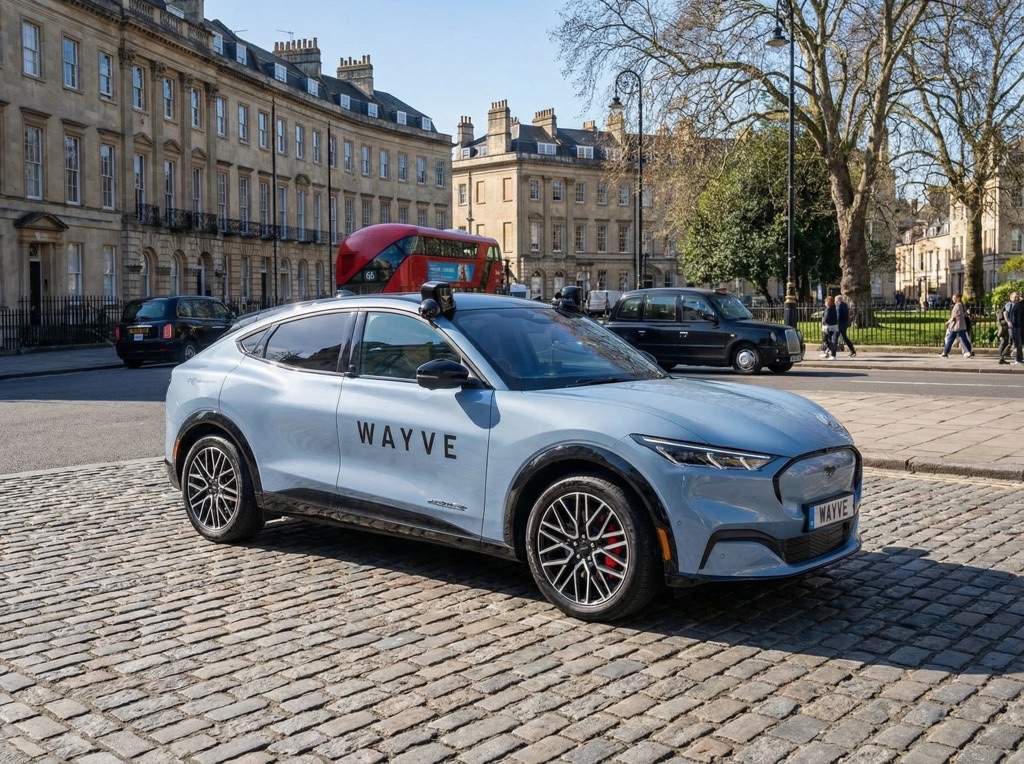
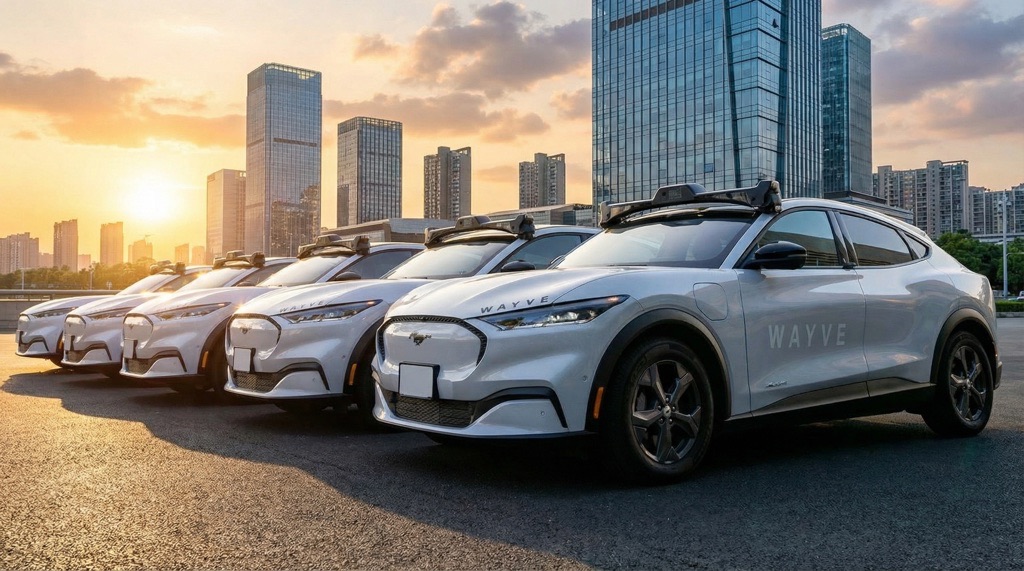
Wayve raised $1.2 billion in Series D funding, with up to $300 million more from Uber, valuing the UK self-driving startup at $8.6 billion. This capital from Nvidia, Microsoft, Uber, Mercedes-Benz, Nissan, and Stellantis accelerates the deployment of its mapless, end-to-end AI driving system in robotaxis starting in London 2026 and in consumer EVs from 2027. For EV makers and riders, it promises scalable autonomy without costly HD maps or custom sensors, potentially transforming urban mobility faster than rivals.
Background: Wayve’s Rise in Embodied AI
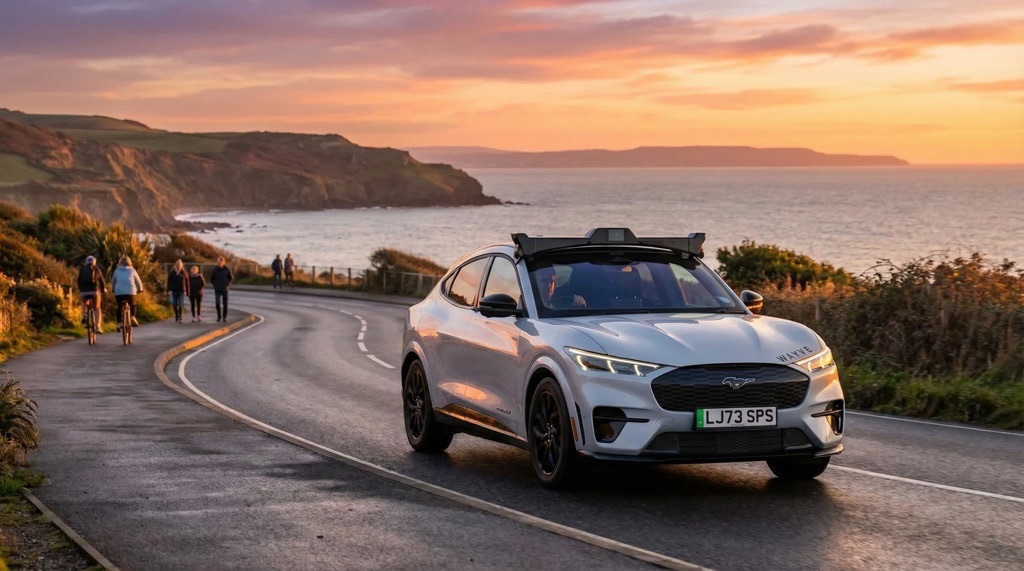
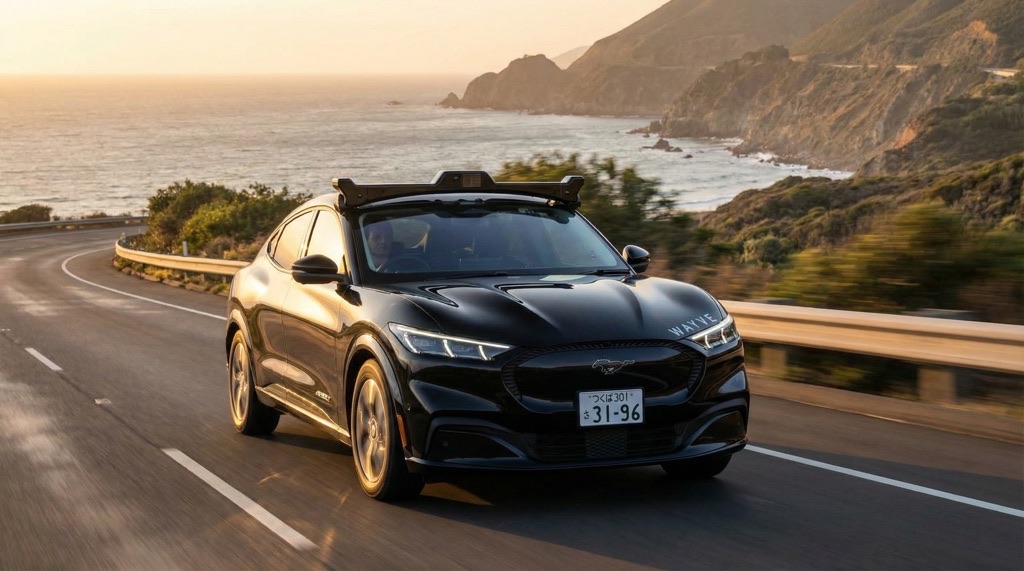
Founded in 2017 by Alex Kendall, Wayve pioneered end-to-end neural networks for autonomous driving, diverging from rule-based systems reliant on HD maps and rigid sensors. Instead, its “embodied AI” learns from millions of real-world driving miles, enabling vehicles to navigate unseen cities using onboard cameras and compute. The company has tested in over 500 cities across Europe, North America, and Japan without pre-mapping.
Wayve’s agnostic approach—running on existing vehicle hardware from partners like Nvidia’s Drive AGX Thor—positions it as a software layer for OEMs, akin to Android for autonomy. Unlike Tesla’s bundled model or Waymo’s operator focus, Wayve licenses to automakers and fleets, targeting the largest market without vertical integration. CEO Kendall calls this a “war chest” combining prior €0.90 billion from 2024 with the new $1.5 billion total, funding decades of development.
Key Specifications and Timeline
| Feature | Details |
|---|---|
| Funding Round | $1.2B Series D + $300M Uber milestone-based (total $1.5B) |
| Valuation | $8.6 billion post-money |
| Lead Investors | Eclipse, Balderton, SoftBank Vision Fund 2 |
| Strategic Investors | Microsoft, Nvidia, Uber, Mercedes-Benz, Nissan, Stellantis |
| Tech Approach | End-to-end embodied AI, no HD maps, onboard compute only |
| Robotaxi Launch | 2026 London with Uber, expand to 10+ cities (e.g., Madrid, Hong Kong, Houston, Zurich) |
| Consumer EVs | 2027 L2+ “AI Driver” (hands-off), progressing to L3/L4 |
| Nissan Integration | 2027 Japan launch for enhanced ADAS |
| Platform | Gen 3 with Nvidia Drive AGX Thor for L4 city/highway |
Analysis: Scalable AI Without Maps or Sensors
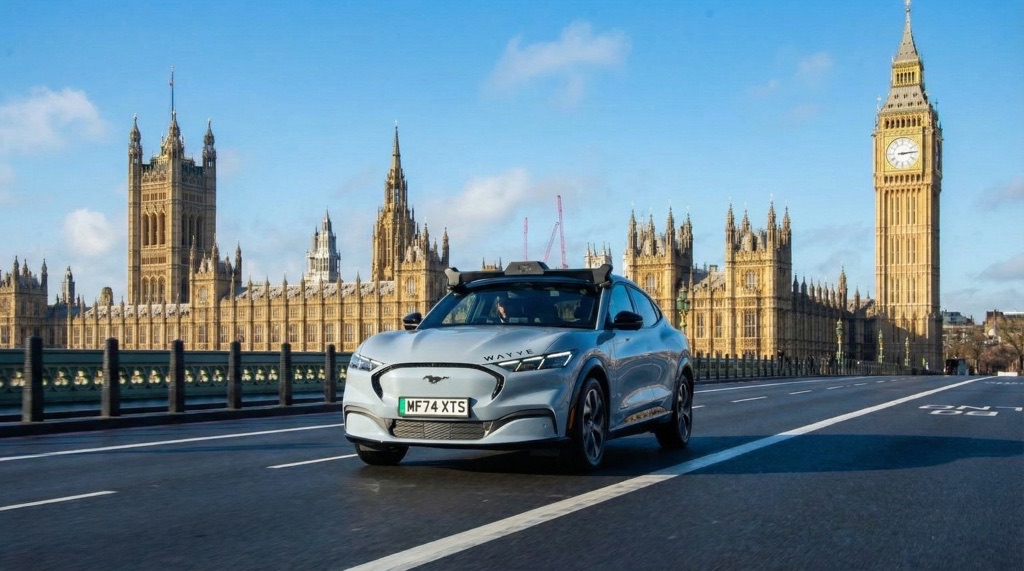
Wayve’s core innovation—self-learning from driving data—avoids pitfalls of map-dependent systems that fail offline or in unmapped areas. Vehicles process visuals in real-time, generalizing to new environments, which cuts costs for EV makers adding autonomy to mass-produced models. This onboard-only design uses standard cameras/sensors, making it cheaper than lidar-heavy rivals and deployable globally without updates.
Commercial Rollout: Uber Robotaxis and OEM Partnerships
Uber’s partnership kicks off with 2026 London trials using Wayve’s L4 AI in OEM EVs, scaling to 10+ markets. Uber operates fleets while Wayve supplies the brain, with extra funding tied to milestones. Nissan targets 2027 Japan consumer launch; Mercedes and Stellantis eye integrations for L2+ to L4 across brands. UK Transport Secretary Heidi Alexander praised the £1.5B as cementing UK leadership with supportive regulations.
Safety and Economics: A Contrarian Bet
Proponents claim embodied AI exceeds human safety by avoiding fatigue or distraction, backed by safety-by-design architecture. Economically, licensing sidesteps billions in R&D sunk by Ford and GM. Yet challenges remain: real-world L4 reliability in chaos, regulatory hurdles beyond UK, and competition from Tesla’s data edge. Kendall asserts that generalization across hardware enables this model, but it remains unproven at fleet scale.
Comparison with Competitors
| Aspect | Wayve | Tesla FSD | Waymo |
|---|---|---|---|
| Approach | End-to-end AI, no maps | End-to-end neural nets, vision-only | HD maps + sensors |
| Business Model | Licenses to OEMs/Uber | Bundled in own EVs | Operates own robotaxis |
| Deployment | 2026 robotaxis, 2027 consumer | Consumer beta now | US robotaxis operational |
| Global Scale | Mapless, 500+ cities tested | Data from global fleet | City-specific |
| Funding/Valuation | $1.5B new, $8.6B val | $1T+ market cap | Alphabet-backed |
Wayve edges in flexibility for partners but trails Tesla’s data volume and Waymo’s operational miles. Its OEM focus could win if integrations succeed.
Verdict
Wayve’s $1.5 billion positions it as the go-to embodied AI platform for EV autonomy, ideal for OEMs like Nissan seeking quick L4 upgrades and Uber scaling robotaxis without building tech. Consumers gain safer, map-free driving in 2026-27, but success hinges on proving L4 safety at scale amid regulatory scrutiny. EV enthusiasts and urban riders should watch London trials; details on exact OEM models and full L4 timelines remain unconfirmed.