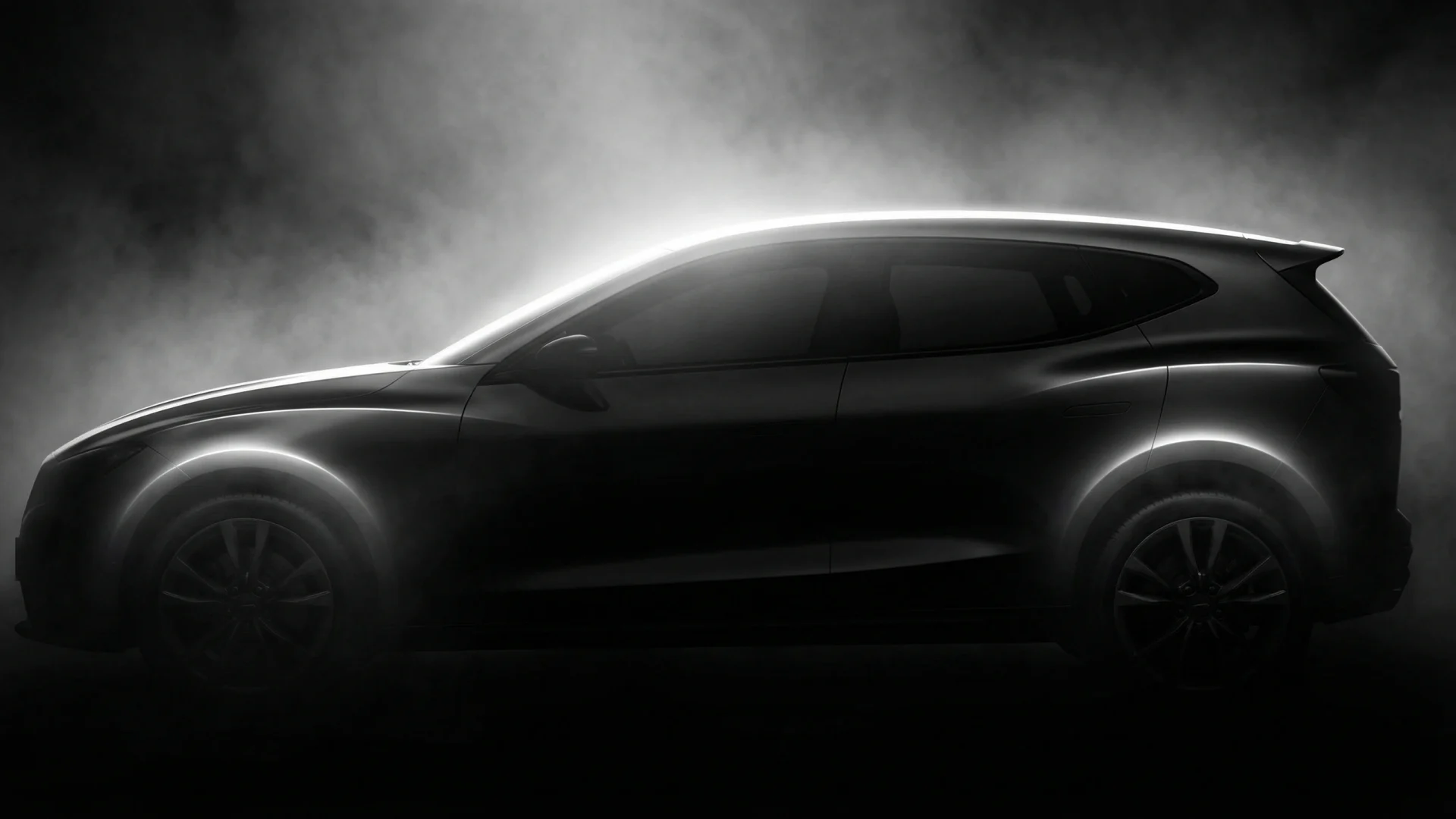
Volkswagen has revealed the first official silhouette of the ninth-generation ID. Golf, an electric hatchback built on the Scalable Systems Platform (SSP) with 800-volt charging. This teaser, shown during a March 4, 2026, IG Metall union meeting, signals VW’s plan to electrify its iconic Golf nameplate while retaining a classic hatchback shape. For EV enthusiasts and Golf fans, it promises a bridge between heritage design and advanced electric tech, potentially replacing the ID.3 with better practicality and performance variants like GTI and R.
Background
Volkswagen’s Golf has defined the compact hatchback segment since 1974, with over 35 million units sold worldwide. The ID. Golf follows thID. Polo strategygy, prefixing ‘ID.’ to traditional models for electric versions. This ninth-generation model (MK9) moves away from the MEB platform of the ID.3 toward the next-gen SSP, developed with zonal architecture and software from a joint venture with Rivian.
Production shifts underscore VW’s EV pivot: ICE Golf VIII assembly moves to Puebla, Mexico in 2027, freeing Wolfsburg, Germany, for ID. Golf. The plant is undergoing renovations for SSP processes. Launch timing remains unconfirmed, with estimates from 2028 to 2030, allowing parallel ICE and EV production.
Key Specifications
| Feature | Details |
|---|---|
| Platform | Scalable Systems Platform (SSP) |
| Architecture | Zonal electrical architecture |
| Software | Developed with Rivian JV |
| Charging | 800-volt system |
| Drivetrain | Single or dual electric motors |
| Battery Tech | Cell-to-pack (expected) |
| Variants | Standard, GTI, R |
| Production | Wolfsburg, Germany (2028-2030) |
| Design | Classic hatchback silhouette, angular front like Golf III/Corrado |
| Interior | Physical buttons, retro digital graphics, sustainable materials |
Design and Platform Analysis
The ID. Golf’s silhouette emphasizes a traditional hatchback profile with a flatter roofline than the ID.3, honoring Golf heritage while improving space and practicality. The angular front physical buttons returnrrado, differentiating it from VW’s bulbous ID family. Inside, physical buttons return amid criticism of touchscreen-heavy cabins, paired with retro-styled digital displays and eco-materials.
 Cars
Cars
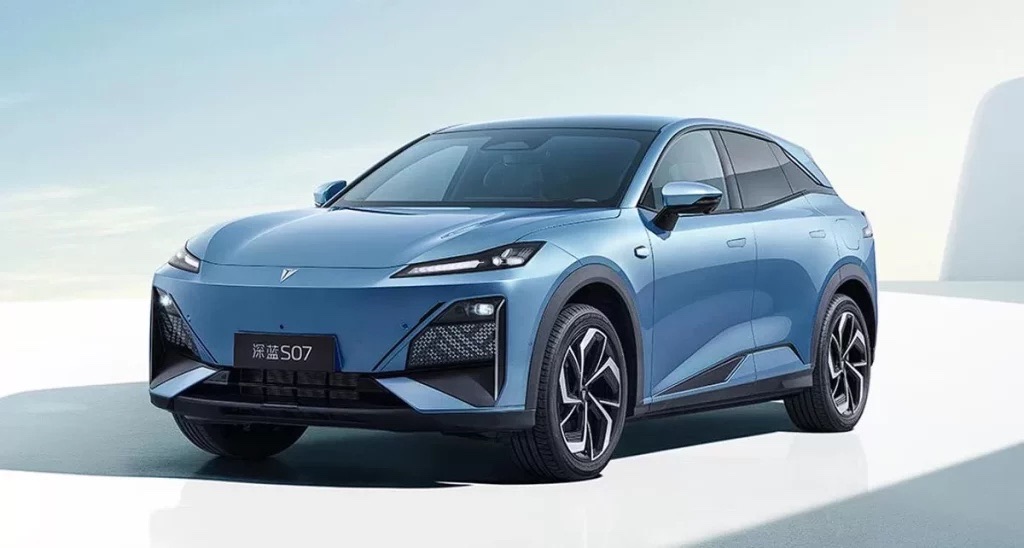
Deepal S07 Electric SUV Gains New Long-Range Version With Up to 630 km CLTC Range
The Deepal S07 electric crossover, developed by Changan-controlled brand Deepal, has received its longest-range all-electric version to date. The update...
 Cars
Cars
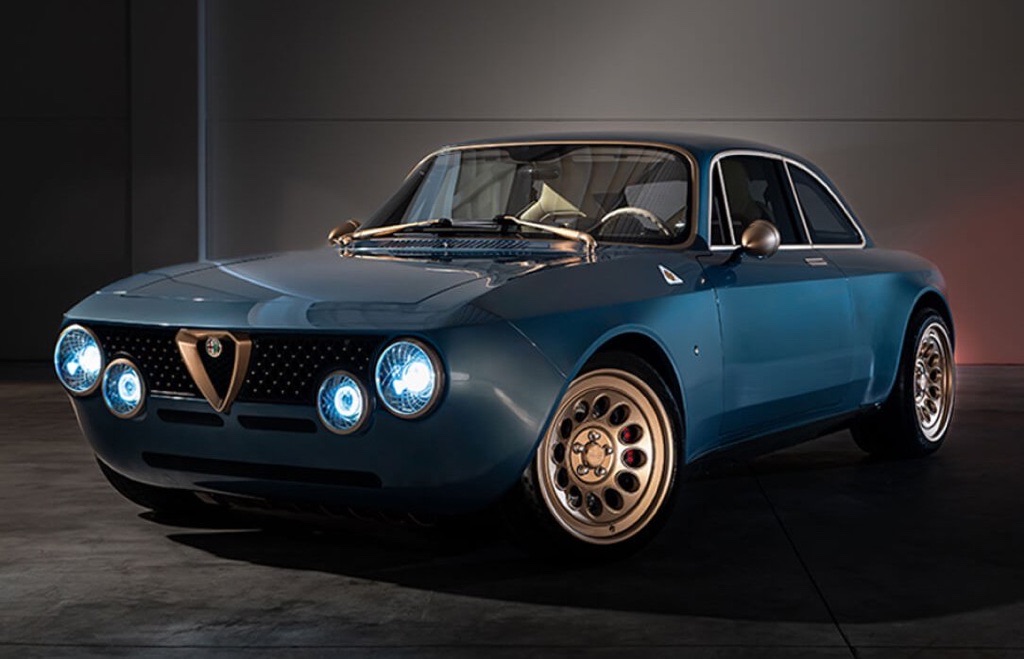
Resurrecting an Italian Icon: The Stunning Alfa Romeo GT Electric Restomod
A Legendary Car Reborn with Electric Power The Alfa Romeo Giulia is an automotive icon from the golden era of...
 Cars
Cars
Volkswagen ID. Polo Interior Revealed as Electric Supermini Nears Launch
Volkswagen has officially revealed the interior of the all-new Volkswagen ID. Polo, confirming a major design reset as the brand...
Performance and Tech Highlights
SSP enables 800V charging for faster sessions and cell-to-pack batteries for efficiency. Single-motor rear-drive or dual-motor AWD setups are planned, with GTI and R variants confirmed—GTI emphasizing ‘Intelligence’ over injection, and R targeting sub-4-second acceleration. Rivian software promises over-the-air updates and advanced driver aids, shared with models like ID. Tiguan.
Market Comparison
Compared to Hyundai Ioniq 5 N (641 hp, 800V, $66,000 est.), the ID. Golf R could match performance at a lower price point, leveraging VW’s volume. Against Tesla Model 3 (0-60 in 2.9s base), it offers hot-hatch dynamics with GTI/R badges. The Cupra Born rival (228 hp) lacks SSP’s zonal tech, positioning ID. Golf as a premium compact EV hatch.
Verdict
The ID. Golf teaser delivers on VW’s promise of an electric icon that looks and drives like a Golf, backed by SSP and Rivian tech for superior charging and software. It’s for loyalists seeking EV efficiency without losing hatchback soul, plus enthusiasts eyeing GTI/R. Unanswered: exact range, pricing, and battery sizes—details not yet confirmed. If executed well, it could sustain Golf’s sales legacy into 2030.