
Volkswagen ID. Cross: 208 HP Affordable Electric SUV Launches Summer 2026 Under €35,000
Volkswagen is returning to its core mission with the ID. Cross is a compact electric SUV designed for everyday drivers rather than early adopters. The vehicle delivers 208 hp (155 kW) of front-wheel-drive power, up to 420 km (261 miles) of WLTP range, and is expected to start below €35,000 when it launches this summer in Europe.
The ID. Cross represents Volkswagen’s strategic pivot towaffordable mass-market electrificationtion. Built on the new MEB+ platform at the company’s Landaben plant in Spain, the vehicle directly challenges competitors like Ford Puma Gen-Een-E, Renault 4 E-Tech, and BYD Atto 2 in the B-SUV segment. Unlike the larger ID.4, which starts around €35,000, the ID. Cross will undercut this price point, making it accessible to budget-conscious European buyers.
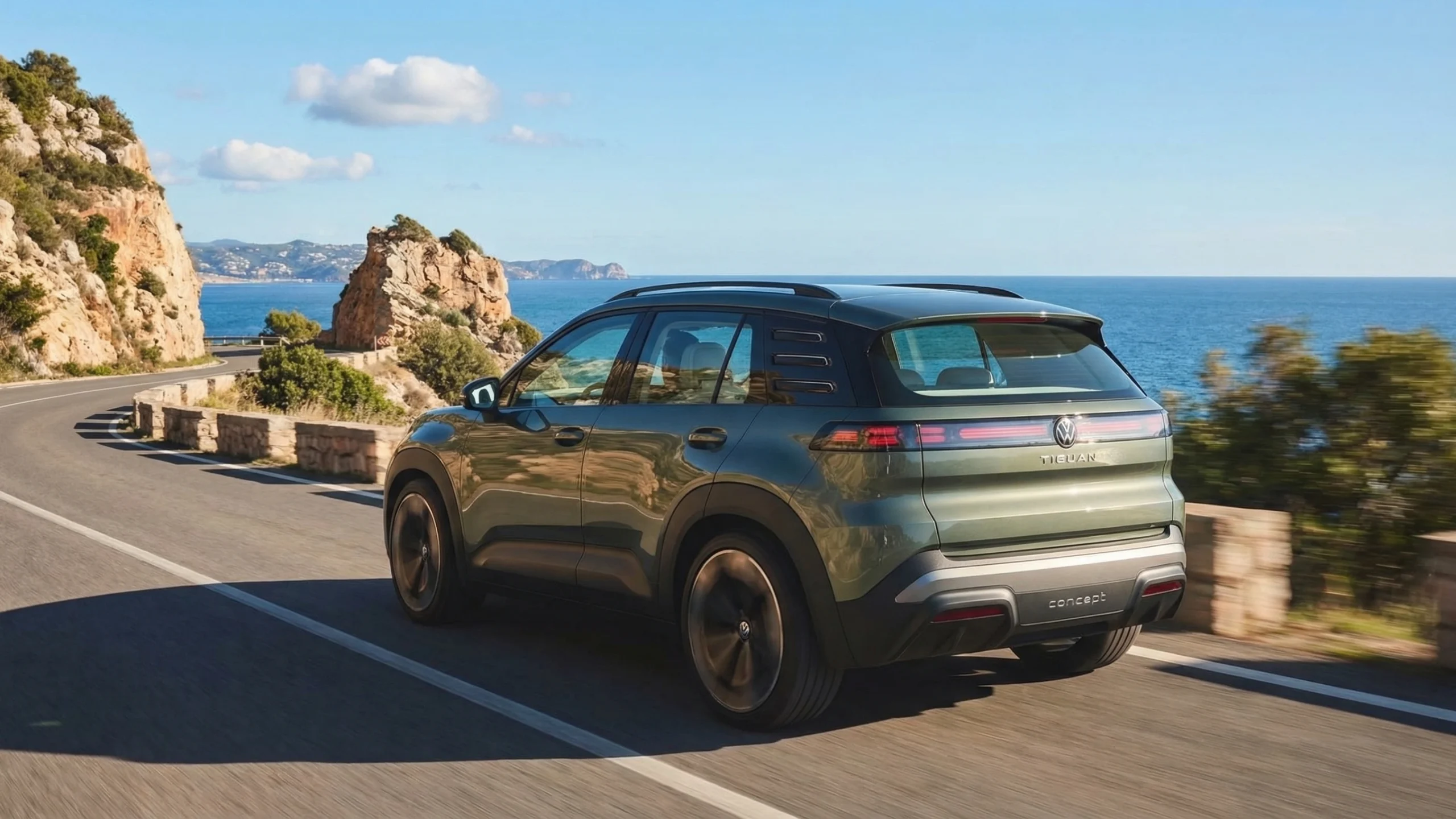
Compact Dimensions, Practical Interior
The ID. Cross measures 4,161 mm in length, 1,839 mm in width, and 1,588 mm in height, with a 2,601 mm wheelbase. Despite its compact footprint, Volkswagen has prioritized practicality. The vehicle offers 450 liters of trunk space—above average for the segment—plus a 38-liter storage compartment under the rear seats and a 25-liter front trunk for charging cables.
The interior features an 11-inch digital instrument cluster and a 13-inch infotainment touchscreen, part of Volkswagen’s new standardized cabin design for affordable EVs. The layout includes individual electric window switches and physical buttons beneath the center console, addressing customer feedback about user-friendliness.
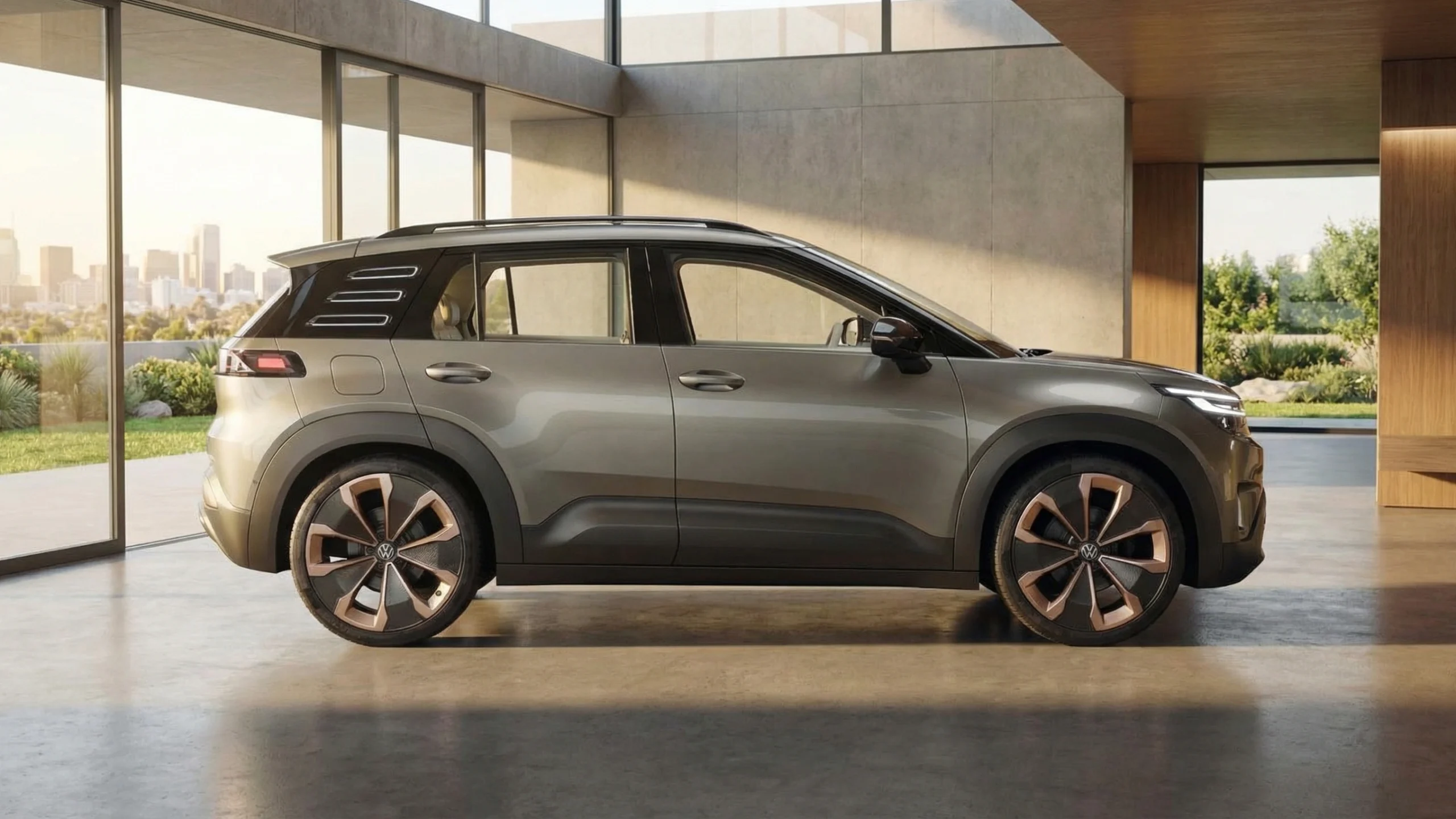
Battery Options and Charging Performance
Volkswagen offers two battery configurations: a 37 kWh LFP unit and a 52 kWh NCM pack. The larger battery delivers the claimed 420 km WLTP range. Fast-charging capabilities reach 90 kW for the base battery and 130 kW for the larger option, enabling a 10–80% charge in approximately 23 minutes.
This charging performance is competitive within the segment. The MEB+ platform is specifically engineered for efficient DC fast-charging, allowing the ID. Cross to support longer journeys without extended downtime.
 Cars
Cars
YASA Unveils Record-Breaking 1,006 HP Electric Motor: Power Density Reimagined
The World’s Most Powerful Compact Electric Motor Sets a New Benchmark British electric motor manufacturer YASA has once again shattered...
 Cars
Cars
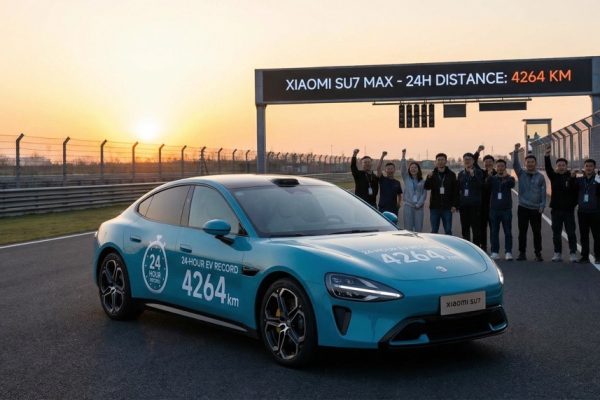
Xiaomi SU7 Max Covers 4,264 km in 24 Hours – New EV Endurance Record Proves Mass-Produced Reliability
The updated 2026 Xiaomi SU7 Max has set a new world record for mass-produced electric vehicles by traveling 4,264 km...
 Motocycles
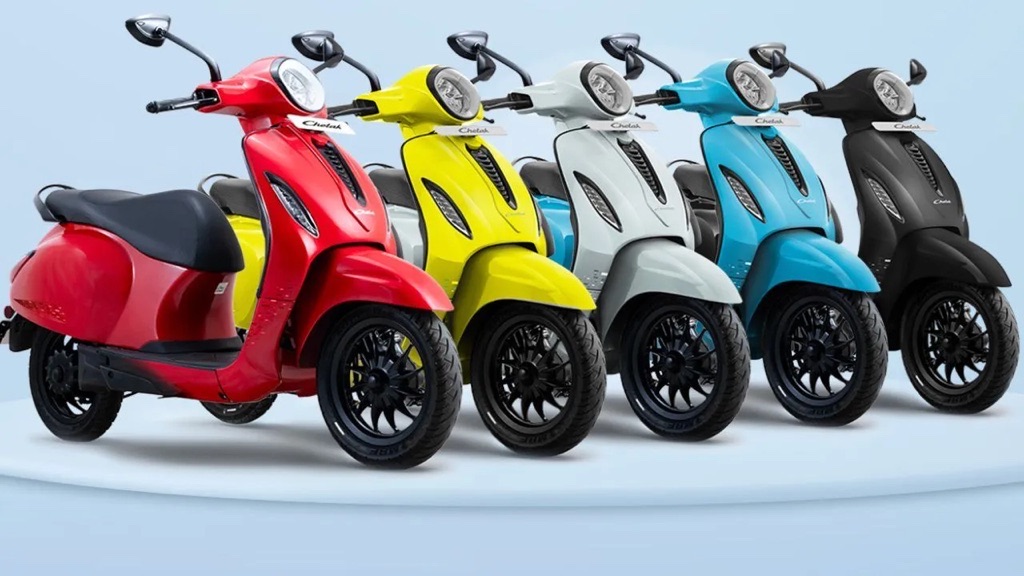
Bajaj Chetak 2901 Edition: The Most Affordable Electric Scooter in the Chetak Family
In the rapidly evolving world of electric transportation, Bajaj Auto has made a significant move by introducing the Chetak 2901...
Design Philosophy: Familiar, Not Futuristic
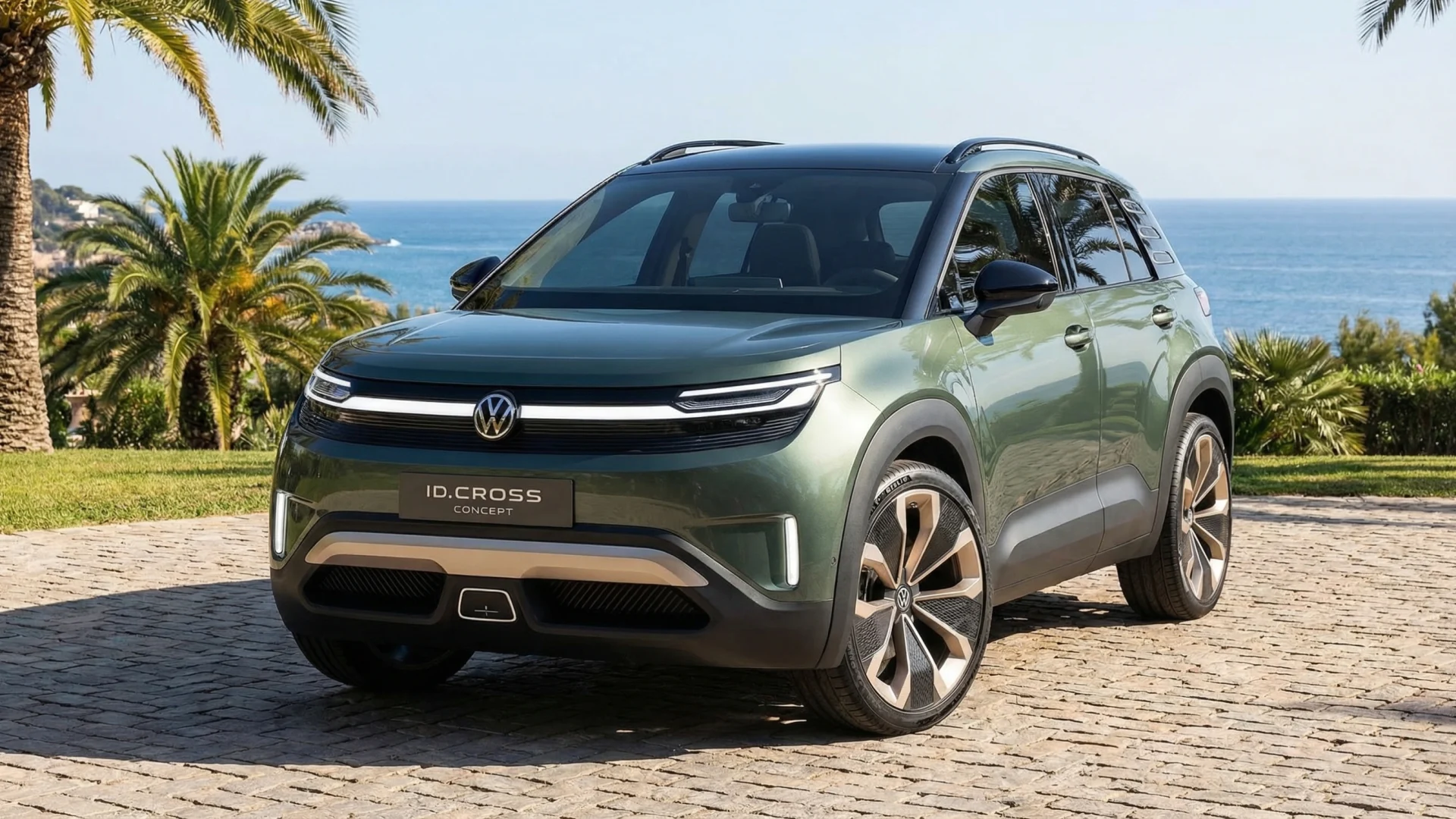
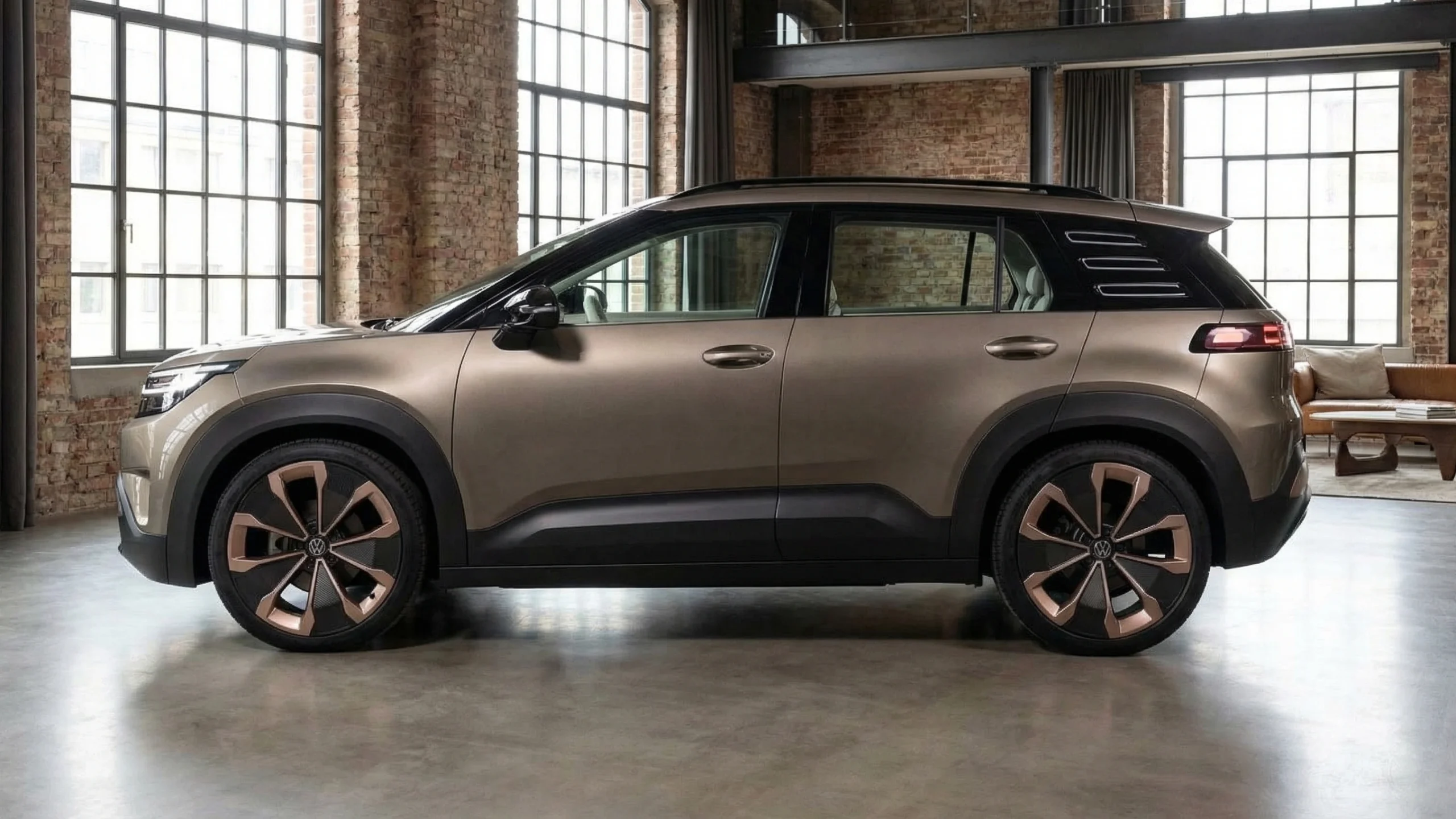
The ID. Cross adopts Volkswagen’s new “Pure Positive” design language—more restrained and classical than earlier ID models. The styling draws inspiration from iconic Volkswagen vehicles like the Golf and classic Minibus, emphasizing approachability over technological drama. Design elements include Matrix LED IQ.LIGHT headlights connected by a light strip, 3D-graphic rear lights, and a floating roof line.
Recent prototype sightings confirm the production version will closely mirror the concept car unveiled at the Munich Motor Show, maintaining the clean lines and sturdy stance that suggest versatility beyond urban commuting.
Market Position and Competition
| Model | Power | Range (WLTP) | Estimated Price | Key Advantage |
|---|---|---|---|---|
| Volkswagen ID. Cross | 208 hp (155 kW) | 420 km (261 mi) | Under €35,000 | Practicality, affordability, fast charging |
| Ford Puma Gen-E | ~210 hp | ~250 km | €35,000+ | Established brand presence |
| Renault 4 E-Tech | ~120 hp | ~300 km | €30,000+ | Retro design appeal |
| BYD Atto 2 | ~102 hp | ~305 km | €25,000+ | Lower entry price |
The ID. Cross directly targets the mass-market B-SUV segment where affordability and practicality matter more than performance. Its 261-mile range exceeds both the Ford Puma Gen-E and Renault 4 E-Tech, positioning it as a compelling alternative for European buyers seeking a balance between cost and capability.


Production and Availability
Manufacturing will occur at Volkswagen’s Landaben plant in Navarre, Spain, which serves as an export hub for the entire European market. The ID. Cross will debut officially this summer, following the spring launch of the ID. Polo. Both vehicles share the MEB+ platform, enabling significant cost reduction through standardized battery modules, power electronics, and front-wheel-drive components.
No U.S. launch is currently planned, mirroring the gas-powered T-Cross’s absence from American markets. European availability is expected to begin in mid-2026.
Unanswered Questions
While Volkswagen has confirmed core specifications, several details remain unconfirmed. The company has not disclosed final pricing, exact battery configurations for different market variants, or detailed performance metrics like 0–100 km/h acceleration. Interior material quality and warranty terms also await official announcement closer to launch.
Verdict
The ID. Cross represents Volkswagen’s genuine commitment to democratizing electric mobility in Europe. With 208 hp, 420 km range, and an expected sub-€35,000 price, it delivers practical value for families and daily commuters who previously viewed EVs as unaffordable luxuries. The vehicle’s focus on interior space, straightforward design, and competitive charging speeds positions it as a credible alternative to the Renault 4 E-Tech and Ford Puma Gen-E. This is the EV for pragmatists, not enthusiasts—and that’s precisely where the mass market lives.