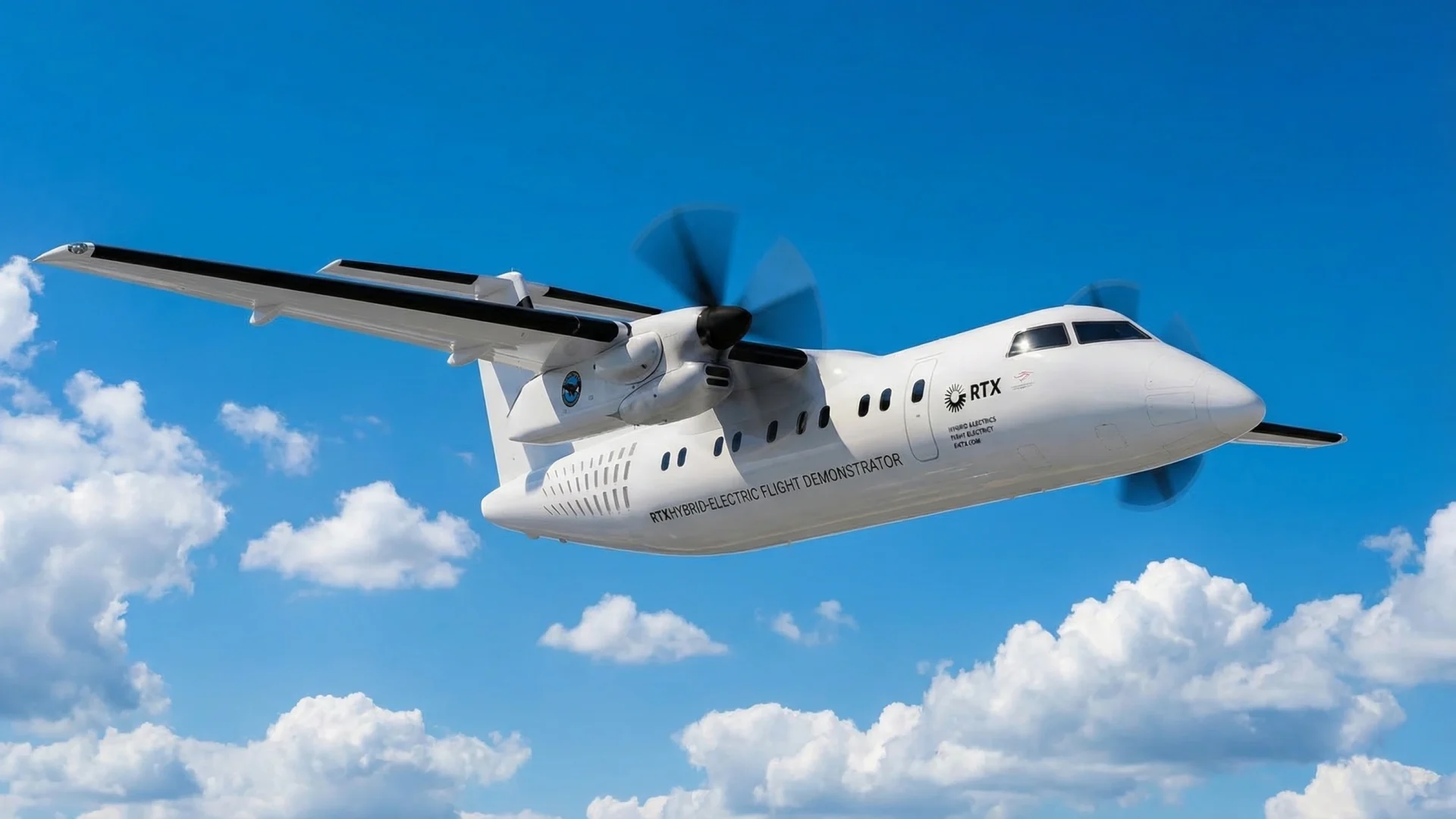
RTX’s hybrid-electric propulsion system achieved full-power operation on March 3, 2026, combining a 1,340 hp PW127XT engine and 1-MW electric motor for 2,680 total horsepower. This retrofit-capable setup targets 30% lower fuel use on existing regional turboprops like the De Havilland Canada Dash 8-100, offering airlines immediate efficiency gains without fleet replacement.
Regional aviation, which accounts for a significant portion of short-haul flights, faces pressure to cut emissions and costs. RTX’s demonstrator provides a practical path by leveraging proven components for real-world deployment.
Operators benefit from reduced fuel burn during high-demand phases like takeoff, while maintaining compatibility with current infrastructure.
RTX’s Position in Hybrid Aviation
RTX, formed from the 2020 merger of Raytheon and United Technologies, leads in aerospace propulsion through subsidiaries Pratt & Whitney Canada and Collins Aerospace. Pratt & Whitney Canada specializes in turboprop engines like the PW127 series, powering regional aircraft worldwide. Collins Aerospace contributes electric motors and systems integration expertise.
The Hybrid-Electric Flight Demonstrator reflects RTX’s strategy of partnering with startups like H55, backed by RTX Ventures, and governments, including Canada and Quebec. This project builds on H55’s flight-tested batteries with over 2,000 incident-free hours. Unlike full-electric attempts limited by battery energy density—20 times lower than jet fuel—RTX’s parallel hybrid pairs thermal and electric power directly to the propeller via a specialized gearbox.
RTX positions this as a bridge technology, enabling retrofits during routine maintenance to extend aircraft life while cutting operating costs.
 News
News
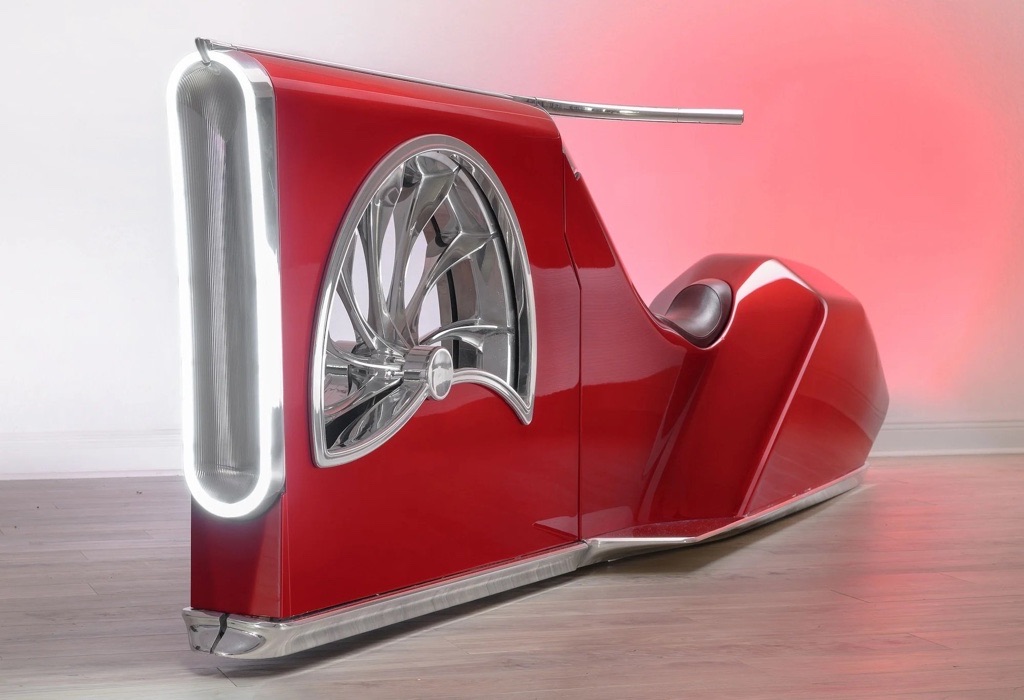
Introducing the Guido: An Electrifying Work of Motorcycle Art
In the world of electric motorcycles, performance numbers like torque, battery capacity, and range often take center stage. But every...
 News
News
$4.5B Projected Losses for Ford Model e in 2026 Signal EV Strategy Pivot
Ford’s Model e EV division expects losses of $4 billion to $4.5 billion in 2026, capping cumulative deficits exceeding $16...
 Cars
Cars
The Electric Downfall: Fisker’s Bankruptcy and What it Means for the EV Industry
Well, folks, it’s a tough day for the electric vehicle world. Fisker Inc., the company behind the much-anticipated Fisker Ocean...
Key Specifications
| Component | Specification |
|---|---|
| Thermal Engine | Pratt & Whitney Canada PW127XT, 1 MW (1,340 hp) |
| Electric Motor | Collins Aerospace, 1 MW (1,340 hp) |
| Total Peak Power | 2 MW (2,680 hp) |
| Battery System | H55, 200 kWh |
| Test Aircraft | Modified De Havilland Canada Dash 8-100 |
| Fuel Efficiency Goal | 30% reduction vs. advanced regional turboprops |
| Maintenance Savings | 20% lower |
| Fuel Compatibility | 100% Sustainable Aviation Fuel (SAF) |
| Key Milestone | Full-power ground test, March 3, 2026, Quebec |

Propulsion System Design
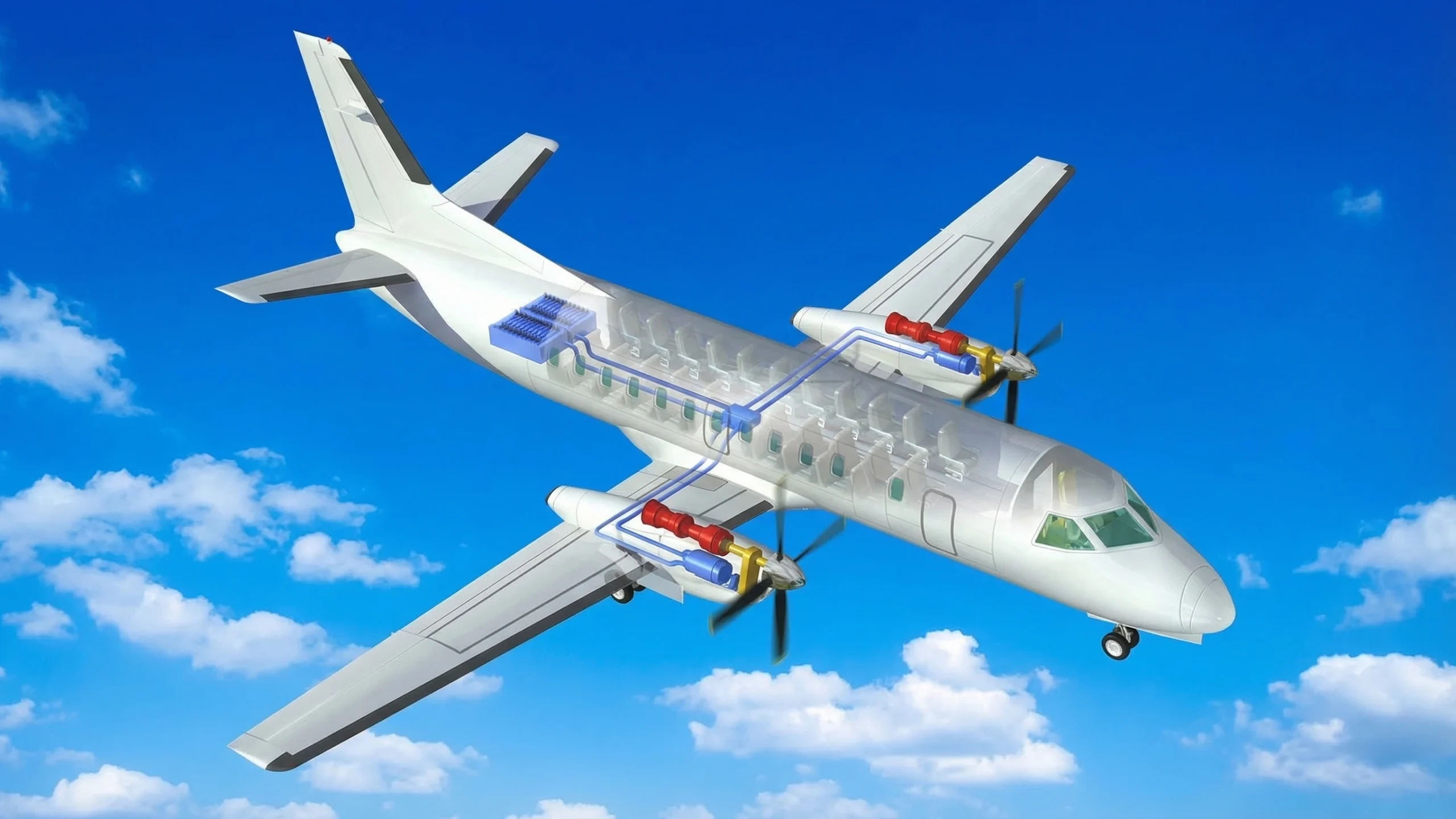
The system integrates the PW127XT turboprop with a 1-MW electric motor through a custom gearbox, allowing simultaneous power delivery to the propeller shaft. This parallel architecture differs from series hybrids in cars, where engines charge batteries sequentially.
During taxi, takeoff, and climb, the electric motor provides peak power from the 200 kWh H55 batteries, reducing thermal engine stress. In cruise, the PW127XT operates at optimal efficiency. Descent regenerates batteries by turning the motor into a generator, recovering energy.
Engineers addressed battery weight with high-density materials, wide-bandgap semiconductors, and high-density magnets. High-voltage safety includes fireproof enclosures for gas venting. Thermal engines achieve 30-40% efficiency versus over 90% for electric systems, making the hybrid complementary.
Testing Progress and Retrofit Potential
On March 3, 2026, RTX ran the full system at Pratt & Whitney Canada’s Longueuil, Quebec facility, marking the first full-power operation of engine, motor, batteries, and controls. Flight tests are scheduled later in 2026 at AeroTEC in Moses Lake, Washington, on a modified Dash 8-100.
Retrofit compatibility stands out: airlines can install during engine overhauls, avoiding new aircraft costs. This targets regional operators flying 50 passengers 500 miles, where full-electric remains impractical due to weight. RTX claims 20% maintenance reductions from electric assistance easing engine wear.
Unanswered questions include certified flight performance data and long-term battery life in commercial ops. Scalability to larger aircraft also needs demonstration.

Sustainable Fuel Integration
The PW127XT supports 100% SAF, aligning with industry decarbonization. SAF reduces lifecycle emissions without system changes, amplifying hybrid benefits.
Comparison with Competitors
| System | Power Sources | Fuel Savings | Status | Retrofit |
|---|---|---|---|---|
| RTX Hybrid Demonstrator | PW127XT + 1 MW electric, 200 kWh battery | 30% | Ground-tested 2026, flight tests soon | Yes, Dash 8-100 |
| NASA X-57 (electric) | Battery-only | N/A (full electric) | Test flights completed | No |
| Pipistrel Nuuva V300 (hybrid cargo) | Gas + electric | ~25% estimated | Certified, in production | Limited |
| magniX + Harbour Air (electric seaplane) | Battery swap | Zero fuel | Demo flights | New builds |
RTX excels in power output and retrofit for passenger regionals, surpassing battery-limited electrics like magniX. Pipistrel focuses on cargo; RTX targets broader fleets.
Verdict
RTX’s Hybrid-Electric Flight Demonstrator delivers verifiable progress toward efficient regional aviation, with full-power testing proving parallel hybrid viability. It suits fleet managers prioritizing 30% fuel cuts and SAF compatibility without grounding planes for new buys. Skeptics of hybrids should note this addresses aviation’s unique energy density challenges effectively—watch for 2026 flight data to confirm.