
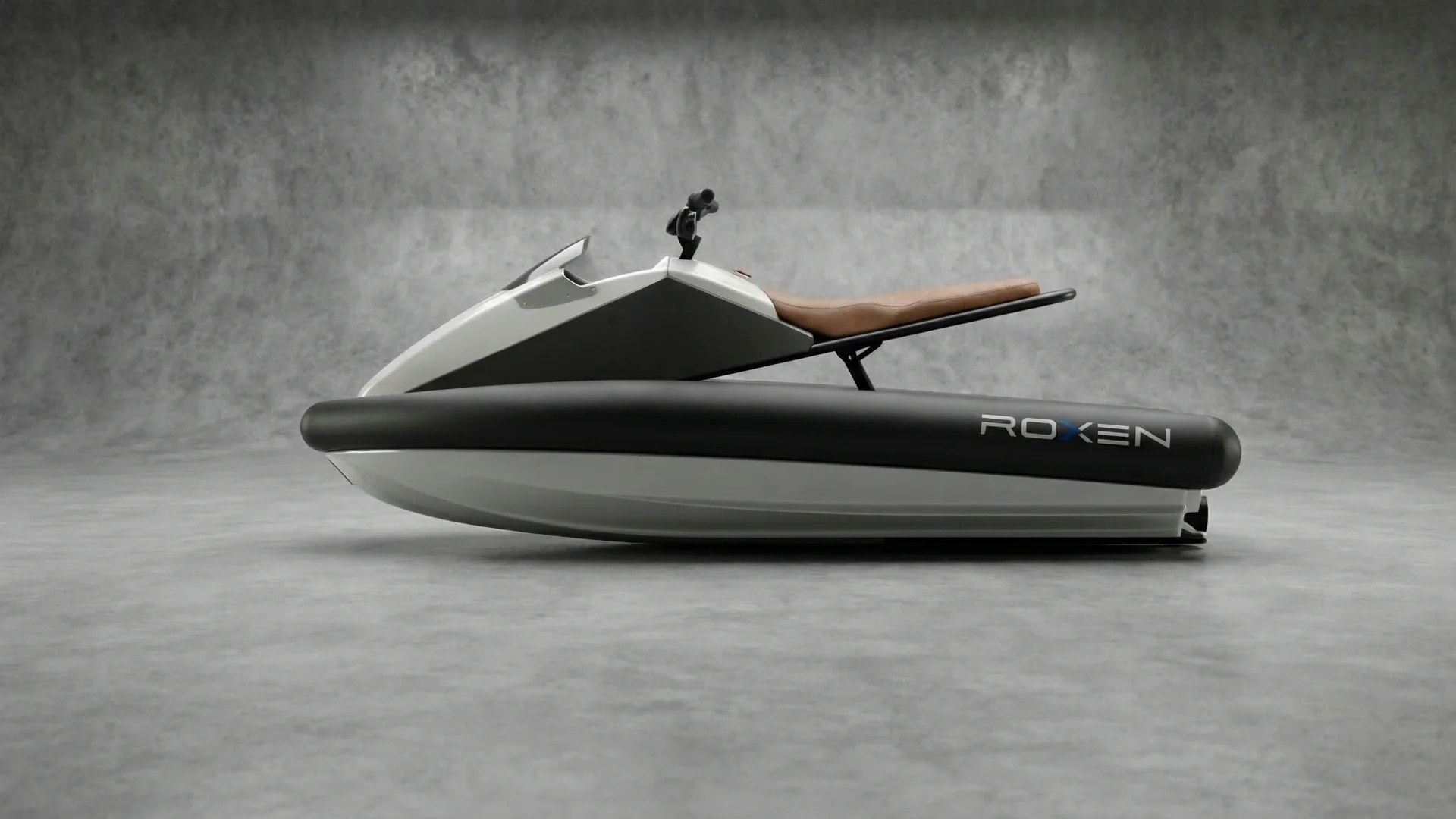
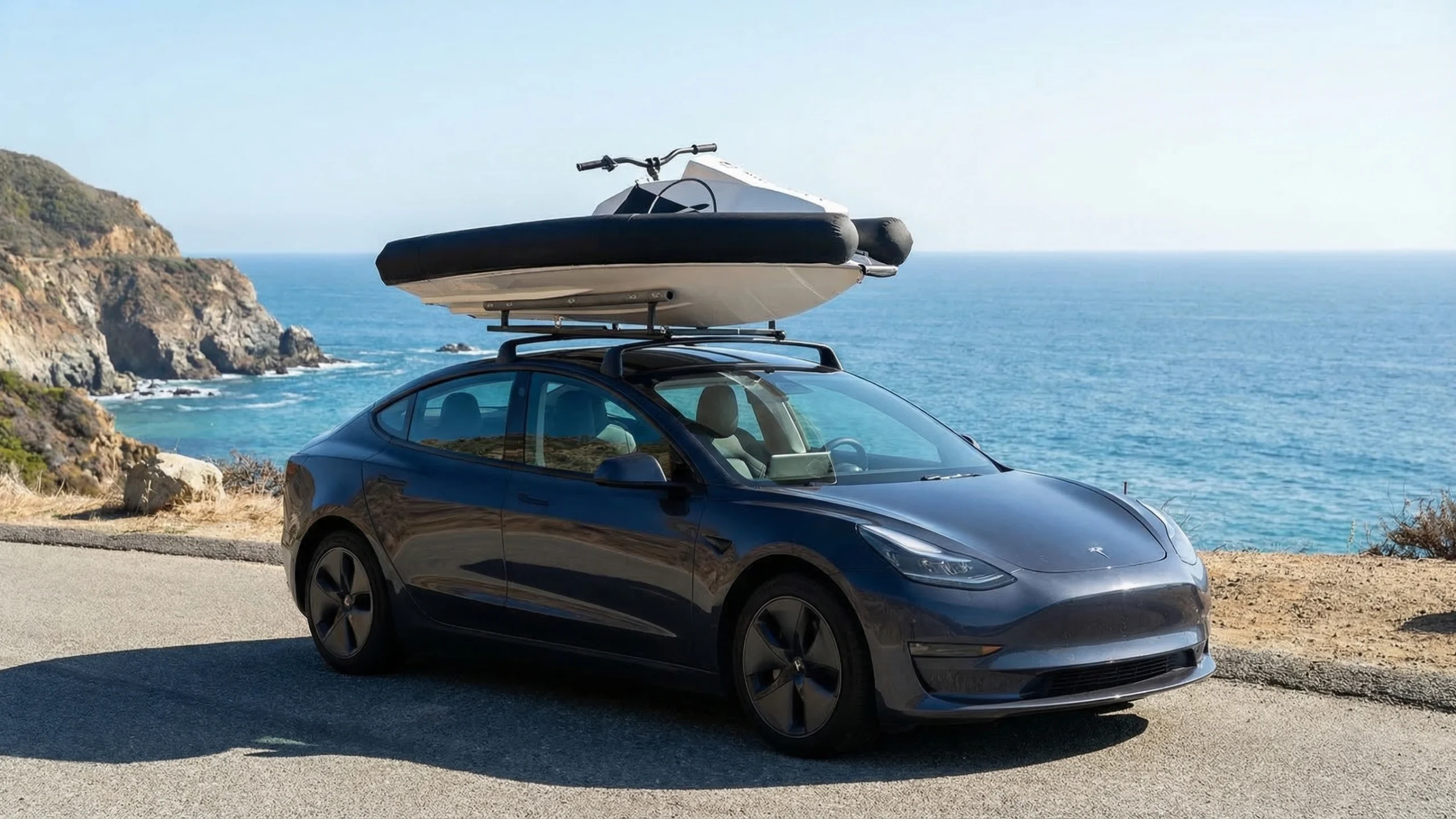
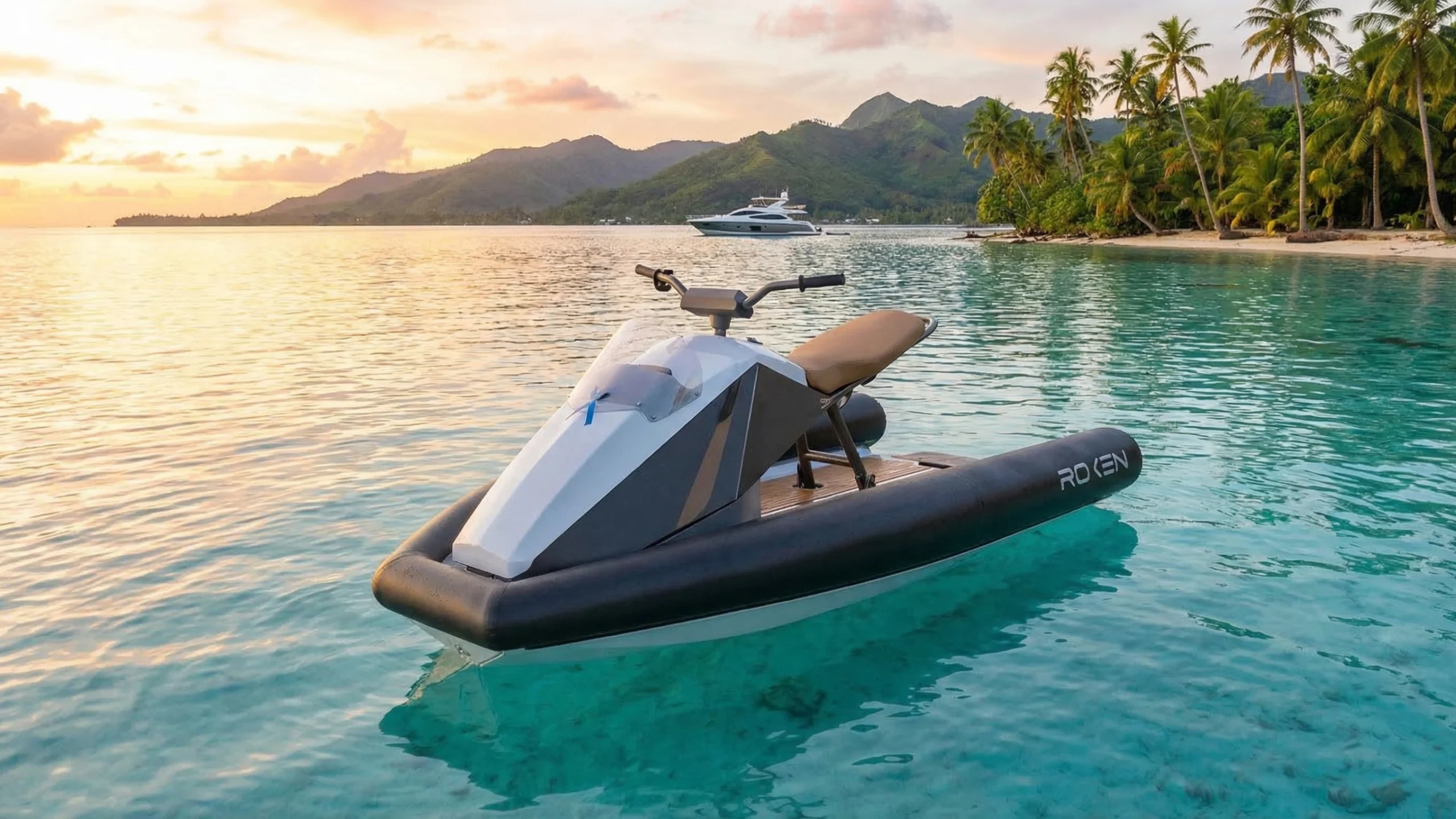
Roxen Innovations will begin serial production of its 205-pound Roxen electric personal watercraft in April 2026, limited to 200 units with 40 already pre-ordered. This lightweight design allows roof-rack transport on a standard car, eliminating trailers and enabling easy access to remote waters. Riders gain silent operation, low running costs of $2.10 per hour, and swappable batteries for extended use, addressing common complaints about noisy, heavy gas jet skis.
Background: Roxen Innovations Enters Electric Watercraft Market
Roxen Innovations, a Swedish startup founded by CEO Magnus Sundstedt, is launching its first product with a focus on lightweight electric personal watercraft (PWC). Unlike traditional jet skis built around combustion engines, Roxen engineered the ROXEN 01 from scratch for electric propulsion, prioritizing low weight, modularity, and efficiency. The company announced production start for April 2026, targeting 200 units in the first year to ensure quality during the transition from prototype to serial manufacturing.
Early market response is strong, with 40 pre-orders secured before production begins. Remaining units will be allocated first-come, first-served. Sundstedt states, “The interest we are seeing confirms that the market is ready for a lighter and smarter electric alternative.” Roxen’s approach rethinks marine mobility, using fewer materials for sustainability while delivering responsive performance. No prior company history is detailed beyond this debut product, positioning Roxen as a niche entrant challenging heavier electric and gas competitors.
Key Specifications
| Specification | Details |
|---|---|
| Weight (without battery) | 126 pounds (57 kg) |
| Weight (with battery) | 205 pounds (93 kg) |
| Battery | 5.25 kWh, 73 pounds (33 kg), swappable, 159 Wh/kg |
| Motor | 22 kW electric with jet propulsion |
| Top Speed | 34 mph (30 knots) |
| Cruise Speed | 17-23 mph (20 knots) |
| Range / Runtime | 19 miles or 60-90 minutes |
| Running Cost | $2.10 per hour |
| Dimensions (riding mode) | 8.2 x 4.1 x 3.3 feet |
| Dimensions (transport mode) | 8.2 x 3.8 x 2.1 feet |
| Hull Material | ABS plastic |
| Connectivity | 4G, LTE, GPS, geofencing, mobile app |
| Price | $21,200 |
| Warranty | 2 years |
| Production Start | April 2026 (200 units) |
Lightweight Engineering and Portability
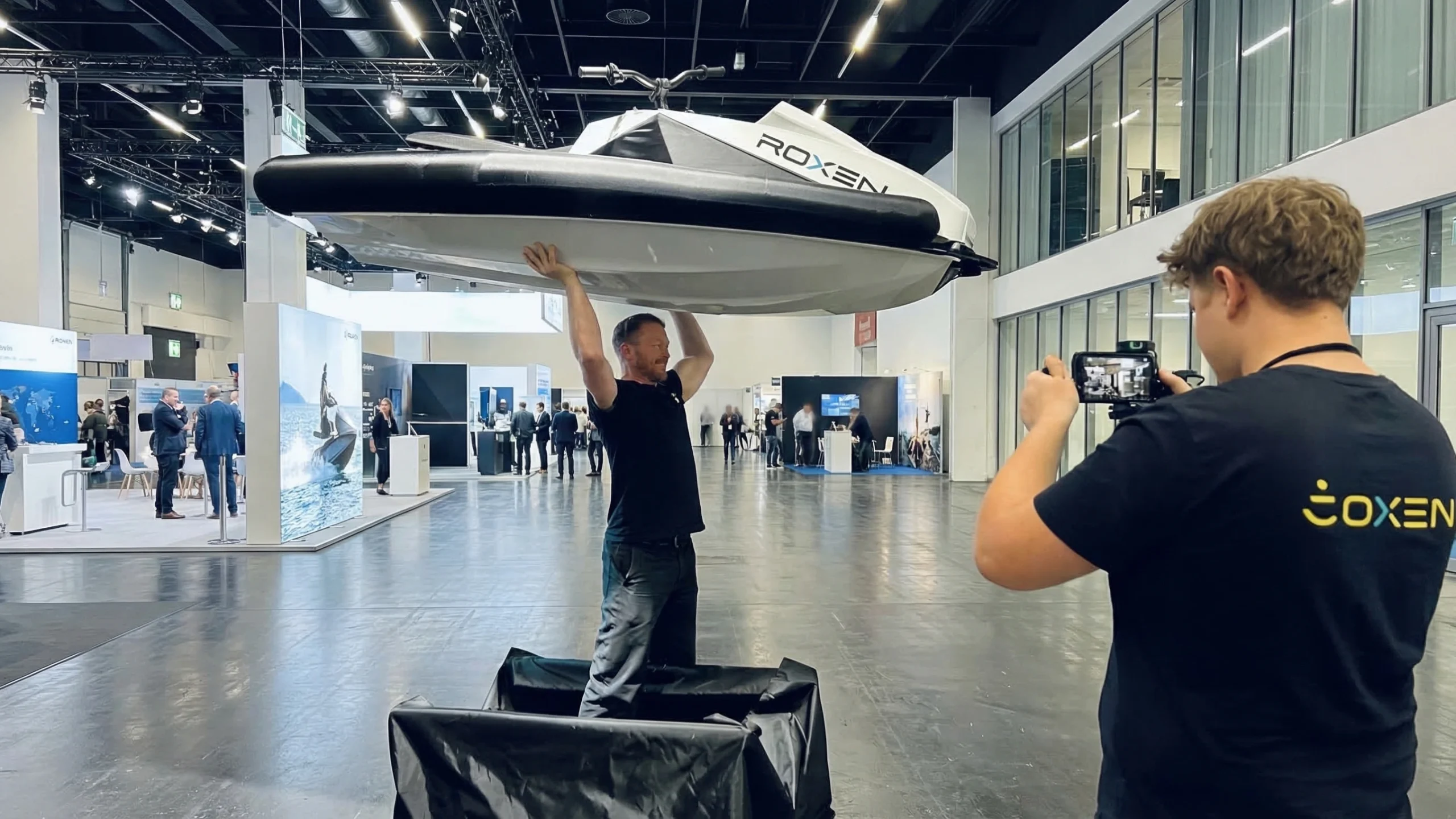
The Roxen’s standout feature is its weight: 126 pounds without the battery and 205 pounds fully loaded, up to four times lighter than traditional PWCs. This enables transport on a car roof rack without a trailer, shrinking to transport dimensions for easy handling. The ABS hull provides impact resistance, reparability via heat or plastic welding, and recyclability, while the battery is integrated structurally low in the hull for optimal balance and 159 Wh/kg energy density – the lightest per kWh in the marine toy market compared to competitors like Fliteboard (151 Wh/kg).
Jet propulsion avoids propellers, reducing marine life risk, and delivers instant torque for quick acceleration. Hydrodynamic design minimizes drag, enhancing efficiency and responsiveness. Maintenance is minimal: rinse off salt and annual motor check, with no oil or exhaust systems.
 News
News
Introducing the Guido: An Electrifying Work of Motorcycle Art
In the world of electric motorcycles, performance numbers like torque, battery capacity, and range often take center stage. But every...
 News
News
Tesla Troubles Deepen: Stock Plummets by One-Third in 2024, Xiaomi SU7 Poses Further Challenges
Tesla electric car shares of the maker fell 29% in the first three months of the year, marking the worst...
 Motocycles
The Honda Motocompacto: Retro Style Meets Modern Electric Mobility
Meet the Cutest Little Electric Scooter You’ve Ever Seen Are you a fan of quirky, retro vehicle designs? Do you...
Performance, Efficiency, and Tech Features
A 22 kW motor pushes top speeds of 34 mph, ideal for cruising at 17-23 mph with 60-90 minutes of runtime or 19 miles of range. Swappable 5.25 kWh batteries allow quick swaps versus hours of charging. Operating costs are $2.10/hour versus $30 for gas models, enabling weekend use without high fuel expenses.
Tech includes 4G/LTE/GPS for geofencing and app-based battery monitoring/remote diagnostics. Production warranty covers two years. At $21,200, it matches high-end gas models but offers lifetime savings on fuel and maintenance.
Comparison with Competitors
| Model | Weight (loaded) | Top Speed | Range | Price |
|---|---|---|---|---|
| Roxen | 205 lbs | 34 mph | 19 miles | $21,200 |
| Fliteboard (e-foil) | ~ heavier pack | Similar | Comparable | Higher |
| Awake (e-foil) | Lower Wh/kg | Similar | Shorter | Premium |
| Radinn (e-foil) | Lower Wh/kg | Similar | Shorter | Premium |
| Traditional Gas PWC | 800+ lbs | 50+ mph | Gas limited | $21,000 |
Roxen undercuts gas PWCs on weight/portability and e-foils on battery efficiency, though top speed trails gas. No direct lightweight PWC rivals match its car-top design.
Verdict
The Roxen delivers proven lightweight engineering for silent, efficient water fun, ideal for environmentally aware riders seeking trailer-free access and low costs. At $21,200 with April 2026 delivery, it’s for early adopters comfortable with 34 mph limits and 90-minute runs – best as a yacht tender or lake cruiser. Unanswered: exact pre-order process, full charge time, and real-world range tests post-production.