
Solid-State Batteries: Myth, Marketing — or a Real Breakthrough?
The electric vehicle industry loves big promises. Few buzzwords have been abused more than “solid-state battery.” For years, it has been the EV world’s equivalent of a unicorn: endlessly teased, rarely seen, and never delivered at scale.
That’s why the latest announcement from Verge Motorcycles landed like a thunderclap.
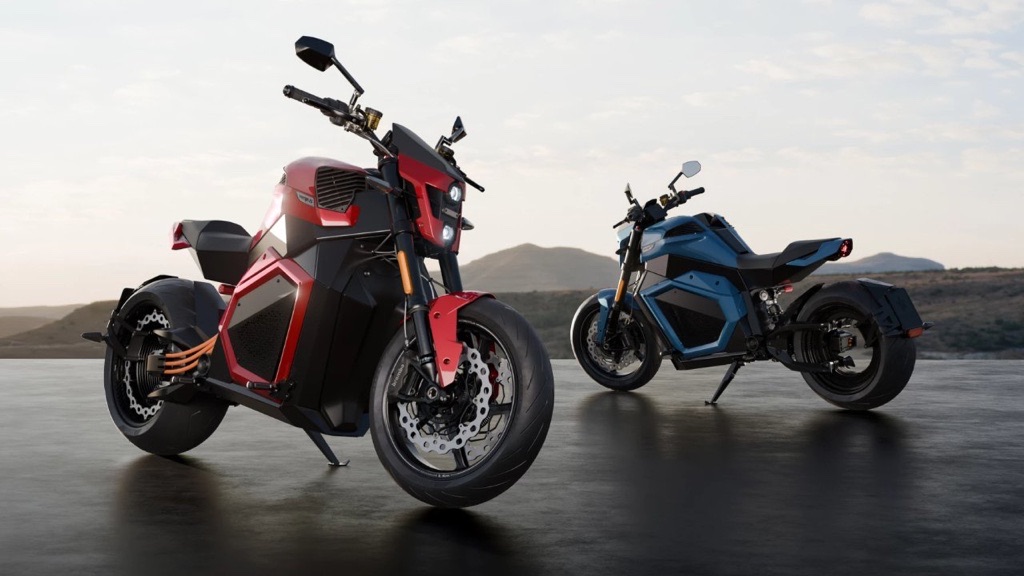
The Finnish brand — famous for its futuristic, hubless-wheel motorcycles — claims it has done what giants like Toyota and Volkswagen are still working toward: launching a production electric motorcycle powered by a solid-state battery.
If true, this would be a historic first.
Verge Motorcycles: The Company That Rewrote the Rear Wheel
Verge is not a conventional motorcycle manufacturer. It is the company that looked at a rear wheel and decided that hubs, spokes, and conventional logic were optional.
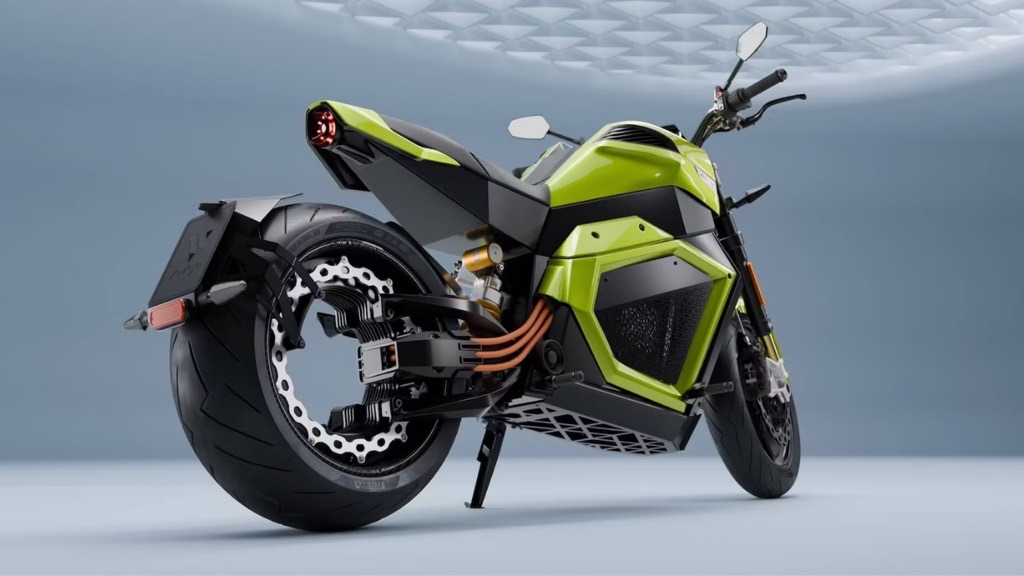
Its signature technology is the Donut motor — a hubless rear wheel where the electric motor is integrated directly into the rim. The result is a striking design that looks like it escaped from a sci-fi film set and accidentally landed on public roads.
Now, Verge claims the biggest innovation isn’t the wheel — but what powers it.
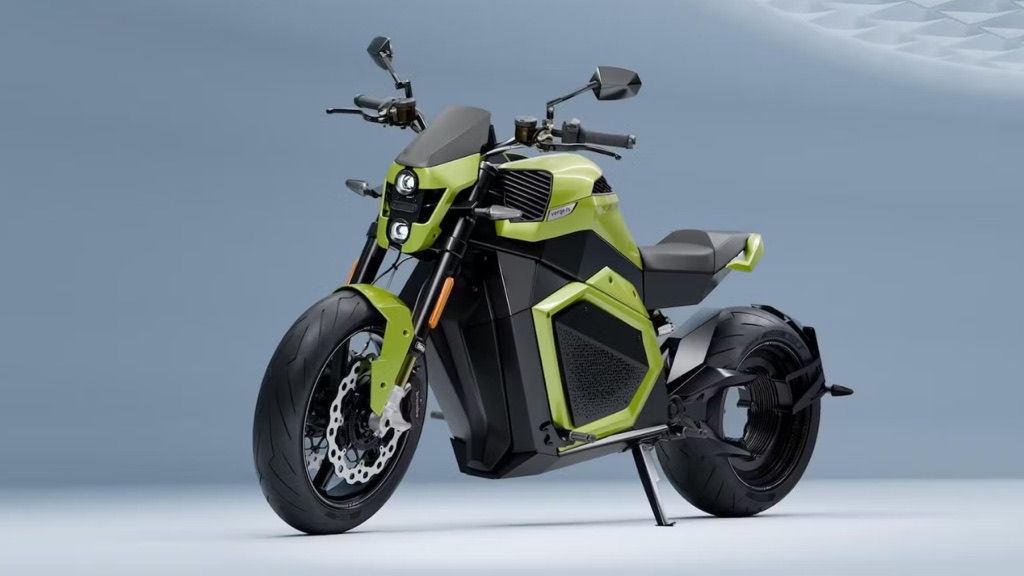
The Big Claim: The World’s First Solid-State Battery Motorcycle
According to Verge, the updated TS Pro is the world’s first production motorcycle equipped with a solid-state battery.
Instead of a liquid electrolyte (used in conventional lithium-ion cells), Verge’s battery uses a solid electrolyte, developed in partnership with Donut Lab, a technology firm founded by the same team behind Verge.
Why Solid-State Batteries Matter
| Advantage | Why It’s Important |
|---|---|
| Higher energy density | Longer range without larger batteries |
| Improved safety | Near-zero risk of thermal runaway |
| Faster charging | High power input without overheating |
| Better temperature stability | More consistent performance |
This is why solid-state batteries are widely considered the “holy grail” of electric mobility.
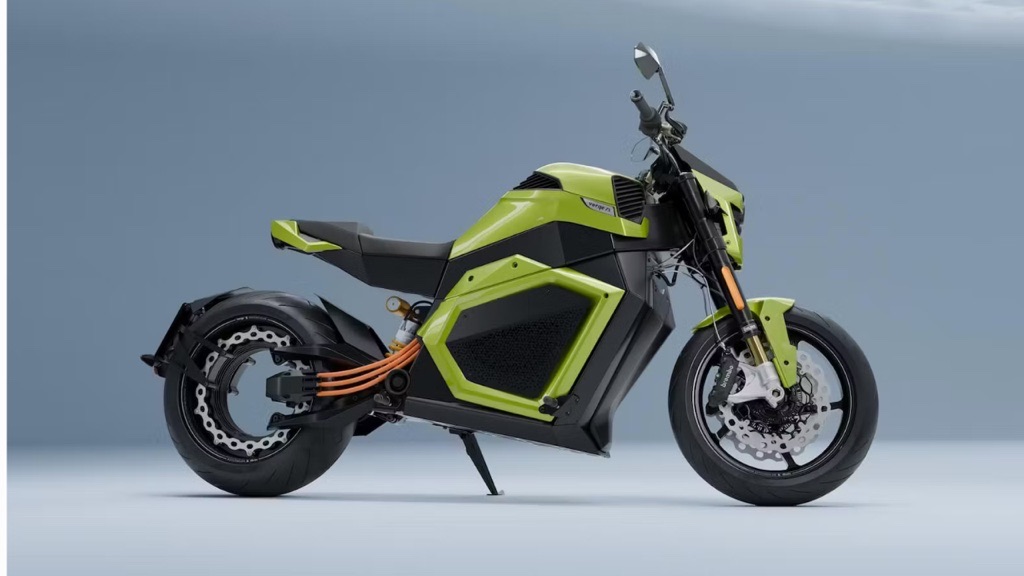
Verge TS Pro: Claimed Specifications That Raise Eyebrows
This is where the announcement becomes truly provocative. Verge’s claimed figures would place the TS Pro in a league of its own.
Verge TS Pro (Solid-State) – Claimed Specs
| Specification | Value |
|---|---|
| Claimed range | Up to 370 miles (≈595 km) |
| Fast charge gain | 186 miles in 10 minutes |
| Torque | 737 lb-ft (1,000 Nm) |
| 0–62 mph | 3.5 seconds |
| Rear motor | Hubless “Donut” motor |
| Battery type | Solid-state |
| Availability | Early 2026 (claimed) |
| Price (est.) | $29,900–$35,000 |
A 370-mile range would be nearly double what most current electric motorcycles can achieve in real-world riding — effectively eliminating range anxiety.
Power Without Compromise
High efficiency often comes at the cost of performance. Verge says that’s not the case here.
The TS Pro retains its 737 lb-ft of torque, delivered instantly through the rear wheel. While 0–62 mph in 3.5 seconds won’t dethrone hypersport superbikes, it is more than fast enough to feel genuinely aggressive — and borderline irresponsible — in urban riding.
 Motocycles
Royal Enfield “Flying Flea” Electric Motorcycle: A Bold Leap or a Mid-Air Mishap?
Royal Enfield has long been synonymous with classic motorcycles. Known for rugged, timeless designs that have seen riders through decades...
 News
News
The Felo TOOZ Electric Motorcycle Promises to Shatter Range Anxiety
You know how every manufacturer out there is trying to outdo each other with press release claims of ridiculous speed...
 Motocycles
Harley’s LiveWire S2 Electric Motorcycle
Electric motorcycles have often been viewed as the quirky friend with an “interesting” haircut – well-intentioned but somewhat eccentric. Harley-Davidson’s...
The updated Donut motor is also claimed to be 50% lighter than before, reducing unsprung mass and potentially transforming handling, which earlier Verge models were known to prioritize stability over agility.
Safety: A Key Solid-State Advantage
Electric motorcycle fires are rare, but when they happen, they tend to be dramatic.
Verge claims that its solid-state battery architecture virtually eliminates the risk of thermal runaway, one of the most serious concerns with liquid-electrolyte lithium-ion batteries.
For riders, this is more than a spec-sheet win — it’s peace of mind, especially when sitting inches above a high-energy battery pack.
Skepticism Is Justified — and Necessary
Here’s the reality check.
Major players like:
-
Toyota
-
Volkswagen
-
QuantumScape
-
Ducati
have been teasing solid-state battery timelines for years, often pushing commercialization to 2028–2030 or beyond.
For a relatively small Finnish motorcycle startup to leapfrog the global automotive industry would be extraordinary.
The CTO of Donut Lab, Ville Piippo, insists this is not a concept, not a prototype, and not a future promise — but a production-ready solution.
History suggests caution.
Pricing and Positioning: Innovation Comes at a Cost
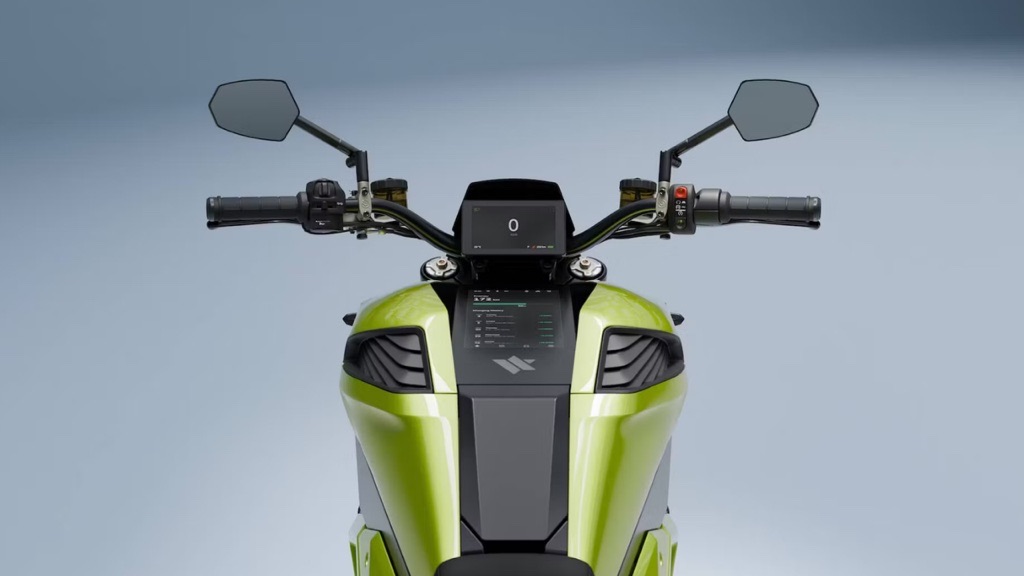
The Verge TS Pro already starts around $29,900. The rumored solid-state “Large Battery” version could push pricing close to $35,000.
That places the bike firmly in:
-
Premium motorcycle territory
-
Entry-level luxury car pricing
This is not mass-market technology — at least not yet.
What This Could Mean for the Industry
If Verge delivers on even 70% of its claims, the implications are enormous:
-
Electric motorcycles become viable for long-distance touring
-
Fast charging removes the final usability barrier
-
Solid-state batteries leap from labs to roads years ahead of schedule
If the claims fall apart under real-world testing, Verge risks becoming another cautionary tale of overpromised EV tech.
Final Verdict: Revolutionary — If It’s Real
The Verge TS Pro with a solid-state battery sounds too good to be true.
But so did:
-
The internet
-
Smartphones
-
Electric cars beating supercars off the line
Until riders are logging 300+ mile days without tow trucks or disclaimers, skepticism is healthy.
Still, if a group of Finns really did reinvent both the wheel and the battery, the rest of the industry may be about to look very, very slow.