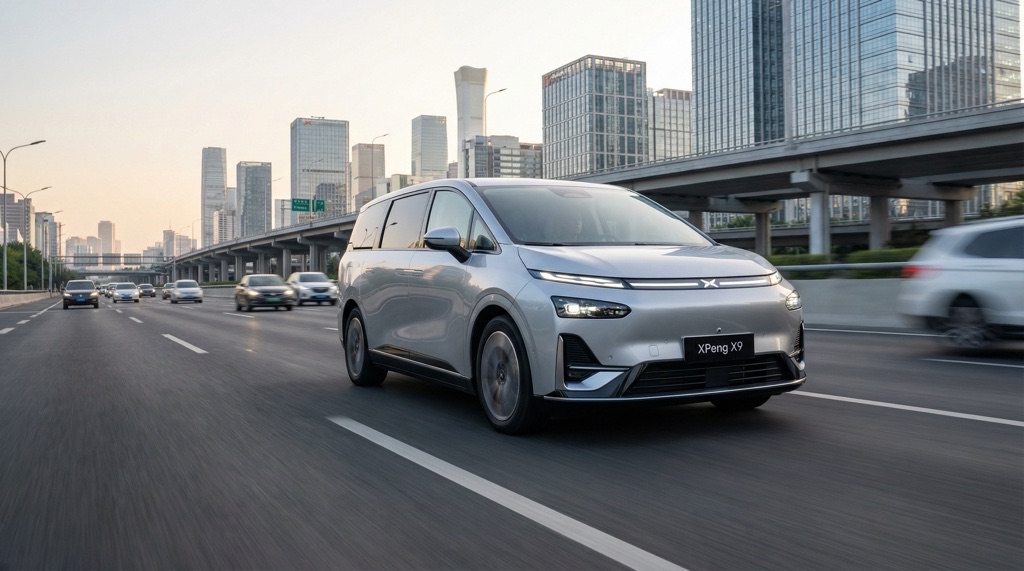
XPeng has opened pre-orders for the 2026 X9 battery electric vehicle (BEV), positioning it as the world’s longest-range pure-electric seven-seater with a maximum CLTC range of 750 km. The new model represents a significant upgrade from the extended-range variant launched two months earlier, introducing an 800-volt platform, advanced AI computing, and active rear-wheel steering to compete directly with premium family EVs globally.
The Extended-Range Strategy Pays Off
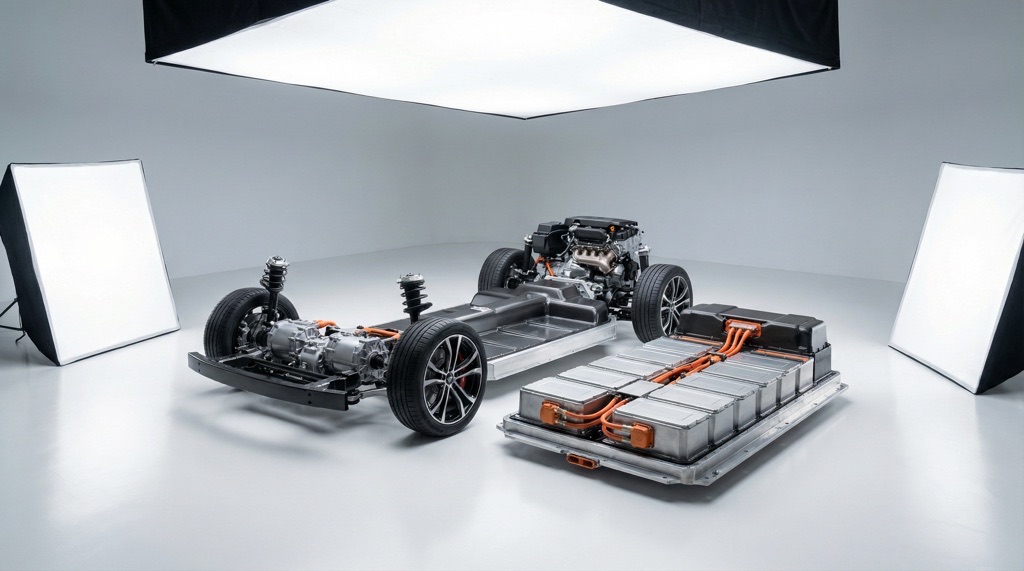
XPeng’s decision to launch the extended-range electric vehicle (EREV) version of the X9 first—with over 1,000km CLTC range and 670 hp dual-motor AWD performance—has established market momentum for the brand’s flagship MPV family. The EREV model, priced around ¥479,900 (~$67,000 USD), combines a 2.0-liter turbocharged engine with a 108.3 kWh LFP battery to deliver 3.5-second 0-100km/h acceleration and 10-80% charging in 20 minutes at 400kW. Now, the pure-electric variant arrives to capture buyers prioritizing zero-emission driving without range anxiety.
This two-pronged approach mirrors successful strategies from competitors like BYD and Li Auto, allowing XPeng to serve different customer segments—long-distance road-trippers and daily urban commuters—within a single model line. The timing is strategic: as Chinese EV makers intensify competition in the premium MPV segment, XPeng’s X9 family positions itself against the Zeekr 009, Denza D9, and increasingly, Tesla’s Model X for families seeking seven-seat luxury.
Technical Specifications: AI and Efficiency Lead the Charge
| Specification | Detail |
|---|---|
| Range (CLTC) | 750 km maximum |
| Platform | 800-volt architecture |
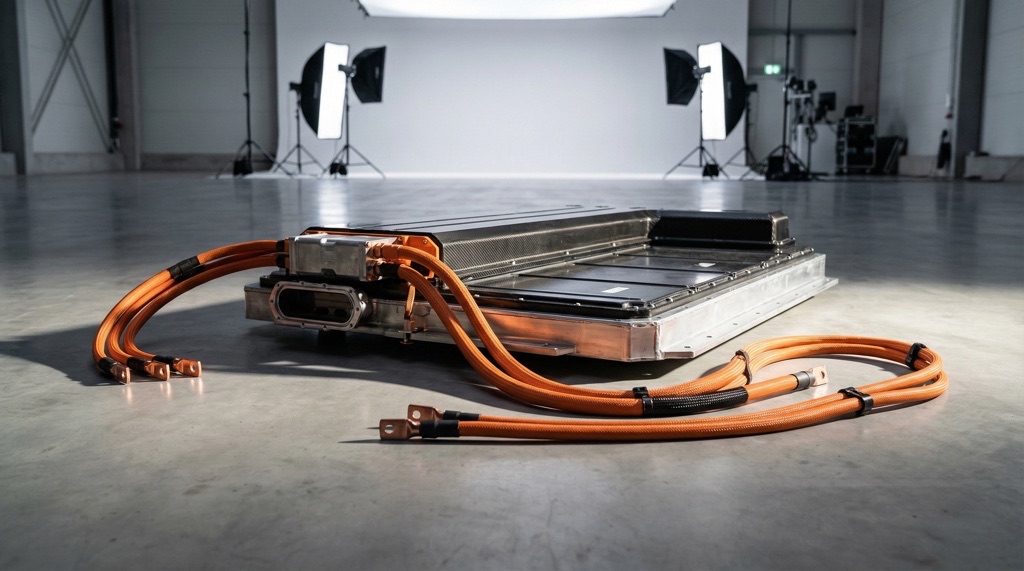
| AI Computing | Turing AI chip (2250 TOPS effective computing power) |
| Charging | 5C supercharging capability |
| Energy Efficiency | 15.9 kWh per 100 km (CLTC) |
| Powertrain (FWD) | 235 kW (315 hp) / 450 Nm |
| Powertrain (AWD) | FWD 235 kW + RWD 135 kW (181 hp) / 190 Nm additional |
| Seating | 7 seats |
| Boot Space | 755L (2,554L with third-row seats folded) |
| Infotainment | 21.4″ passenger screen + 17.3″ central control |
| Safety | Active rear-wheel steering, dual-chamber air suspension |
The 2026 X9 BEV’s standout feature is its Turing AI chip, delivering 2250 TOPS of effective computing power. This represents XPeng’s push toward autonomous driving capabilities, complementing the vehicle’s active rear-wheel steering system—a technology typically reserved for premium sedans and SUVs. The 800-volt platform enables 5C supercharging, meaning the battery can theoretically accept charge at five times its capacity per hour, though real-world charging speeds depend on infrastructure availability in China.
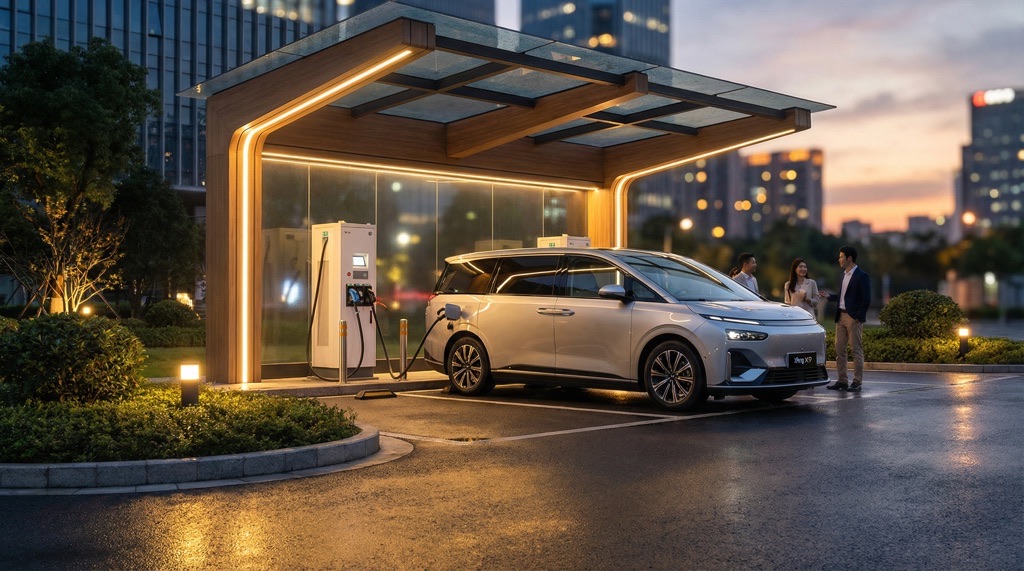
Energy efficiency of 15.9 kWh per 100 km (CLTC) is competitive for a seven-seater, though CLTC ratings are notoriously optimistic compared to WLTP standards used in Europe and Malaysia. The Malaysian market variant achieves 590 km WLTP range with a 105 kWh battery, suggesting the 750 km CLTC figure translates to approximately 450-500 km real-world range under mixed driving conditions—still impressive for a family MPV.
The AI Advantage in a Crowded Market
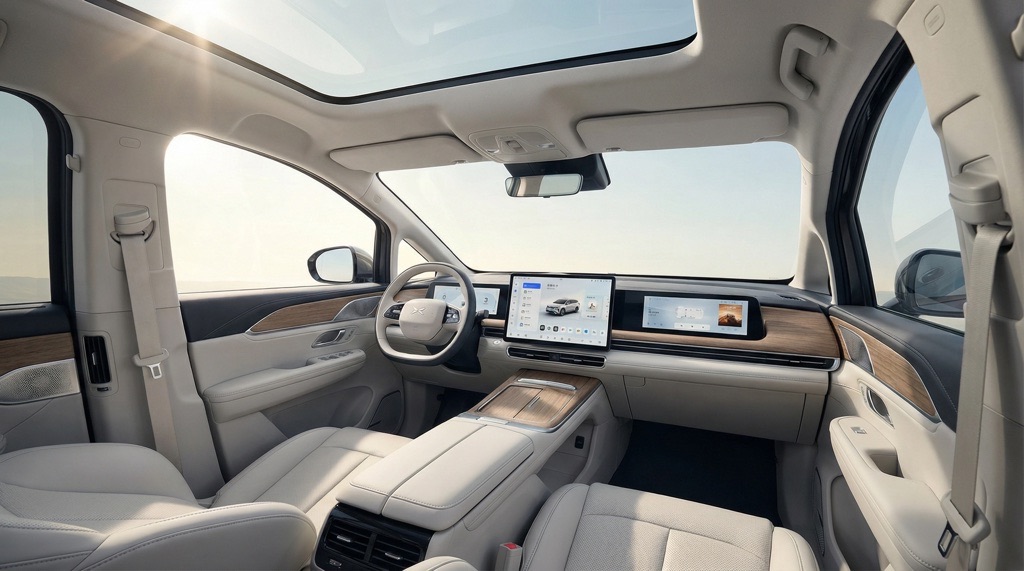
XPeng’s emphasis on the Turing AI chip signals a strategic differentiation point. While competitors like BYD focus on battery technology and Li Auto emphasizes extended-range practicality, XPeng is betting on autonomous driving features and intelligent cockpit experiences to justify premium pricing. The dual NVIDIA DRIVE Orin chipsets mentioned in earlier X9 specifications (508 TOPS computing power) suggest the 2026 BEV may receive upgraded autonomous driving hardware, though XPeng has not yet confirmed specific autonomous capabilities for this variant.
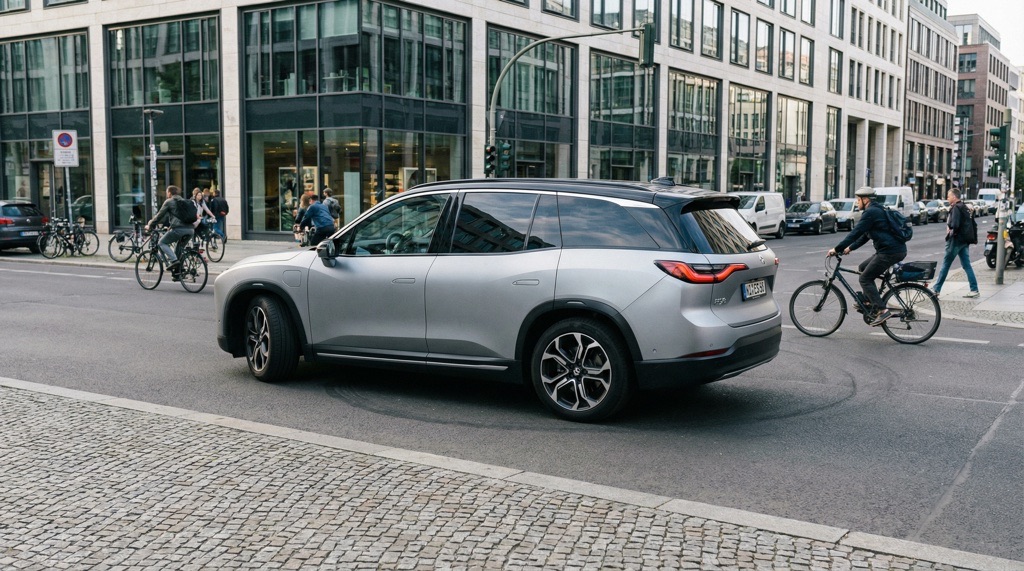
The active rear-wheel steering system addresses a critical pain point for seven-seater owners: maneuverability in urban environments. The EREV variant achieves a 5.4-meter turning radius despite its 5,316mm length—comparable to mid-size sedans. The BEV variant likely inherits this advantage, making it genuinely practical for city driving despite its MPV proportions.
 Cars
Cars
Audi’s New Electric Roadster Concept C: The Future of Sports Cars Is Electric
Audi has officially unveiled its new electric roadster, the Audi Concept C, and it’s everything fans of the brand have...
 News
News
BYD Atto 3 Evo Doubles Power to 443 HP While Keeping Prices Competitive
BYD’s 2026 Atto 3 Evo Delivers Supercar Acceleration in a Family SUV The 2026 BYD Atto 3 Evo represents a...
 Cars
Cars
Toyota Doubles EV Lineup With C-HR and bZ Woodland: But Are They Worth the Premium Over Subaru Twins?
Toyota Finally Expands Its US Electric Lineup—With a Catch Toyota is doubling down on electric vehicles for 2026, introducing two...
Pricing and Market Positioning: Details Not Yet Confirmed
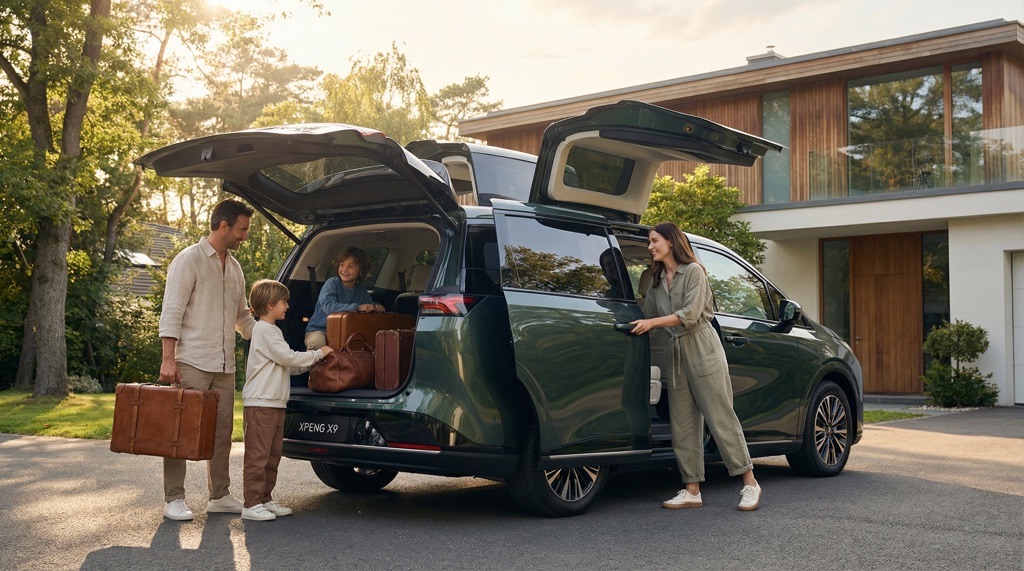
XPeng has not yet announced official pricing for the 2026 X9 BEV. The EREV model starts at ¥479,900 (~$67,000 USD), suggesting the pure-electric variant will likely command a premium—potentially ¥520,000-600,000 range—given its longer range, advanced AI hardware, and 800-volt platform. Exact pricing, trim levels, and delivery timelines remain details not yet confirmed by the company.
Pre-order customers in China will provide crucial market feedback on demand elasticity. If the BEV variant attracts significant orders despite higher expected pricing, it validates XPeng’s AI-first positioning. If EREV variants continue outselling the pure-electric model, it suggests Chinese consumers still prioritize range flexibility over zero-emission credentials for family vehicles.
Competitive Landscape: A Three-Way Battle
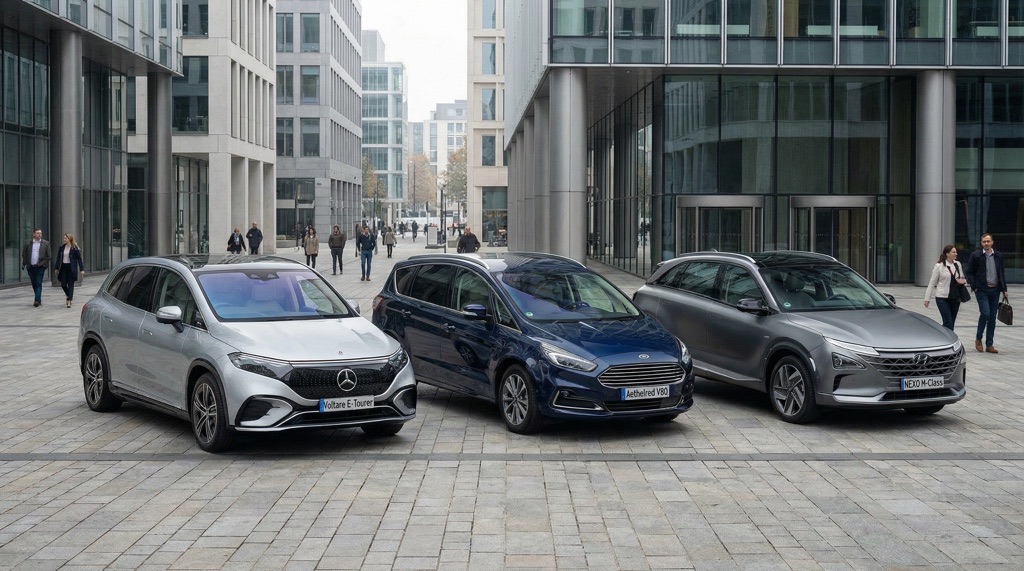
The 2026 X9 BEV enters a competitive segment dominated by three players:
Zeekr 009 (Li Auto’s premium EV brand): Offers extended-range variants with 1,000+ km range but lacks the pure-electric option’s zero-emission appeal. The Zeekr 009 prioritizes practicality over autonomous driving features.
Denza D9 (BYD’s premium EV brand): Available in both pure-electric and DM-i hybrid variants, with strong battery technology credentials. The D9 emphasizes luxury interior design and BYD’s blade battery safety advantages.
Tesla Model X (imported variant): Offers 575 km range (CLTC) with superior Supercharger infrastructure in China, but lacks the seven-seat practicality and costs significantly more (¥749,900+ for comparable range).
The X9 BEV’s 750 km CLTC range claim positions it as the longest-range option in this segment, though real-world range parity with competitors likely narrows this advantage. XPeng’s differentiation lies in AI capabilities and active steering rather than raw range supremacy.
Unanswered Questions and Market Uncertainties
Several critical details remain unclear. First, what is the actual battery capacity of the 750 km variant? The Malaysian market X9 uses a 105 kWh battery for a 590 km WLTP range; a 750 km CLTC variant likely requires 110-120 kWh, but XPeng has not confirmed this specification. Second, how does the Turing AI chip translate to concrete autonomous driving features? Marketing claims about computing power mean little without defined Level 3+ autonomous capabilities. Third, what is the real-world range under WLTP testing? CLTC ratings inflate the actual range by 30-40% compared to European standards.
Additionally, the active rear-wheel steering system’s effectiveness in a 5,316mm vehicle requires independent testing. While theoretically improving maneuverability, real-world benefits depend on steering angle range and response calibration—details XPeng has not disclosed.
Verdict: Premium AI-First Family EV for China’s EV-Native Buyers
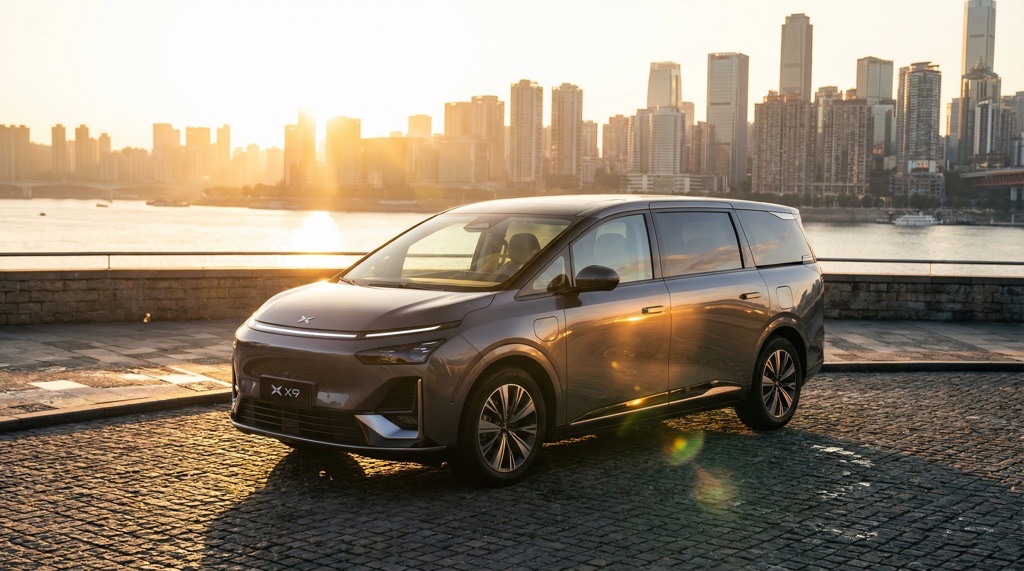
The 2026 XPeng X9 BEV targets affluent Chinese families who prioritize autonomous driving technology, charging infrastructure confidence, and brand prestige over absolute range maximization. It is not for buyers seeking the cheapest seven-seater EV—BYD’s Denza D9 and Zeekr 009 offer better value. It is for early adopters willing to pay premium pricing for XPeng’s AI ecosystem, active steering innovation, and the psychological comfort of zero-emission family travel. Success depends on whether the Turing AI chip delivers tangible autonomous driving features that justify the expected ¥550,000+ price point, and whether 750 km CLTC range translates to 450+ km real-world WLTP performance. Pre-order numbers will reveal whether Chinese consumers view AI computing power as a luxury feature worth the premium.