
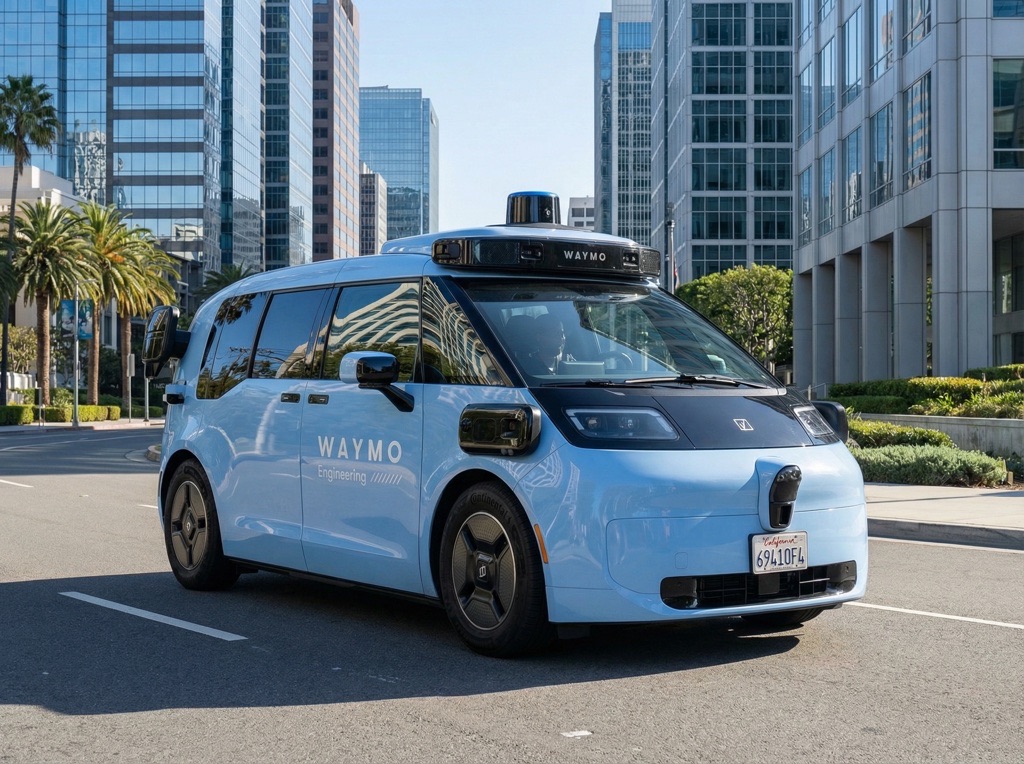
Waymo’s robotaxis rely on remote “guidance” from operators in the Philippines, as admitted by its safety chief during a February 2026 US Senate hearing. This revelation, alongside the company’s shift to Chinese-made Zeekr minivans, has sparked concerns over safety, cybersecurity, and job outsourcing among lawmakers. For EV enthusiasts and urban mobility watchers, it challenges the narrative of fully autonomous driving and highlights ongoing human dependencies in Level 4 systems.
Background: Waymo’s Rise and Current Challenges
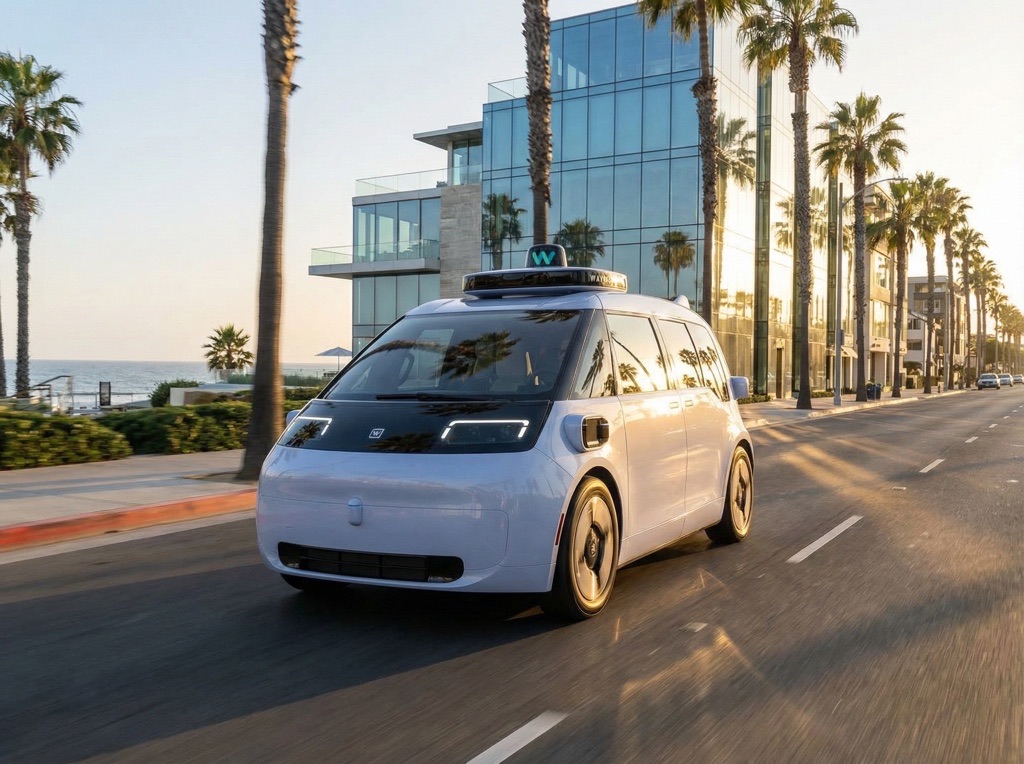
Waymo, a subsidiary of Alphabet (Google’s parent), has positioned itself as the leader in autonomous ride-hailing, operating several thousand robotaxis across ten US metropolitan areas, including San Francisco, Phoenix, and Los Angeles. The company has been upfront about its “fleet response” system, likening it to a “phone-a-friend” in a May 2024 blog post, where human agents provide input on complex road situations without directly controlling the vehicle.
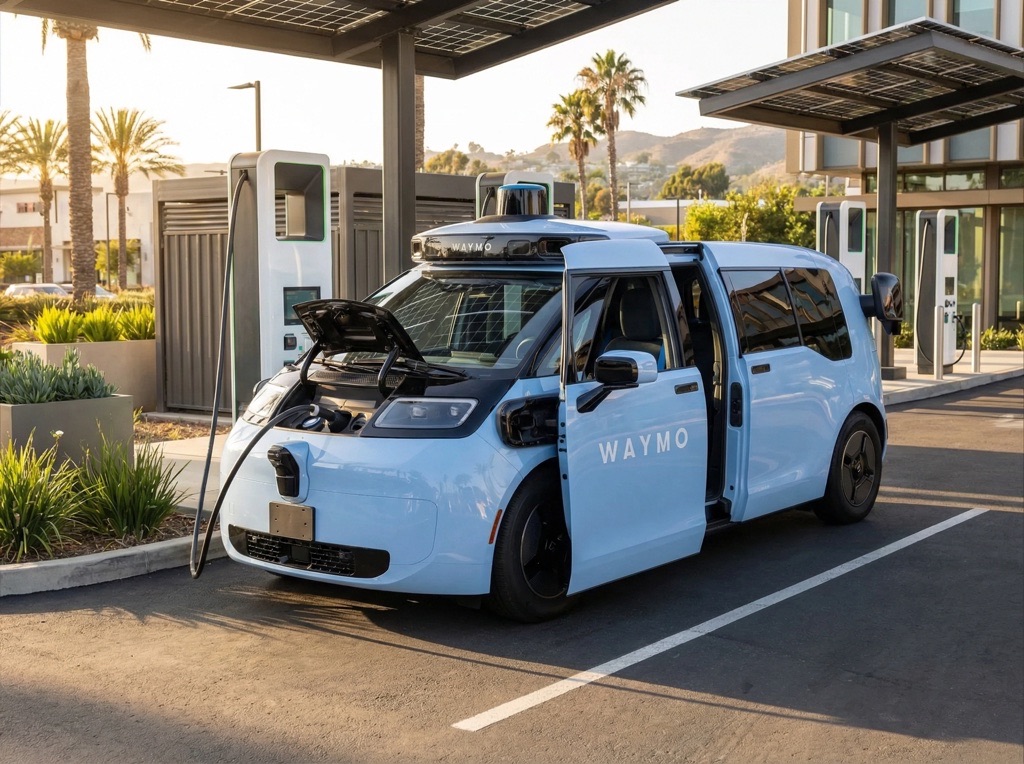
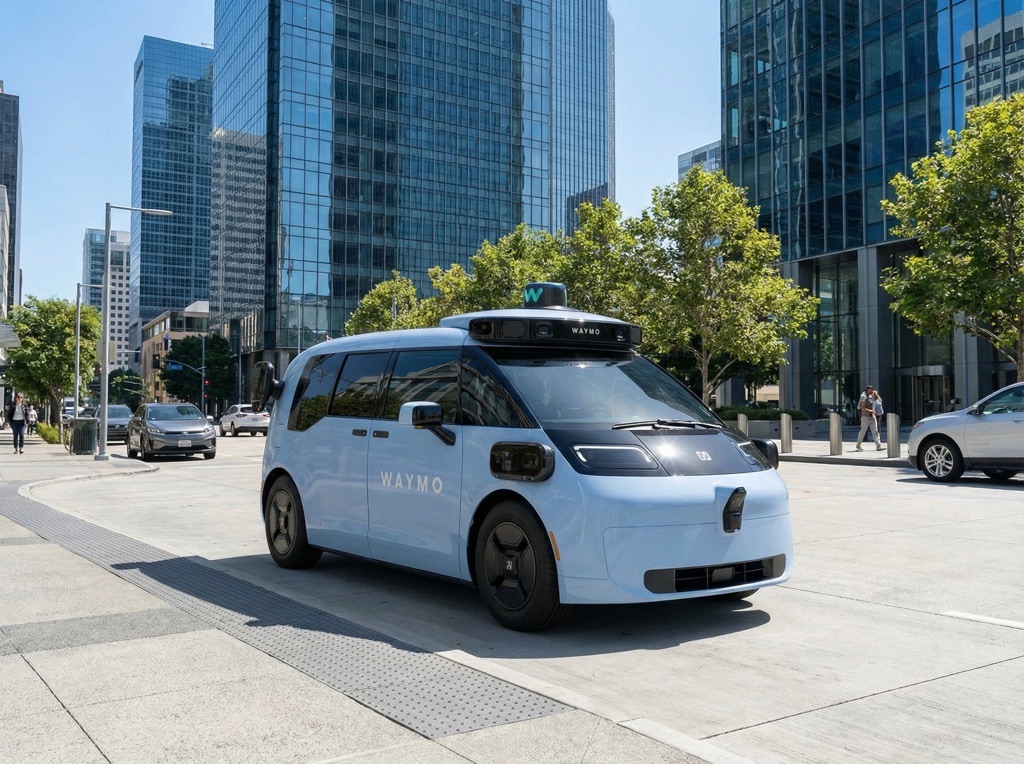
The February 2026 Senate Commerce Committee hearing brought these operations under scrutiny. Waymo Safety Chief Mauricio Peña testified that while the vehicle remains “in charge,” remote agents – some based in the US and others in the Philippines – offer guidance in edge cases. This comes amid broader tensions: Waymo is transitioning from Jaguar I-Pace SUVs to Zeekr minivans produced by Geely, a Chinese automaker, drawing irony from claims of a US-China tech race.
Senator Bernie Moreno (R-OH) highlighted the contradiction, stating, “We’re locked in a race with China, but it seems like you’re getting in bed with China.” Senator Ed Markey (D-MA) raised alarms on safety, arguing that overseas operators introduce cybersecurity risks and outdated information, questioning if they hold US drivers’ licenses. A recent incident – a Waymo robotaxi striking a child near a Santa Monica school – has prompted a federal probe, amplifying public safety debates.
Key Specifications: Waymo’s Fleet Response and Vehicle Shift
| Aspect | Details |
|---|---|
| Remote Operators Location | US and the Philippines |
| Operator Role | Provide “guidance” on road situations; vehicle controls, driving tasks |
| Operator Requirements | Passenger car/van license; background checks, drug screening, driving record review |
| New Vehicle Platform | Zeekr minivan (Geely-owned, China) |
| Previous Vehicle | Jaguar I-Pace (phasing out) |
| Fleet Size | Several thousand vehicles in 10 US cities |
| Recent Incident | Robotaxi struck a child in Santa Monica, CA (federal probe ongoing) |
Analysis: Safety Implications of Remote Guidance
Waymo emphasizes that remote agents do not “drive” vehicles; they supply contextual inputs, with the autonomous system retaining control over steering, acceleration, and braking. Peña stated, “The Waymo vehicle is always in charge.” However, critics like Markey argue this blurs lines, potentially delaying responses in crashes – is it a software glitch or operator error?
Waymo’s spokesperson confirmed operators undergo thorough vetting, including criminal background checks and random drug tests. Yet unanswered questions persist: the exact number of Philippines-based staff, latency in remote inputs, and integration with US traffic laws. Cybersecurity looms large; overseas operations could expose fleets to hacking, as noted by lawmakers.
Analysis: Geopolitical and Supply Chain Concerns
The Zeekr partnership underscores supply chain realities in EVs. Geely’s ownership raises regulatory flags, with Moreno suggesting it might bypass US connected-vehicle rules. Waymo frames it as pragmatic scaling, but it fuels “US vs. China” debates in autonomous tech.
Tesla’s Lars Moravy, also testifying, defended similar remote systems, noting embedded controls prevent external access and citing hacking challenges. He criticized outdated US regs hindering innovation. Both companies reveal that Level 4 autonomy still needs humans, pausing visions of 100% driverless fleets.
Analysis: Labor and Economic Impacts
Markey decried job offshoring: “It’s one thing when a taxi is replaced by Uber… another when jobs go completely overseas.” Waymo’s model could displace US ride-share roles while creating low-wage remote gigs abroad. Details on operator pay or training remain unconfirmed.
Comparison with Competitors
Waymo vs. Tesla: Both use remote assistance, but Tesla paused unsupervised robotaxi rides recently, requiring in-car safety monitors. Tesla focuses on domestic operations and hacking defenses, avoiding Chinese vehicles publicly.
Waymo vs. Cruise (GM): Cruise suspended operations after 2023 incidents; relies more on on-site teleoperations, facing fewer outsourcing critiques but similar safety probes.
Waymo vs. Zoox (Amazon): Zoox tests bidirectional vehicles without steering wheels, but deploys supervised pilots; no confirmed offshore reliance.
Verdict
Waymo leads robotaxi deployment but its Philippines guidance and Chinese vehicles expose vulnerabilities in the “driverless” promise – safety hinges on vetted humans abroad, not flawless AI. Ideal for tech-forward cities embracing supervised autonomy, but regulators and consumers wary of cybersecurity or delays should demand transparency on operator stats and latency tests. Until fully unsupervised, it’s assisted driving, not ghost rides.