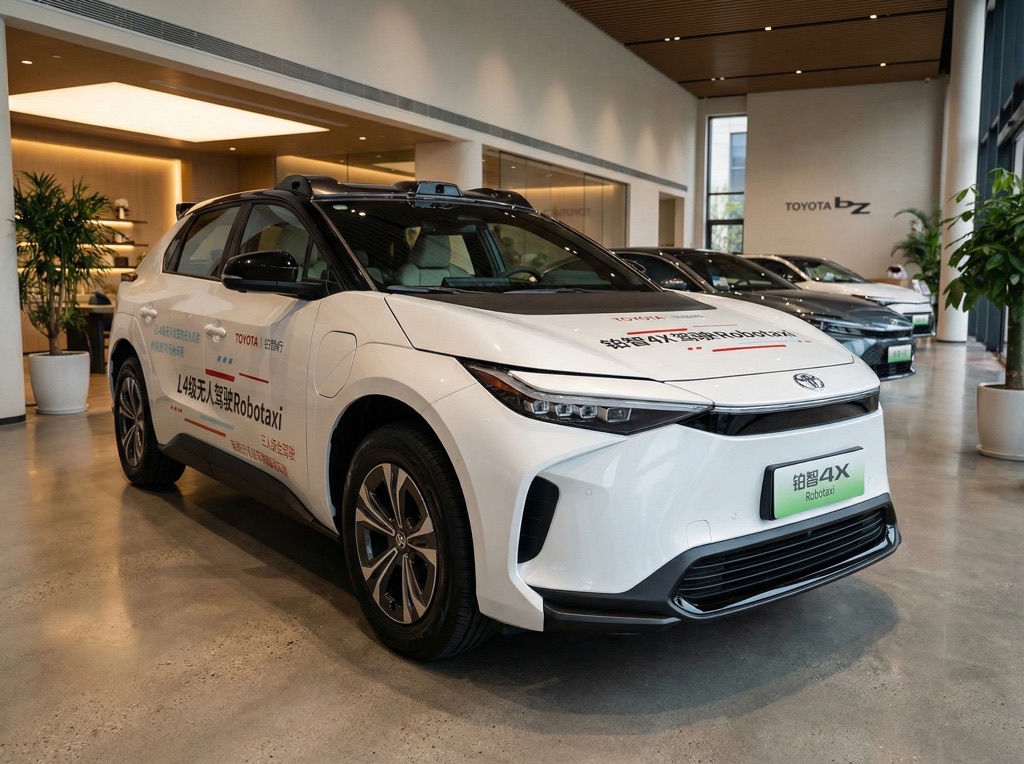

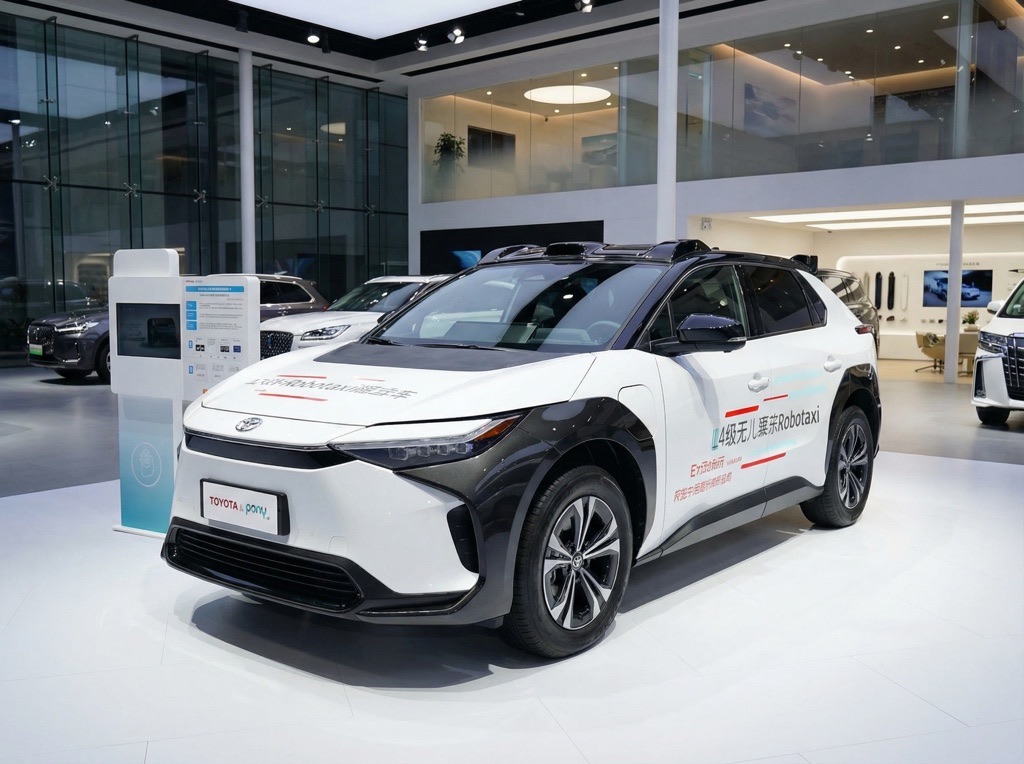
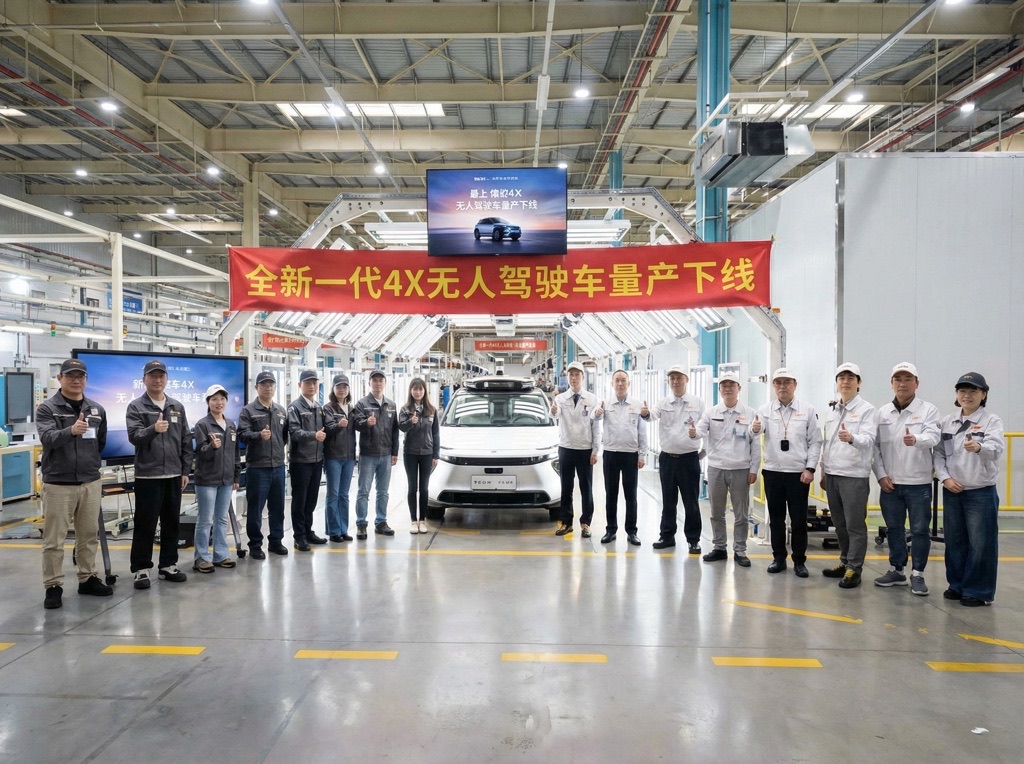
The first mass-produced Toyota bZ4X robotaxi, developed by GAC Toyota and Pony.ai, has rolled off the production line, marking the start of scaled deployment in China’s Tier-1 cities. Equipped with Pony.ai’s seventh-generation autonomous driving system, these vehicles aim for a fleet of over 1,000 units in 2026, expanding to thousands by year-end. This milestone advances driverless mobility in dense urban environments, potentially reducing costs and improving safety over human-driven taxis.
Background: Toyota-Pony.ai Partnership Evolution
Toyota’s collaboration with Pony.ai dates back to 2019, with a significant €341 million investment in early 2020 to support the startup’s growth. Initially, Pony.ai tested its tech on Toyota Sienna and Lexus RX450h vehicles, building experience in cities like Beijing, Shanghai, Guangzhou, and Shenzhen. In April 2024, Pony.ai, Toyota China, and GAC Toyota formed Zhuifeng Intelligent Tech (Guangzhou) Co., a joint venture with over 1 billion yuan in investment for Level 4 robotaxi production.
Pony.ai has scaled rapidly: from 200 vehicles in 2024 to nearly 1,000 by end-2025, targeting 3,000 by end-2026 and 100,000 by 2030, when CEO Wang Haojun expects profitability. The bZ4X robotaxi concept was unveiled in November 2023, leveraging Toyota’s electric SUV platform for mass production at a global Toyota plant.
Key Specifications
| Specification | Details |
|---|---|
| Base Vehicle | Toyota bZ4X electric SUV |
| Autonomous System | Pony.ai 7th-generation L4 (fully driverless) |
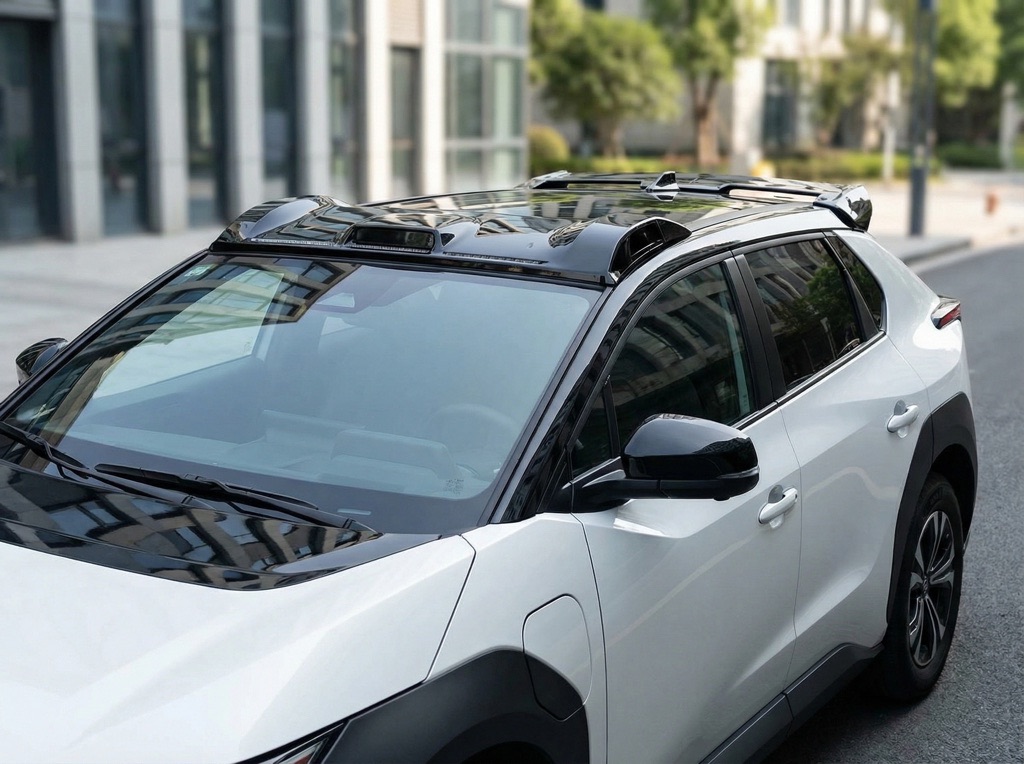
| Sensors (Prior Gen Reference) | 4 roof LiDAR, 3 blind-spot LiDAR, 3 long-range radar, 11 cameras |
| Key Features | Bluetooth unlocking, voice interaction, online music, pre-trip climate control, smoother acceleration/braking |
| Cost Reduction | 70% lower bill of materials vs. prior generation |
| Production Partners | GAC Toyota, Pony.ai, Toyota Motor China |
| Deployment Target | Over 1,000 units in 2026 (Tier-1 cities); thousands by end-2026 |
Technology and Production Breakthroughs
The seventh-generation system builds on years of real-world testing, excelling in varied weather and complex roads, comparable to a fatigue-free veteran driver. All components are automotive-grade, enabling mass production and cutting costs by 70% from the previous iteration. New user features, like in-cabin voice controls and motion-sickness-reducing dynamics, enhance ride quality for commercial service.
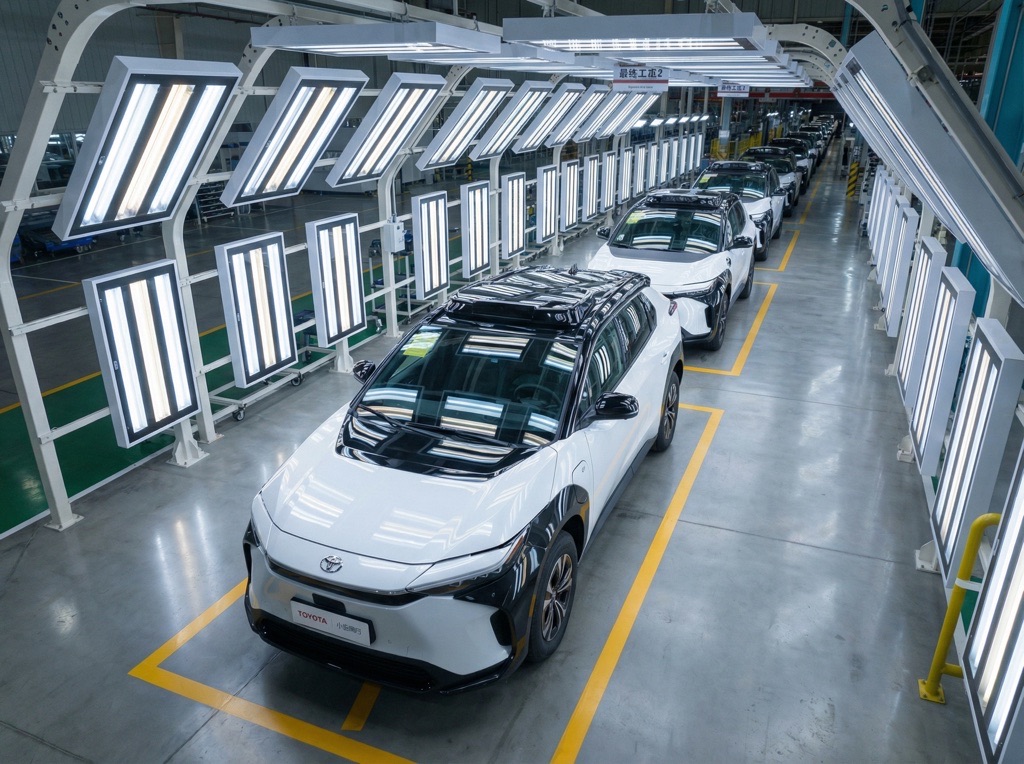
Production has begun at a Toyota global model plant, with the first units confirmed off the line as of February 2026. This shift from prototypes to volume output positions the partnership for rapid fleet expansion in high-demand cities.
 Cars
Cars
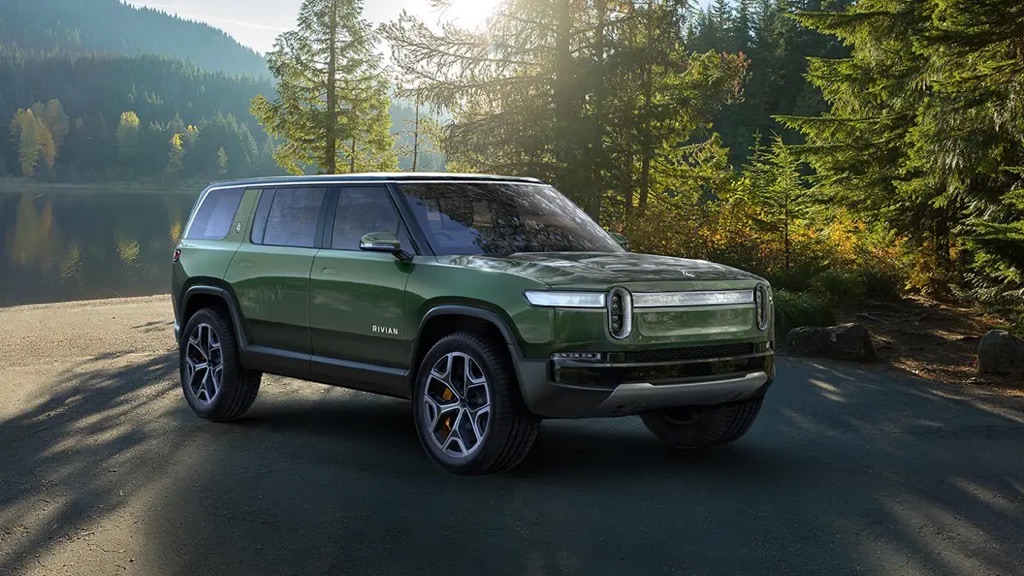
Rivian Expands Hands-Free Driving to 3.5 Million Miles and Introduces a Powerful New AI Assistant
Rivian is preparing to deliver some of its most significant software upgrades yet to the R1S and R1T, dramatically expanding...
 Cars
Cars
Genesis Unveils GV60 Magma 2026: Specs, Power, Price, and Release Date
The Wildest Electric Crossover Genesis Has Ever Built Genesis has officially introduced the GV60 Magma, a high-performance electric crossover coated...
 Cars
Cars
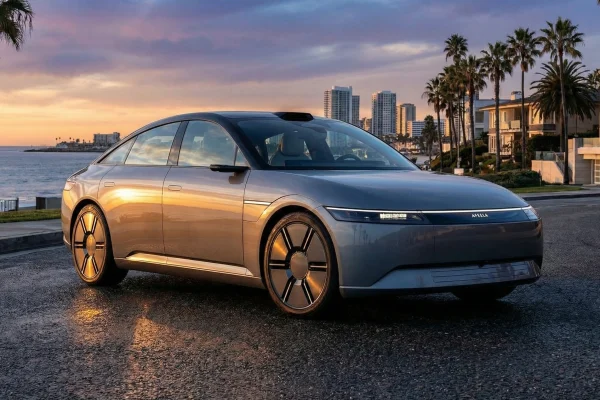
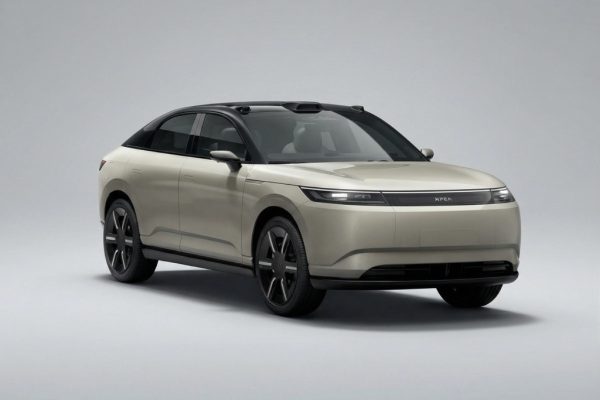
Sony and Honda Reveal New Afeela Electric SUV Prototype at CES 2026
Afeela Expands Beyond Sedans With a New Electric SUV At Consumer Electronics Show 2026, Sony and Honda returned to the...
Deployment Strategy and Market Ambitions
Initial rollout targets Tier-1 cities with a first-phase fleet of 1,000 bZ4X robotaxis for fully driverless PonyPilot services. Pony.ai’s service already operates commercially in select areas, transitioning from testing to fare-charging rides. Long-term, the joint venture focuses on safety validation before scaling to profitability at 100,000 vehicles.
Challenges remain: while Pony.ai emphasizes reliability, regulatory approvals for unsupervised operations across all scenarios are ongoing, and profitability hinges on fleet size amid high upfront costs.
Safety and Reliability Focus
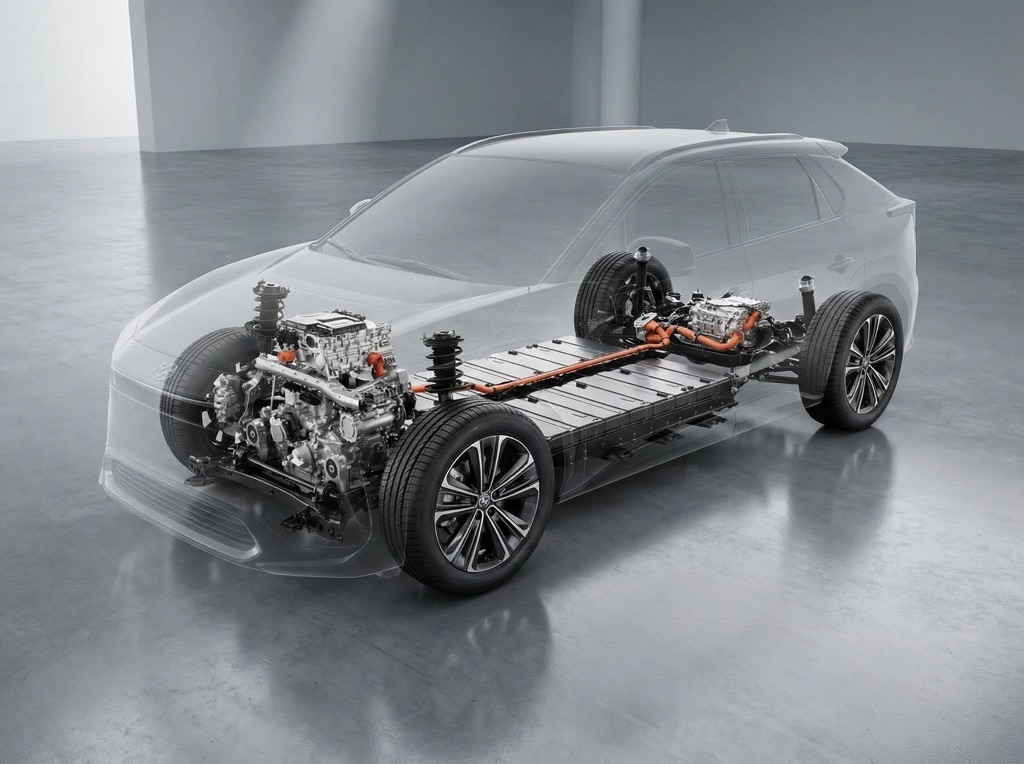
Pony.ai’s tech has logged extensive miles in megacities, refining all-scenario capabilities like adaptive cruise control and lane centering. The bZ4X’s redundant systems, combined with Toyota’s EV expertise, prioritize passenger safety in driverless mode. However, specifics on battery range, top speed, or exact sensor suite for Gen-7 remain unconfirmed beyond prior generations.
Comparison with Competitors
| Company/Model | Fleet Target 2026 | Key Notes |
|---|---|---|
| Pony.ai bZ4X | 3,000+ vehicles | 1,000+ in Tier-1 cities; 70% cost cut; mass-produced |
| Tesla Robotaxi | ~1,000 units | Unsupervised in Austin; FSD approval pending in China (Feb/Mar 2026) |
| Baidu Apollo Go | Expanding (250k rides/week) | Driverless in multiple cities; WeChat integration |
| WeRide | Tens of thousands by 2030 | Abu Dhabi ops; fleet scaling focus |
Pony.ai’s Toyota-backed production gives it an edge in volume over Tesla’s early-stage rollout, while Baidu leads in ride volume but lacks the bZ4X’s specified EV platform details.
Verdict
This bZ4X robotaxi launch solidifies Pony.ai and Toyota’s lead in China’s Level 4 deployment, offering scalable, cost-efficient driverless rides for urban commuters. It’s ideal for Tier-1 city residents seeking reliable, human-free transport, though success depends on proving Gen-7 safety at scale and clarifying range/economics. Unanswered: exact bZ4X battery specs adapted for robotaxi use and inter-city expansion timelines.