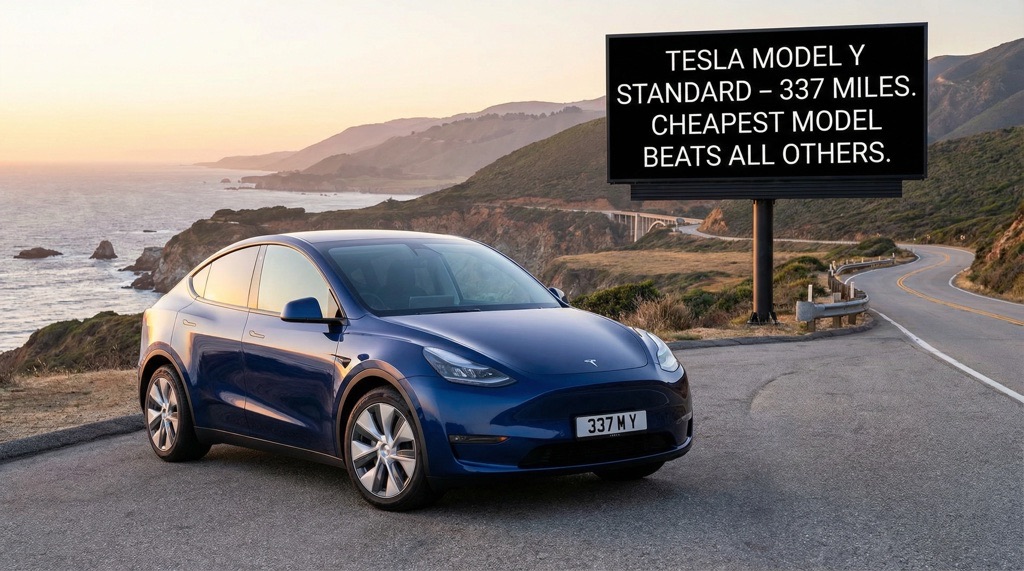
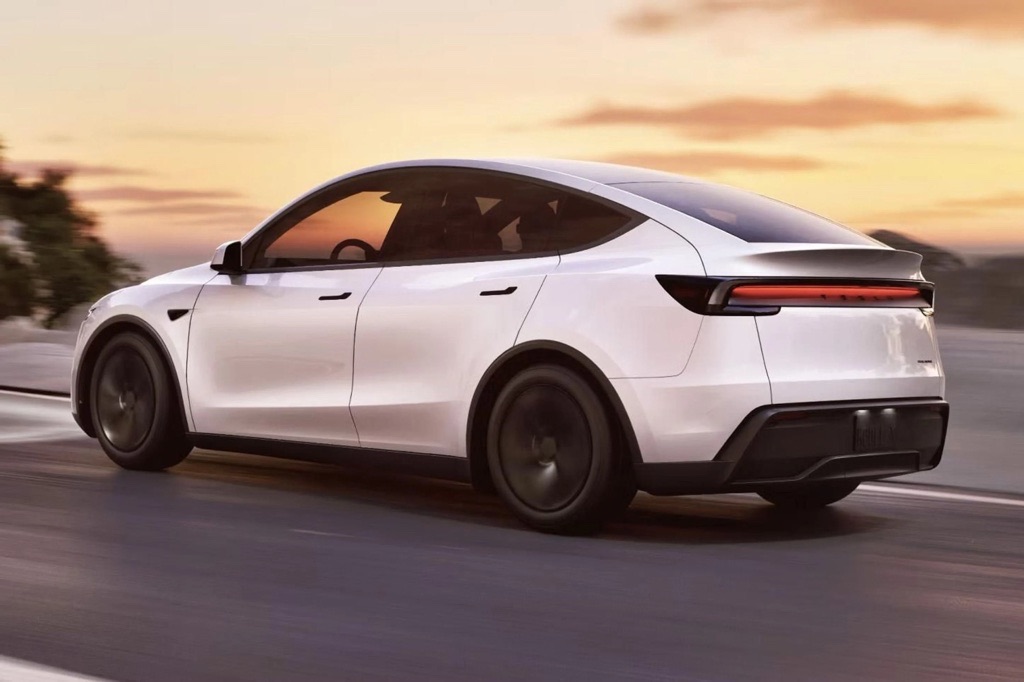
The 2026 Tesla Model Y Standard has shattered expectations in real-world range testing, traveling 337 miles in Edmunds’ standardized EV Range Test—not only exceeding its EPA estimate of 321 miles but also setting a new record as the longest-range Model Y ever tested by the publication. This achievement is particularly remarkable because it comes from Tesla’s most affordable Model Y variant, starting at $41,630 in the US, which achieves this feat despite having a smaller battery pack than higher-trim versions.
For buyers considering the transition to electric vehicles without premium pricing, this result fundamentally changes the value proposition of Tesla’s entry-level SUV. The Standard’s superior real-world efficiency compared to more expensive variants demonstrates that Tesla has successfully optimized the base model through drivetrain refinement, software improvements, and strategic component choices—particularly its new 18-inch wheels.
The Base Model That Outperforms Its Predecessors
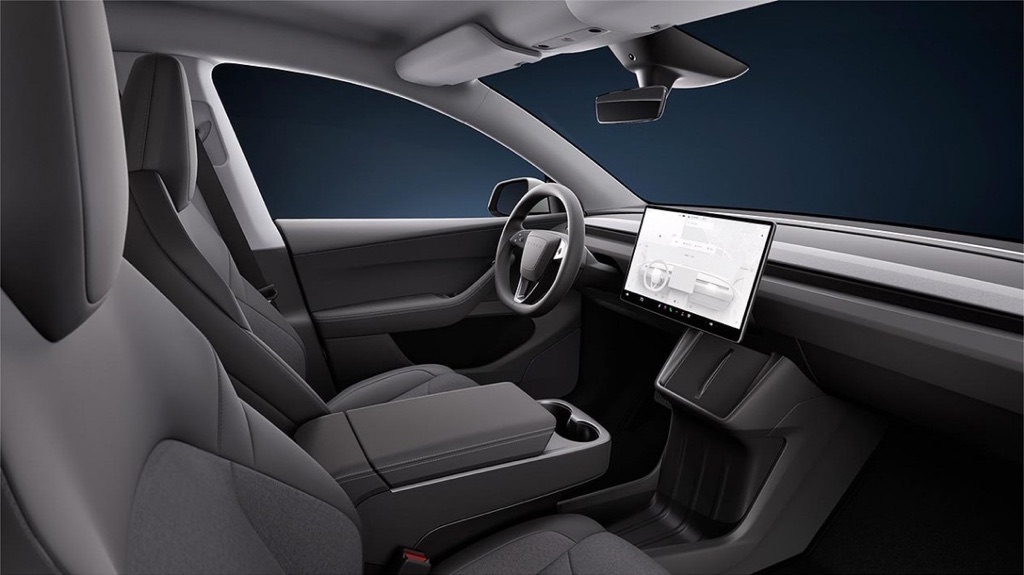
Tesla’s decision to create a stripped-down Model Y Standard required significant compromises. The vehicle eliminates features like FM radio and replaces the glass roof with a standard headliner to reach its aggressive pricing. Yet these cost-cutting measures haven’t compromised the vehicle’s core function: delivering efficient, long-distance electric driving.
The contrast with previous Model Y generations is striking. The prior-generation Model Y Long Range carried an EPA estimate of 330 miles—9 miles higher than the Standard’s rating—but managed only 310 miles in Edmunds’ real-world test, falling 20 miles short of its estimate. The newer Model Y Long Range Launch Series, part of Edmunds’ One-Year Road Test fleet, hit its 327-mile estimate almost exactly. The Standard’s 337-mile result represents a 10-mile improvement over the Launch Series and a 27-mile advantage over the previous Long Range variant.
This performance inversion—where the cheapest model outranges more expensive variants—reflects Tesla’s engineering priorities for 2026. Rather than chasing maximum battery capacity, engineers focused on minimizing energy consumption through lighter wheels, optimized drivetrain components, and refined software calibration.
Efficiency: The Real Story Behind the Range
The Model Y Standard’s efficiency metrics reveal why it achieves such impressive real-world range. During Edmunds’ testing, the Standard consumed just 22.8 kWh per 100 miles, compared to 26.8 kWh for the Model Y Launch Series—a 15% efficiency advantage despite having a smaller battery pack. For context, the EPA rates the Standard at 138 MPGe (miles per gallon equivalent), the highest efficiency rating among all Model Y variants.
Highway testing conducted by independent reviewers confirms this efficiency advantage. In a 70 mph highway range test, the Standard achieved approximately 4.1-4.2 miles per kWh, consuming 69.2 kWh total to travel 268 miles at sustained highway speeds before requiring reduced speeds. This represents exceptional efficiency for a vehicle weighing over 4,000 pounds in highway conditions, where aerodynamic drag typically penalizes heavier vehicles.
 Cars
Cars
Daihatsu e-Hijet Cargo: 257 km Range and 772 lb Payload in a 11-Foot EV Van
Daihatsu’s e-Hijet Cargo delivers 257 km WLTC range from a 36.6 kWh battery in a compact delivery van measuring just...
 Cars
Cars
Updated Xiaomi SU7 Electric Sedan Gets Longer Range and Major Tech Upgrade
Xiaomi Pushes the SU7 Forward Ahead of Official 2026 Launch Xiaomi is once again proving how quickly the electric car...
 Cars
Cars
Polestar Overtakes Tesla and Volkswagen in Sweden With a Surprise December EV Rally
Polestar delivered one of the biggest shocks in Sweden’s electric vehicle market in December, as the Polestar 4 surged past...
The 18-inch wheel specification plays a measurable role in this efficiency gain. Smaller wheels reduce rolling resistance compared to the 19-inch and 20-inch options available on higher trims, directly translating to lower energy consumption per mile. Tesla’s decision to make these wheels standard on the base model—rather than offering them as a cost-saving option—suggests the company prioritized real-world efficiency over perceived value through larger wheels.
Real-World Range Varies Dramatically by Driving Pattern
The Model Y Standard’s range performance varies significantly based on driving conditions, a critical consideration for potential buyers. Edmunds’ city-focused range test yielded 337 miles—exceeding the EPA estimate by 16 miles—because electric motors operate at peak efficiency during stop-and-go driving. Highway testing at steady 70 mph speeds produced 268 miles of highway-speed driving plus an additional 18 miles at reduced speeds, totaling 286 miles, but falling 35 miles short of the EPA estimate.
This 51-mile variance between city and highway performance (337 miles city vs. 286 miles highway) reflects fundamental physics: highway driving at constant high speeds generates continuous aerodynamic drag, while city driving allows the electric motor to recover energy through regenerative braking during deceleration. For drivers whose commutes involve primarily city traffic or mixed driving primarily, the Standard’s real-world range will likely match or exceed the EPA estimate. Highway road-trippers should plan charging stops approximately every 250-270 miles at sustained speeds.
Winter efficiency presents another consideration. Top Gear’s testing in near-freezing conditions with maximum heater operation recorded 3.6 miles per kWh—a 15-20% efficiency penalty compared to temperate-weather testing—suggesting a real-world winter range of approximately 220 miles. This aligns with typical EV winter performance degradation and should factor into purchasing decisions for cold-climate buyers.
Comparison: How the Standard Stacks Against Competitors
| Model | EPA Range | Real-World Test Range | Efficiency | Price |
|---|---|---|---|---|
| <strong>Tesla Model Y Standard (2026)</strong> | <strong>321 miles</strong> | <strong>337 miles (city)</strong> | <strong>22.8 kWh/100 mi</strong> | <strong>$41,630</strong> |
| Tesla Model Y Long Range Launch Series | 327 miles | 327 miles | 26.8 kWh/100 mi | ~$52,000 |
| Tesla Model Y Long Range (prior gen) | 330 miles | 310 miles | ~28 kWh/100 mi | ~$55,000 |
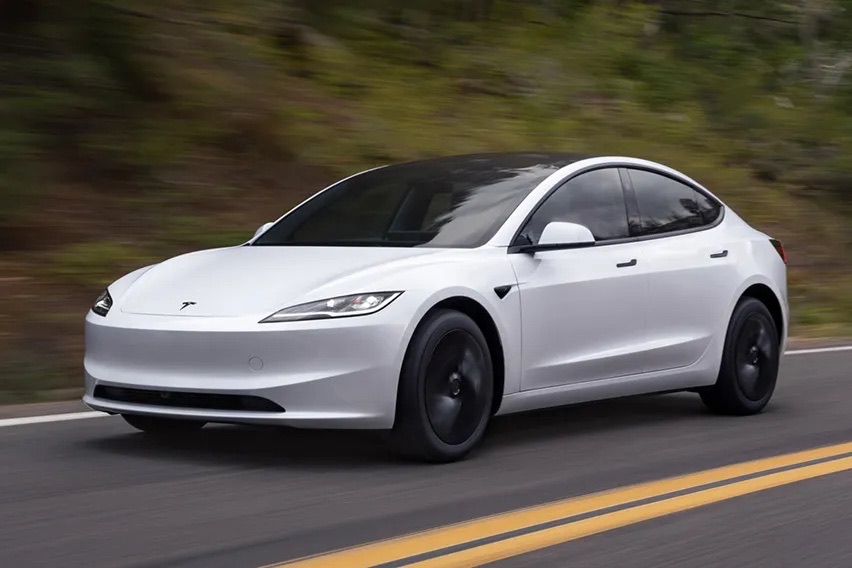
| Tesla Model 3 (comparable efficiency) | 272 miles | ~280 miles | ~23 kWh/100 mi | $38,990 |
The Standard’s efficiency advantage becomes even more pronounced when considering cost-per-mile. At $41,630 with a 337-mile real-world range, the Standard delivers approximately $123 per mile of range—significantly better than the Long Range Launch Series at roughly $159 per mile. For taxi and ride-share operators, this efficiency translates directly to operational cost savings: lower electricity consumption per passenger-mile reduces charging expenses and improves profit margins on long-distance routes.
Against non-Tesla competitors, the Standard’s 22.8 kWh/100-mile efficiency rating places it among the most efficient mass-market electric SUVs available. Most competitors in the $40,000-$50,000 price range achieve 24-28 kWh/100 miles, making the Standard’s efficiency advantage meaningful for total cost of ownership calculations over a vehicle’s lifetime.
What You’re Actually Giving Up
The $41,630 starting price comes with tangible sacrifices beyond the missing FM radio and glass roof. The Standard uses a smaller battery pack—approximately 60 kWh usable capacity based on efficiency calculations—compared to larger packs in Premium and Performance variants. This battery size limitation means the Standard cannot match the maximum range of higher trims under ideal conditions, though real-world testing suggests this limitation rarely manifests in practical driving.
The 18-inch wheels, while optimizing efficiency, may feel less premium than the 19-inch and 20-inch options available on other variants. Interior trim materials and technology features also reflect the cost-cutting approach, though detailed specifications remain limited in available sources. For buyers prioritizing maximum range, fastest acceleration, or premium interior appointments, the Standard represents a compromise. For those prioritizing efficiency, affordability, and real-world usability, these trade-offs appear justified by the testing results.
Unanswered Questions and Future Implications
Several questions remain about the Model Y Standard’s long-term viability and market positioning. Tesla has not publicly disclosed the exact battery capacity, leaving uncertainty about degradation rates and long-term warranty coverage compared to larger-capacity packs. The efficiency gains appear partly attributable to the 18-inch wheels, but Tesla has not confirmed whether buyers can upgrade to larger wheels without significant efficiency penalties or whether this represents a permanent design choice.
The Standard’s success also raises questions about Tesla’s pricing strategy for higher trims. If the base model achieves superior real-world range through engineering optimization rather than battery size, the value proposition of the Premium and Performance variants—which cost $10,000-$15,000 more—depends increasingly on acceleration performance, interior features, and battery longevity rather than range advantages.
Verdict: The Standard Redefines Value in Electric SUVs
The 2026 Tesla Model Y Standard represents a genuine breakthrough in affordable electric vehicle efficiency. By achieving 337 miles of real-world range—surpassing every other Model Y variant tested under identical conditions—while maintaining the lowest price point in the lineup, Tesla has created a vehicle that challenges conventional assumptions about the relationship between cost and capability. The Standard is specifically suited for buyers prioritizing efficiency and affordability over premium features, particularly those with city-heavy or mixed driving patterns. For taxi and ride-share operators, the efficiency advantage translates directly to operational cost savings. Highway road-trippers should plan charging stops every 250-270 miles and account for winter efficiency penalties in cold climates. The Standard’s success suggests that future EV development will increasingly prioritize real-world efficiency optimization over maximum battery capacity—a shift that benefits cost-conscious buyers and the broader EV market adoption.