
The Smart #2, a two-seater electric city car succeeding the iconic ForTwo, will unveil its prototype concept at the Beijing Auto Show from April 24 to May 3, 2026, with production deliveries starting late 2026 in China, Europe, and other markets. This revival targets urban mobility with Mercedes-Benz design and Smart’s new ultra-compact architecture. For EV enthusiasts and city drivers, it promises a compact, premium electric option amid growing demand for efficient two-seaters.
Background: Smart’s Evolution Under Mercedes-Geely Joint Venture
Smart, originally launched in 1998 as a Swatch-Mercedes-Benz collaboration, introduced the ForTwo two-seater city car, which sold over 2 million units worldwide. The brand shifted to full electrification, with the Smart EQ Fortwo featuring a 17.6 kWh battery and 81 hp motor by 2017, achieving 58 miles EPA range. Production of gasoline ForTwo ended in 2017 as Smart focused on EVs.
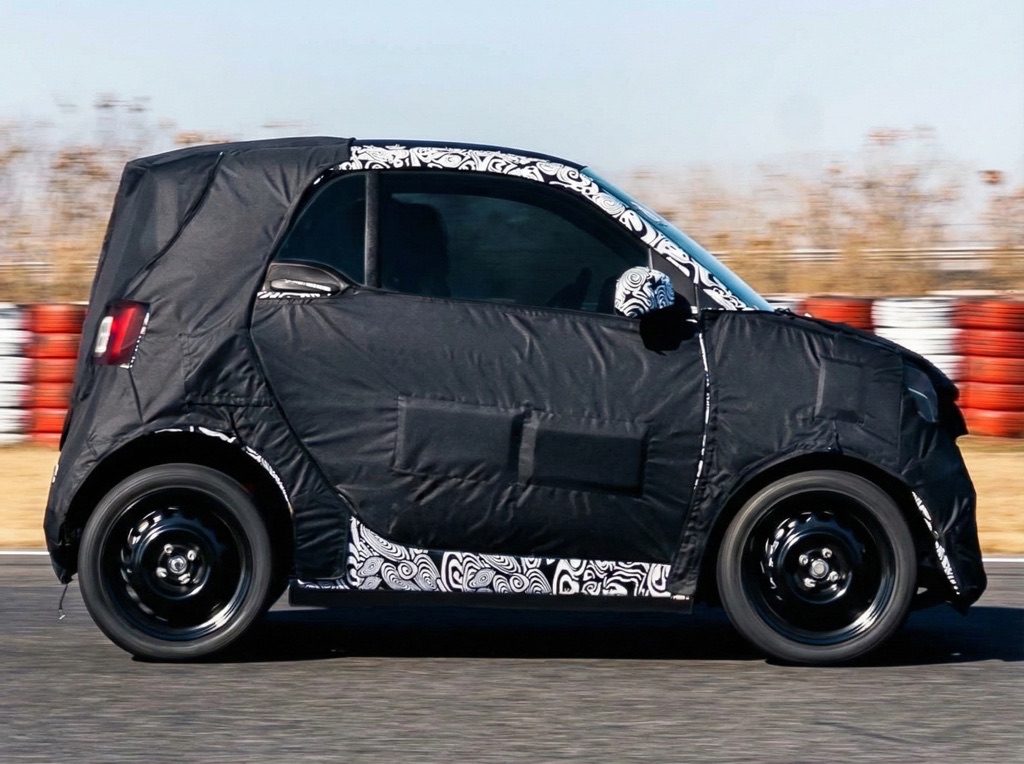
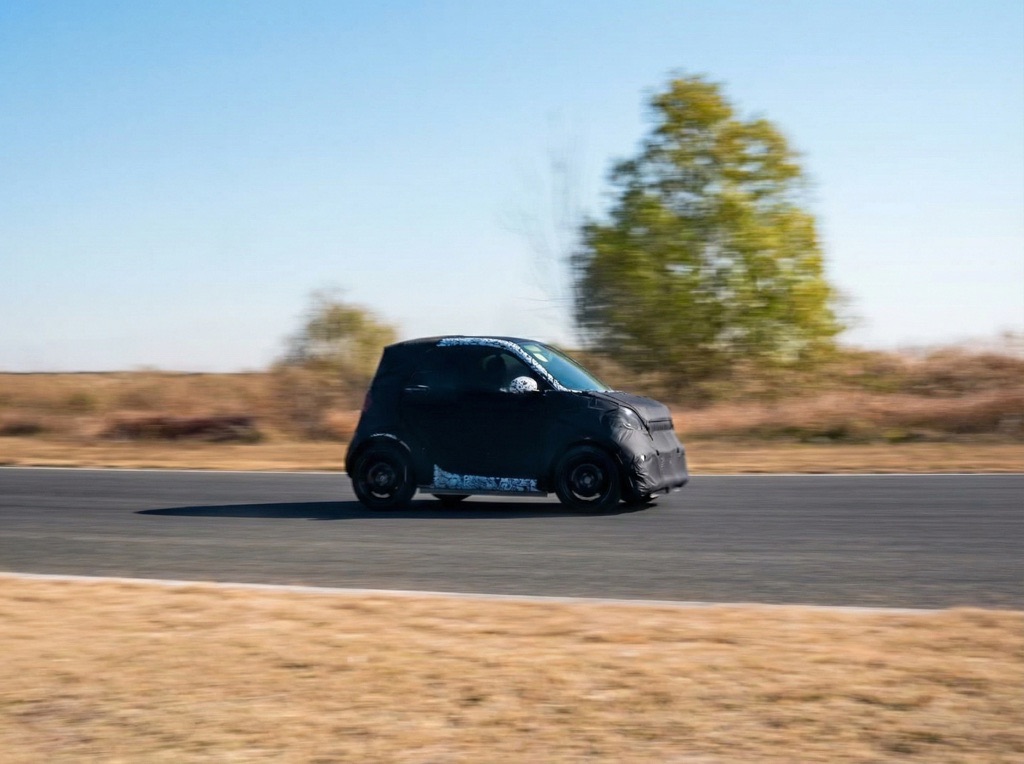
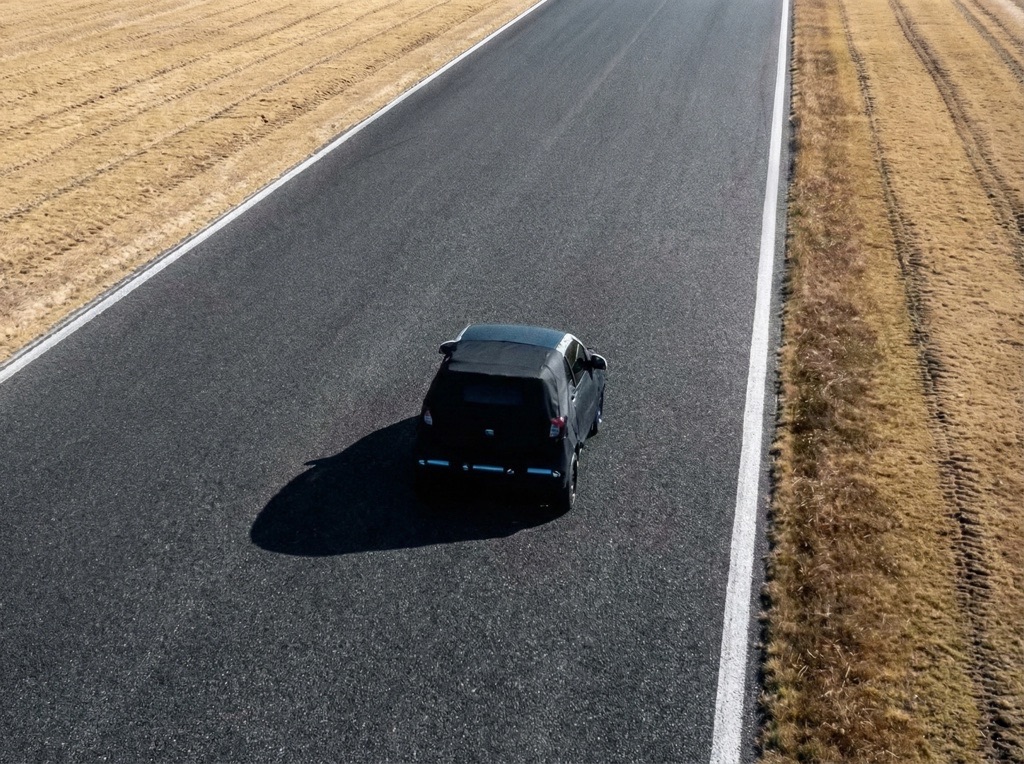
In January 2020, Mercedes-Benz and Geely formed a joint venture headquartered in Ningbo, China, to electrify Smart for premium urban mobility. This partnership birthed the Smart #1 in 2023, followed by #3 and #5 models. The #2, first teased in September 2025, revives the ForTwo legacy as a two-door, two-seat, rear-wheel-drive EV on the new Electric Compact Architecture (ECA) platform. Camouflaged prototypes began global road testing in December 2025.
Smart #2 EV
Key Specifications
| Specification | Details |
|---|---|
| Seating | 2 seats |
| Body Style | Two-door hatchback, compact city car |
| Drive Layout | Rear-wheel-drive |
| Platform | Electric Compact Architecture (ECA) |
| Design | Mercedes-Benz team |
| Production Start | Late 2026 |
| Markets | China, Europe, and other overseas |
| Estimated Battery | ~30 kWh (details not yet confirmed) |
| Unveil Event | Beijing Auto Show, April 24-May 3, 2026 |
Note: Power, range, and pricing details not yet confirmed from official sources.
Design and Development Analysis
The Smart #2 retains ForTwo hallmarks: compact dimensions, four wheels at corners for agile handling, and a two-seat layout ideal for megacity parking and traffic. Built on the ECA platform, it emphasizes ultra-compact efficiency. Mercedes-Benz designers shape its premium aesthetics, with camouflaged test mules showing a hatchback profile similar to predecessors.
 News
News
GMC Hummer EV Experiences Remarkable Surge in Sales, with 83,300% Growth; 2024 Model Prices Revealed
The introduction of the GMC Hummer EV, featuring General Motors’ pioneering Ultium Drive electric motor, has proven to be a...
 Cars
Cars
VinFast VF6: A New Contender in the Affordable Electric Vehicle Market
Electric vehicle enthusiasts, get ready for an exciting new player in the European EV scene! Vietnamese automaker VinFast is making...
 Cars
Cars
Integrals Power LMFP Batteries Pass 1,500 Cycles With Over 80% Capacity Retentio
A Practical Middle Ground Between LFP and NMC for Mass-Market EVs UK battery materials developer Integrals Power has reached an...
Global testing started in December 2025, confirming the final design and development phase. Production in China will support exports, aligning with Smart’s strategy post-ForTwo’s 2020 China hiatus. A ~30 kWh battery is rumored for city-duty range, but official specs remain pending.
Smart #2 EV
Market Positioning and Portfolio Fit
Smart #2 slots below the #1 crossover, joining #3 and #5 to cover compact to SUV segments, with #6 upcoming. It targets premium urban drivers seeking ForTwo’s maneuverability in EV form. In Europe, Smart Europe president Dirk Adelmann noted profitability as key for revival.
Recent moves include a Keith Haring #3 special edition at RMB 184,900 ($26,580) limited to 99 units in China, versus the standard #3 from RMB 164,900. This underscores Smart’s premium push amid China’s EV boom.
Competitor Comparison
| Model | Seating/Size | Battery/Range | Price (est.) | Key Edge |
|---|---|---|---|---|
| Smart #2 | 2 seats, compact | ~30 kWh (TBC) | TBC | Mercedes design, RWD agility |
| Citroën Ami | 2 seats, quadricycle | 5.4 kWh, 46 miles | ~$8,000 | Cheapest entry, but slower[general knowledge] |
| Honda e | 4 seats, small hatch | 35.5 kWh, 137 miles WLTP | ~$33,000 (discontinued) | Retro style, but larger[general knowledge] |
| Mini Cooper SE | 4 seats, premium hatch | 32.6 kWh, 114 miles EPA | ~$31,000 | Go-kart handling, more seats |
Smart #2 differentiates with a pure two-seater focus versus four-seat rivals like Mini SE, potentially undercutting on size while matching premium feel. No direct two-seater EV competitor matches its heritage.
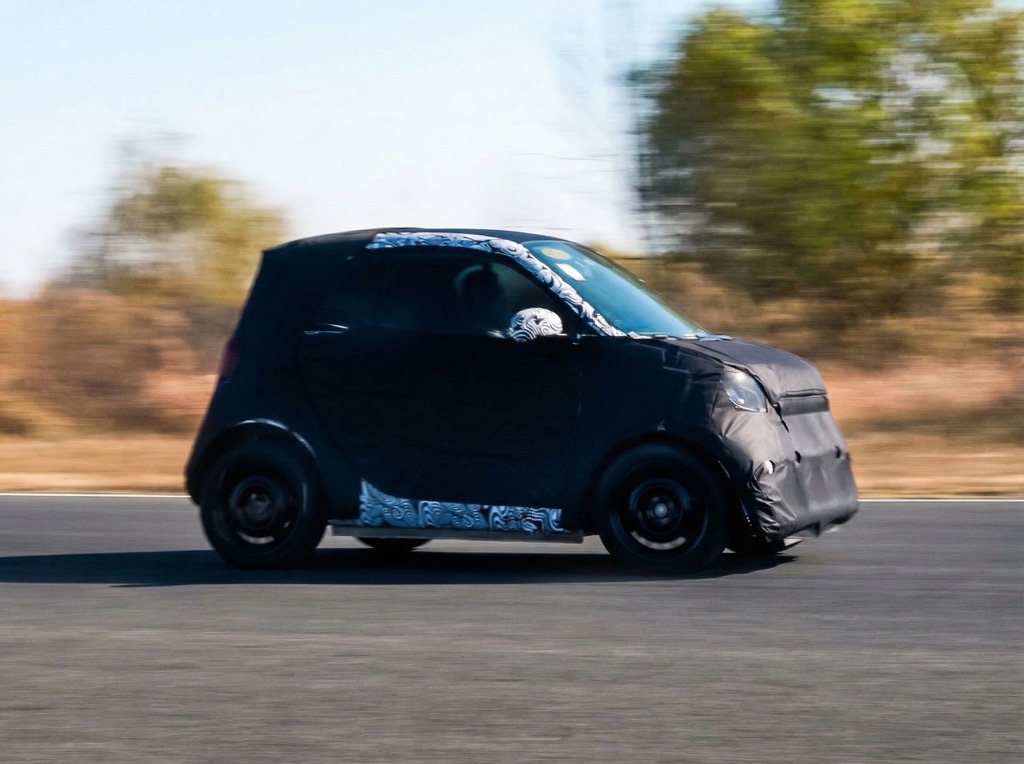
Smart #2 EV
Verdict
The Smart #2 positions as a credible ForTwo successor for urban EV buyers prioritizing parking ease and premium branding over space. Ideal for solo commuters or couples in dense cities like those in Europe and China, it fills a niche left vacant since ForTwo’s phase-out. Unanswered questions persist on the exact range, power, pricing, and profitability viability—critical for success against broader hatches. If specs deliver ~200+ km city range at accessible pricing, it could revive Smart’s city car dominance; otherwise, it risks niche obscurity.