Rivian Automotive reported $144 million in consolidated gross profit for full-year 2025, a $1.3 billion improvement from a $1.2 billion loss in 2024. This turnaround was powered by software and services revenue surging 222% to $1.56 billion, offsetting automotive segment losses amid lower deliveries and regulatory credits. EV investors should note this shift as Rivian eyes 62,000-67,000 vehicle deliveries in 2026 while scaling R2 production.
Company Background
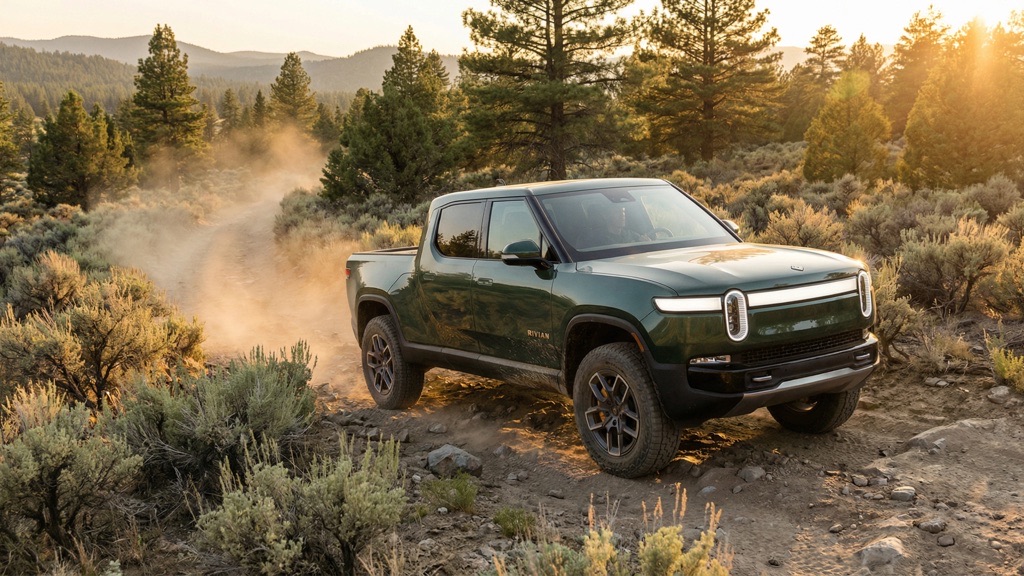
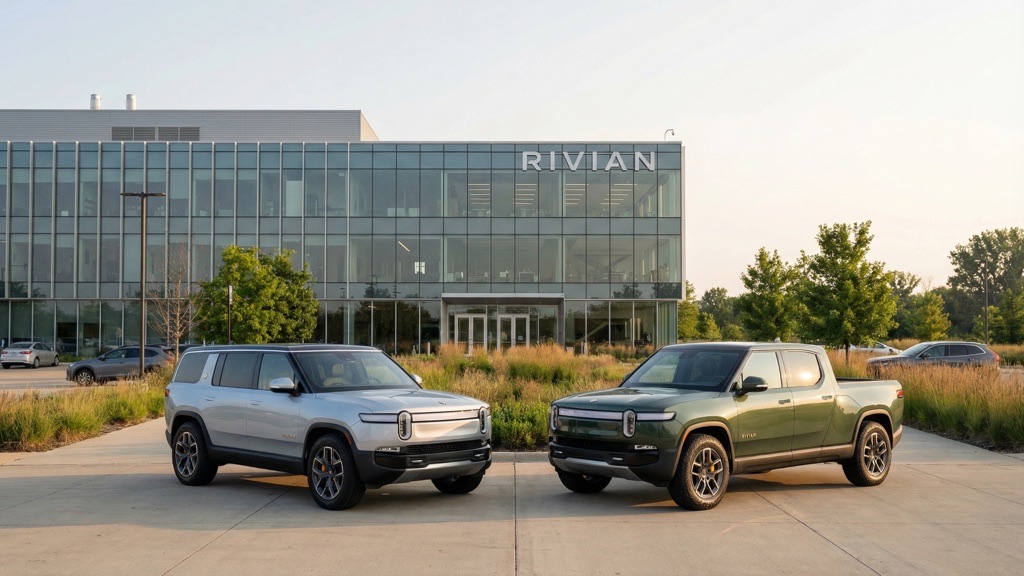
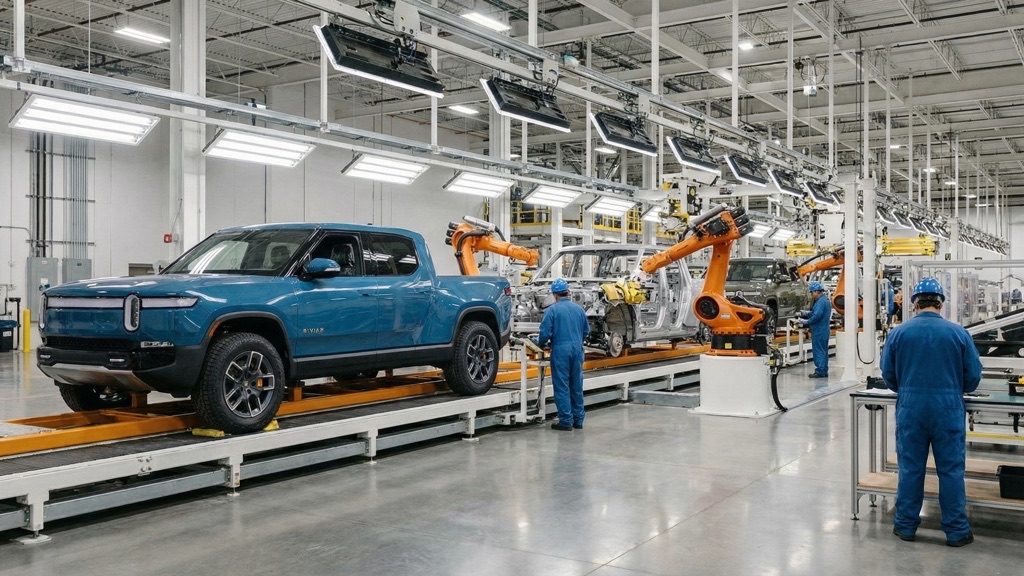
Rivian Automotive, founded in 2009 by RJ Scaringe, specializes in electric trucks, SUVs, and commercial vans from its Normal, Illinois, plant. The company went public in 2021 and has focused on premium EVs like the R1T truck and R1S SUV, plus Amazon EDV vans. Despite early hype, Rivian faced production ramps, supply chain issues, and EV market slowdowns, leading to consistent losses through 2024.
In 2025, Rivian pivoted toward software monetization via a joint venture with Volkswagen Group, boosting non-vehicle revenues. Full-year deliveries totaled 42,247 vehicles, down from prior peaks but stabilizing ahead of R2 launches. Market position remains niche: Rivian holds under 1% U.S. EV share but leads in adventure-oriented trucks against Tesla Cybertruck and Ford F-150 Lightning.
Key Specifications
| Metric | Q4 2025 | Q4 2024 | Full Year 2025 | Full Year 2024 |
|---|---|---|---|---|
| Production (vehicles) | 10,974 | N/A | 42,284 | N/A |
| Deliveries (vehicles) | 9,745 | N/A | 42,247 | N/A |
| Consolidated Revenue | $1.29B | $1.73B | $5.39B | $4.97B |
| Automotive Revenue | $839M | $1.52B | $3.83B | $4.49B |
| Software/Services Revenue | $447M | $214M | $1.56B | $484M |
| Consolidated Gross Profit | $120M | $170M | $144M | -$1.2B |
| Automotive Gross Profit | -$59M | $110M | -$432M | -$1.21B |
| Software/Services Gross Profit | $179M | $60M | $576M | $7M |
| Adjusted EBITDA (Q4) | -$465M | N/A | N/A | N/A |
Note: Revenue figures rounded per sources; full-year 2025 revenue confirmed as $5.387B in official release.
Financial Breakdown: Automotive Struggles Offset by Software Surge

Q4 2025 consolidated revenue fell 25% year-over-year to $1.29 billion, beating analyst estimates of $1.28 billion. Automotive revenue dropped 45% to $839 million due to a $270 million decline in regulatory credits, fewer deliveries post-tax credit expiration, and more lower-priced EDV vans. Software and services jumped 109% to $447 million, fueled by Volkswagen joint venture work on electrical architecture and software, plus remarketing and maintenance.
 Cars
Cars
Geely EX2 Confirmed for Australia: Sub-$30K Electric Hatchback Arriving in 2026
Another affordable electric vehicle is heading to Australia. Geely has confirmed the EX2 electric hatchback will launch locally in the...
 Cars
Cars
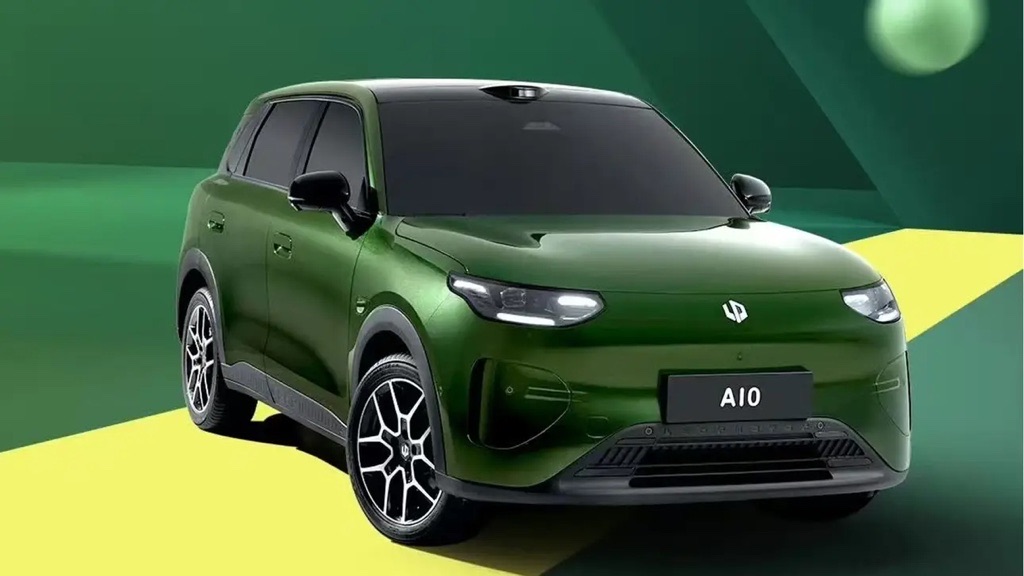
“Premium Doesn’t Have to Be Expensive”: Leapmotor Unveils the A10 and Targets Global Markets
Leapmotor has officially introduced the Leapmotor A10, a new compact electric SUV that marks the debut of the brand’s global...
 Cars
Cars
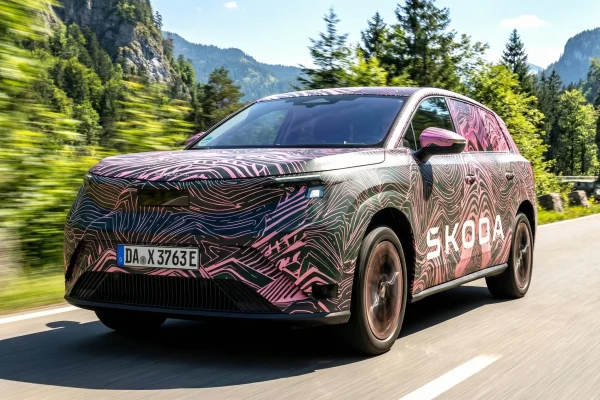
Skoda Peaq: 4.9m Long 7-Seater EV with 600+ km Range Launches Mid-2026
The Skoda Peaq is a new flagship electric SUV measuring nearly 4.9 meters long, offering up to seven seats and...
Full-year trends amplified this: consolidated revenue rose 8% to $5.39 billion, with software/services up 222% to $1.56 billion – now 29% of total revenue versus 10% in 2024. Automotive revenue dipped 15% to $3.83 billion from lower credits and deliveries, though higher R1 mix and cost cuts helped. Gross profit swung positive at $144 million annually, with automotive still at -$432 million (improved from -$1.21 billion) and software at $576 million.
2026 Outlook and Cost Management
Rivian guides 62,000-67,000 deliveries for 2026, up 47-58% from 2025, tied to R2 compact SUV ramp-up at Normal plant. Adjusted EBITDA targets -$2.10 billion to -$1.80 billion; capex $1.95-2.05 billion for expansion. Cash reserves stood at $7.7 billion at the end of Q4, supporting the runway.
EPS beat expectations: Q4 GAAP -$0.66 (vs. -$0.79 est.), or -$0.54 per some reports (vs. -$0.69 est.). Stock rose post-earnings, reflecting relief on beats and guidance.
Competitor Comparison
| Company | 2025 Deliveries | Full-Year Gross Profit | 2026 Guidance | Key Differentiator |
|---|---|---|---|---|
| Rivian | 42,247 | $144M | 62k-67k | Software JV revenue |
| Tesla | ~1.8M | $17.4B | 20-30% growth | Scale, FSD software |
| Ford (F-150 Lightning) | ~25k | EV unit loss | Stable production | Truck heritage |
| Lucid | ~10k | -$3B loss | ~20k Gravity SUVs | Luxury sedans/SUVs |
Rivian trails Tesla in volume but matches Lucid’s loss-narrowing path via software; Ford lags in pure EV profits. Rivian’s R2 pricing at ~$45k targets the mass-market gap versus Tesla Model Y (~$43k) and Ford’s higher truck costs.
Verdict

Rivian flipped to positive gross profit in 2025 through software diversification, proving viability beyond vehicle sales amid EV demand softness. This positions it for 2026 growth, but automotive losses persist – success hinges on R2 execution and VW partnership scaling. Ideal for growth-oriented EV investors tolerant of -$2B EBITDA; cautious buyers await consistent vehicle profitability. Unanswered: exact R2 launch timeline, VW JV revenue share post-2026.