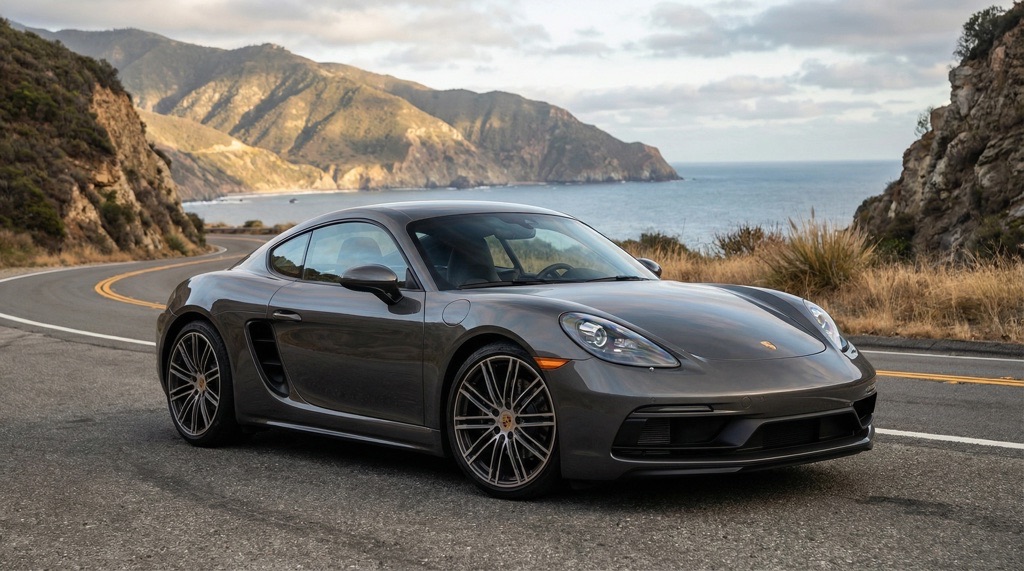

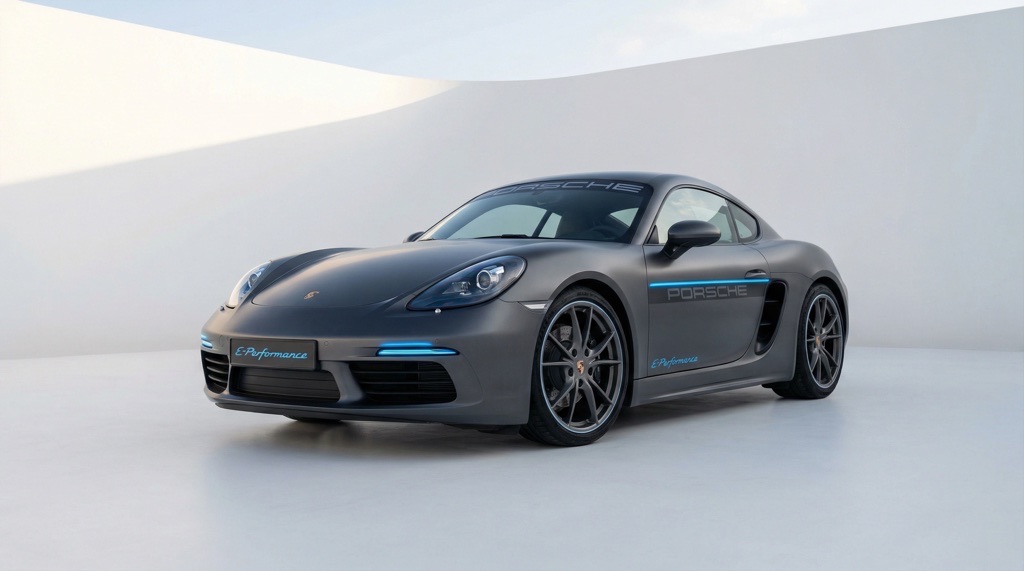
Porsche is reconsidering its electric 718 Cayman and Boxster plans under new CEO Michael Leiters, with cancellation on the table due to delays, Northvolt’s bankruptcy, and a €1.8 billion profit drop in 2025. This shift challenges Porsche’s earlier commitment to an all-EV 718 lineup, potentially preserving the sports cars’ lightweight driving dynamics but delaying EV ambitions. Readers tracking Porsche’s EV strategy or the sports car market should note how financial pressures are reshaping premium EV development.
Background: Porsche’s EV Pivot and Recent Struggles
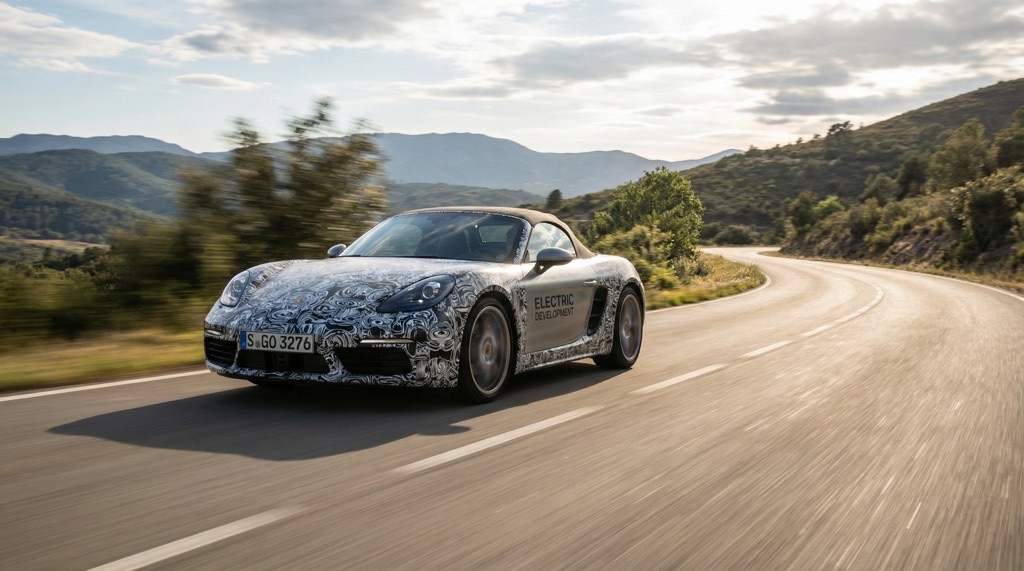
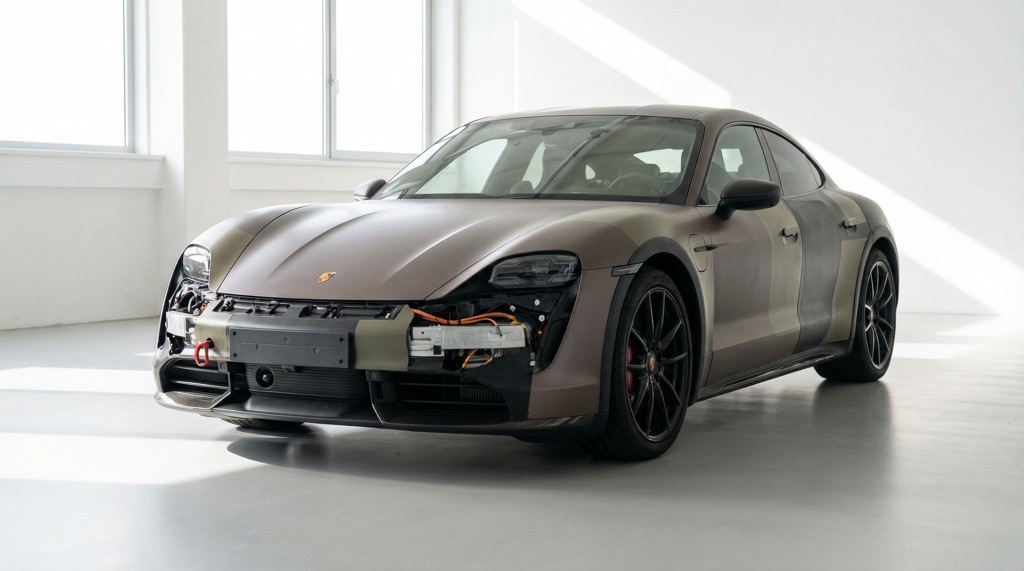
Porsche announced in 2021 that the next-generation 718 Cayman and Boxster would transition to fully electric powertrains, marking a bold step toward electrification for its mid-engine sports cars. Development spanned seven years, with prototypes in testing, but faced repeated delays and cost overruns. The Premium Platform Electric (PPE) architecture, shared with models like the Macan EV, was central to the plan.
New CEO Michael Leiters, who assumed the role on January 1, 2026, is reviewing these expensive EV initiatives amid broader challenges. Porsche reported a €1.8 billion profit decline in 2025, partly due to heavy EV investments, a 26% sales drop in China, and new U.S. import taxes. These issues led to Porsche’s removal from Germany’s DAX index. Battery supplier Northvolt’s bankruptcy in March 2025 exacerbated delays, as Porsche sought specialized high-performance cells.
In September 2025, Porsche confirmed high-performance 718 variants like the Cayman GT4, GT4 RS, and Spyder RS would retain internal combustion engines (ICE), reversing the all-EV strategy. This required significant re-engineering of the EV-optimized platform.
Key Specifications: What the Electric 718 Might Have Offered
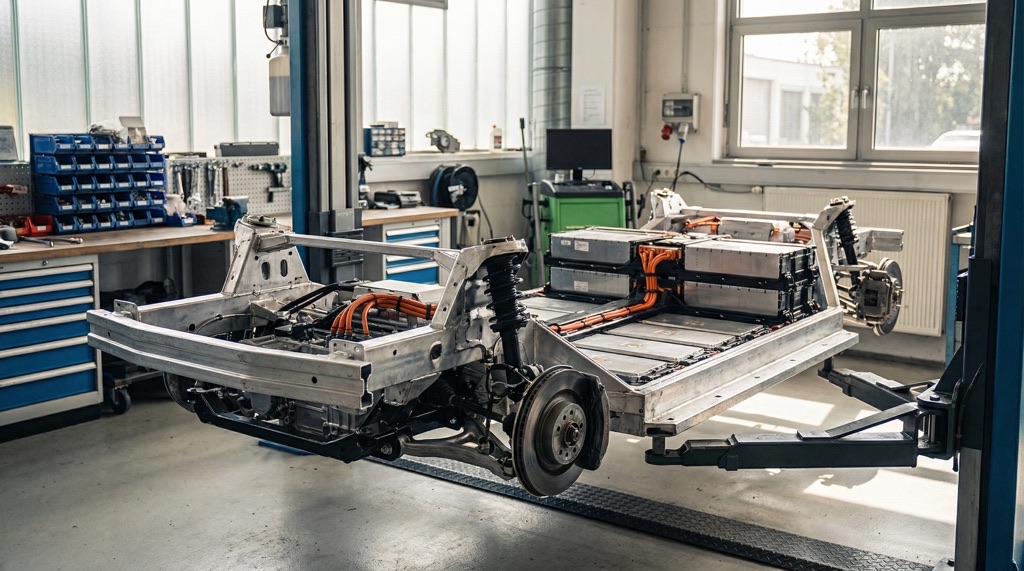
While full specs remain unconfirmed due to the project’s uncertainty, prototypes were deep into development on the PPE platform. No official power outputs, range, or pricing have been released, as details were tied to Northvolt cells and Valmet Automotive packs.
 Cars
Cars
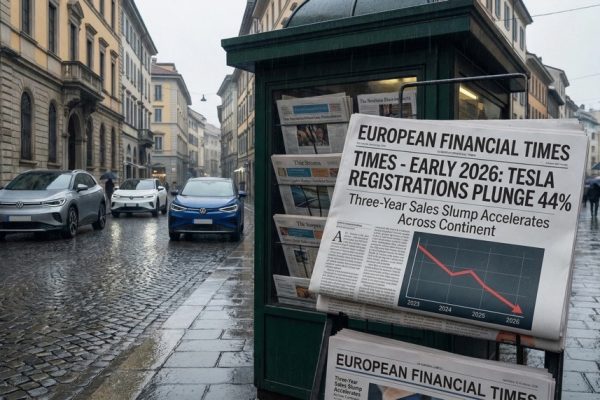
Tesla Registrations Down 44% in Early 2026 European Markets: Three Years of Declining Sales Accelerate
Tesla’s European registrations fell 44% year-over-year in January 2026 across five key markets, marking the worst monthly start yet and...
 Cars
Cars
New Car Brand GAC Launches in Australia — And Refuses to Join the Cut-Price War
GAC says it won’t copy the aggressive pricing strategy of other Chinese automakers New-to-Australia car brand GAC, a major Chinese...
 Cars
Cars
BYD Fang Cheng Bao Tai 7 Adds 402 hp BEV Variant to Best-Selling Hybrid SUV Lineup
BYD’s Fang Cheng Bao sub-brand has introduced a battery electric vehicle (BEV) variant to its top-selling Tai 7 SUV, offering...
| Aspect | Details |
|---|---|
| Platform | Premium Platform Electric (PPE) |
| Drivetrain (Planned) | Dual-motor EV for base models; ICE for GT4/GT4 RS/Spyder RS |
| Battery Supplier Issue | Northvolt bankruptcy (March 2025) |
| Development Timeline | 7 years; prototypes running |
| Launch Target | Details not yet confirmed (delayed multiple times) |
| High-Performance Variants | ICE-confirmed (six-cylinder petrol/gas) |
Note: Exact figures like horsepower, battery capacity, or WLTP range are unavailable from verified sources, as the project was pre-production.
Analysis: Development Hurdles and Strategic Rethink
The electric 718 faced packaging challenges inherent to mid-engine sports cars. Batteries add weight—counter to the 718’s appeal as a nimble, lightweight driver—potentially compromising handling. Rapid EV tech advances mean delayed models risk outdated batteries and infotainment. Northvolt’s collapse forced supplier hunts, inflating costs.
A plug-in hybrid (PHEV) alternative is under consideration, but problematic. It would require a new chassis to accommodate both EV and ICE components, plus heat exchangers, demanding extensive re-engineering from the EV-focused PPE platform. Commentators note this could be costlier than starting fresh, borrowing from the 911’s architecture. Porsche’s September pivot to ICE halo models already signals flexibility, with base EVs possibly still planned for 2026 but halo cars arriving later.
Financial Pressures Driving the Decision
Porsche’s EV bet contributed to 2025 woes: €1.8 billion profit loss, China sales slump, and U.S. tariffs hit margins. The company aims to cut costs while gauging demand for electric sports cars, which may lack appeal versus lightweight ICE purity. Canceling late-stage prototypes incurs sunk costs, but proceeding risks irrelevance. Leaders must weigh finishing the project against hybrids or full ICE revival, impacting Porsche’s goal of majority-EV sales by 2030.
Industry-wide, Porsche joins a trend: Macan and Cayenne now mix EV, hybrid, and ICE, abandoning pure-EV plans. This reflects cooling EV demand and supply chain woes.
Comparison: Electric 718 vs. Competitors
| Model | Powertrain | Status | Key Edge |
|---|---|---|---|
| Porsche 718 EV (Potential) | Dual-motor EV / ICE halo | Uncertain; delayed | PPE platform agility |
| Hyundai Ioniq 5 N | 641 hp EV | In production | Proven track performance |
| BMW i4 M50 | 536 hp EV | In production | Gran Coupe practicality |
| Porsche 911 Hybrid (GTS) | PHEV (532 hp combined) | Launched 2025 | Proven Porsche dynamics |
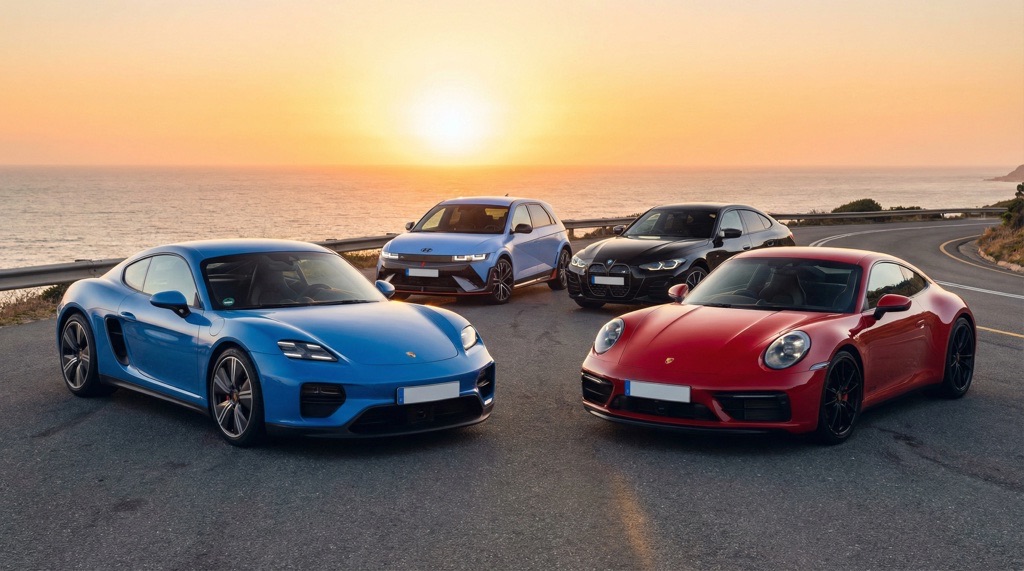
The 718 EV would target lightweight sports purity but lags behind production rivals like the Ioniq 5 N. ICE/hybrid 911 offers a benchmark Porsche already sells successfully.
Verdict: Pragmatic Pivot for Porsche Enthusiasts
Porsche’s potential axing of the electric 718 prioritizes financial stability and driver-preferred dynamics over rigid EV timelines—a smart move given profits and market signals. This suits purists valuing the 718’s fun-to-drive ethos over heavy batteries, but leaves EV fans waiting. Unanswered: final Leiters decision, PHEV feasibility, and base model fate. Watch for Q1 2026 updates; hybrids or expanded ICE could sustain the line without full cancellation.