
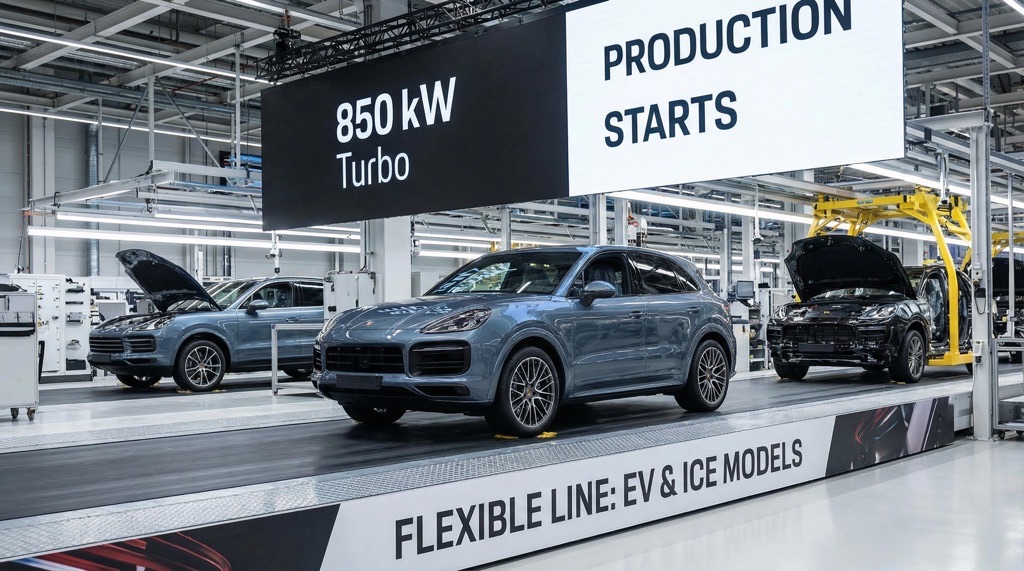
Porsche has begun production of the Cayenne Electric at its Bratislava facility in Slovakia, marking the first time the SUV shares an assembly line with gas and hybrid variants for demand flexibility. The Turbo Electric model delivers 850 kW (1,156 hp), making it Porsche’s most powerful mass-produced vehicle, with deliveries starting late summer 2026.
This development expands Porsche’s EV lineup as its third fully electric model after the Taycan and Macan Electric, using in-house battery modules and an 800V architecture for rapid charging.
Background: Porsche’s EV Push at Volkswagen’s Bratislava Plant
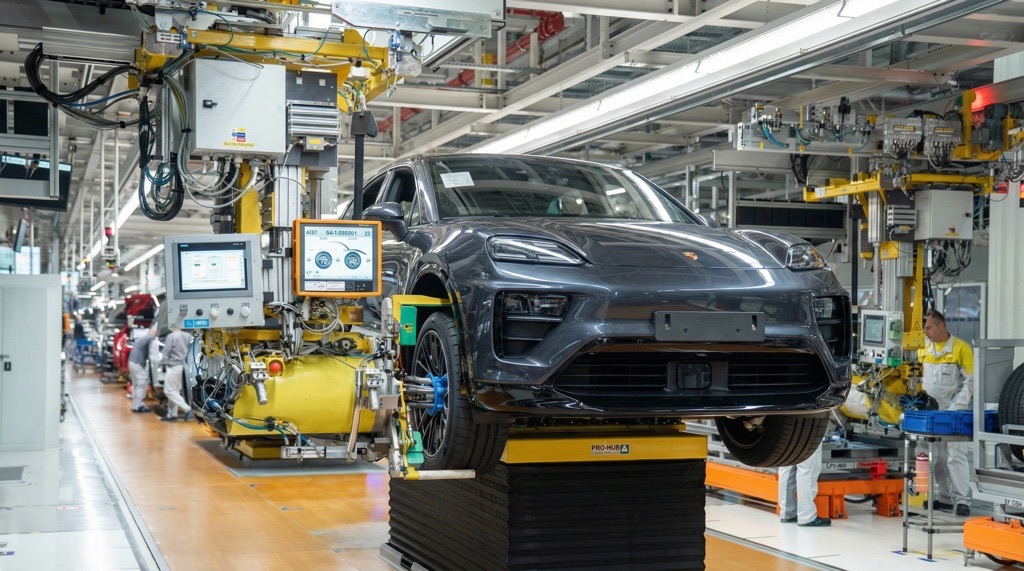
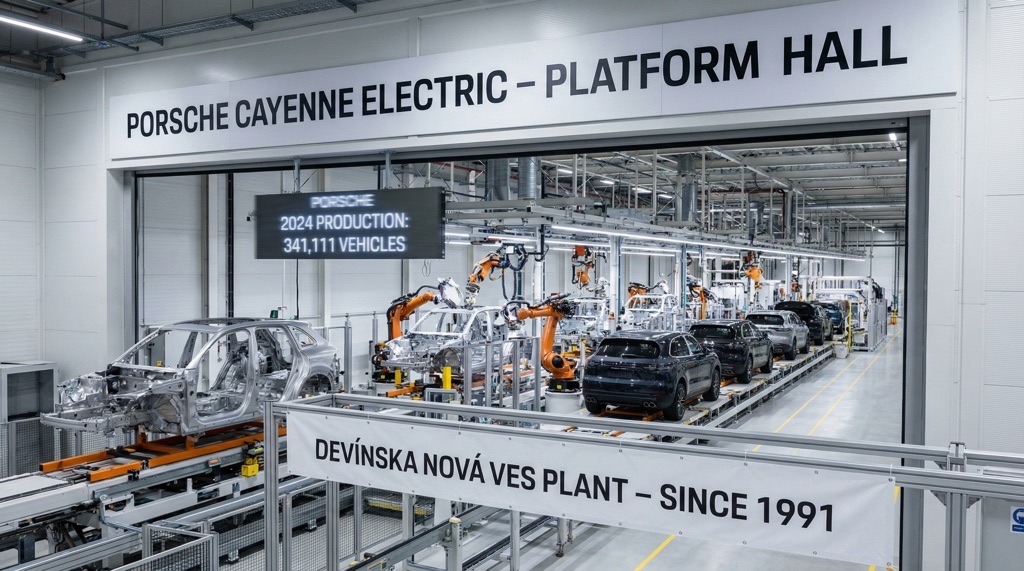
Porsche, a Volkswagen Group brand, has produced the Cayenne at the Bratislava plant since 2017, following partial assembly there from 2002. The Devínska Nová Ves facility, part of Volkswagen since 1991, spans 2 million square meters and produced 341,111 vehicles in 2024, nearly half electrified. It now assembles 12 models from four brands on highly automated lines.
For the Cayenne Electric, unveiled in mid-November 2025, Porsche expanded the site with a new ‘platform hall’ for the skateboard chassis assembly. Nearly 90% of bodywork uses robots with laser welding and 300 meters of adhesive for aluminum-steel structures. Body panels come from an on-site press shop, one of Europe’s most modern.
Porsche’s vertical integration includes the Smart Battery Shop in Horná Streda, 100 km away, opened with Porsche Werkzeugbau. It assembles 132 modules per hour using LG Energy Solution pouch cells, enabling six modules per 113 kWh battery (108 kWh net). Modules go to Webasto for final pack integration before Bratislava.

Key Specifications
| Specification | Details |
|---|---|
| Powertrain Variants | Base: 300 kW (402 hp), boost to 325 kW (435 hp) Turbo Electric: 850 kW (1,156 hp) |
| Battery | 113 kWh gross (108 kWh net), 800V architecture 6 in-house modules, double-sided cooling |
| Range | Up to 642 km WLTP, >600 km claimed |
| Performance | Turbo: 0-100 km/h in 2.5 s |
| Charging | 325 km in 10 min (high-power DC) Wireless 11 kW option (2026) |
| Dimensions/Capacity | 5 seats, 781-1,588 L trunk Towing: 3,500 kg |
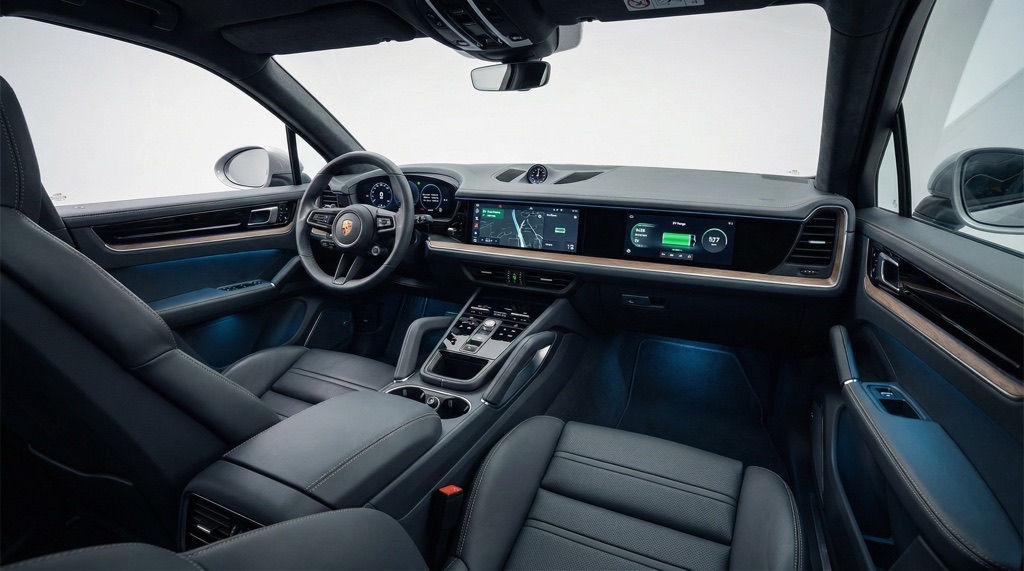
| Infotainment | 14.25-inch curved OLED driver display Passenger screen for nav/music |
| Pricing (US) | Base: $109,000 Turbo: $163,000 |
| Pricing (EU) | Base: €109,900 / Germany €105,200 Turbo: €170,900 |
Production Innovations: Flexibility and In-House Control
The Bratislava line’s multi-powertrain approach—ICE, hybrid, BEV—allows rapid shifts based on demand, cushioning market volatility. A resident Porsche team ensures quality via real-time data monitoring and RFID tracking. Camera-based inspections maintain high standards in the 90%+ automated body shop.
 Cars
Cars
Conquering Nature in Luxurious Electric Style: The BYD Yangwang U8 Off-road Master Edition
Sometimes a regular SUV just doesn’t cut it when you want to really get off the beaten path and conquer...
 Cars
Cars
Kia EV2 Debuts as the Brand’s Most Affordable Electric Vehicle Yet
Kia Enters the Budget EV Segment With the New EV2 Crossover After nearly a year of teasers, Kia has officially...
 Cars
Cars
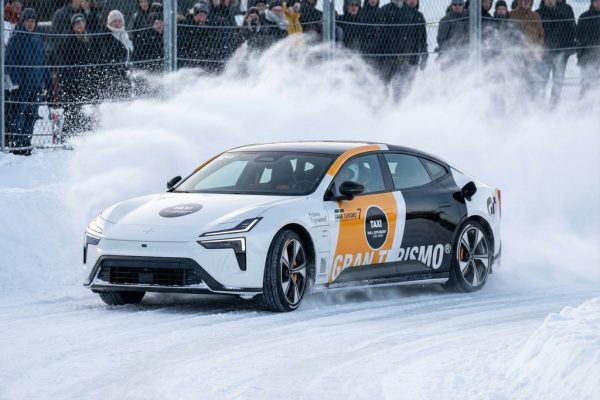
Polestar 5 Delivers 884 HP on Ice at FAT Race, Proving EV Stability in Extreme Cold
Polestar unveiled the 884-hp Polestar 5 Performance at the FAT Ice Race in Zell am See, Austria, where it demonstrated...
Battery production at Horná Streda emphasizes precision stacking and welding of pouch cells. The double-sided cooling—two plates sandwiching cells—is a world-first for thermal management under high loads. 800V tech supports ultra-fast charging, adding 325 km in 10 minutes.
Interior tech includes Porsche’s largest screen area: a 14.25-inch OLED gauge cluster and passenger display. Practicality remains with five seats, expandable cargo, and 3,500 kg towing. Wireless charging at 11 kW arrives in 2026 for cable-free home use.
Performance and Powertrain Details
The Turbo Electric’s 850 kW makes it Porsche’s strongest series car, verified at end-2024 data. Base models suit daily use at 300-325 kW. All share the 113 kWh pack for 642 km WLTP range. Extensive customization integrates into production, with complex options handled in dedicated areas before rejoining the line.
Market Challenges Amid EV Slowdown
Porsche faces headwinds: Bloomberg reports potential delays or cuts to the electric 718 Boxster/Cayman due to China demand weakness, costs, and slowdowns. Cayenne Electric pricing exceeds ICE—Germany base €105,200 vs. €101,500 petrol—while hybrids cost more. EU prices start higher at €109,900.
First deliveries hit late summer 2026. Unanswered: exact US WLTP/EPA ranges, full efficiency figures, and real-world charging speeds beyond claims. Production capacity details for EVs vs. others remain unconfirmed.
Comparison: Cayenne Electric vs. Competitors
| Model | Power (kW/hp) | Battery (kWh) | Range (WLTP km) | Price Start (US/EU) |
|---|---|---|---|---|
| Porsche Cayenne Electric Base | 300/402 | 113 | 642 | $109k / €109.9k |
| Audi Q8 e-tron | 300/402 (base) | 114 | 582 | $75k / €83k |
| BMW iX xDrive50 | 385/523 | 111 | 630 | $88k / €105k |
| Mercedes EQE SUV | 215/292 (base) | 96 | 590 | $78k / €76k |
Cayenne leads in power (Turbo) and flexibility but trails on price vs. Audi/BMW rivals with similar specs. Range edges BMW iX; premium positioning targets luxury buyers over value seekers.
Verdict
The Cayenne Electric succeeds as Porsche’s performance EV SUV flagship, with unmatched Turbo power and production smarts ensuring quality amid multi-drive complexity. It’s for affluent enthusiasts wanting 1,156 hp, 642 km range, and SUV utility without compromises—ideal if you value Porsche dynamics over lower entry prices. Skeptics note high costs and EV market risks; wait for real-world tests to confirm efficiency claims.