
Porsche’s next-generation 718 Boxster and Cayman, originally planned as all-electric debuts in 2025, face potential cancellation amid a severe cash crunch. Bloomberg reports the company is considering scrapping the EV versions entirely due to collapsing sales in China, slow EV adoption, and software development struggles. This shift highlights the challenges of electrifying niche sports cars when buyer demand favours gasoline engines.
Originally announced in March 2022 as pure EVs, the project has seen repeated delays and revisions, with Porsche now halting orders for current gas models ahead of a 2026 production end. For enthusiasts, this creates uncertainty: will Porsche deliver electric sports cars or pivot back to internal combustion to sustain profitability?
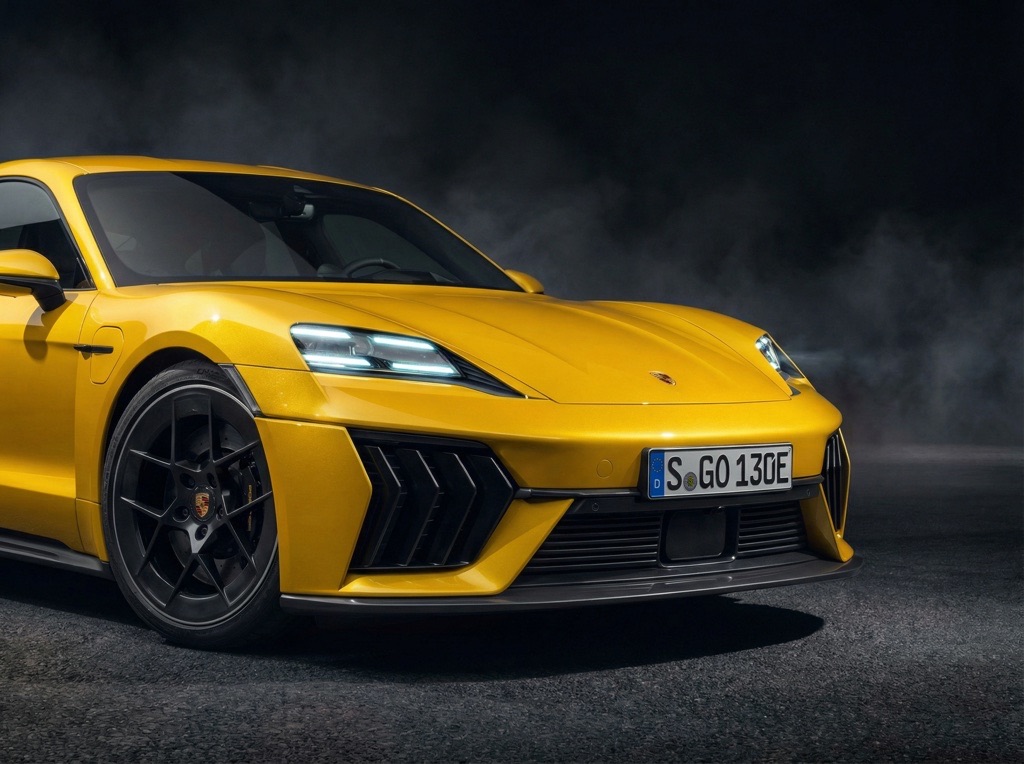
Porsche’s Rocky Path to Electrification
Porsche, a subsidiary of the Volkswagen Group, has long dominated the sports car segment with icons like the 911 and 718 lineup. The 718 Cayman (coupe) and Boxster (convertible), introduced in their current form around 2016 with turbocharged flat-four engines, represent Porsche’s entry-level sports cars, starting around $70,000.
The company’s EV ambitions peaked with the 2019 Taycan sedan, which proved electric powertrains could deliver Porsche-level performance. However, plans for full electrification across the lineup have faltered. The Macan SUV, initially set for an EV-only replacement, now gets a gas successor alongside its electric version due to weaker-than-expected demand. Similarly, the Cayenne EV will coexist with updated gas and hybrid models.
Financial pressures intensified in late 2024 and 2025. Porsche and Volkswagen saw sales plummet in China, their key market, exacerbated by tariffs and economic slowdowns. Software issues have delayed EV projects, including the 718, originally targeting a 2025 launch but now pushed to 2026 or later. New CEO Michael Leiters is reportedly prioritizing cost cuts, with the 718 EV platform—built on the PPE (Premium Platform Electric) architecture shared with Audi—potentially axed. Porsche declined to comment on the Bloomberg report.
Production of current gas-powered 718s ends in 2026, with no new orders accepted, creating a gap before any EV replacement. Sources confirm no gas extensions for the current generation, despite an earlier flexible strategy for other models.
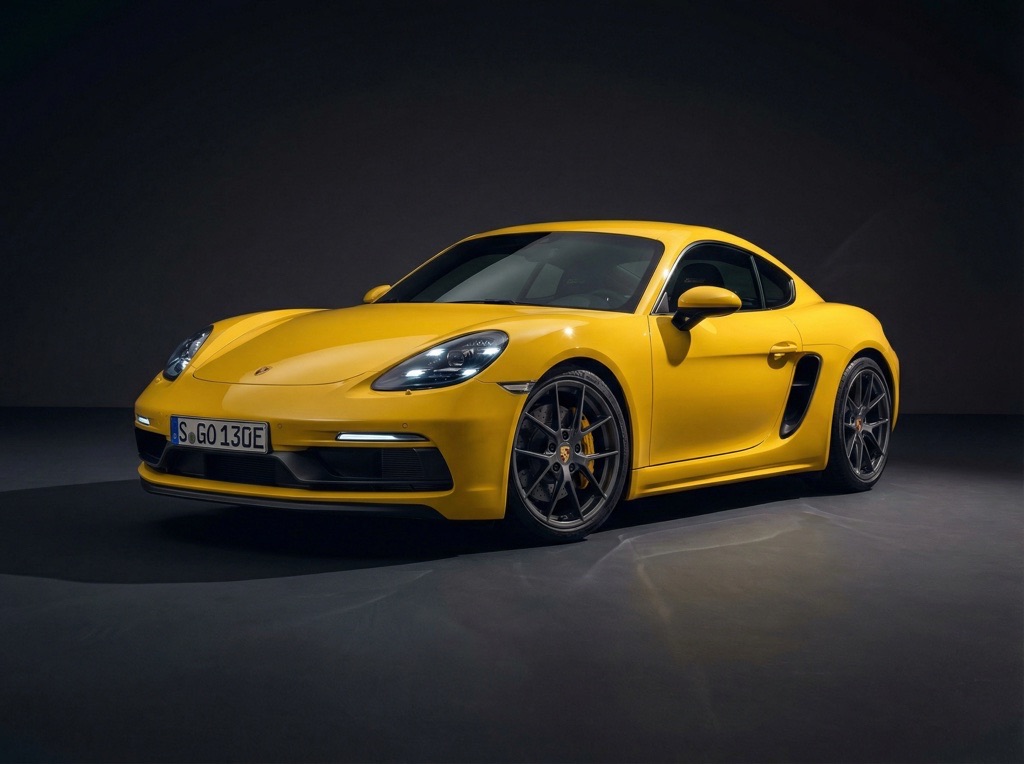
Key Specifications: What the 718 EV Might Have Offered
Details on the cancelled or delayed 718 EV remain speculative, as Porsche has released no official specs. The platform promised sports car dynamics with EV efficiency.
 Cars
Cars
The Dutch Have Built an EV So Simple Even a Toddler Could Repair It — A New Era of Right-to-Repair Cars Begins
A group of engineering students in the Netherlands may have just created every dealership service manager’s worst nightmare — and...
 Cars
Cars
Xiaomi SU7 Retains 94.5% Battery Health After 265,000 km in 18 Months – Proof of EV Battery Longevity
A Xiaomi SU7 has maintained 94.5% battery health after driving 265,000 km in just 18 months, demonstrating exceptional battery durability...
 Cars
Cars
GM’s $6 Billion EV Pivot: Why Mary Barra Still Sees Electric as the ‘End Game’ Despite 2025 Collapse
GM Doubles Down on EVs While Taking $6 Billion Charge General Motors CEO Mary Barra reaffirmed the company’s long-term commitment...
| Specification | Details |
|---|---|
| Platform | PPE (Premium Platform Electric), co-developed with Audi |
| Powertrain (Rumoured Base) | Rear-mounted single electric motor; higher trims with dual motors (front + rear) |
| Debut Target | Originally 2025; delayed to 2026+ |
| Dimensions | Similar to the current 718 for handling continuity |
| Performance Focus | Motorsport-tuned braking and handling |
| Current 718 Gas (Reference) | 2.0L turbo (300 hp) to 4.0L flat-six (500+ hp in GT4 RS) |
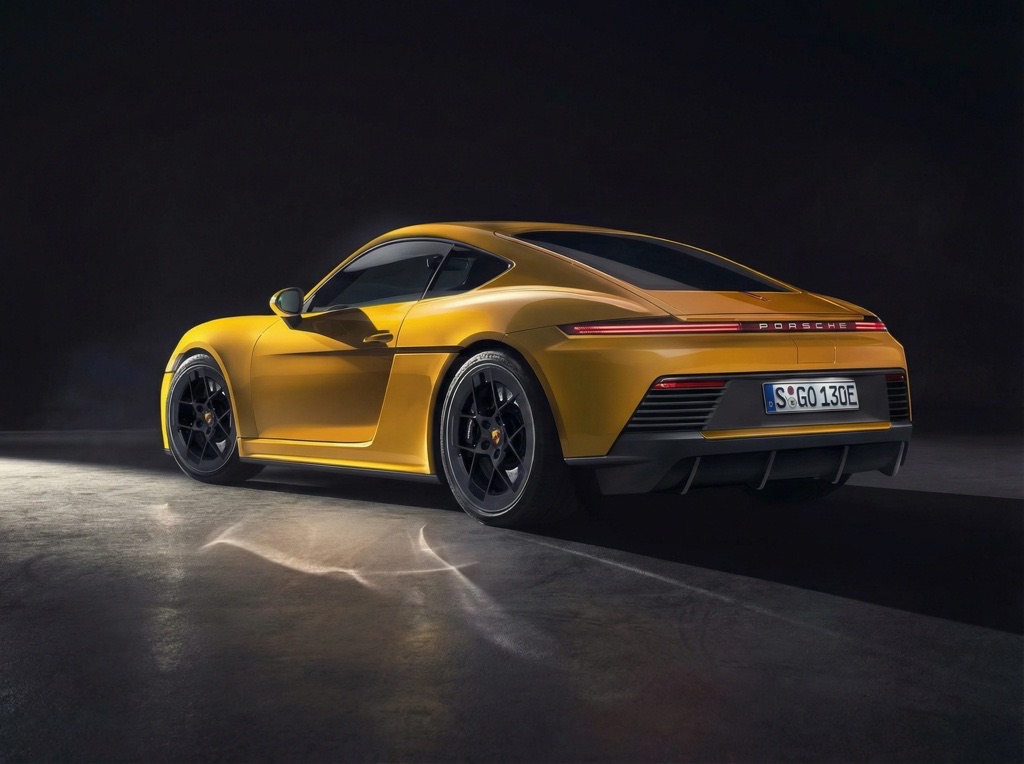
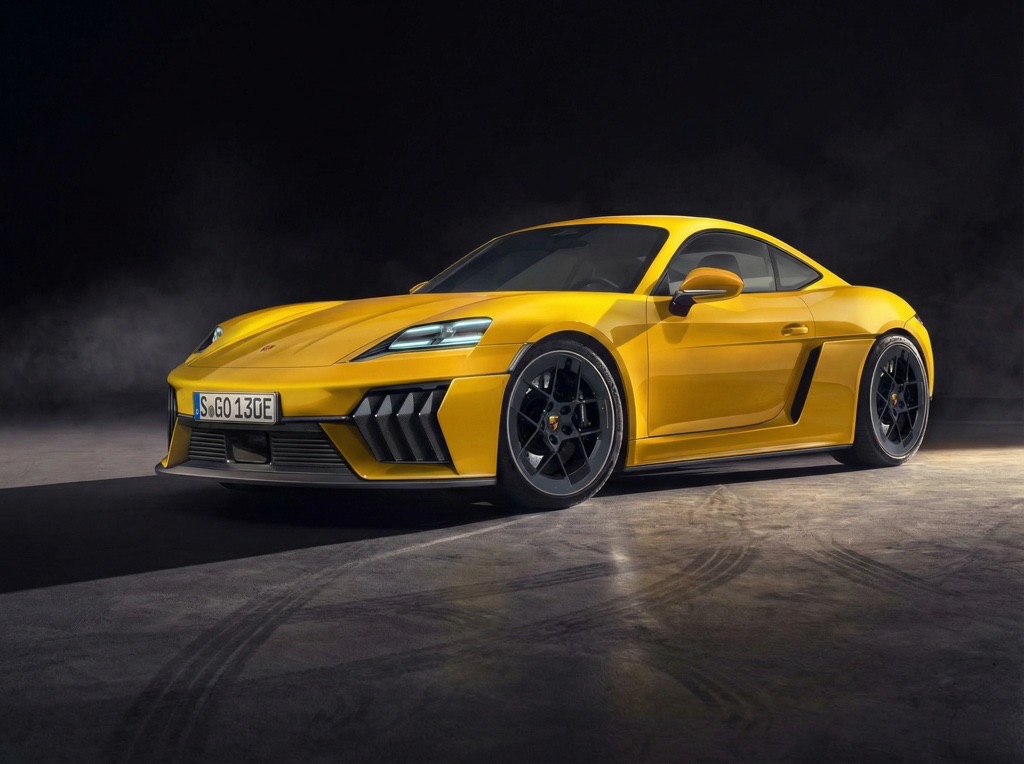
Artist renderings show evolutionary styling with larger wheels, underbody fins, and retained fender intakes for battery/motor cooling, despite no engine. No confirmed range, battery size, or pricing; estimates suggest starting above $80,000.
Financial Pressures Driving the Pivot
Porsche’s cash crisis stems from multiple blows. China sales, vital for luxury brands, collapsed amid economic woes and trade tensions. EV transition lags: Taycan demand softened, and software glitches plague development. Tariffs on imports further strain margins.
The sports car market itself is shrinking, with buyers—often older, affluent enthusiasts—prioritizing engine sound, manual transmissions, and lightweight feel over silent EVs. Porsche owners discussed weight penalties and ‘purity’ of gas cars at recent gatherings, underscoring resistance. EVs excel in torque and acceleration but lag in responsive handling due to batteries adding 500-1000 lbs.
Recent reports indicate Porsche may adapt the EV-first PPE platform for gas engines across the 718 lineup, not just high-performance GT variants—a major engineering reversal. This would allow EV and ICE models to coexist, mirroring Macan/Cayenne strategies. Production gaps until 2027 could hurt profits.
Design and Engineering Challenges
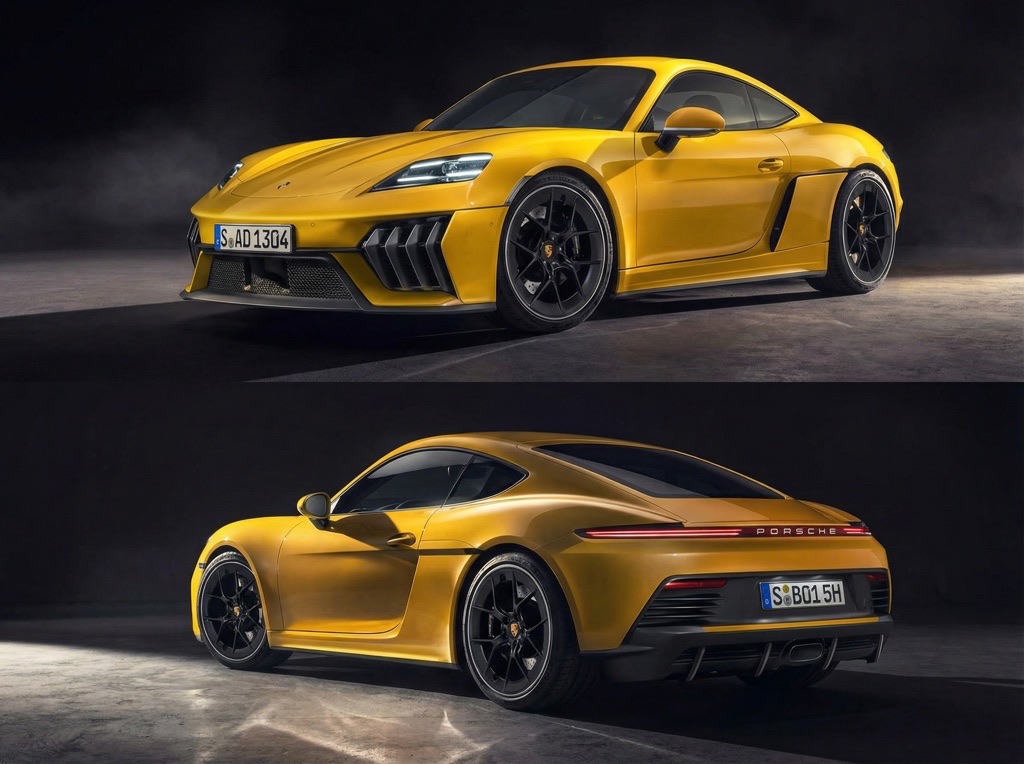
The 718 EV prototypes feature a clean-sheet body on PPE, with no carryover panels from gas 718s. Staggered wheel sizes, redesigned taillights, and vents for brake/battery cooling maintain visual links to predecessors. Front intakes, vestigial from gas eras, likely aid aerodynamics or cooling.
Engineering a gas version on an EV platform is complex: adapting for engines, radiators, and exhaust while preserving dynamics. Weight, packaging, and costs rise, but it addresses the demand for flat-six sounds. EU cybersecurity rules already phased out the current 718s in Europe, forcing a rethink.
Comparison: 718 EV vs. Competitors
| Model | Powertrain | Price (Est.) | Key Advantage |
|---|---|---|---|
| Porsche 718 EV (Rumoured) | Dual-motor EV, PPE platform | $85,000+ | Track-tuned handling |
| Polestar 6 (2026) | Dual-motor EV | $200,000+ | 911-rival power, but pricier |
| Current Porsche 911 | Gas/hybrid flat-six | $120,000+ | Proven dynamics, engine character |
| Alpine A110 | 1.8L turbo gas | $70,000 | Lighter weight, agile |
The 718 EV aimed to lead affordable electric sports cars, but now risks ceding ground to gas holdouts like the 911 or lighter rivals like Alpine. Polestar 6 targets the premium EV segment but at double the price.
Market Realities and Buyer Hesitation
Sports car sales are a ’rounding error’ in auto industry terms, with electrification even a niche. EVs must shatter track records, shed weight, and match engagement to convert purists. Quad-motor setups offer potential, but current batteries hinder it. Porsche’s Taycan and Cayenne EV succeed in SUVs, where performance trumps tradition.
Unanswered questions persist: Will gas 718s materialize? Pricing and specs for any EV? Timeline amid delays? Porsche promises ‘real sports car feeling,’ but details are not yet confirmed.
Verdict: Pragmatic Pause or EV Retreat?
Porsche’s potential 718 EV axing is a pragmatic response to cash woes and tepid sports car EV demand, prioritizing survival over bold timelines. It’s for risk-averse buyers valuing profitability over purity—gas loyalists win short-term, but long-term EV tech could prevail. Enthusiasts should watch for 2026 updates; this flexible pivot suits Porsche’s adaptive history, though it leaves EV sports car fans waiting.