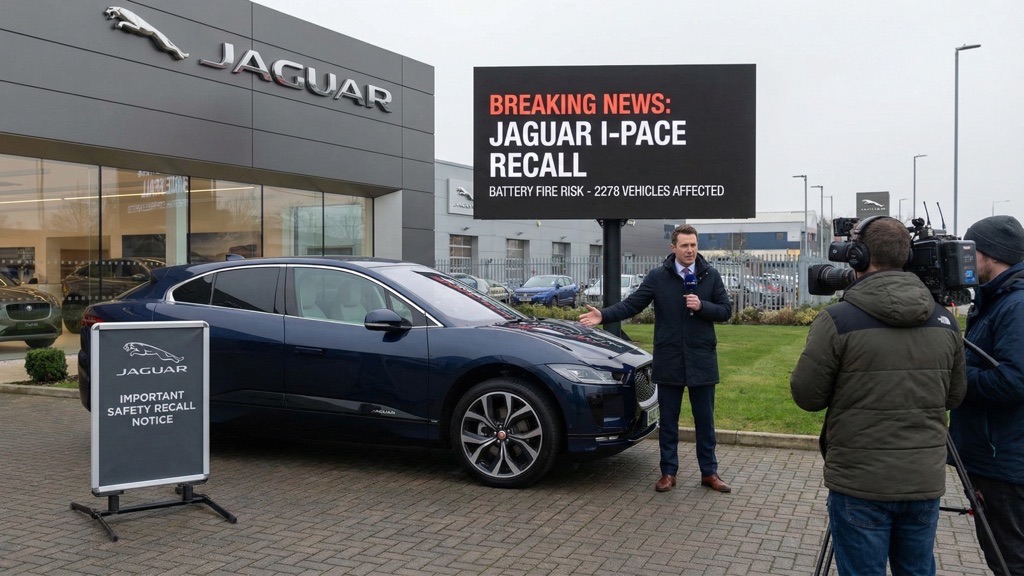
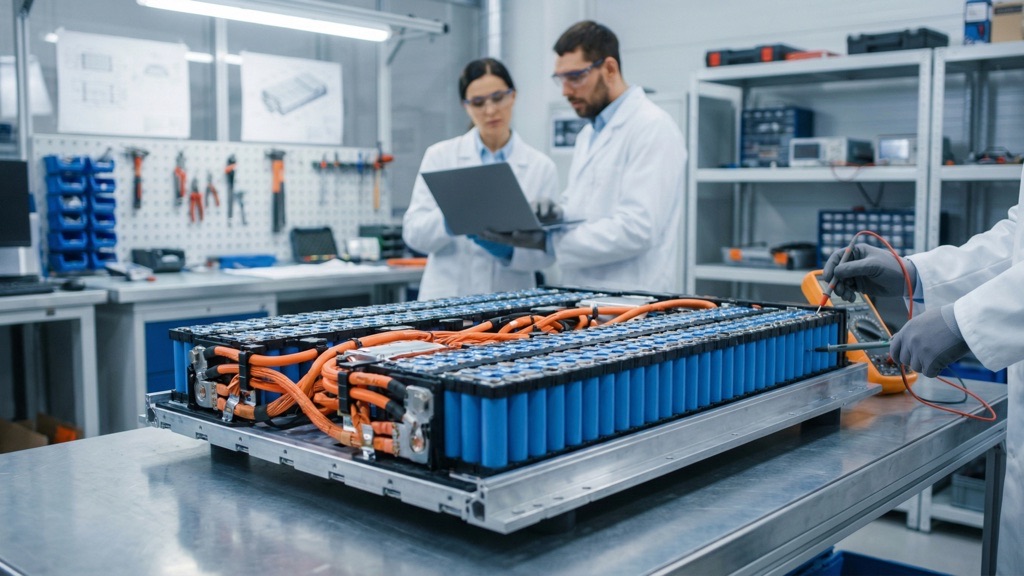
Jaguar Land Rover is recalling 2,278 2020-2021 I-Pace electric SUVs in the US due to a high-voltage battery overheating risk from folded anode tabs, which can lead to short-circuiting and potential fires. Owners must limit charging to 90% and park outside as an interim measure, with a final fix still under development. This recall highlights ongoing battery safety challenges for early EV models as Jaguar shifts to new electric platforms.
Background
The Jaguar I-Pace, launched in 2018 as Jaguar’s first all-electric vehicle, was once praised for its performance and design but has faced persistent battery issues. Produced with batteries from LG Energy Solution’s facility in Wroclaw, Poland, the model gained fame as Waymo’s choice for autonomous ridesharing. However, fire incidents post-2019 recalls prompted Jaguar’s Product Safety and Compliance Committee to investigate further, extending scrutiny to 2020-2021 units after events continued into 2024 and 2026.
Jaguar Land Rover (JLR), under Tata Motors, positions the I-Pace as a premium electric SUV competitor to the Tesla Model X and Audi e-tron. Despite sales challenges in a maturing EV market, JLR is committing to an all-electric future, including a new EV grand tourer, while addressing legacy issues like this recall filed with the NHTSA on February 5, 2026.
Key Specifications
| Specification | Details |
|---|---|
| Models Affected | 2020-2021 Jaguar I-Pace |
| Units Recalled (US) | 2,278 |
| Battery Supplier | LG Energy Solution (Wroclaw, Poland) |
| Root Cause | Folded anode tab prone to short-circuiting |
| Interim Fix | Software update limiting charge to 90% (OTA or dealer) |
| Owner Instructions | Park outside, charge outside, monitor via Jaguar Remote App |
| Notification Date | Letters mailed starting April 3, 2026 |
| Risk Estimate | 100% of affected models at risk |
Recall Details and Safety Measures
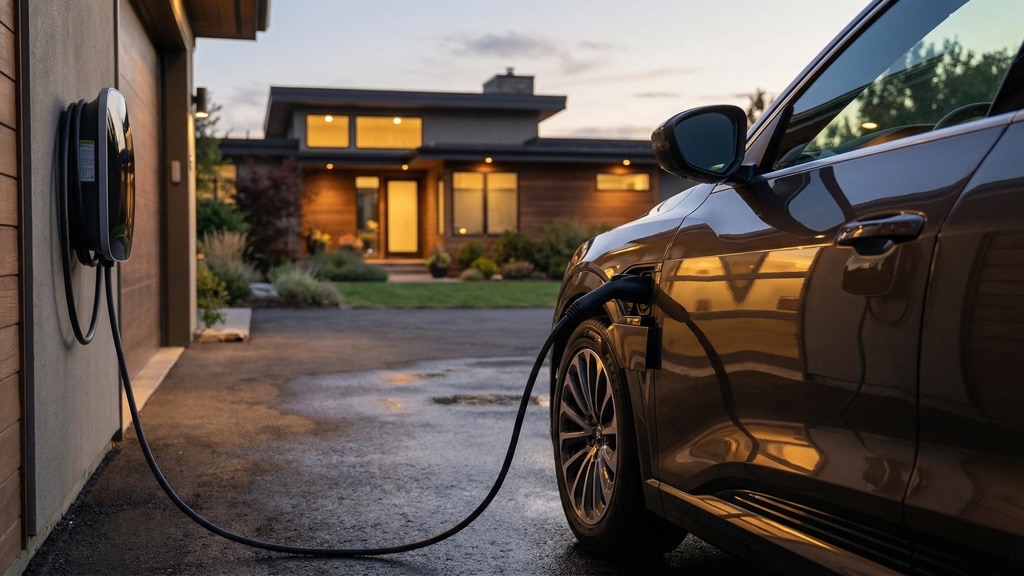
The NHTSA documents describe thermal overload in the high-voltage traction battery pack, manifesting as smoke or fire, with an ongoing investigation into affected modules. Jaguar’s interim remedy involves a software update—available over-the-air (OTA) or at dealers—to cap the state of charge at 90%. Owners are advised to unplug chargers manually at 90% using the Jaguar Remote App or vehicle display, park away from structures, and charge outdoors. No cost to owners for the interim repair.
 Cars
Cars
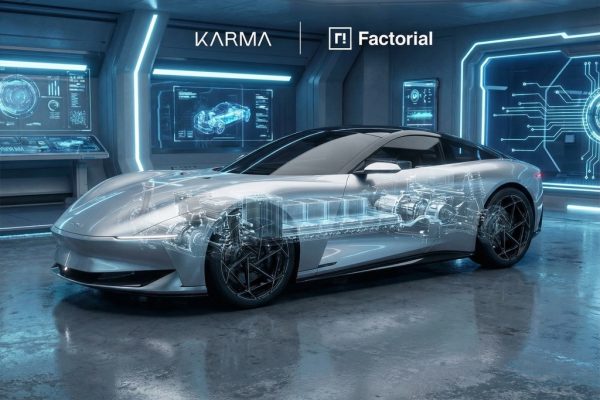
Karma Kaveya to Integrate Factorial’s FEST Solid-State Batteries for 2027 U.S. Launch
Karma Automotive and Factorial Energy have launched the first U.S. solid-state battery production program for passenger vehicles, integrating Factorial’s FEST...
 Cars
Cars
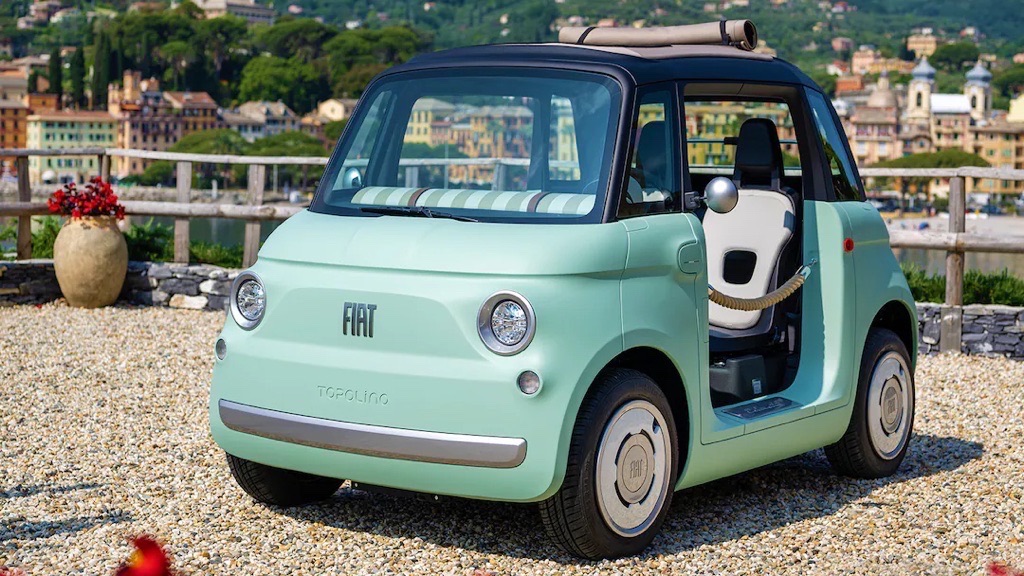
Fiat’s Cute Topolino EV Gets a Slap on the Wrist from Italian Authorities
The Tricolor Topolino Kerfuffle Well, it seems the Italians have a flair for the dramatic, even when it comes to...
 Cars
Cars
Zeekr 7GT Debuts in Europe With Record-Breaking Charging Speeds
A New Electric Wagon Takes Aim at Europe’s Premium Segment The European love affair with station wagons is far from...
Investigation and Supplier Role
Root cause traces to anode tab folding during production, despite prior thermal monitoring software. LG implemented quality improvements post-2021, excluding later I-Pace models from this risk. Supplier inspections continue on flagged modules, but a secondary fire remains unidentified. Previous 2019 recalls saw low remedy uptake, leading to post-recall fires, and this expansion.
Market Comparison
This recall echoes Hyundai’s separate action on similar LG batteries for 2021 models, underscoring supplier-wide issues. Compared to Tesla’s frequent OTA-resolved recalls or BMW’s recent 90,000-unit engine starter fire recall, Jaguar’s I-Pace fix relies on behavioral changes until a permanent solution emerges. Rivian and Lucid have avoided such large-scale battery recalls to date, bolstering their safety reputations in the premium EV SUV segment.
Verdict
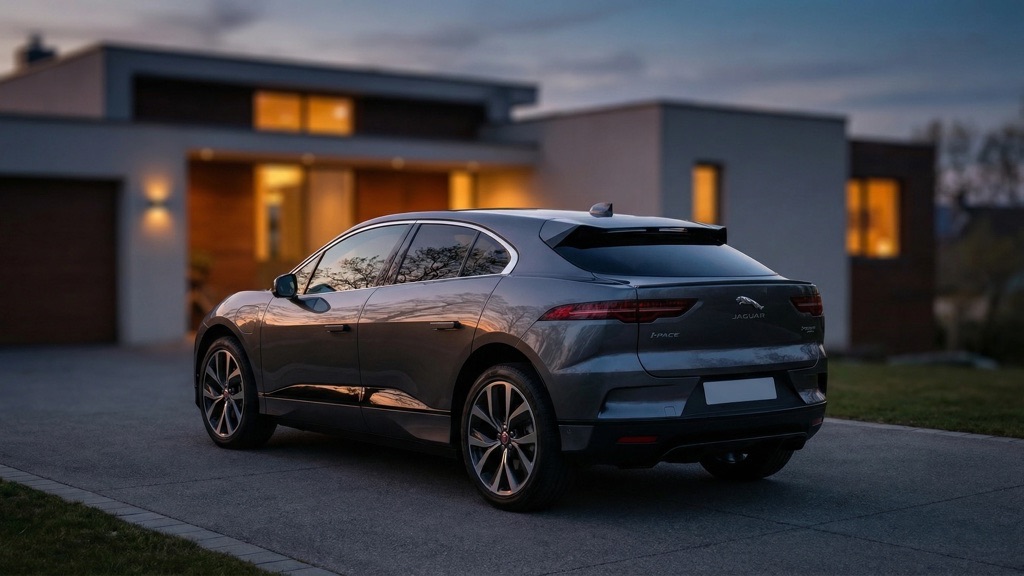
This recall underscores reliability gaps in early LG-sourced EV batteries, eroding trust in the aging I-Pace amid Jaguar’s EV reboot. Ideal for cautious owners willing to follow strict protocols, but prospective buyers should await post-2021 models or competitors like the Tesla Model Y with stronger fire prevention records. Unanswered: timeline for final remedy and global recall scope.