
Hyundai’s Most Affordable EV Takes a Year Off as Demand Crumbles
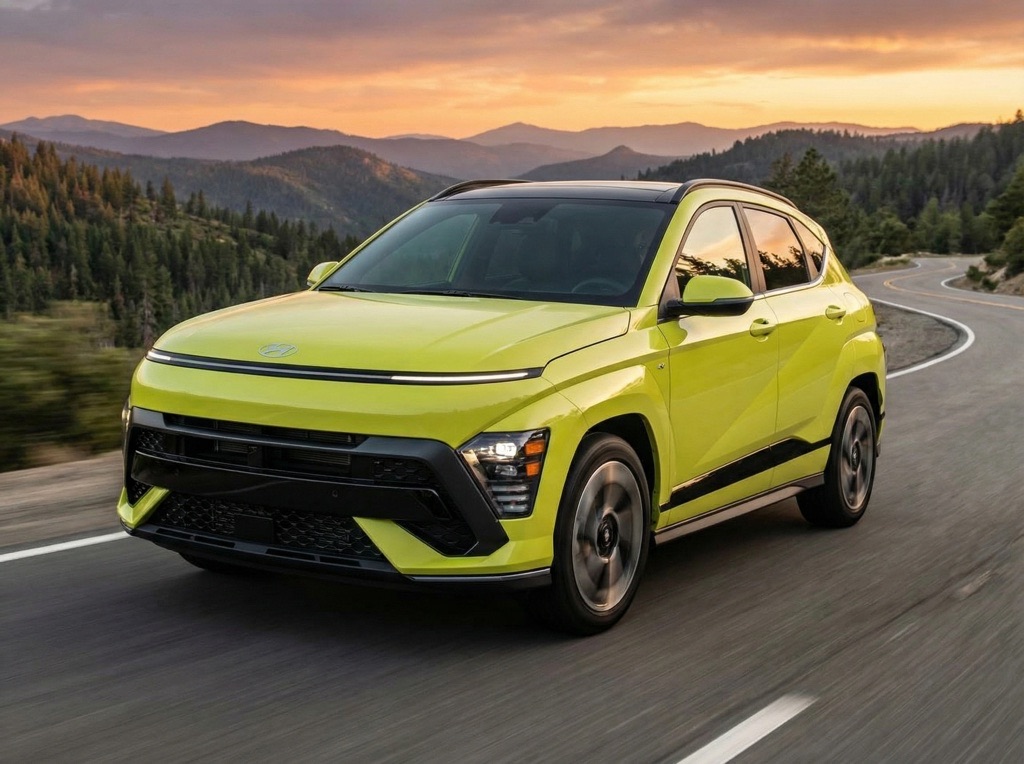
Hyundai has confirmed that the Kona Electric will skip the 2026 model year in the United States, with production halted at its South Korean factory due to weak sales and excess dealer inventory. The company’s smallest and most affordable EV will return as a 2027 model with production resuming in June 2026, according to a Hyundai spokesperson who confirmed the move to Car and Driver.
The decision reflects a dramatic collapse in Kona Electric demand. Hyundai sold just 3,011 Kona Electric units in 2025, representing a 41% decline compared to 2024, according to Cox Automotive data. “There is an adequate stock of the 2025 model year Kona Electric to manage consumer demand for the model at this time,” a Hyundai spokesperson stated, effectively acknowledging that continuing production would only pile unsold inventory into dealerships.

Background: From Market Leader to Struggling Entry Point
The Kona Electric launched in 2019 as Hyundai’s first EV, converting the popular gasoline Kona subcompact crossover to electric power. For years, it served as the brand’s most affordable EV gateway, priced starting just under $34,000 for the base SE trim with the 48.6-kWh battery. The vehicle’s combination of affordability and practicality made it a competitor to the Chevrolet Bolt EV and a popular choice for budget-conscious EV buyers.
However, the Kona Electric’s position weakened as Hyundai launched dedicated EV platforms like the Ioniq 5 and Ioniq 6, which offered superior technology and design. The second-generation Kona Electric, while updated, struggled to differentiate itself in an increasingly crowded market. The 2026 model was planned as a carry-over with minimal changes—just one trim level (SE) and a larger console tray as the only notable update.
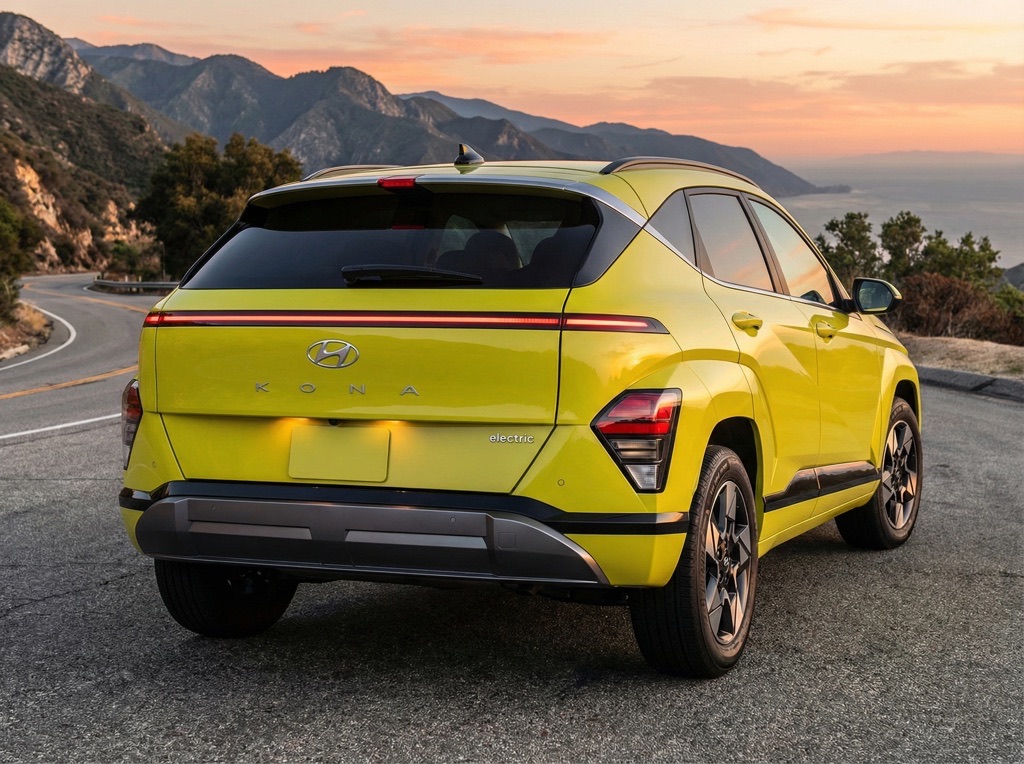
2025 Kona Electric Specifications
| Feature | Standard Range | Long Range |
|---|---|---|
| Battery Capacity | 48.6 kWh | 64.8 kWh |
| EPA Range | 200 miles | 261 miles |
| Motor Power | 133 hp | 201 hp |
| Drivetrain | Front-wheel drive | Front-wheel drive |
| Available Trims | SE, SEL, N Line, Limited | |
| Starting Price | Just under $34,000 | |






The Tax Credit Collapse and Market Headwinds
The Kona Electric’s sales collapse accelerated after the $7,500 federal EV tax credit expired on September 30, 2025, following the Trump administration’s policy changes. The elimination of this incentive removed a critical price advantage for affordable EVs, making the Kona Electric’s $34,000 starting price significantly less competitive. Hyundai Motor North America’s president and CEO, Randy Parker, acknowledged in November that the tax credit’s removal “pulled forward demand and temporarily disrupted the market,” though he expressed confidence the EV market would eventually reset.
 Cars
Cars
Mazda CX-6e: Second New Electric Mazda Confirmed for Australia in 2026
Mazda is accelerating its electric push in Australia. The brand has officially confirmed that the Mazda CX-6e, a new mid-size...
 Cars
Cars
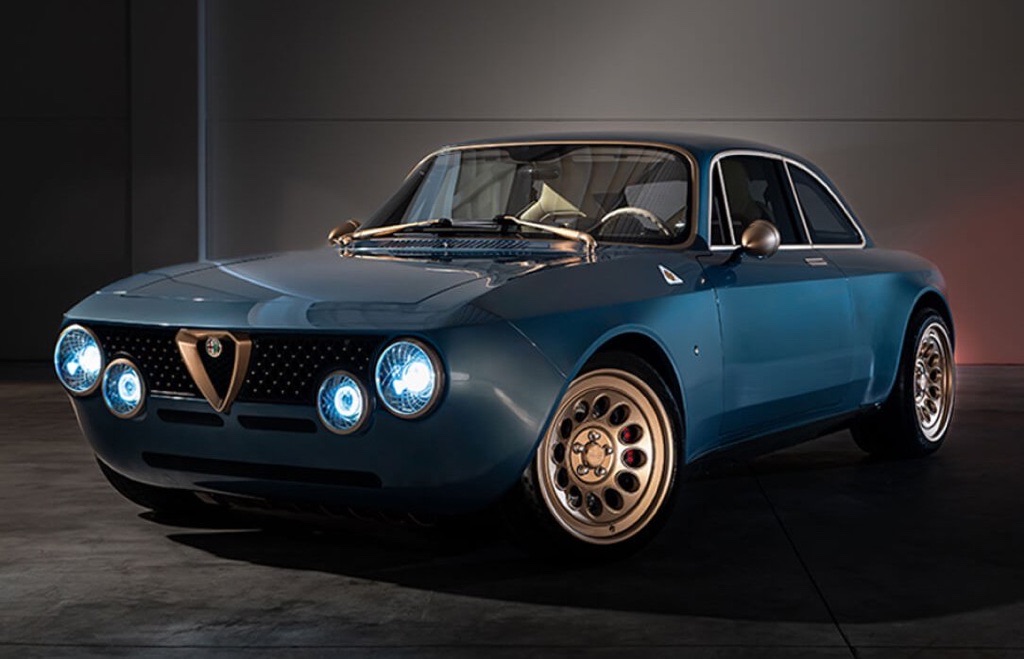
Resurrecting an Italian Icon: The Stunning Alfa Romeo GT Electric Restomod
A Legendary Car Reborn with Electric Power The Alfa Romeo Giulia is an automotive icon from the golden era of...
 Cars
Cars
Jaguar Recalls 2278 I-Pace SUVs Over Folded Anode Tab Fire Risk
Jaguar Land Rover is recalling 2,278 2020-2021 I-Pace electric SUVs in the US due to a high-voltage battery overheating risk...
The Kona Electric is not alone in facing this pressure. Volkswagen has paused the ID. Buzz for 2026, Ford and Ram have canceled their electric pickups entirely, and Kia has indefinitely delayed the EV4 due to tariffs and policy uncertainty. The broader EV market contraction has forced automakers to reassess their electrification timelines.
What’s Next: A Potential Redesign in the Works?
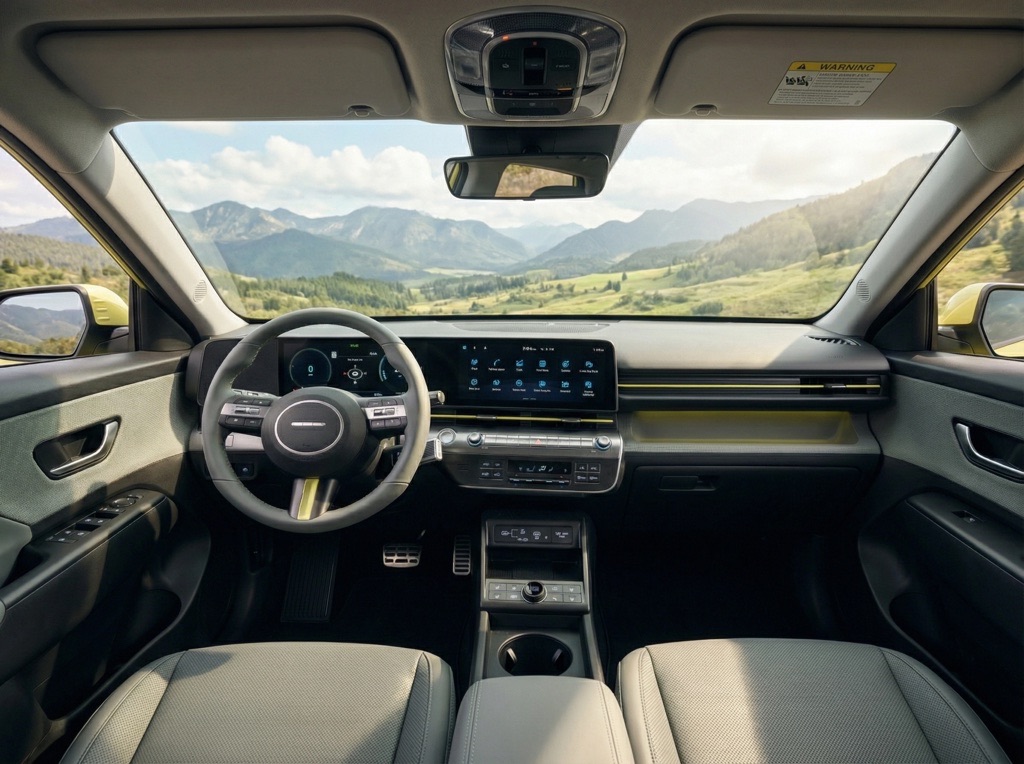
While Hyundai officially describes the pause as temporary, recent sightings of test vehicles in South Korea suggest the company may be planning more than a simple production restart. Local reports indicate Hyundai is skipping a mid-cycle refresh and developing a completely revamped Kona that draws inspiration from the Crater Concept shown at the 2025 LA Auto Show. This would represent a significant departure from the current generation and could address the design staleness that may be contributing to weak sales.
When the Kona Electric returns for 2027, Hyundai is expected to offer only the base SE trim with the smaller 48.6-kWh battery, at least initially. This streamlined approach would reduce production complexity and focus on the price-sensitive segment most likely to purchase an affordable EV.
Comparison: How the Kona Electric Stacks Up
| Model | Starting Price | Range (Base) | Status |
|---|---|---|---|
| Hyundai Kona Electric | ~$34,000 | 200 miles | Paused for 2026, returns 2027 |
| Chevrolet Bolt EV | ~$27,000 | 259 miles | Discontinued (2024) |
| Hyundai Ioniq 5 | ~$42,000 | 220 miles | Active, strong sales |
| Volkswagen ID.4 | ~$38,000 | 208 miles | Active |
The Kona Electric’s primary competitor, the Chevrolet Bolt EV, was discontinued entirely in 2024, leaving a significant gap in the sub-$35,000 EV market. This absence could actually benefit the Kona Electric’s return, as there are few affordable alternatives for budget-conscious EV buyers. However, the Kona must overcome perception issues around its aging design and compete against used EV inventory flooding the market.
Critical Questions Remaining
Several uncertainties cloud the Kona Electric’s future. First, will the redesigned 2027 model arrive with the promised June production restart, or will delays extend the hiatus further? Second, what pricing strategy will Hyundai adopt if the federal tax credit remains unavailable? Third, how aggressively will the company market the refreshed model to rebuild consumer interest? The answers to these questions will determine whether the Kona Electric can reclaim its position as America’s most affordable EV or become another casualty of the post-tax-credit EV market contraction.
Verdict



The Kona Electric’s 2026 pause is a symptom of broader EV market dysfunction following the elimination of federal tax incentives, not a death knell for the model itself. Hyundai’s decision to pause rather than cancel suggests confidence in the vehicle’s long-term viability, particularly if a redesign addresses current design fatigue. The Kona Electric’s return in 2027 will be critical: if Hyundai can deliver a meaningfully updated vehicle at a competitive price point, it could recapture the budget EV segment left vacant by the Bolt’s discontinuation. However, if the company returns with only cosmetic changes and higher pricing, the Kona Electric may struggle to justify its existence against stronger competitors like the Ioniq 5 and ID.4. Current 2025 inventory remains available for buyers seeking an affordable EV today, but patience will be required for those waiting for the next generation.