BYD’s First Japan-Exclusive K-Car Arrives Summer 2026 with Competitive Pricing
BYD has officially revealed the interior of its RACCO, a fully electric K-car designed exclusively for Japan, with a launch window of summer 2026 and a starting price of approximately ¥2.5 million ($16,340 USD). The compact EV marks the Chinese automaker’s first dedicated entry into Japan’s fiercely competitive minicar segment, which accounts for roughly 40% of the country’s new vehicle sales.
The RACCO’s unveiling at the 2025 Japan Mobility Show in October 2025 signals BYD's aggressive expansion into one of the world’s most traditional automotive markets. With its affordable price point and advanced battery technology, the vehicle directly challenges established players lNissan's Sakurakura (¥2.54 million) and positions itself as an accessible electric alternative for Japanese urban commuters.
Compact Design Meets Practical Interior
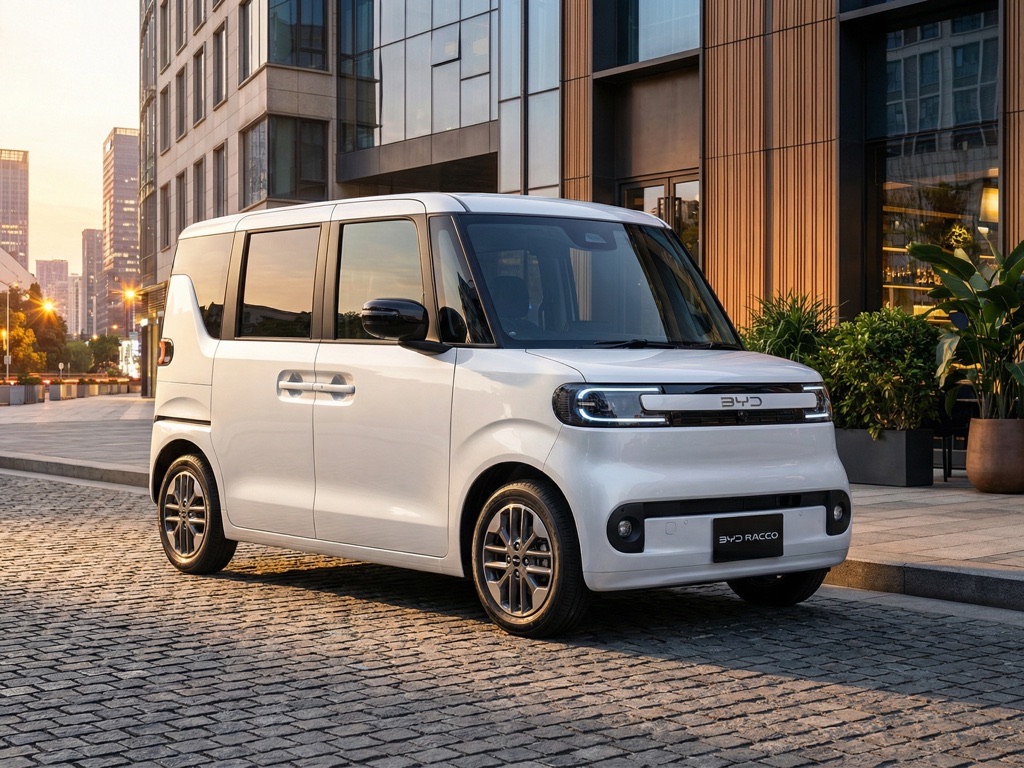
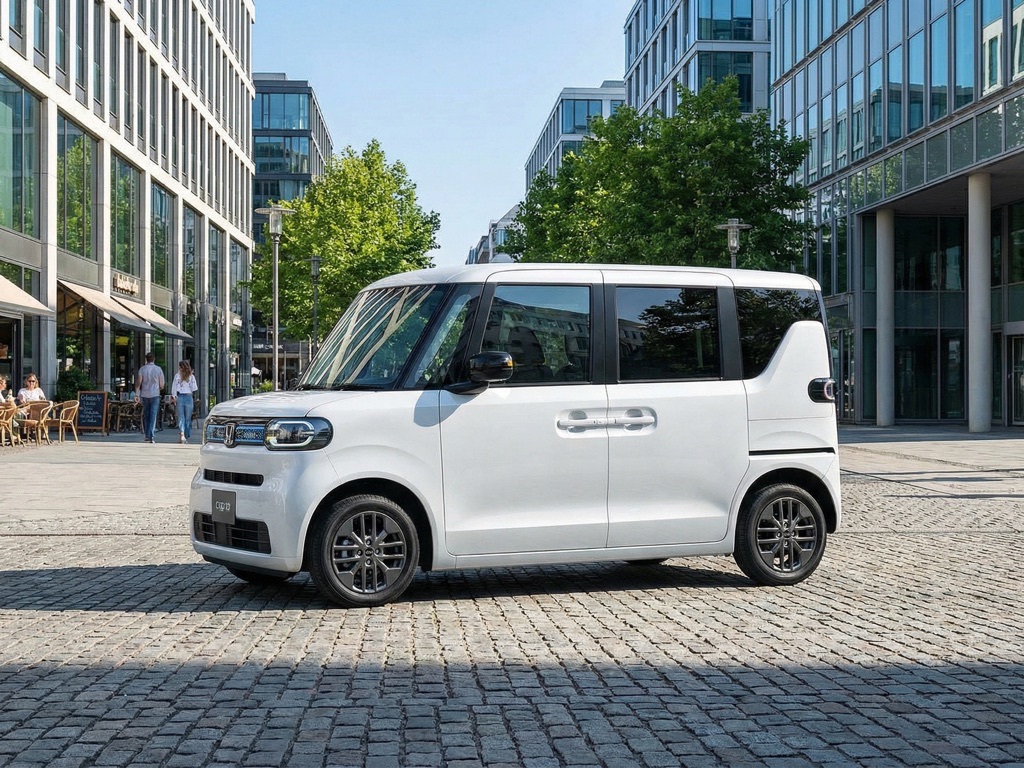
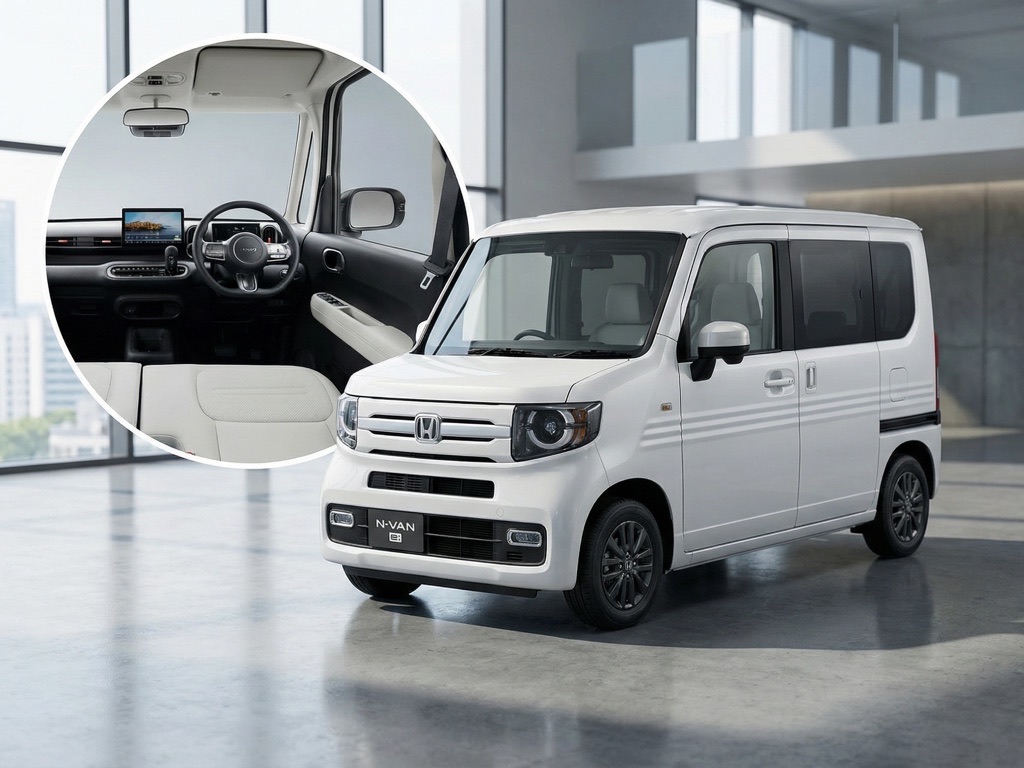
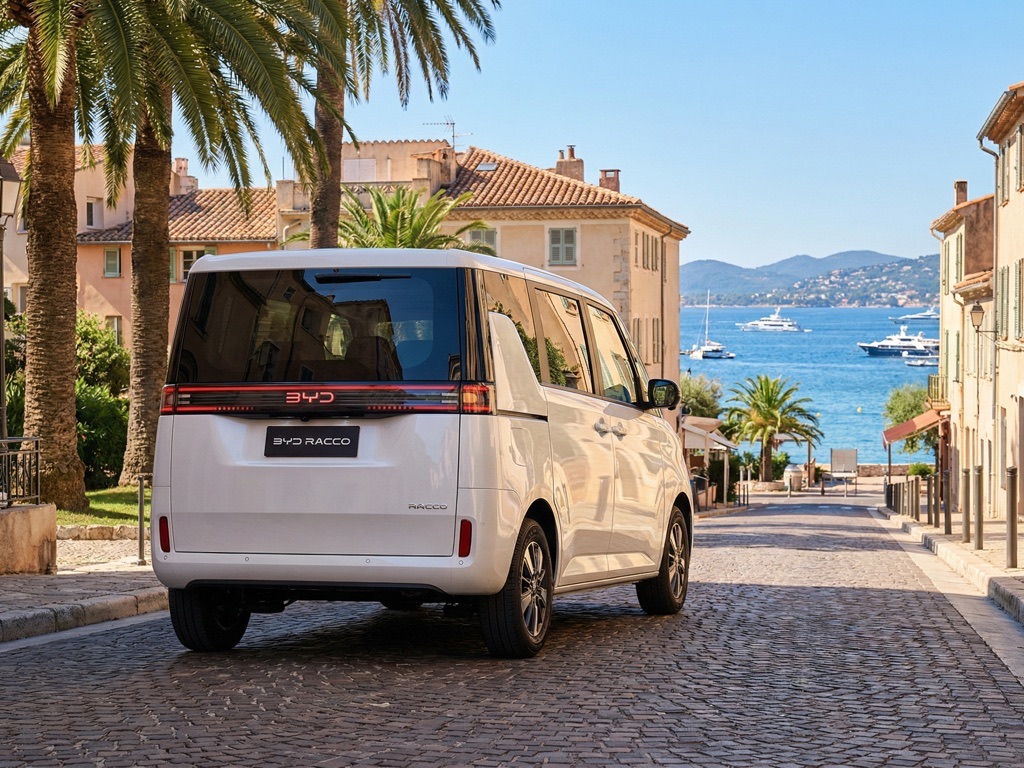
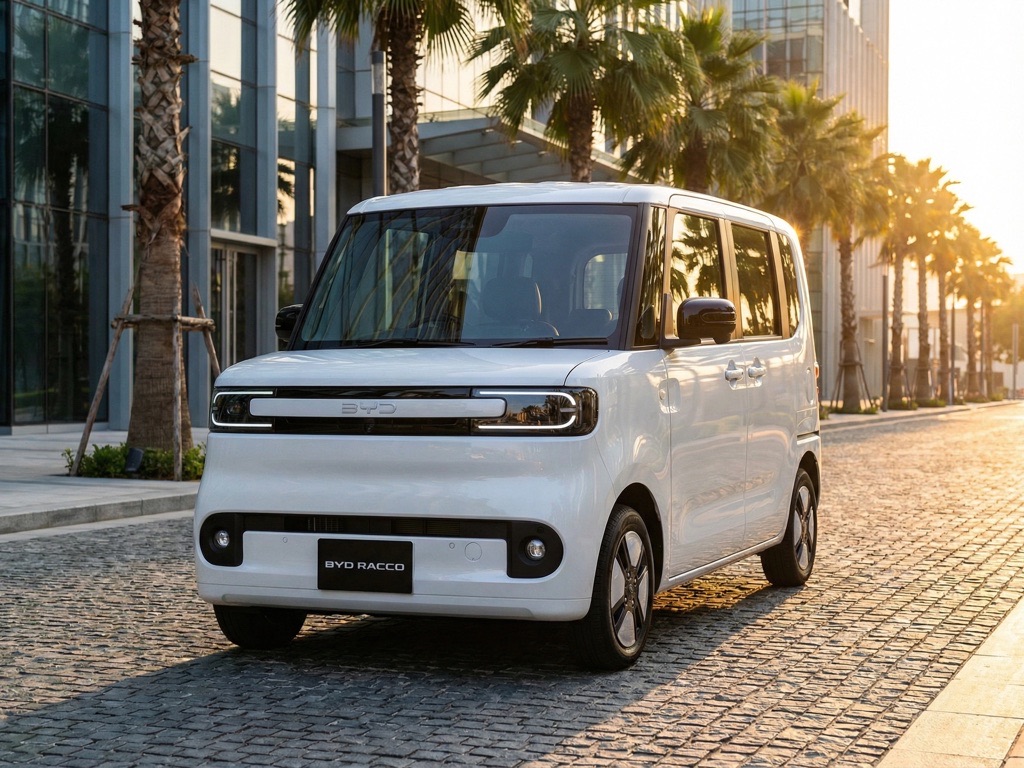
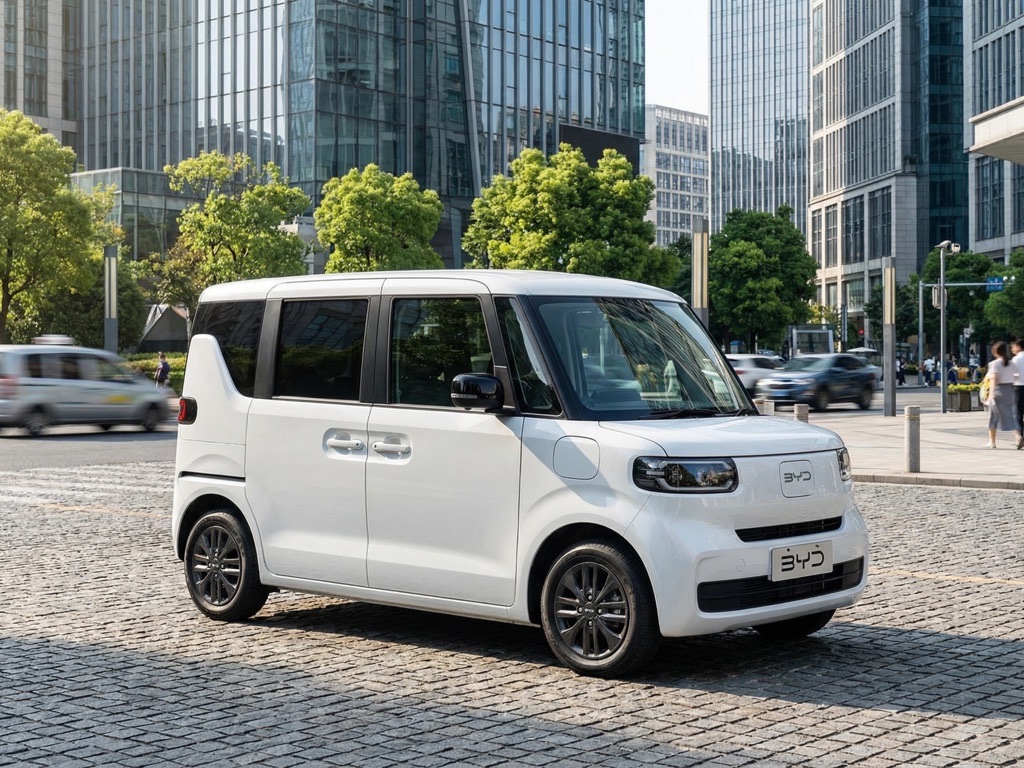
The RACCO adheres strictly to Japan’s K-Car regulations, measuring 3,395 mm in length, 1,475 mm in width, and 1,800 mm in height, with a four-seat capacity. Despite its diminutive footprint, the vehicle maximizes interior space through a long wheelbase and short overhangs—design principles inspired partly by the Honda N-Box, Japan’s bestselling minicar.
The interior features a minimalist cabin layout with a bench-style front seat configuration and flat floor, enabling easier movement between seats—a characteristic typical of Japanese microvans. The design includes a three-spoke steering wheel, digital instrument cluster, and a floating central touchscreen, with physical buttons retained for climate controls and red accents providing visual interest in the otherwise simple aesthetic.
Exterior styling emphasizes modern electric vehicle design language: a closed grille flanked by C-shaped LED daytime running lights, illuminated BYD logos front and rear, and a ring-shaped light bar at the back. The side profile incorporates a floating roof, small triangular front windows optimized for visibility, and 13-inch wheels designed for urban maneuverability.
Battery Technology and Performance Specifications
| Specification | RACCO | Nissan Sakura (Competitor) |
|---|---|---|
| Battery Type | LFP Blade (20 kWh) | Not specified |
| WLTC Range | 180 km | Similar range |
| Fast Charging | Up to 100 kW DC | Not specified |
| Starting Price | ¥2.5–2.6 million | ¥2.54 million |
| Drivetrain | Front-wheel drive | Not specified |
The RACCO utilizes BYD’s proprietary lithium iron phosphate (LFP) Blade battery technology with a 20 kWh capacity, delivering a WLTC range of approximately 180 km (roughly 200 km under China’s CLTC standard). The vehicle supports DC fast charging up to 100 kW, enabling rapid top-ups suitable for urban commuters navigating congested city environments.
 Cars
Cars
Uber, Lucid, and Nuro Unveil a New Electric Robotaxi at CES
A Major Step Toward Autonomous Urban Transport At the Consumer Electronics Show, three heavyweights of the mobility world — Uber,...
 News
News
Zeekr 001 Emerges as World’s Fastest-Charging Electric Car, Achieving Impressive Peak Power Performanc
The recently launched Zeekr 001 has claimed the prestigious title of the fastest-charging electric car, showcasing remarkable peak power capabilities....
 Cars
Cars
Tensor Robocar: The World’s First Truly Autonomous Personal Vehicle — Or Just Hype?
Now and then, a company makes a bold announcement that sounds like the future arriving early. This week, that company...
BYD’s in-house electric powertrain expertise and battery cost efficiency represent key competitive advantages over rivals. The company’s track record in Japan—particularly with electric buses that have operated reliably in several Japanese cities—provides credibility in the EV space.
Strategic Market Positioning and Sales Infrastructure
BYD entered Japan’s passenger vehicle market in 2023 and has rapidly expanded its dealership network to build brand recognition among Japanese consumers traditionally skeptical of Chinese automotive brands. By the end of 2025, BYD operated 69 dealerships across 38 prefectures—more than double Tesla’s presence in the country.
To support the RACCO launch, BYD is opening mini dealerships in remote cities with populations under 500,000, each displaying only a few models. This unconventional retail strategy prioritizes the RACCO’s visibility in rural areas where K-cars dominate purchasing decisions. BYD has set an ambitious annual sales target of 10,000 vehicles in Japan, requiring a 6,000-unit increase from 2025 levels following the RACCO’s release.
Atsuki Tofukuji, president of BYD Auto Japan, stated that the current dealership count has begun constraining sales growth as new models enter the market. The RACCO’s launch represents the company’s most significant push into Japan’s automotive mainstream, targeting the segment where Japanese consumers make the majority of their purchasing decisions.
Competitive Landscape and Market Challenges
Japan’s K-Car segment remains dominated by Nissan, Honda, and Daihatsu, creating a formidable competitive barrier for any newcomer. The RACCO’s pricing strategy—nearly identical to the Nissan Sakura—suggests BYD is betting on technological superiority and brand momentum rather than undercutting established competitors.
The vehicle’s key differentiator lies in its fully electric powertrain and low running costs, particularly relevant as Japan faces rising fuel prices and increasingly strict environmental policies. However, Japanese consumer preference for domestic brands and established reliability records presents a significant hurdle for market penetration.
BYD’s entry marks the first time a non-Japanese brand has developed a dedicated K-car model (excluding adapted vehicles like the Smart K), representing a watershed moment for Japan’s traditionally insular automotive market.
Verdict
The BYD RACCO represents a calculated and well-resourced challenge to Japan’s minicar establishment. With competitive pricing, proven battery technology, and a distribution strategy tailored to rural demand centers, BYD has positioned itself to capture market share in the segment most resistant to Chinese automotive brands. The vehicle is ideal for budget-conscious urban and rural commuters prioritizing low operating costs and modern EV features over brand heritage. Success will ultimately depend on BYD’s ability to overcome deep-rooted consumer preferences for Japanese manufacturers—a challenge no Chinese automaker has definitively solved in Japan’s passenger vehicle market. The RACCO’s summer 2026 launch will provide the first real test of whether Chinese EV technology and aggressive market strategy can penetrate Japan’s fiercely protected automotive ecosystem.