
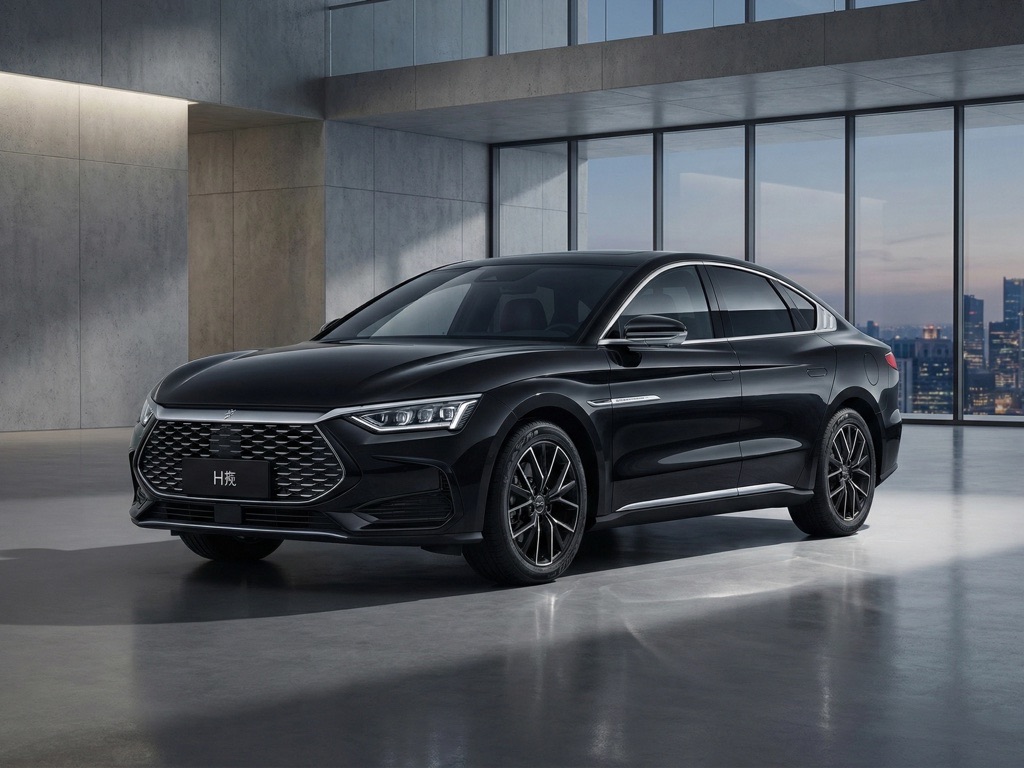
BYD has unveiled the Linghui e9, a new electric sedan designed specifically for the ride-hailing and fleet markets, offering up to 605 km of range with dual battery configurations and motor outputs between 135–150 kW.
The Linghui e9 represents BYD’s strategic pivot toward commercial mobility services through its newly launched Linghui sub-brand, which debuted in February 2026 with four distinct models targeting different fleet segments. Unlike consumer-focused EVs, the Linghui lineup prioritizes durability, operational efficiency, and total cost of ownership for ride-hailing operators and fleet managers.
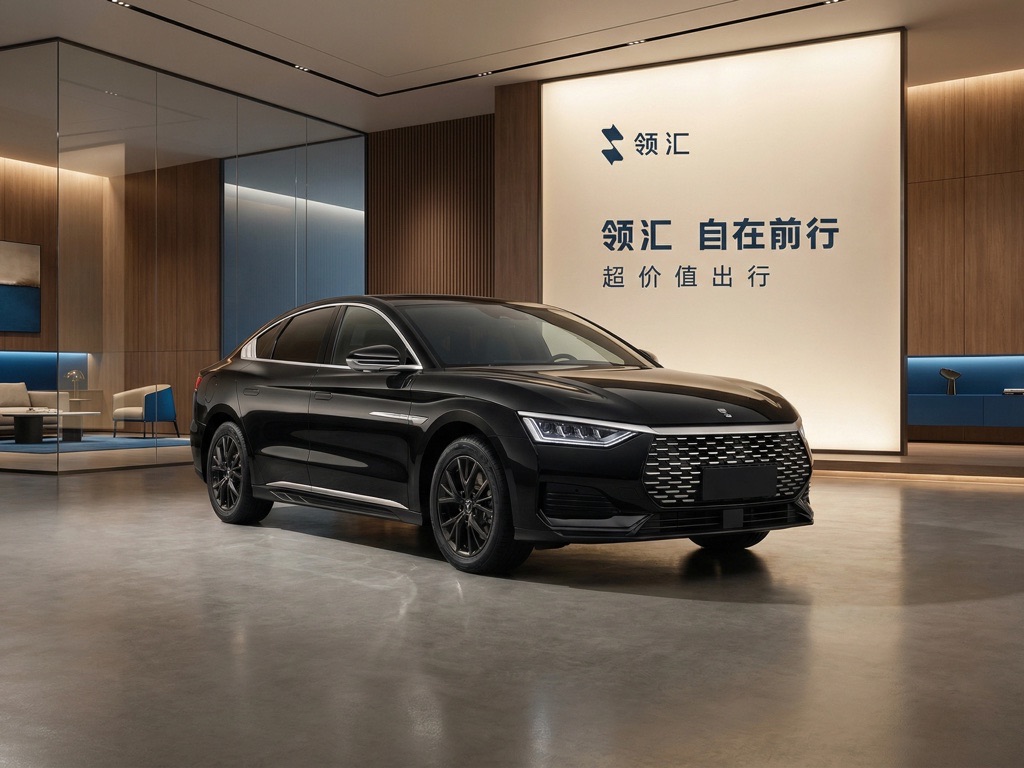
The Linghui Sub-Brand Strategy
BYD established Linghui Auto as a dedicated sub-brand to serve the commercial mobility market, moving beyond traditional consumer vehicle sales. The e9 sits at the premium tier of this lineup, positioned as a mid-to-large executive sedan for high-end ride-hailing and official vehicle applications. This strategic segmentation allows BYD to optimize each model for specific use cases: the entry-level e5 targets economy services, the e7 addresses mid-to-premium segments, while the e9 caters to luxury mobility and government fleet requirements.
The timing ofgrowing demand from ride-hailing platformsg platformsg platforms and fleet operators seeking purpose-built electric vehicles that can handle intensive daily usage while maintaining profitability. Traditional consumer EVs often lack the durability, engineering and service infrastructure required for commercial operations.
Specifications and Battery Options
| Specification | Linghui e9 |
|---|---|
| Length × Width × Height (mm) | 4,995 × 1,940 × 1,495 |
| Wheelbase (mm) | 2,920 |
| Motor Output Options | 135 kW or 150 kW |
| Battery Options | 60.5 kWh or 64.315 kWh |
| Range (CLTC) | 535 km or 605 km |
| Battery Type | BYD Blade (LFP) |
| Drive Configuration | Front-wheel drive |
| Seating | 5-seater |
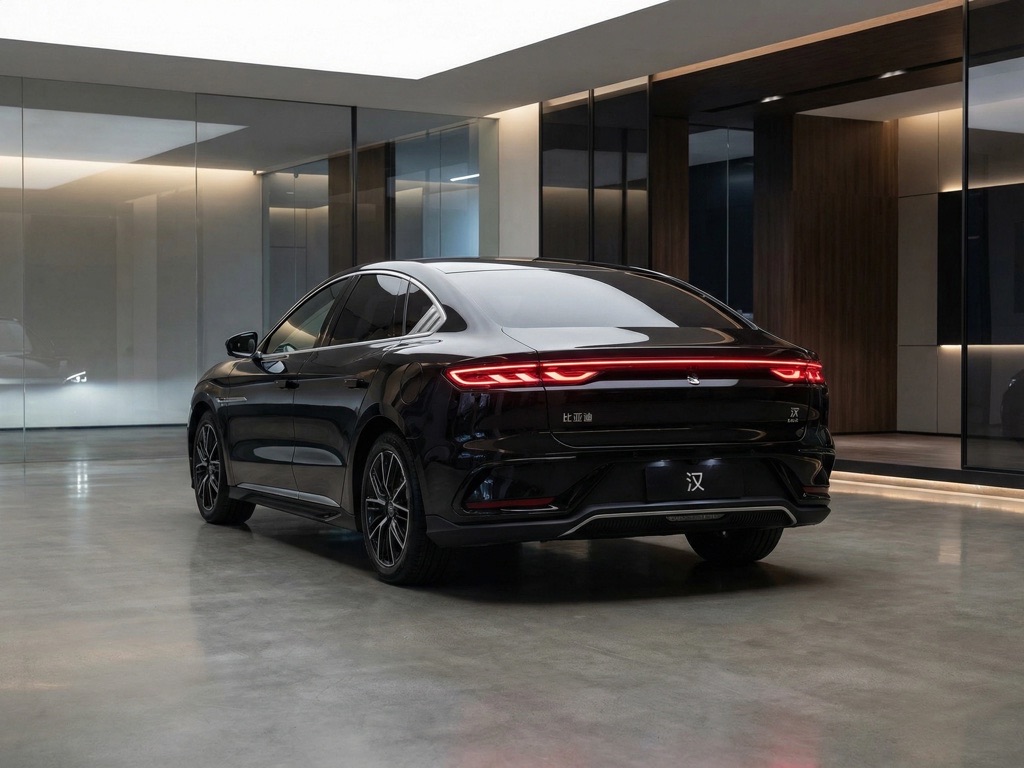
The e9 features BYD’s Blade battery technology, which uses lithium iron phosphate (LFP) chemistry. This choice prioritizes safety, longevity, and cost efficiency—critical factors for fleet operators who need vehicles to accumulate high mileage over extended service periods. LFP batteries typically offer superior cycle life compared to ternary lithium alternatives, making them ideal for intensive commercial use.
 Cars
Cars
Porsche GEN4 Formula E Car Delivers 600kW Power with Permanent AWD – Biggest Performance Leap in Series History
Porsche has begun track testing its GEN4 Formula E car, featuring 600kW (816 PS) peak power, permanent all-wheel drive, and...
 Cars
Cars
Mercedes Reveals All-Electric 2026 GLB With More Power, Longer Range and Built-In ChatGPT
Mercedes-Benz has unveiled the next-generation all-electric GLB, replacing the previous EQB and marking a major step forward for the brand’s...
 Cars
Cars
Tesla Slashes Prices in Europe With New Stripped-Down EV Versions
Tesla is making one of its boldest strategic pivots in years, launching new “Standard” versions of the Model 3 and...
The dual battery configuration provides flexibility: operators can choose the 60.5 kWh pack for shorter urban routes with 535 km range, or the 64.315 kWh option for longer-distance services requiring 605 km capability. This modularity allows fleet managers to optimize their vehicle mix based on operational patterns and route requirements.
Market Positioning and Competition
The Linghui e9 competes in a nascent but growing segment of purpose-built commercial EVs. Unlike consumer sedans adapted for fleet use, the e9 was engineered from the ground up for ride-hailing operations, incorporating design elements that support frequent passenger turnover, intensive daily mileage, and simplified maintenance.
BYD’s decision to launch Linghui reflects competitive pressures in China’s ride-hailing market, where platforms like Didi Chuxing have begun requiring or incentivizing electric vehicle adoption. By offering vehicles specifically optimized for this use case, BYD positions itself ahead of competitors still selling consumer-oriented EVs to fleet buyers. The sub-brand also allows BYD to maintain pricing discipline in its consumer divisions while offering competitive fleet pricing through Linghui.
The e9’s 605 km range addresses a critical pain point for ride-hailing operators: range anxiety during peak demand periods. With this capability, drivers can complete multiple long-distance trips without charging, improving utilization rates and operator profitability.
Production Timeline and Availability
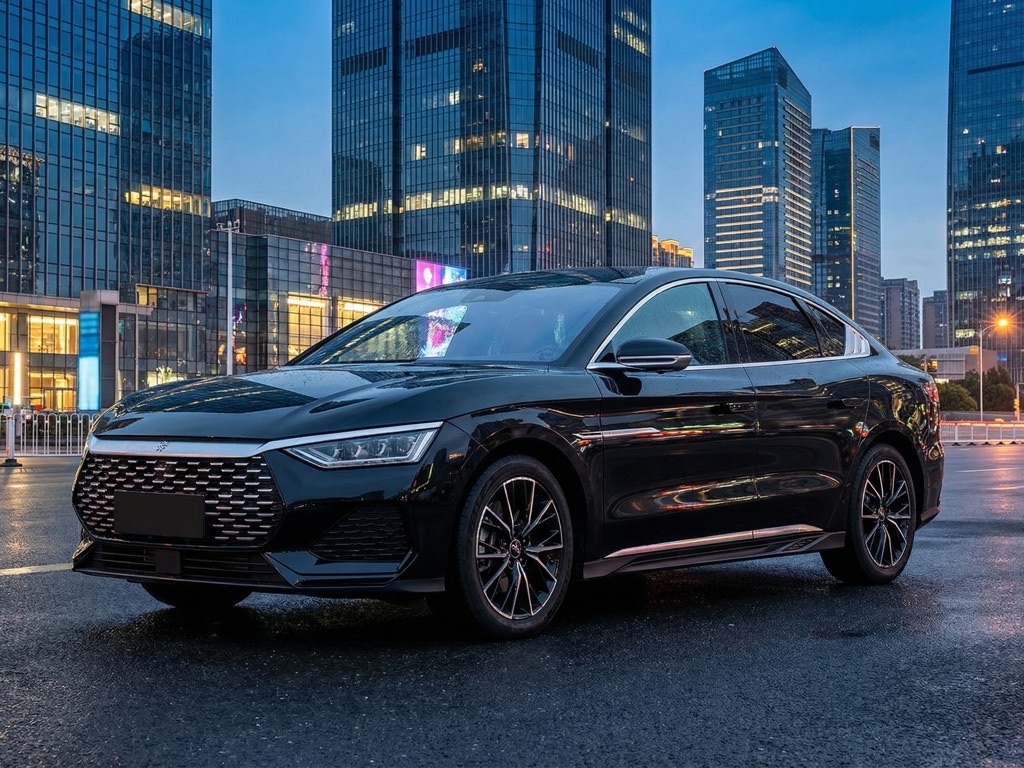
BYD targets Q2 2026 for mass production of Linghui models, with the e9 expected to begin deliveries in the coming months. This aggressive timeline suggests the company has already completed development and is ramping up manufacturing capacity. Early availability will give BYD a first-mover advantage in capturing fleet orders before competitors launch comparable vehicles.
Unanswered Questions
Several critical details remain unconfirmed: official pricing for the e9 has not been announced, charging specifications (DC fast-charging speed and time to 80%) are not yet detailed, and warranty terms specific to commercial use are unclear. Additionally, the exact horsepower figures for the 135 kW and 150 kW motors have not been specified, and real-world range testing under commercial driving conditions is unavailable. BYD has not disclosed whether the e9 will be available for direct consumer purchase or exclusively through fleet channels.
Verdict
The Linghui e9 represents a calculated move by BYD to dominate the commercial EV segment in China, where ride-hailing electrification is accelerating. With up to 605 km range, proven LFP battery technology, and dual powertrain options, the e9 addresses genuine operational requirements of fleet operators rather than consumer preferences. This vehicle is not designed for individual buyers seeking a premium sedan—it’s engineered for ride-hailing platforms and fleet managers prioritizing reliability, cost efficiency, and high-mileage durability. For BYD, Linghui represents a strategic hedge against consumer market saturation and a direct revenue stream from the rapidly consolidating ride-hailing industry.