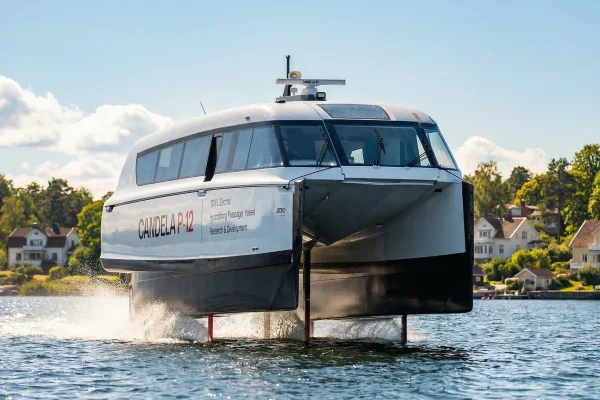
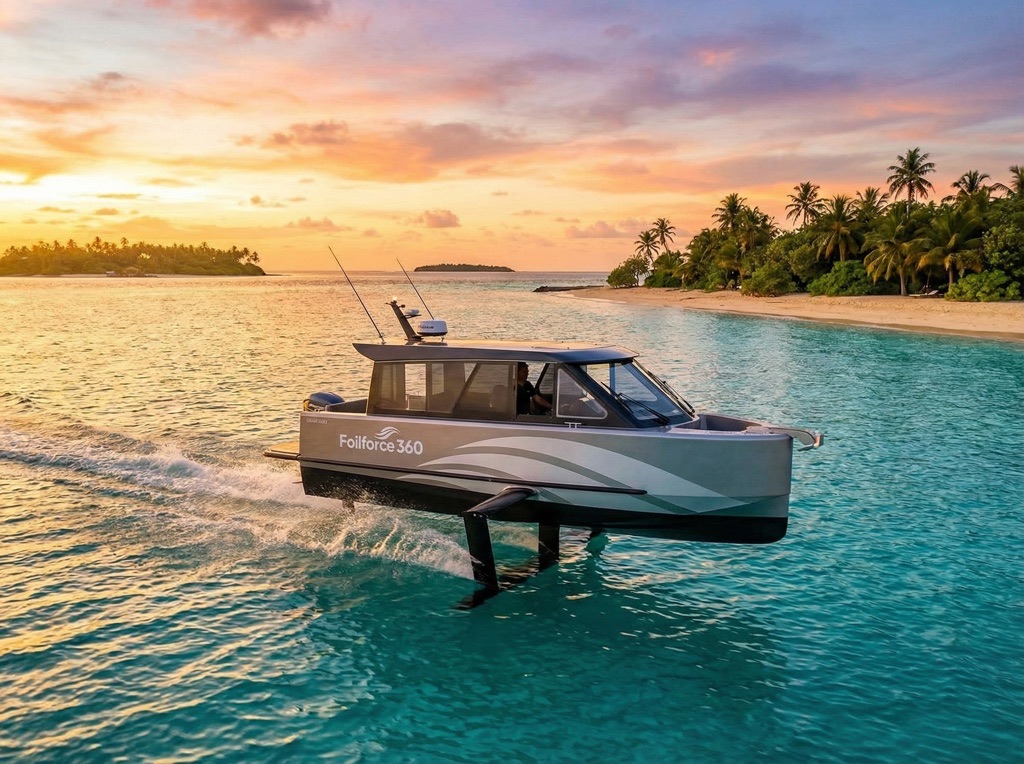
Vessev’s VS-9 electric hydrofoil catamaran completed its first trial on Lake Wakatipu on February 10, 2026, testing passenger transport between Queenstown and Kingston. This demonstration addresses Queenstown’s road congestion, where Frankton Rd saw over 1 million vehicle movements last year, by exploring the lake as an underutilized transport corridor. Readers interested in electric marine solutions for urban mobility should note this as a real-world test of scalable, low-emission water transport amid New Zealand’s fastest-growing city’s infrastructure challenges.
Background: Vessev and Queenstown’s Transport Pressures
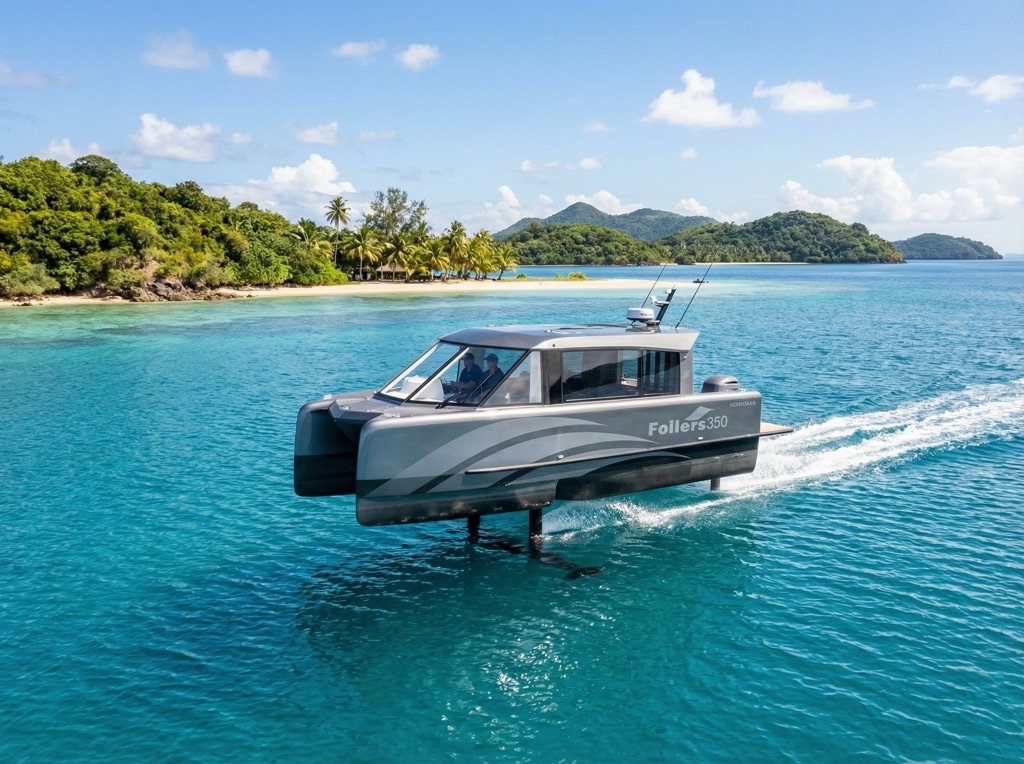
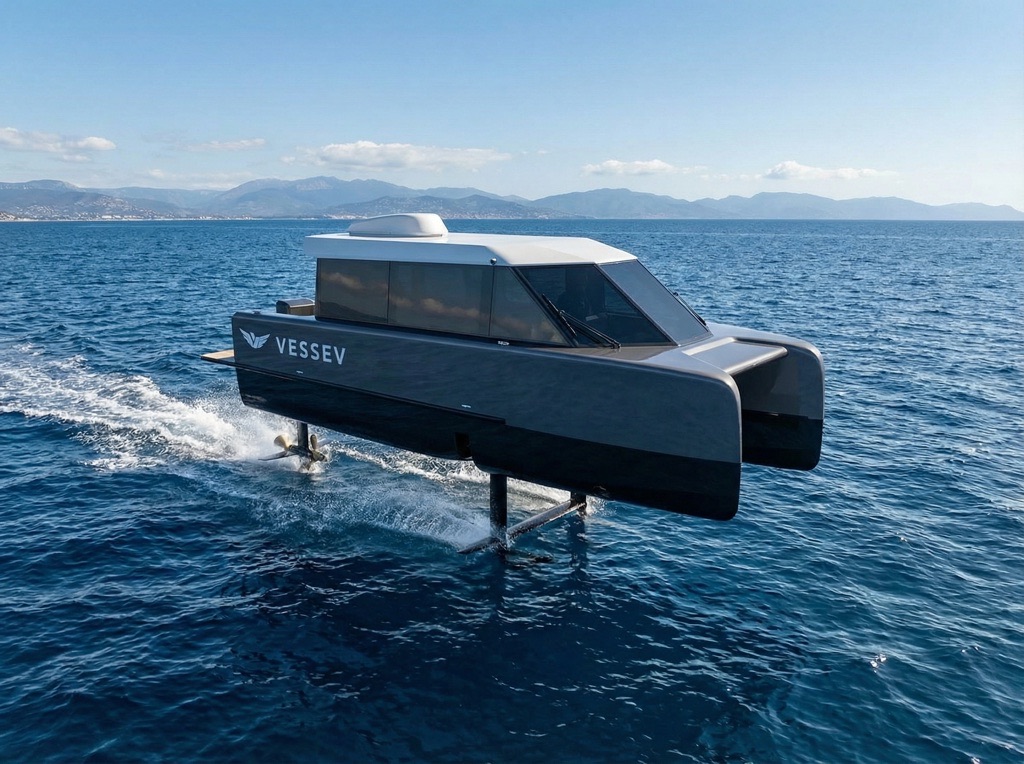
Auckland-based Vessev designs and builds commercially certified electric hydrofoiling vessels, with the VS-9 as its flagship model. Launched into commercial service over a year ago, the VS-9 has operated in Auckland Harbour since January 2025 under Fullers360 (formerly Fullers Group), marking it as one of only two such certified electric hydrofoiling passenger vessels worldwide.
Queenstown, New Zealand’s fastest-growing city, faces mounting transport strain from tourism and residential expansion. Road networks around Lake Wakatipu are constrained, with limited expansion options. Kingston Village Ltd, a residential developer, leads this trial in partnership with Vessev and regional stakeholders, including Southern Infrastructure and Destination Queenstown. The initiative builds on historical precedents like the retired Meteor III foiling ferry and recent installations like New Zealand’s first public marine EV chargers at Queenstown Marina.
Key Specifications
| Specification | Details |
|---|---|
| Model | VS-9 (also referred to as Kermadec) |
| Length | 9 meters (29 feet) |
| Type | Electric hydrofoiling catamaran |
| Foils | Carbon fiber |
| Cruise Speed | 25 knots |
| Range | Up to 50 nautical miles |
| Energy Efficiency | Up to 90% less energy than similar traditional vessels |
| Capacity (Current) | Passenger vessel (exact number not specified; future potential up to 30 passengers) |
| Certification | Commercially certified for passenger services |
| Operational History | In service since early 2025 in Auckland Harbour |
Trials and Operational Testing
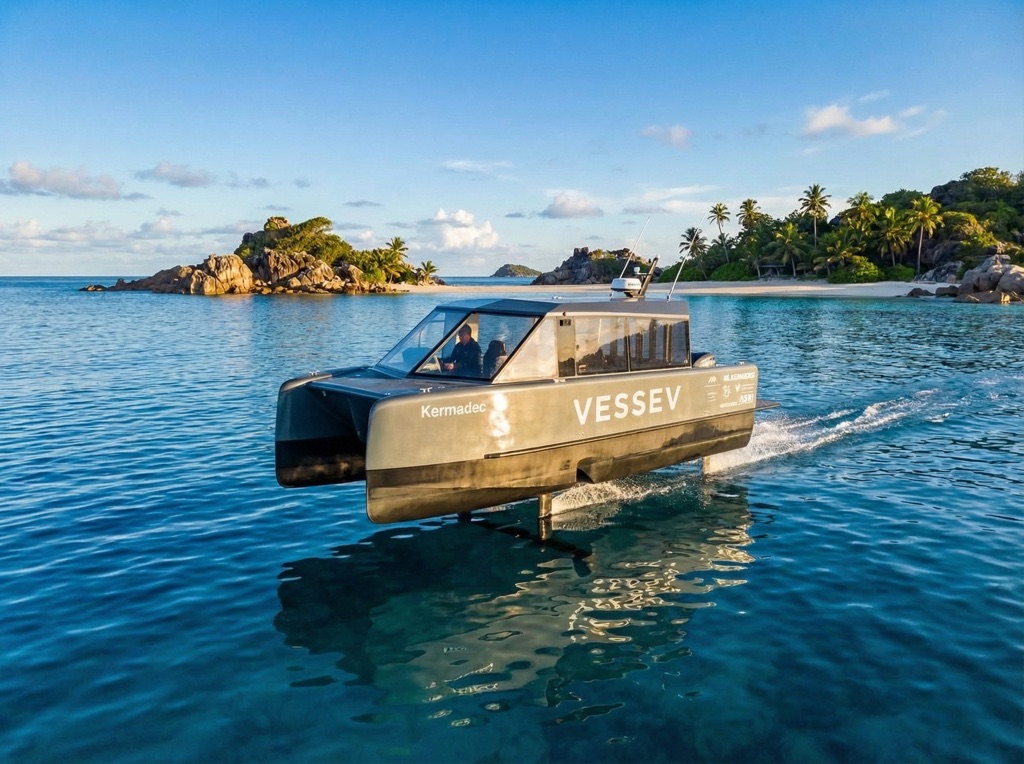
The initial trial on February 10, 2026, evaluated journey times, passenger experience, and lake-specific factors like wake and conditions on Lake Wakatipu. Additional trials are scheduled for February 2026, feeding into a broader feasibility study later this year for regular Queenstown-Kingston services. Vessev CEO Eric Laakmann emphasized the lake’s potential: “Queenstown is growing, and with that comes congestion and longer commute times. Road expansion around Lake Wakatipu is constrained, but the lake itself presents an opportunity.” The hydrofoil design lifts the vessel above water, enabling operations in varied conditions with minimal wake, respecting shorelines and wildlife.
Kingston Village GM Nicola Tristram highlighted integration with existing networks: “This trial will provide valuable insight into how lake transport could complement existing road and bus networks as well as the proposed cable car network.” Future scalability could see vessels carrying up to 30 passengers. Stakeholders like Southern Infrastructure CEO Ross Copland note that no single solution suffices, but electric hydrofoils align with Queenstown’s innovation history and Electrify Queenstown goals.
 Boats
Boats
Living on Water: The Arkup 50 Floating House Revolution
Introduction: Redefining Home Sweet Home Imagine waking up to panoramic water views, with the gentle lapping of waves as your...
 Boats
Boats
ENVGO NV1: The Electric Hydrofoil Revolutionizing Marine Transportation
Imagine a boat that looks like it’s been plucked straight from a futuristic blockbuster, glides above the water, and runs...
 Boats
Boats
ZEN50 Catamaran: A Groundbreaking Solar-Powered Revolution in Maritime Travel
Introduction: The Future of Zero-Emission Sailing Imagine sailing the open seas with unlimited range and zero environmental impact. The ZEN50...
Technical Advantages and Global Relevance
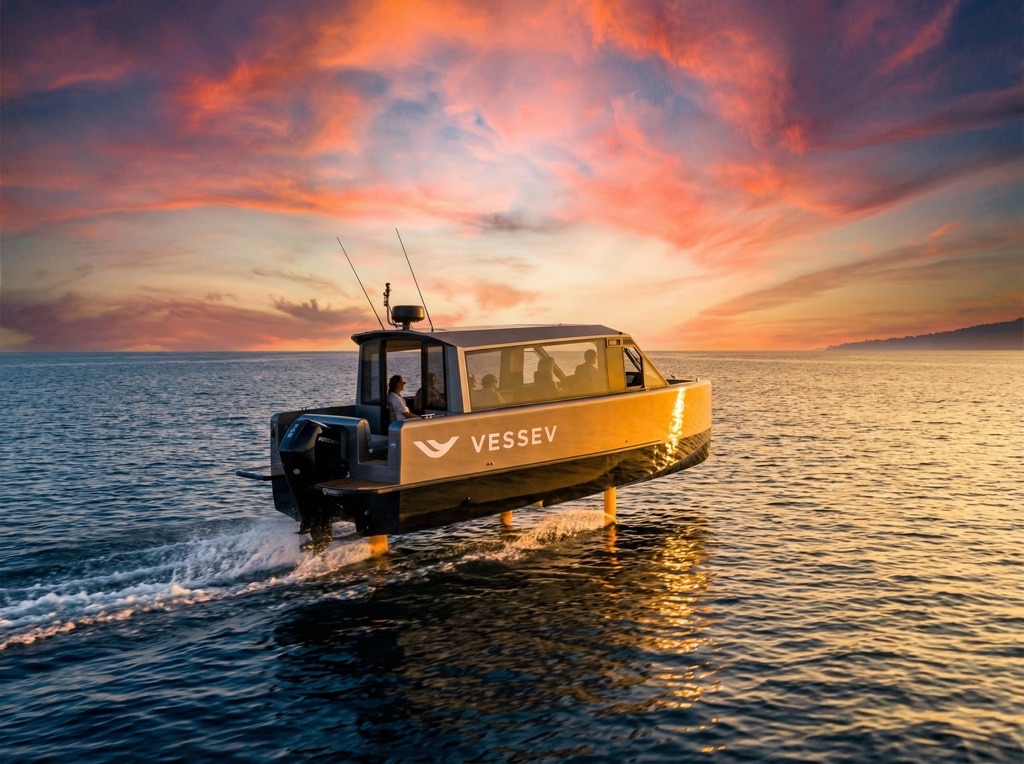
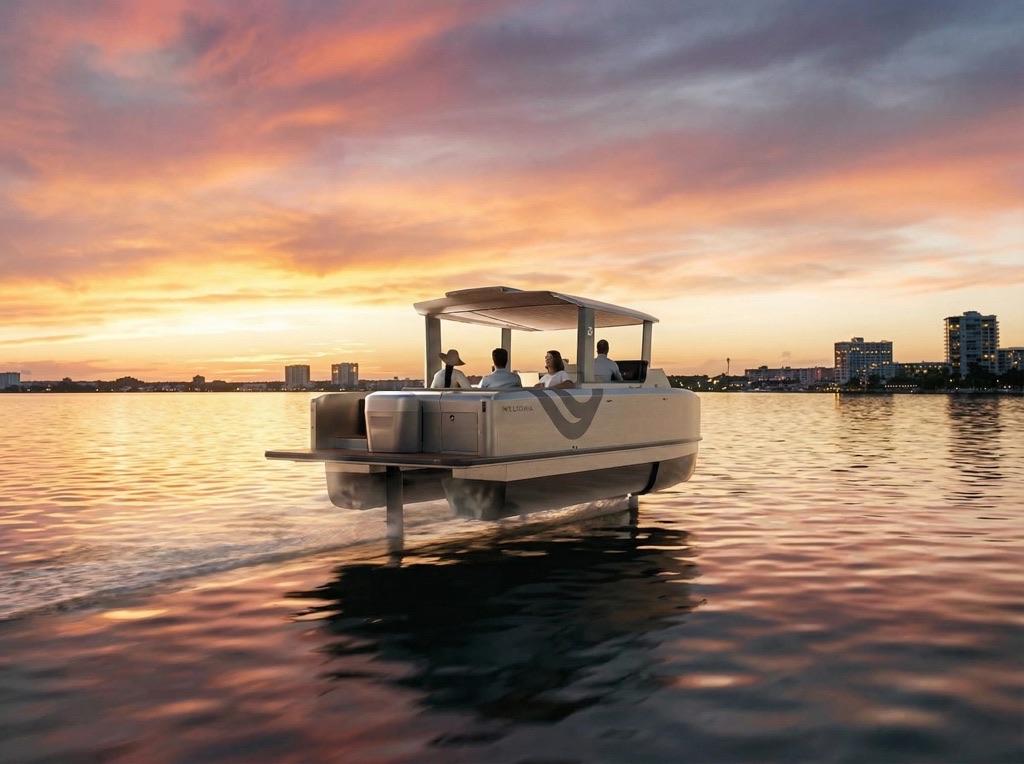
The VS-9’s electric propulsion and hydrofoils, adapted from America’s Cup technology, deliver a quiet, smooth ride with low emissions. It produces very little wake, making it suitable for sensitive waterways. In Auckland, operators report it feels “smoother and faster than a regular ferry,” with stable turns and efficient performance. Energy savings of up to 90% position it as a practical step toward sustainable urban water mobility, with Laakmann claiming global applicability for busy waterways.
However, specifics like exact passenger capacity for the trial vessel remain unconfirmed, and full feasibility study results are pending later in 2026. Operational costs, battery charging infrastructure on the lake, and winter condition performance raise unanswered questions.
Comparison with Competitors
| Aspect | Vessev VS-9 | Traditional Ferry (e.g., Diesel) | Historical Foiler (Meteor III) |
|---|---|---|---|
| Propulsion | Electric, 90% less energy | Diesel, higher emissions | Presumed diesel |
| Speed | 25 knots cruise | Typically 15-20 knots | High speed, low wake (historical) |
| Wake/Impact | Very low | High | Remarkably little |
| Certification | Commercial electric hydrofoil | Standard | Tourism foiler (retired 30+ years ago) |
| Range | 50 nm | Longer, but refuel needed | Not specified |
The VS-9 outperforms traditional ferries in efficiency and emissions while echoing Meteor III‘s low-wake benefits with modern electric tech. No direct electric hydrofoil competitors are noted in trials, but it leads in commercial certification.
Verdict
Vessev’s VS-9 trials represent a credible advancement in electric water transport, directly tackling Queenstown’s congestion with proven 25-knot speeds and 50-nm range. This is ideal for tourism-heavy areas with water corridors, commuters in growing townships like Kingston, and innovators eyeing zero-emission public transit. Success hinges on upcoming feasibility data; for now, it proves electric hydrofoils can transition from tours to everyday ferries, though scaling to 30 passengers and year-round reliability need confirmation.