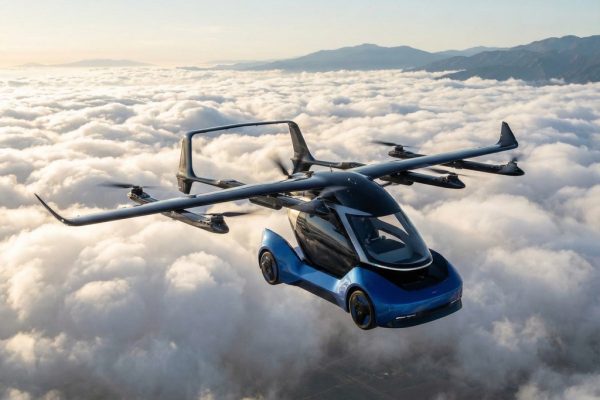

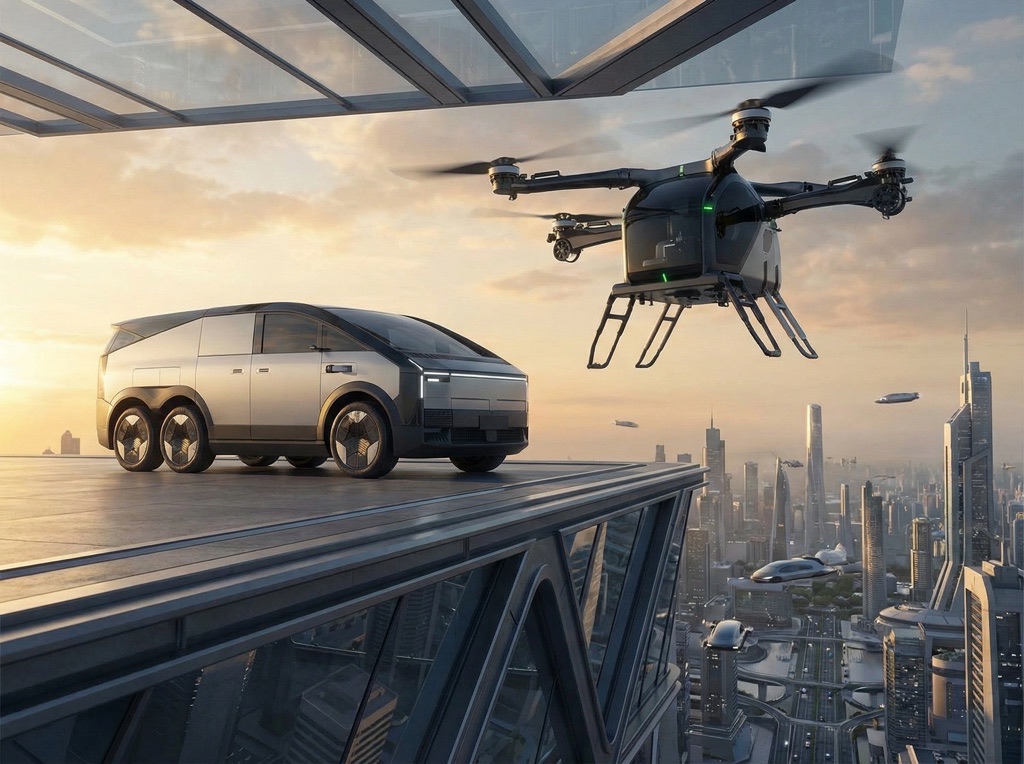
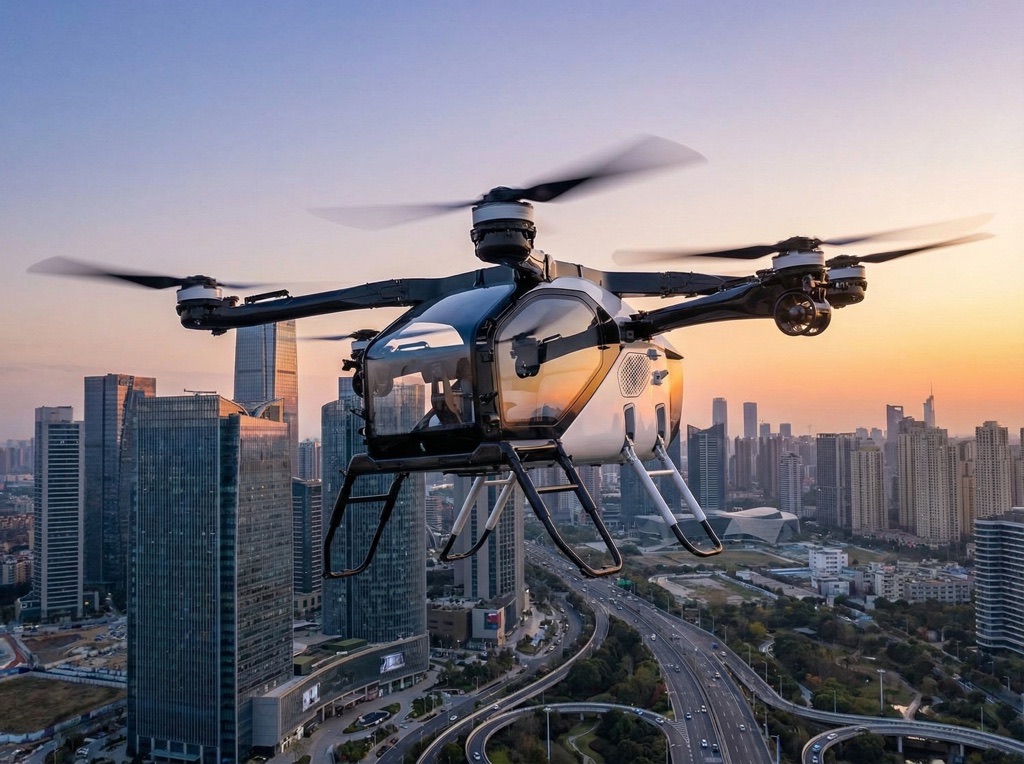
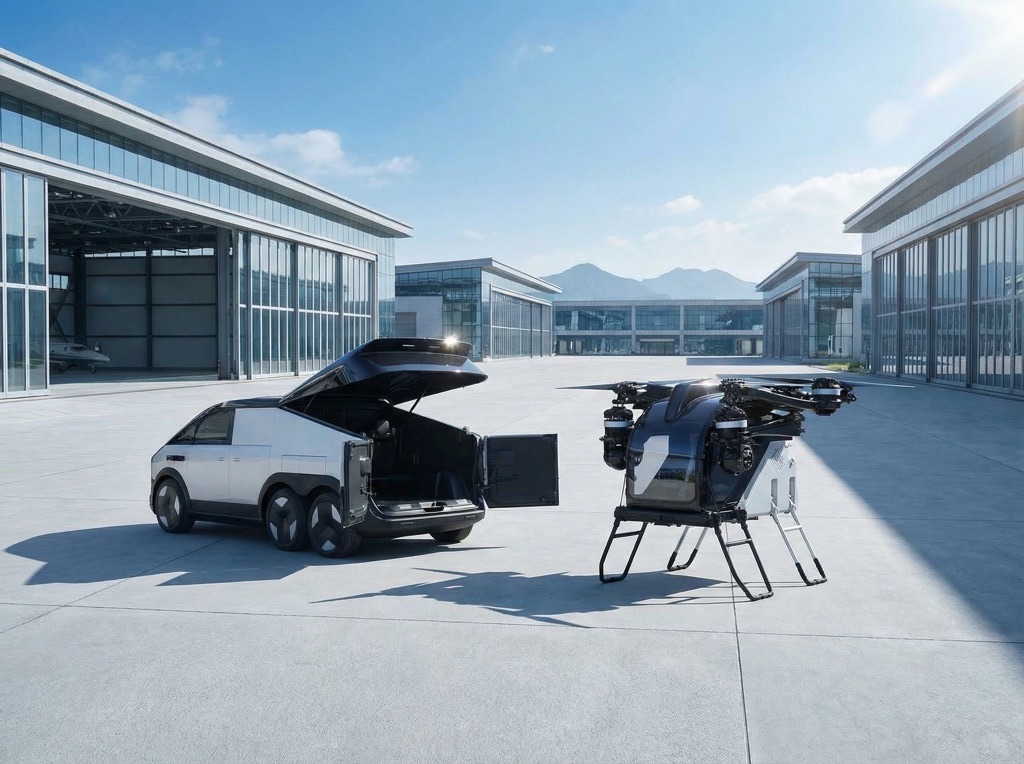
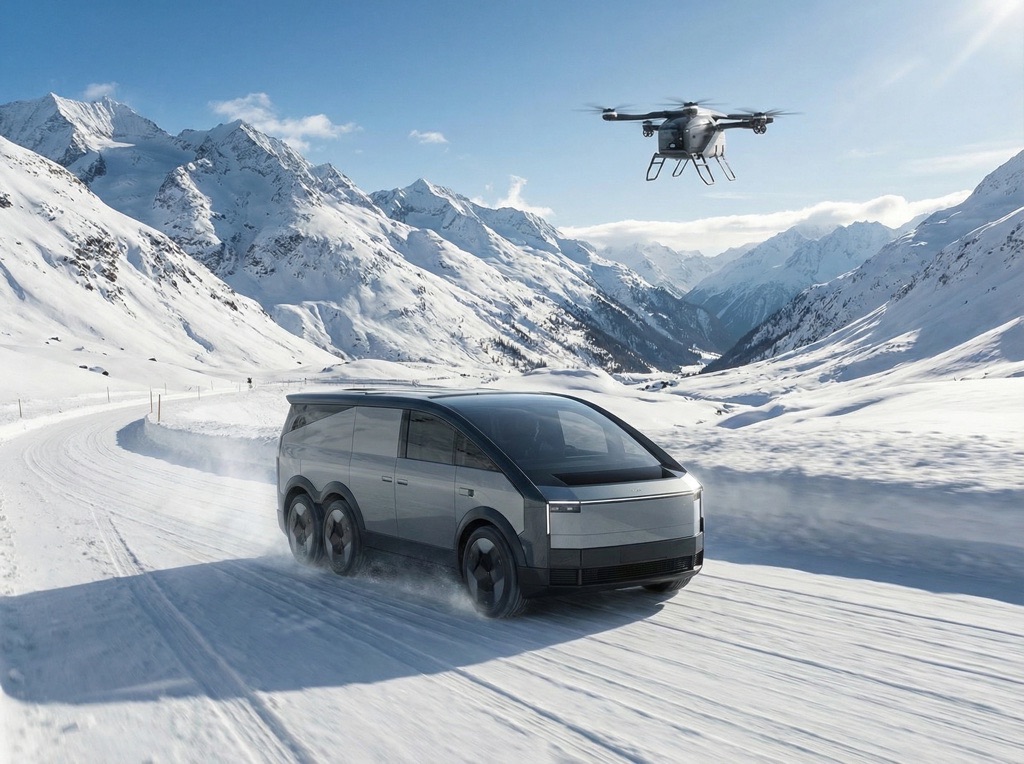
XPeng’s Land Aircraft Carrier combines a six-wheeled electric range-extender van with a two-seater eVTOL aircraft that docks in its rear. Priced under RMB 2 million (about $280,000), it offers over 1,000 km ground range and enables short flights after automatic deployment. This modular design targets China’s low-altitude economy, with mass production starting in 2026 and 7,000 pre-orders already secured.
Background: XPeng’s Push into Flying Vehicles
XPeng Motors, founded in 2014, has established itself as a leader in China’s electric vehicle market with models like the P7 sedan and G9 SUV. The company expanded into advanced air mobility through its subsidiary XPeng AeroHT, rebranded as Aridge, focusing on eVTOL technology. Aridge’s Guangzhou Huangpu factory, spanning 120,000 square meters, rolled out the first Land Aircraft Carrier flying module on November 3, 2025. Initial capacity is 5,000 units annually, scaling to 10,000 with one vehicle every 30 minutes at full speed. Pre-sales opened in Q4 2024, hitting 7,000 refundable deposits by January 2026, with deliveries set for late 2026.
The project addresses flying car challenges like storage and range by separating ground and air modules. XPeng Chairman He Xiaopeng demonstrated it at the company’s annual meeting, flying the eVTOL module. Road tests confirm progress, with active air intakes for range-extender cooling spotted on prototypes. Despite a 2024 prototype collision during rehearsal—caused by human error, not the vehicle—the program advances toward certification.
Key Specifications
| Feature | Ground Module (Van) | Air Module (eVTOL) |
|---|---|---|
| Dimensions | 5.5m long, 2.0m wide, over 2m tall; fits standard parking | Folds to fit van rear; carbon fiber body |
| Wheels/Propellers | 6 wheels, 3 axles | 6 rotors |
| Powertrain | 800V SiC extended-range EV (gas generator); >1,000 km CLTC range | Electric; 35-40 km flight range per charge (5-6 flights) |
| Charging | Charges air module 30-80% in 18 min; trunk as station | Auto-recharges while driving |
| Seating | 4-5 passengers | 2 seats, 270° panoramic view |
| Deployment | Auto load/unload in 5 min; suicide rear doors | Auto docking, manual/auto flight modes |
| Price | Under RMB 2M (~$280K) | Included |
| Production | 10,000 units/year target | Factory online end-2025 |
Design and Engineering Analysis
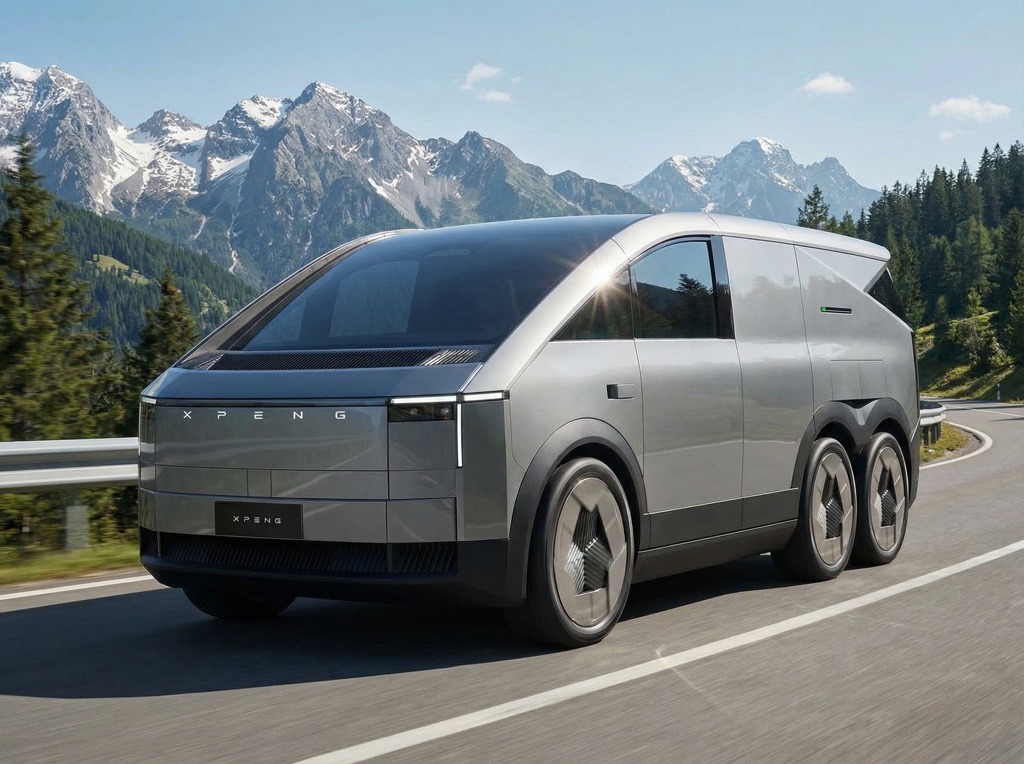
The ground module resembles a Cybertruck-inspired 6×6 off-roader with a bluff front, sloping roof, and large suicide doors for rear access. Its 800V architecture supports fast charging for the eVTOL, which unfolds rotors automatically via 14 actuators and eight control modules. The 700+ kg aircraft docks like an “elephant in a fridge,” secured by six-wheel active suspension to minimize vibrations. Range-extender setup—gas engine as generator—delivers 1,000+ km, far exceeding pure EV limits for aircraft hauling.
Safety integrates aviation-grade composites, power systems, and automated assembly. The eVTOL’s 35-40 km range suits short hops over traffic, not long trips, aligning with China’s low-altitude regulations. However, the 2024 mid-air collision of prototypes raises questions on pilot training and redundancy—details not yet confirmed beyond human error attribution.
 Aircraft
The Sky’s the Limit: Archer Aviation’s Air Taxi Revolution Takes Flight
In the rapidly evolving world of electric transportation, one company is aiming to take the concept quite literally to new...
 Aircraft
The Flying Muscle Car Has Arrived: Ace VTOL’s GT Slipstream
Holy automotive revolution, Batman! The future of transportation is no longer just driving on roads – it’s soaring through the...
 Aircraft
Air Taxis: The Future of Urban Transportation is Taking Flight
The Rise of Electric Urban Air Mobility Imagine trading your mundane commute for a skyward journey in an electric air...

Performance and Practicality
On roads, expect off-road capability from six wheels and dual-buffer suspension. The van’s interior features grab handles, two seat rows, and an odd-shaped steering wheel. Air module offers VTOL with low-altitude flight, recharging en route for seamless ground-air transitions. CES 2026 showcased it as a mobile hangar, solving the weight penalties of integrated flying cars. Yet, flight range limits it to urban or recreational use; battery tech caps endurance at 22-25 miles per charge.
Regulatory hurdles loom outside China, where eVTOL certification lags. Color options remain basic: Stellar Silver, Moonrock Gray, Supernova White. Production scaling to 10,000 units positions XPeng to dominate if demand holds.
Comparison with Competitors
| Model | Price | Ground Range | Flight Range | Status |
|---|---|---|---|---|
| XPeng Land Aircraft Carrier | $280K | >1,000 km | 35-40 km | 2026 deliveries |
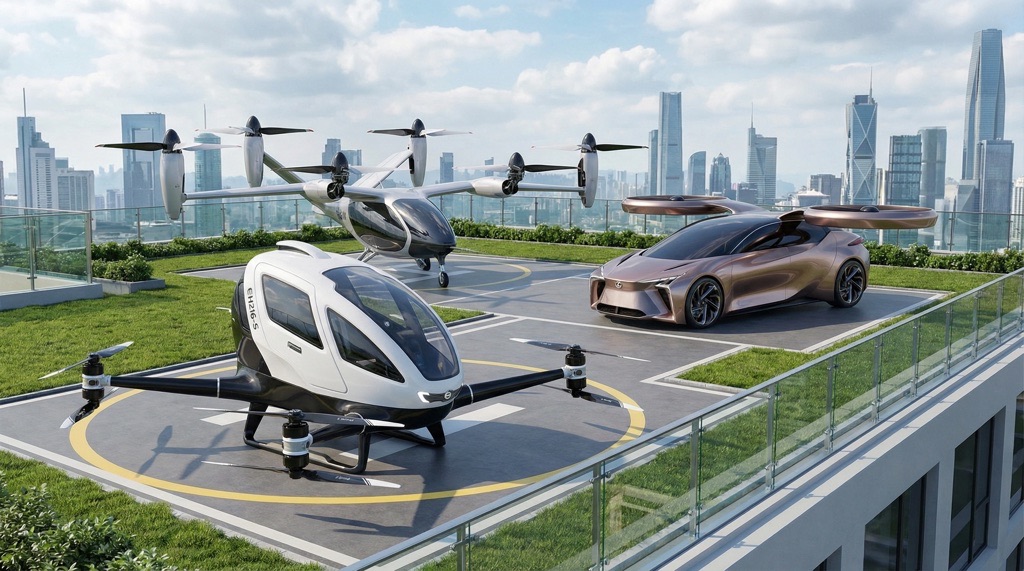
| EHang EH216-S (eVTOL drone) | $410K est. | N/A | 30 km | Certified in China |
| Joby Aviation S4 | N/A (air taxi) | N/A | 240 km | FAA trials, 2025 target |
| Toyota/Lexus concepts | N/A | N/A | N/A | Concepts only |
XPeng stands out with integrated ground-air modularity versus standalone eVTOLs like EHang or Joby. Western rivals trail in production; China’s infrastructure push gives XPeng a first-mover edge.
Verdict
The Land Aircraft Carrier delivers a functional flying car solution for early adopters in regulated markets, ideal for affluent users seeking short aerial hops from a long-range van. At $280K, it undercuts supercars while offering unmatched versatility—but flight limits, safety certification, and export viability remain unanswered. Risk-tolerant buyers in China get priority; others await proven reliability post-2026 deliveries.