


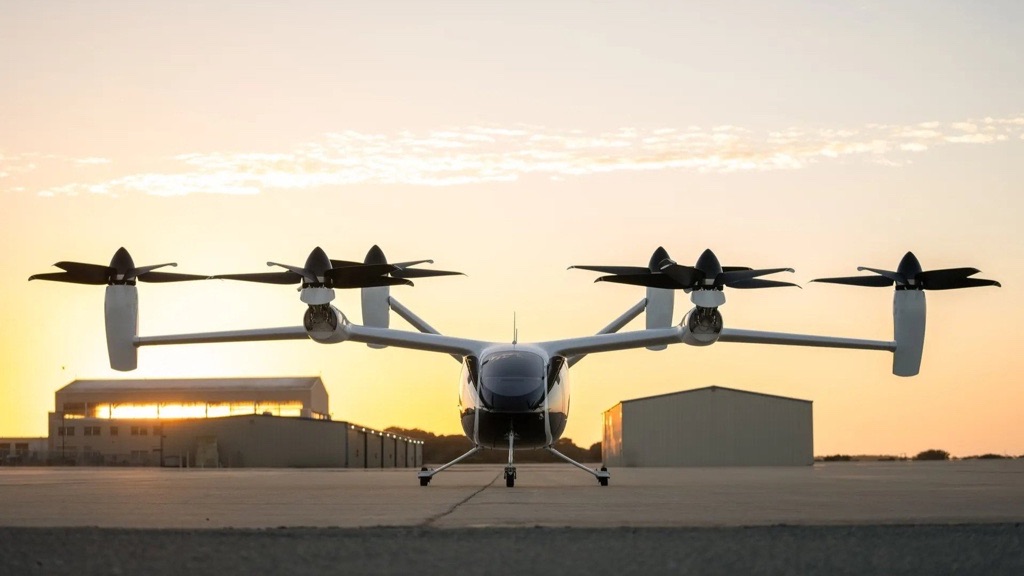
Electric Flying Cars Are No Longer Sci-Fi
We all know the feeling: stuck in traffic, staring at the sky, briefly resenting birds for their effortless freedom. For years, the idea of a “flying car” felt like pure science fiction — something promised, never delivered.
That perception is starting to change.
In 2025, Joby Aviation quietly crossed a major threshold. Backed by Toyota, Joby has demonstrated that electric vertical takeoff and landing aircraft (eVTOLs) are not only viable, but already flying — repeatedly, safely, and in real-world conditions.
What Is Joby Aviation — and Why It Matters
Joby Aviation is one of the global leaders in electric air mobility (AAM). Its goal is simple but ambitious:
short-range, zero-emission air taxis that bypass ground traffic entirely.
Unlike many startups that remain stuck in concept renders and PowerPoint slides, Joby spent 2025 doing something far more convincing: flying.
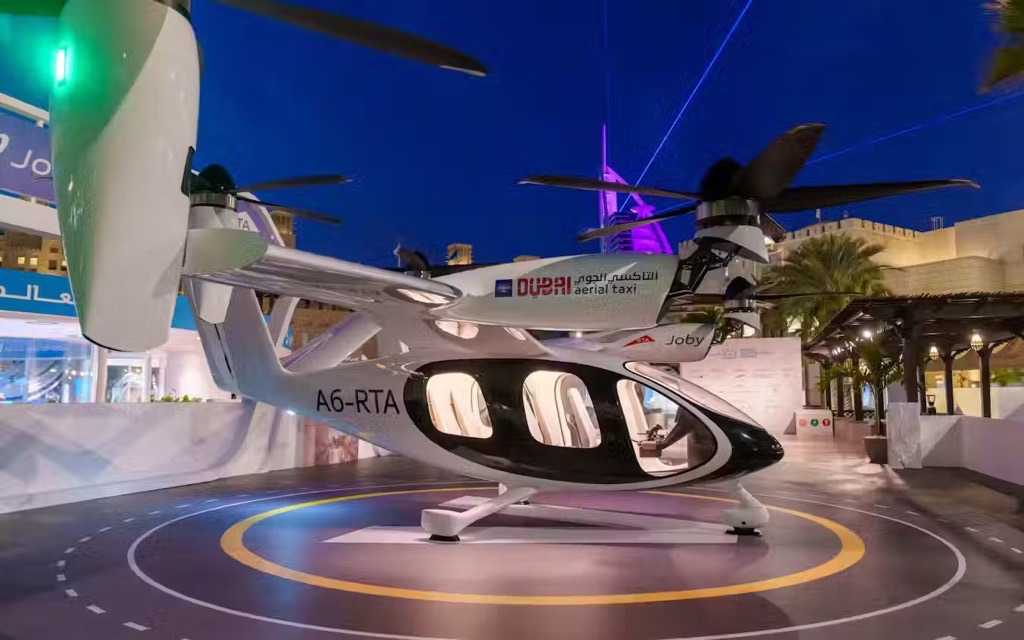
2025 by the Numbers: Joby’s Progress at a Glance
Joby Aviation – 2025 Operational Highlights
| Metric | Result |
|---|---|
| Total flight distance | 50,000+ miles |
| Countries flown | USA, Japan, UAE |
| Piloted flights in Japan | 14 flights |
| Certification aircraft flight hours | ~100 hours |
| Autonomous system test miles | 7,000 miles |
| Passenger demo operations | 2,500+ passengers (logistics tests) |
That total distance equals roughly twice around the Earth — an important milestone for regulators and investors alike.
Japan & Mount Fuji: Why These Flights Were Symbolic
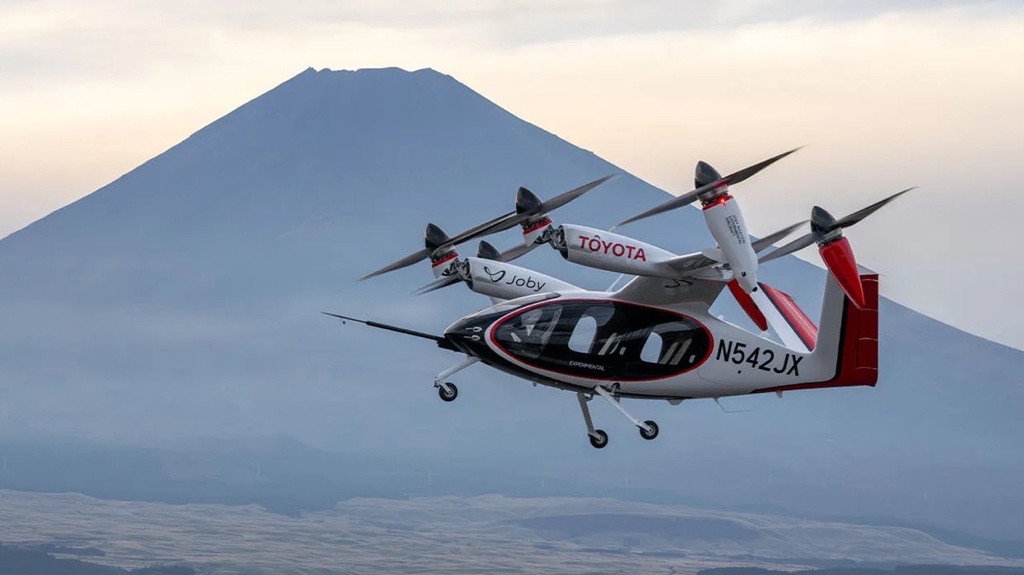
The most eye-catching moment of 2025 came in Japan, where Joby completed piloted demonstration flights at Fuji Speedway, near Mount Fuji.
This was not a marketing gimmick.
These flights were conducted as part of Joby’s strategic partnership with Toyota, one of the world’s most conservative — and reliable — engineering organizations. Toyota’s involvement sends a powerful signal:
If Toyota supports the manufacturing and validation process, this is no longer a speculative experiment.
Meet the Aircraft: Joby S4 eVTOL
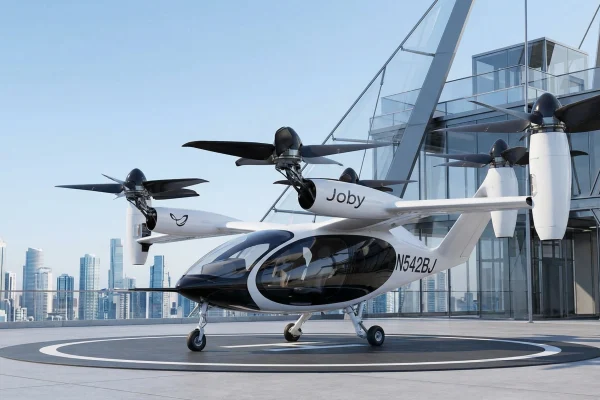
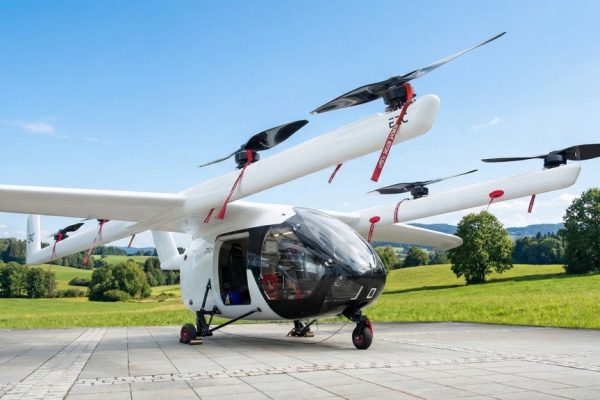
The aircraft itself — the Joby S4 — is often jokingly described as a “flying hairdryer.” In reality, it is a highly sophisticated aerospace product.
Joby S4 – Key Specifications
| Specification | Joby S4 |
|---|---|
| Length | ~21 ft (6.4 m) |
| Wingspan | ~38 ft (11.6 m) |
| Propellers | 6 tilt-rotors |
| Cruise speed | ~200 mph (320 km/h) |
| Range | ~150 miles (240 km) |
| Powertrain | 6 dual-wound electric motors |
| Peak power | ~2× Tesla Model S Plaid (combined) |
| Estimated build cost | ~$1.3 million |
This is not a drone. It is a piloted, certificated aircraft designed to carry passengers safely, quietly, and efficiently.
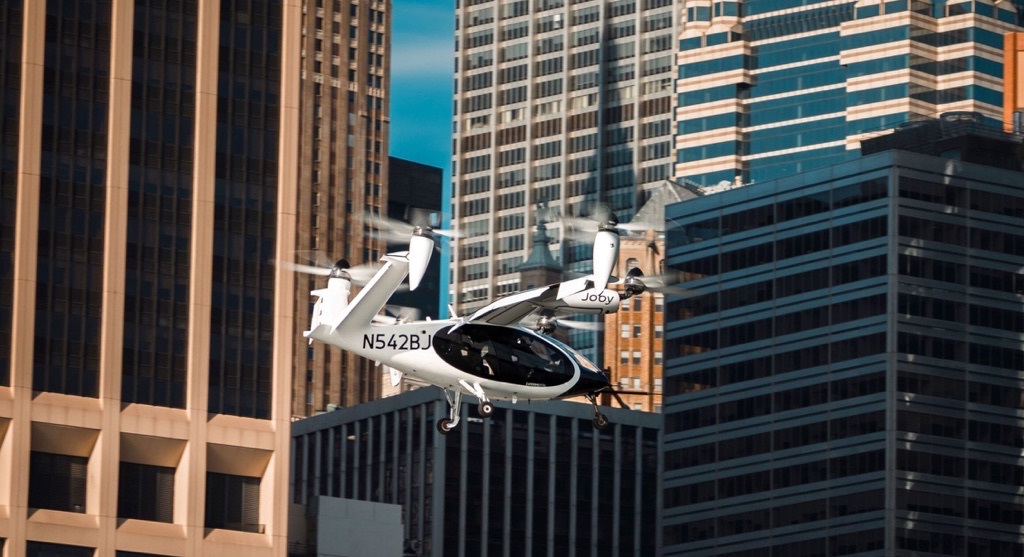
Quiet Is the Killer Feature
One of Joby’s biggest advantages isn’t speed — it’s noise reduction.
Compared to helicopters:
 Aircraft
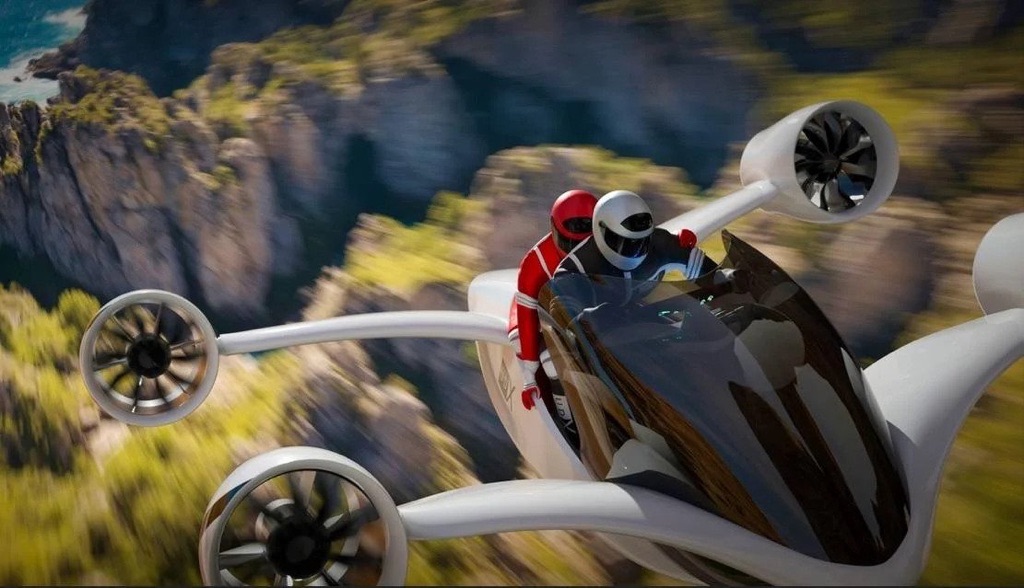
This $40k Flying Lawn Chair Is the Future of Travel
Las Vegas in January is a strange ecosystem. It’s cold, smells faintly of regret and cigarette smoke, and it’s packed...
 Aircraft
The Sky’s the Limit: UDX Airwolf Electrifies the Flying Motorcycle Dream
A Motorcycle That Actually Flies? Meet the Airwolf Picture a motorcycle that can soar through the skies like a speedy...
 Aircraft
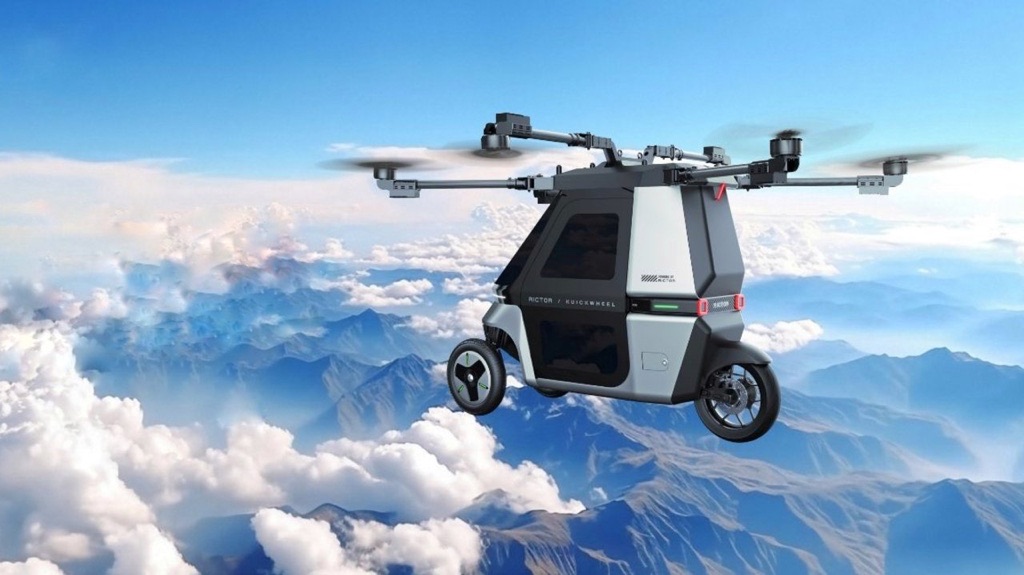
Kuickwheel Skyrider X6: The Flying Electric Motorcycle That Turns Traffic Into a Joke
China’s $69,000 eVTOL Bike That Can Drive, Fly, and Blow Your Mind For years, we’ve been told the electric revolution...
-
Dramatically lower noise footprint
-
No turbine scream
-
More suitable for urban operations
This is crucial for regulatory approval in dense cities, where noise complaints can kill projects faster than technical failures.
Beyond Japan: Global Flight Testing
United States
-
Point-to-point flights from Marina to Monterey, California
-
Demonstrated real-world commuting scenarios
United Arab Emirates
-
Demonstration flights in Dubai’s desert heat
-
Joby was the only eVTOL flying at the Dubai Airshow
If an electric aircraft can perform reliably in extreme heat, that removes one of the biggest doubts about battery-powered aviation.
Logistics First: Why Joby Bought Blade
In a strategic move, Joby acquired Blade Air Mobility, a helicopter shuttle service.
Why?
Not for profit — but for operational learning.
Using Blade’s infrastructure, Joby:
-
Transported 2,500+ passengers during the Ryder Cup
-
Tested scheduling, ground ops, passenger flow, and safety systems
-
Proved it can handle real-world chaos, not just test pilots
This step is often overlooked, but it is critical: air taxis fail without smooth logistics.
The Big Question: When Will Passengers Fly?
Joby says 2026.
Analysts are more cautious.
Certification Reality Check
| Factor | Status |
|---|---|
| FAA Type Inspection Authorization (TIA) | In progress |
| Certification flight hours (2025) | ~100 hours |
| Analyst estimate | Mid–late 2027 |
According to SMG Consulting, the FAA certification process is moving more slowly than public timelines suggest.
Regulation — not technology — is now the main bottleneck.
Why Joby Is Still Winning the Race
Despite delays, Joby remains the clear front-runner in electric air taxis:
-
Most flight miles
-
Strongest industrial backing (Toyota)
-
Real pilots, real routes, real passengers
-
Quiet, practical aircraft design
The technology is ready. The paperwork is not.
Final Verdict: The Future Is Airborne — Just Stuck in Regulatory Traffic
Joby Aviation has proven that electric air taxis work. They fly fast, quietly, and repeatedly — not in simulations, but in the real world.
Will you be commuting through gridlock next year?
Probably not.
But make no mistake:
The flying future is no longer imaginary.
It’s certified — slowly — one form at a time.
Until then, feel free to glare at birds in traffic.
Soon enough, you’ll be joining them.
Hello very nice blog!! Man .. Beautiful .. Superb .. I’ll bookmark your blog and take the feeds also…I’m glad to seek out so many helpful information right here in the put up, we need develop more techniques on this regard, thanks for sharing. . . . . .