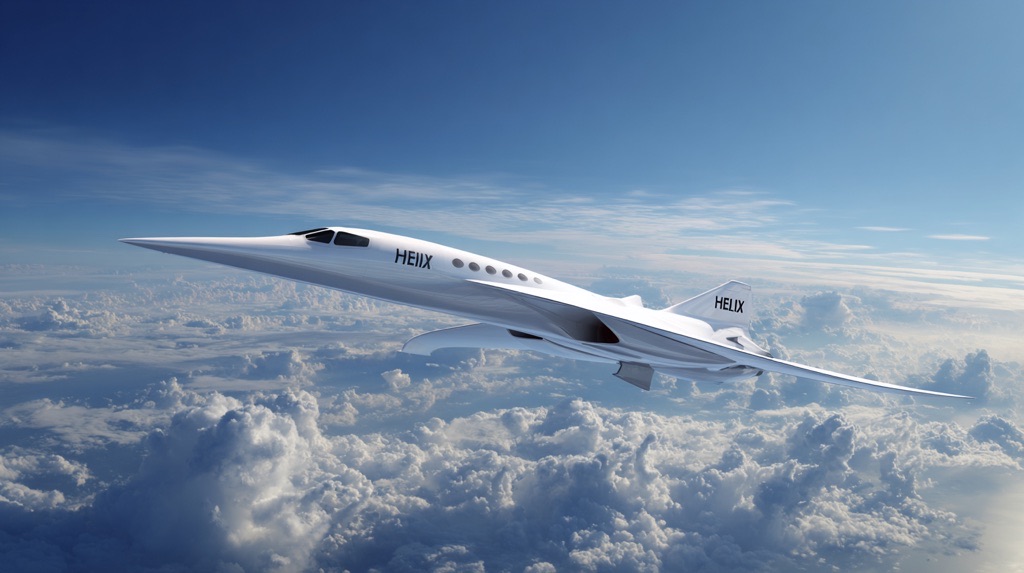
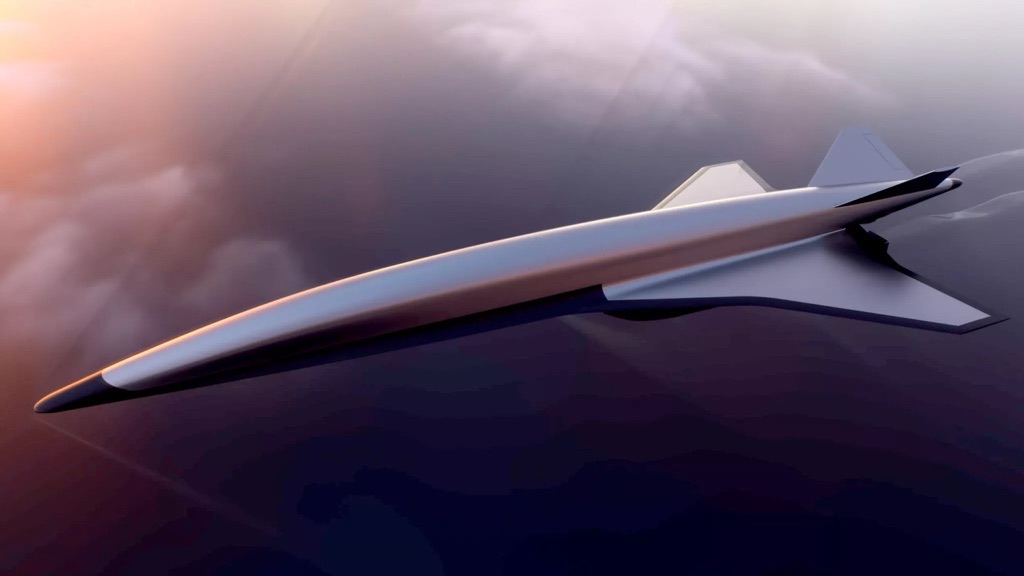
A breakthrough hybrid-electric propulsion concept could make future supersonic aircraft more efficient, more flexible, and far cheaper to operate. Helix, a company known for producing high-performance electric motors and inverters used in Formula E cars and hypercars, has partnered with California-based startup Astro Mechanica to create a next-generation propulsion system capable of operating efficiently from takeoff all the way to Mach 3.
This collaboration aims to solve one of the biggest problems in supersonic aviation: the need for multiple engine modes or entirely different engines for different phases of flight. Their new solution may eliminate that barrier entirely.
A Hybrid-Electric Engine That Changes Modes Without Changing Hardware
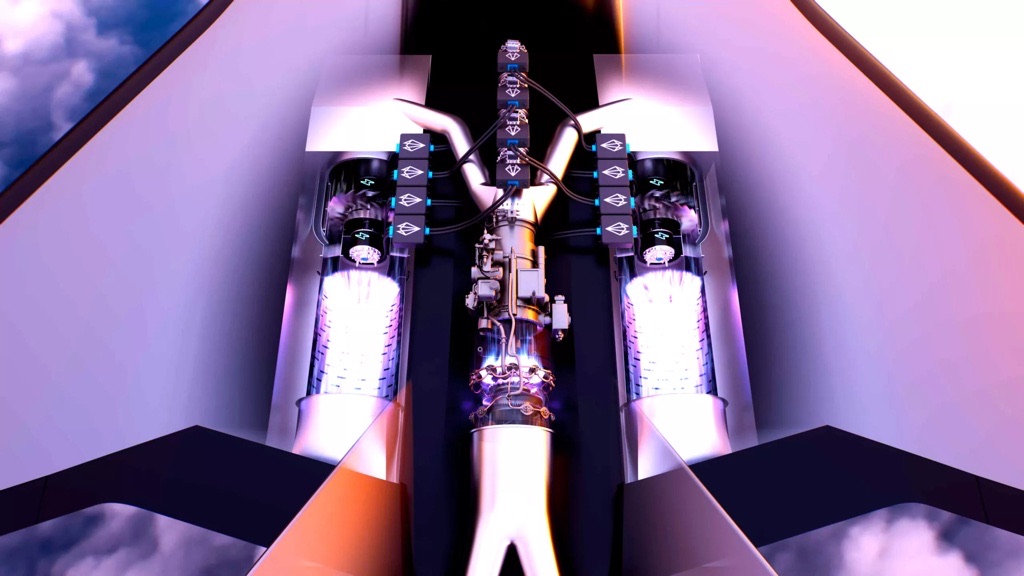
Astro Mechanica is developing a radically new propulsion system called Duality, designed around a hybrid-electric architecture. Unlike conventional engines, the electric motors are separated from the gas-turbine core.
Here’s how the system works:
-
A compact gas turbine generates electrical power
-
This power feeds four Helix SPX242-94 electric motors
-
These motors drive both the main fan and the compressor stages
This configuration allows the Duality engine to mimic three different propulsion types depending on speed:
 News
News
The Bristell B23 Energic: Electrifying the Skies with Aviation’s First Electric Trainer
The world of aviation is about to experience a seismic shift with the introduction of the Bristell B23 Energic, a...
 Aircraft
The Electric VTOL Aircraft: BETA’s Bizarrely Cool Electric Flying Machine
Is it a bird? A plane? No, it’s the ALIA – BETA Technologies’ impressively weird electric vertical take-off and landing...
 Aircraft
The Flying Muscle Car Has Arrived: Ace VTOL’s GT Slipstream
Holy automotive revolution, Batman! The future of transportation is no longer just driving on roads – it’s soaring through the...
-
Turbofan mode during takeoff and subsonic flight
-
Turbojet mode at low supersonic speeds
-
Ramjet-like mode at extremely high supersonic velocities
If successful, this would allow a single powerplant to operate efficiently across a vastly wider speed range than any modern aircraft engine.
Helix Motors Deliver High Output and Exceptional Power Density
The fourth-generation Duality prototype uses four Helix SPX242-94 motors to drive a two-stage compressor.
Each motor delivers:
-
400 kW peak power
-
470 Nm peak torque
-
300 kW continuous power
-
286 Nm continuous torque
Helix highlights that the motors’ extremely high power density is the key to enabling supersonic-capable hybrid propulsion without adding excessive weight — a critical requirement for aircraft traveling at speeds approaching Mach 3.
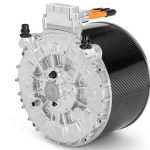
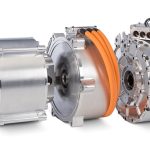
Next-Generation Motors for Full-Scale Turbogenerator System
Helix is also developing custom motors for Astro Mechanica’s fifth-generation full-scale engine, designed to power the aircraft’s main turbogenerator.
Expected performance figures:
-
900 kW continuous output (generator or motor mode)
-
950 kW peak power
-
Up to 20,000 rpm
-
575 Nm peak torque
These motors will feature advanced insulation designed specifically for operation at extreme altitudes where temperatures, pressures, and airflow conditions pose significant engineering challenges.
Flight Testing Planned Within Three Years
Astro Mechanica plans to begin flight testing of the Duality prototype within three years.
If development proceeds on schedule, the company believes that commercial supersonic passenger travel could once again become a reality — and potentially as affordable and accessible as today’s conventional flights — within the next decade.
Helix and Astro Mechanica are developing a hybrid-electric propulsion system designed to enable efficient supersonic flight up to Mach 3 without changing engines across flight phases. The Duality engine uses a gas turbine to power high-density Helix motors that drive the fan and compressor, allowing transitions between turbofan, turbojet, and ramjet-like operation. With full-scale motors capable of up to 950 kW and flight tests planned within three years, this technology could bring back commercial supersonic travel within the next decade.