Chinese researchers have developed a lithium metal battery achieving 700 Wh/kg energy density at room temperature, retaining nearly 400 Wh/kg at -50°C, published in Nature on February 25, 2026. This fluorinated hydrocarbon electrolyte innovation addresses key EV limitations in range and cold-weather performance, potentially enabling 1,200-1,500 mile ranges in packs matching current Tesla Model 3 sizes. EV buyers and manufacturers should note that this lab achievement could accelerate mass-market adoption by bypassing solid-state scaling challenges.
Background: Teams and Research Context
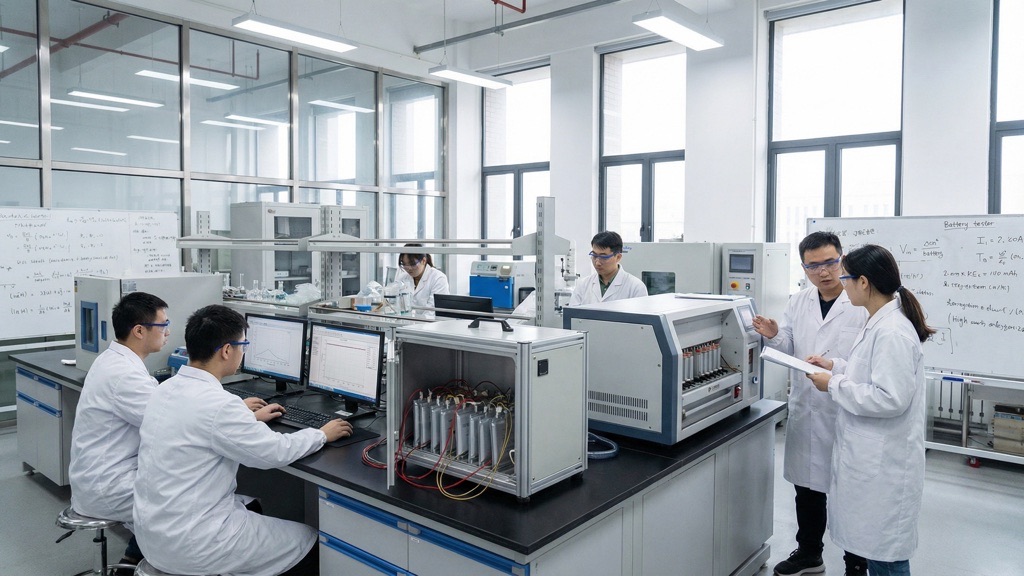
The breakthrough stems from collaboration between Professor Zhao Qing from Nankai University’s College of Chemistry, Academician Chen Jun, Executive Vice President of Nankai University, and Researcher Li Yong from the Shanghai Institute of Space Power Sources. Traditional commercial lithium battery electrolytes rely on lithium salts dissolved in carbonate ester solvents via lithium-oxygen ionic-dipole interactions, but these suffer from poor wettability, high electrolyte volume needs, and impeded charge transfer that limits operation below -50°C.
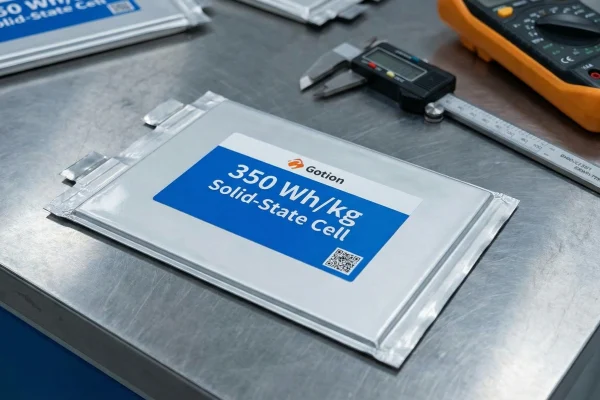
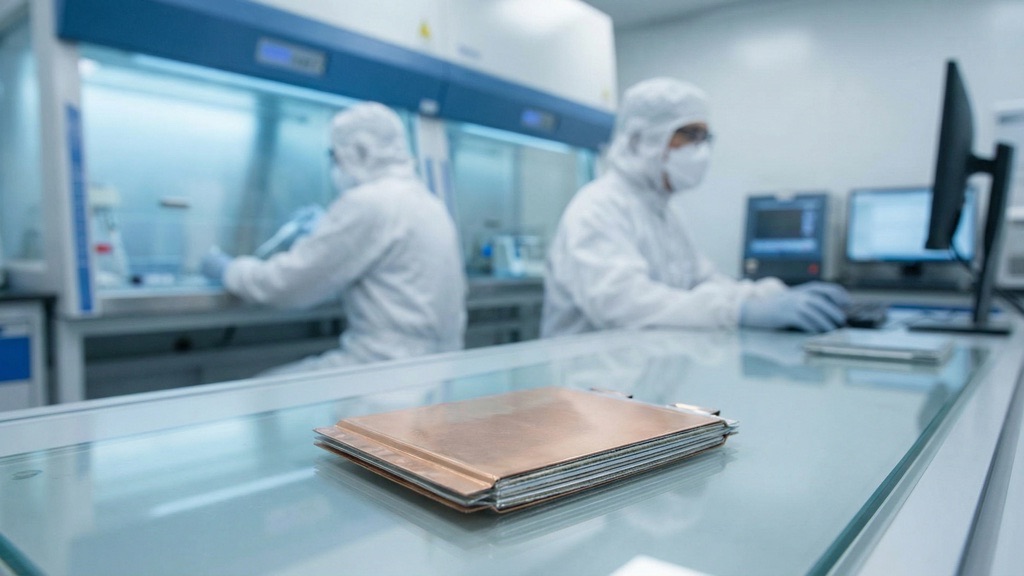
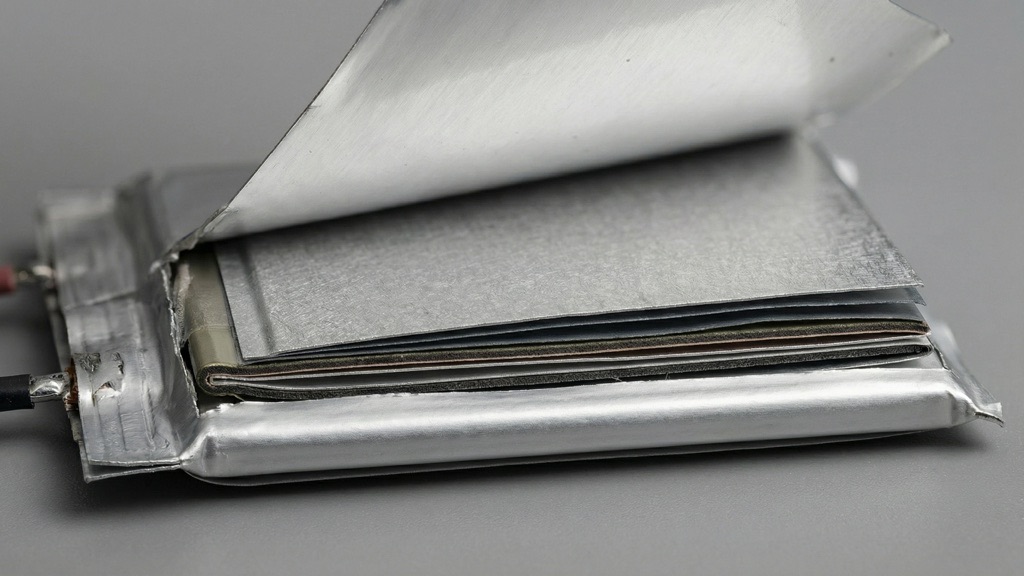
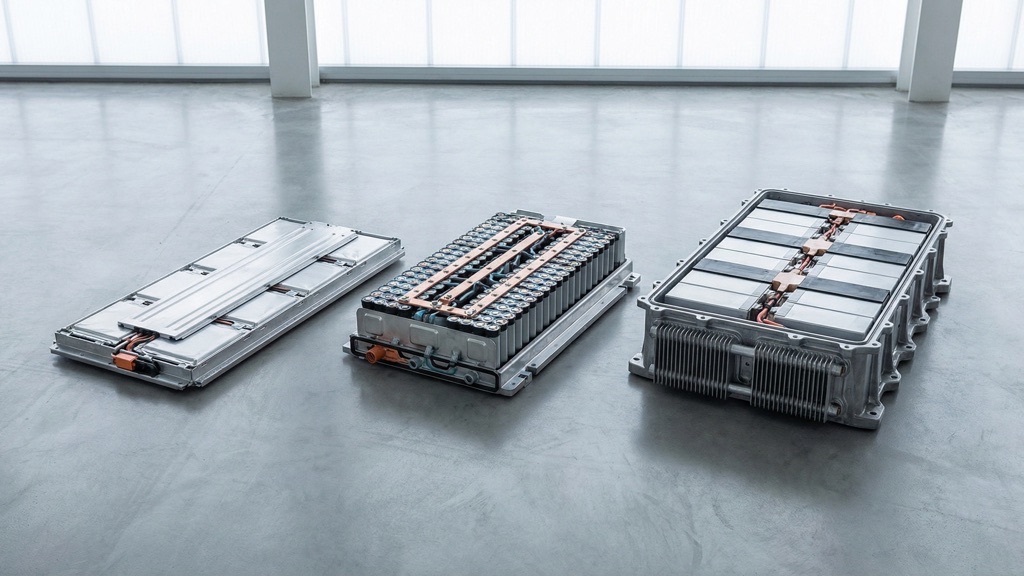
The team synthesized novel fluorinated hydrocarbon solvent molecules, enabling lithium salt dissolution through weaker lithium-fluorine coordination. This shift improves wettability, reduces electrolyte volume, and accelerates ion transfer for better low-temperature performance. Lab tests on pouch-type cells—already used in mass production—confirmed 700 Wh/kg at room temperature and ~400 Wh/kg at -50°C. Chen Jun highlighted applications in new energy vehicles, intelligent robots, low-altitude ecold regions regions, and aerospace.
China’s battery research dominance is evident, with institutions like Nankai and Shanghai Institute pushing boundaries while controlling most global supply chains. This work builds on prior efforts, positioning non-solid-state lithium tech to match emerging solid-state densities around 400 Wh/kg.
Key Specifications
| Parameter | Value | Notes |
|---|---|---|
| Energy Density (Room Temp) | 700 Wh/kg | Lithium metal battery, pouch cells |
| Energy Density (-50°C) | Nearly 400 Wh/kg | Maintains high performance in extreme cold |
| Electrolyte Type | Fluorinated hydrocarbon solvents | Lithium-fluorine coordination replaces lithium-oxygen |
| Key Advantages | Superior wettability, low electrolyte volume, rapid ion transfer | Enables high energy and low-temp operation |
| Current Commercial Benchmark | 250-255 Wh/kg (system, CATL Qilin) | Ternary lithium; this is cell-level |
| Potential EV Range | 1,200-1,500 miles | In 450 kg pack similar to Tesla Model 3 (~300 kWh) |
Technical Analysis: Electrolyte Innovation
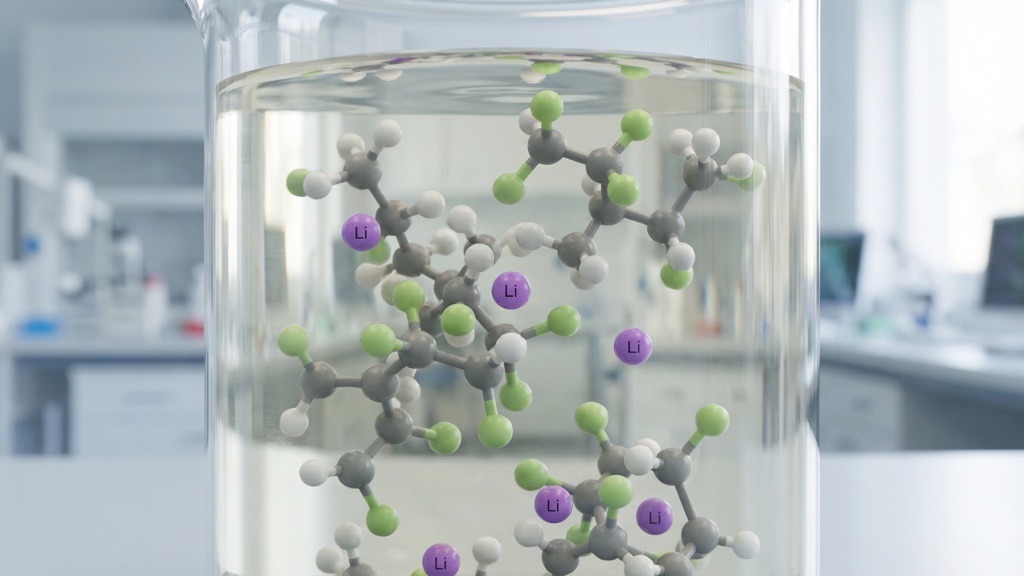
Zhao Qing emphasized regulating fluorine atom electron density and solvent molecule spatial hindrance as key to lithium salt solubility in fluorinated environments. Unlike oxygen-coordinated systems, fluorine’s weaker bonds facilitate faster charge transfer, critical for EV charging times. Pouch cell tests validate practicality, as this format scales to production.
 News
News
Lamborghini Cancels Lanzador EV for Plug-In Hybrid: Preserves V12 Heritage Amid Zero Buyer Demand
Lamborghini has scrapped its first all-electric vehicle, the Lanzador, due to near-zero demand from its target market. The high-riding supercar...
 Cars
Cars
Xiaomi YU7: The Electric SUV That Could Revolutionize the Market
Move over, traditional SUVs—there’s a new player in town. A Surprising Contender Xiaomi, a company once known primarily for smartphones,...
 Cars
Cars
Chevy Silverado EV Sales Nearly Double as the Electric Pickup Market Slows
The U.S. electric pickup truck market showed signs of contraction in Q3 2025, but the Chevrolet Silverado EV delivered a...
Energy density and low-temperature performance remain EV bottlenecks, per Chen Jun. This electrolyte redesign at the molecular level improves ion transfer, supporting stable ultra-high energy operation. Lab results show reversible cycling at 700 Wh/kg ambient, a 50% improvement over current tech per industry assessment.
Implications for EVs and Scalability
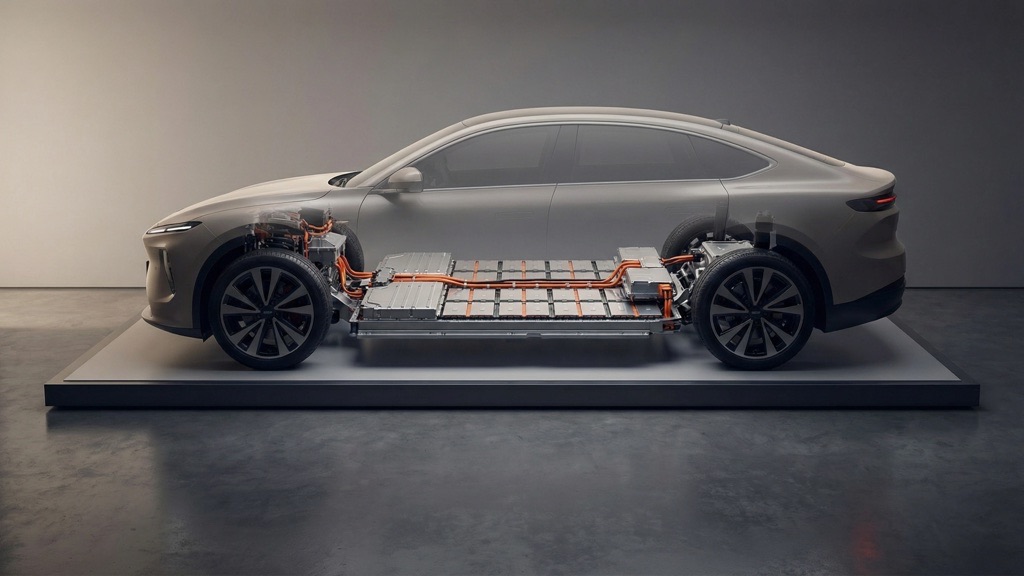
For electric vehicles, 700 Wh/kg cell density could elevate system levels beyond CATL’s 255 Wh/kg Qilin, rivaling solid-state prototypes under 400 Wh/kg. A 450 kg pack at this density yields ~300 kWh, translating to 1,200-1,500 miles range, eliminating refueling parity concerns. Cold retention at 400 Wh/kg addresses winter range loss, vital for global markets.
Geopolitically, China’s lead strengthens its EV supply chain control. Collaborations like with China Automotive New Energy Battery Technology Co Ltd hint at 500 Wh/kg variants targeting 1,000+ km CLTC range, with mass production eyed by end-2026—though unconfirmed for this exact tech.
Comparison with Competitors
| Battery Tech | Energy Density (Wh/kg) | Low-Temp Performance | Status |
|---|---|---|---|
| This Fluorinated Li (Cell) | 700 (room), 400 (-50°C) | Excellent | Lab, Nature-published |
| CATL Qilin (System) | 250-255 | Limited below -50°C | Commercial |
| Solid-State Prototypes | <400 | Variable | Development |
| FAW-Related (500 Wh/kg) | 500 (system?) | Not specified | Potential 2026 production |
Verdict
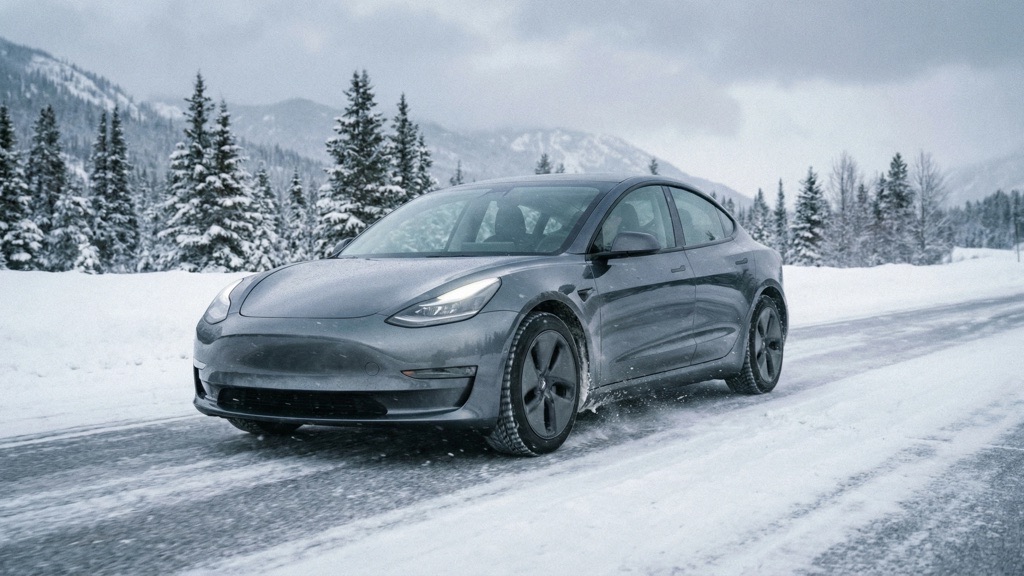
This 700 Wh/kg achievement positions fluorinated electrolytes as a viable path to double EV ranges and conquer cold climates without solid-state hurdles, benefiting mass-market adoption for commuters, long-haul drivers, and cold-region users. Ideal for OEMs seeking quick wins over decade-long solid-state bets, but commercialization timelines, cycle life data, safety at scale, and cost remain unconfirmed—watch for production pilots in 2026.