
TL;DR: 2026 Cupra Born Facelift Summary
The 2026 Cupra Born facelift features a major shark nose design overhaul, growing 12mm longer to 4.34m, with triangular LED lights and physical steering buttons replacing touch controls. Powertrains include a new 58 kWh LFP-like battery (140 kW) in the entry Plus model, plus unchanged 79 kWh options up to 240 kW (326 hp) in the VZ, claiming ~600 km WLTP range. Cupra emphasizes styling and handling over publicizing subtle efficiency upgrades shared with VW ID.3 and Ford Capri.
What Are the Key Design Changes in the 2026 Cupra Born Facelift?
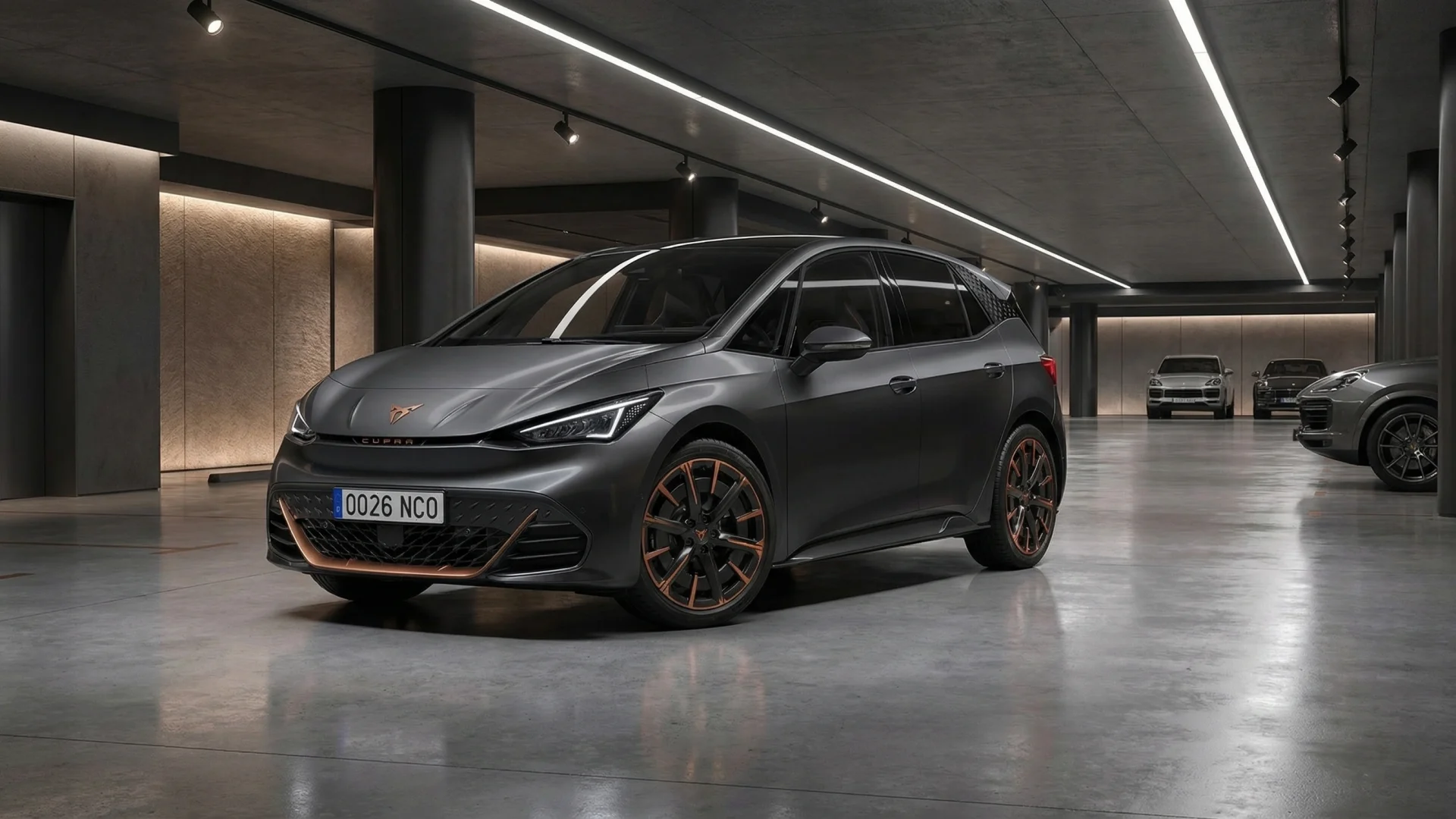
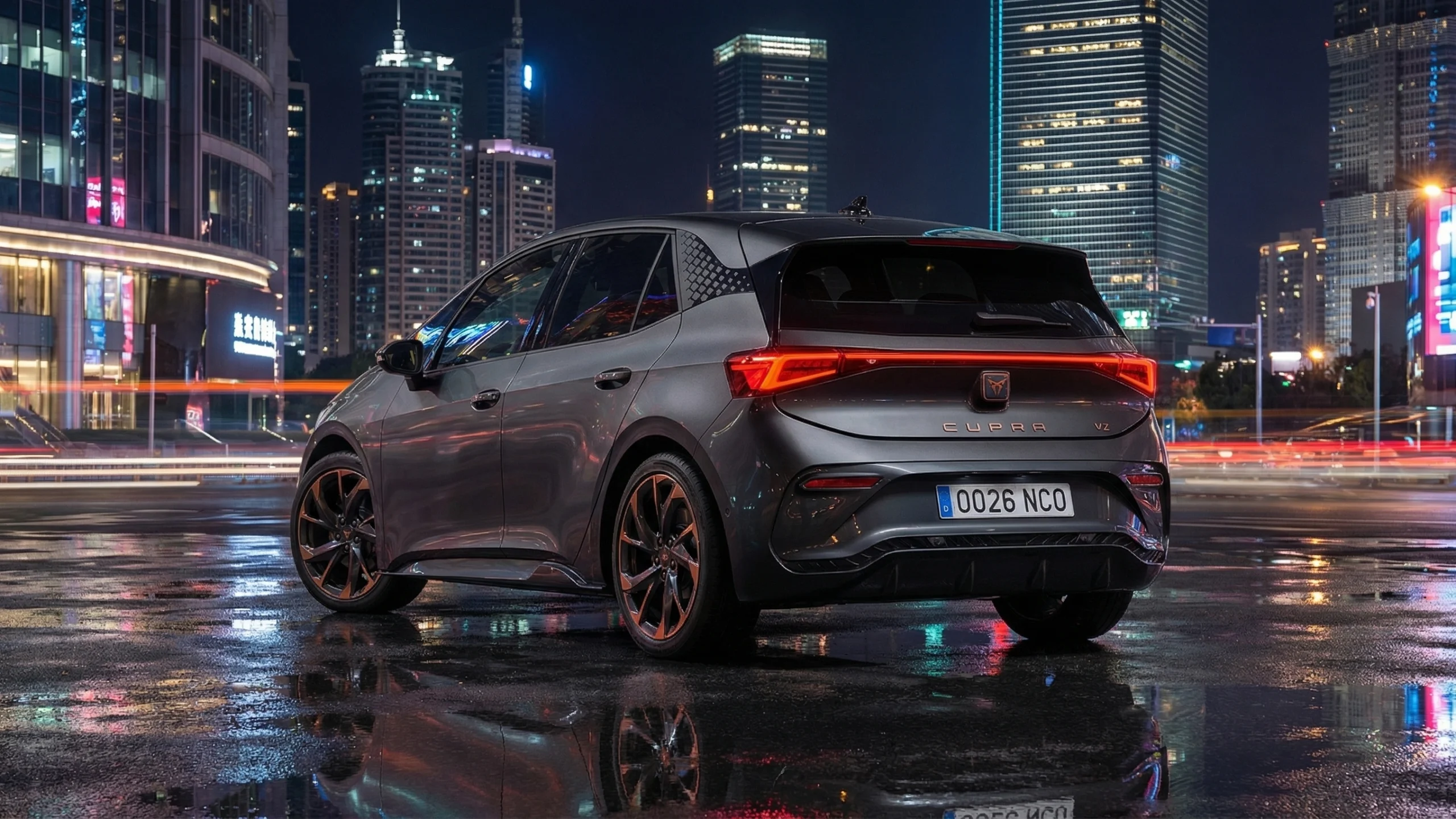
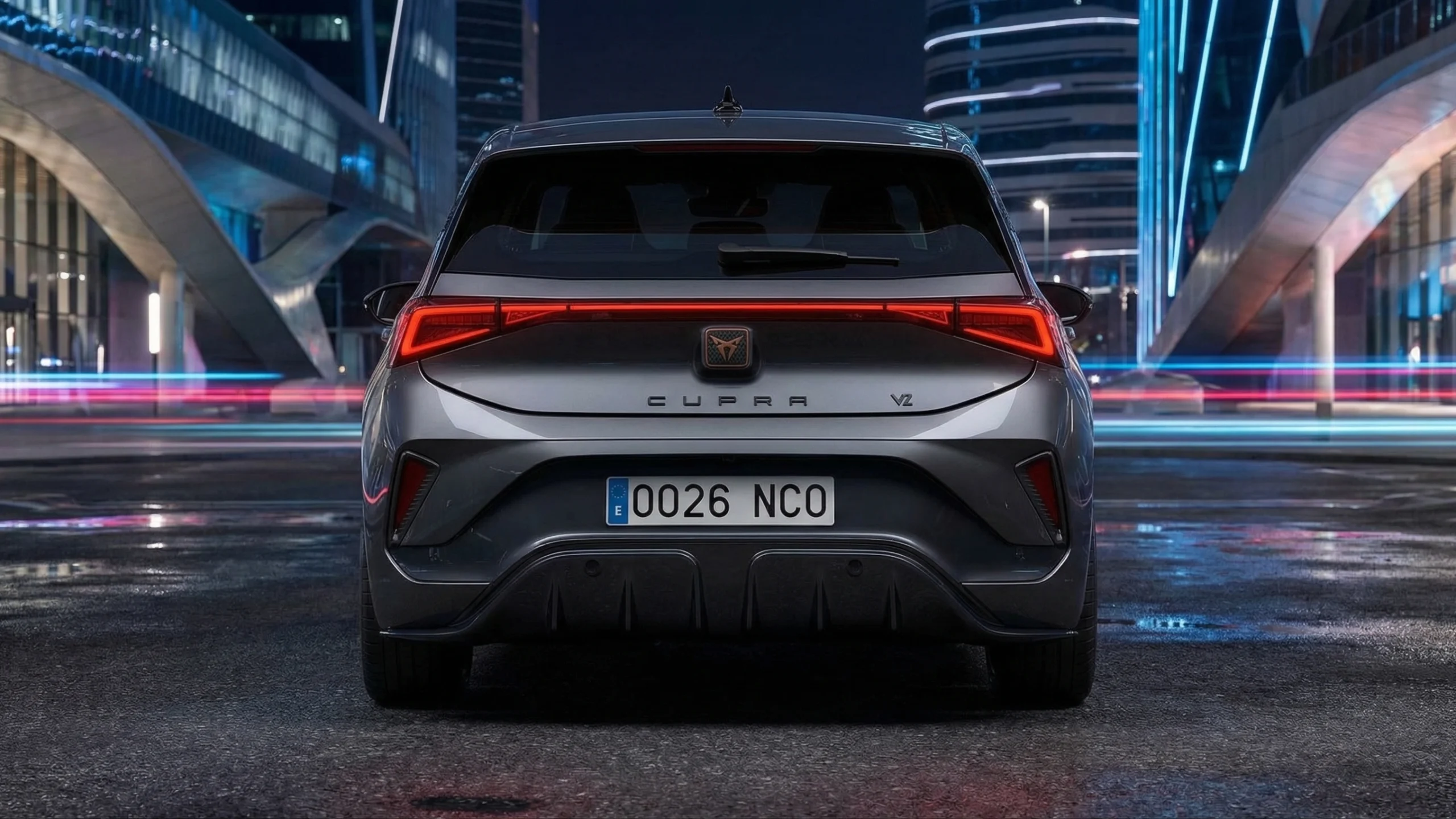
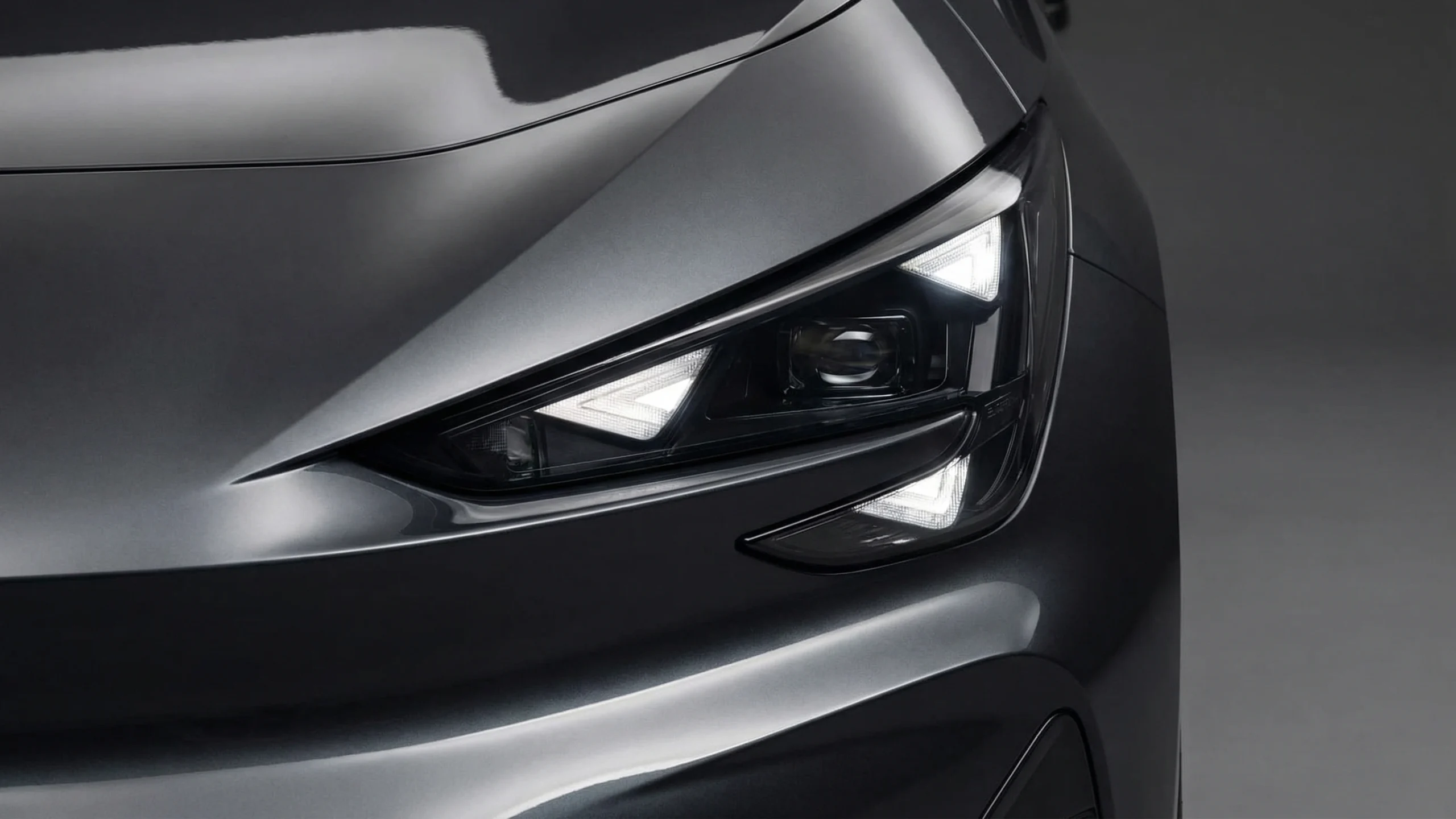
The facelifted Cupra Born adopts Cupra’s latest design language with a distinctive shark nose front end, redesigned bumpers, and triangular matrix LED headlights. The rear features matching triangular lights and an illuminated Cupra logo in a continuous light strip. Overall length increases by 12 mm to 4.34 meters, while width (1.81 m), height (1.54 m), and wheelbase (2.77 m) stay the same.
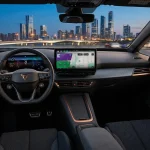
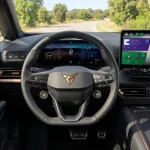
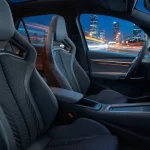
Interior upgradesditching controversial touch-sensitive steering wheel controls controls for physical buttons, a 10.25-inch digital cockpit, a 12.9-inch Android touchscreen, new door panels, recycled materials, and an enhanced sound system with an interior sound signature.
What Are the 2026 Cupra Born Powertrain Specs and Changes?
Cupra offers three configurations with subtle shifts:
 Cars
Cars
Kia Reveals EV5 GT With All-Wheel Drive at Brussels Motor Show
Kia has expanded its European electric SUV lineup with the debut of the Kia EV5 GT at the Brussels Motor...
 Cars
Cars
Tesla Cybertruck Launches in UAE with 63 Deliveries as US Sales Drop 48% to 20,237 Units in 2025
Tesla began Cybertruck deliveries in the UAE on January 22, 2026, handing over 63 units at a desert event near...
 Cars
Cars
The Electric Revival: Renault 5 Turbo 3E Brings 500hp of Electric Power to a Classic Hot Hatch
The legendary Renault 5 Turbo returns with an all-electric powertrain, blending retro charm with cutting-edge technology. This modern interpretation of...
- Born Plus: 58 kWh battery, 140 kW (188 hp)—down from 150 kW; matches Ford Capri’s LFP specs from MEB+ platform and efficient APP350 motor (350 Nm); charging in 20-30 minutes (DC max undisclosed).
- Born (79 kWh): 170 kW (228 hp) RWD, ~600 km WLTP range (up from 594 km via aero gains).
- Born VZ: 79 kWh, 240 kW (326 hp), 5.6 sec 0-62 mph, with launch control and one-pedal driving.
Cupra stays silent on LFP battery confirmation despite matching specs, suggesting cost/efficiency focus.
| Configuration | Battery | Motor Power | 0-62 mph | Range (WLTP) |
|---|---|---|---|---|
| Born Plus | 58 kWh | 140 kW (188 hp) | Not confirmed | ~400 km |
| Born (79 kWh) | 79 kWh | 170 kW (228 hp) | 7.1 sec | ~600 km |
| Born VZ | 79 kWh | 240 kW (326 hp) | 5.6 sec | ~600 km |
What Performance and Handling Improvements Does It Have?
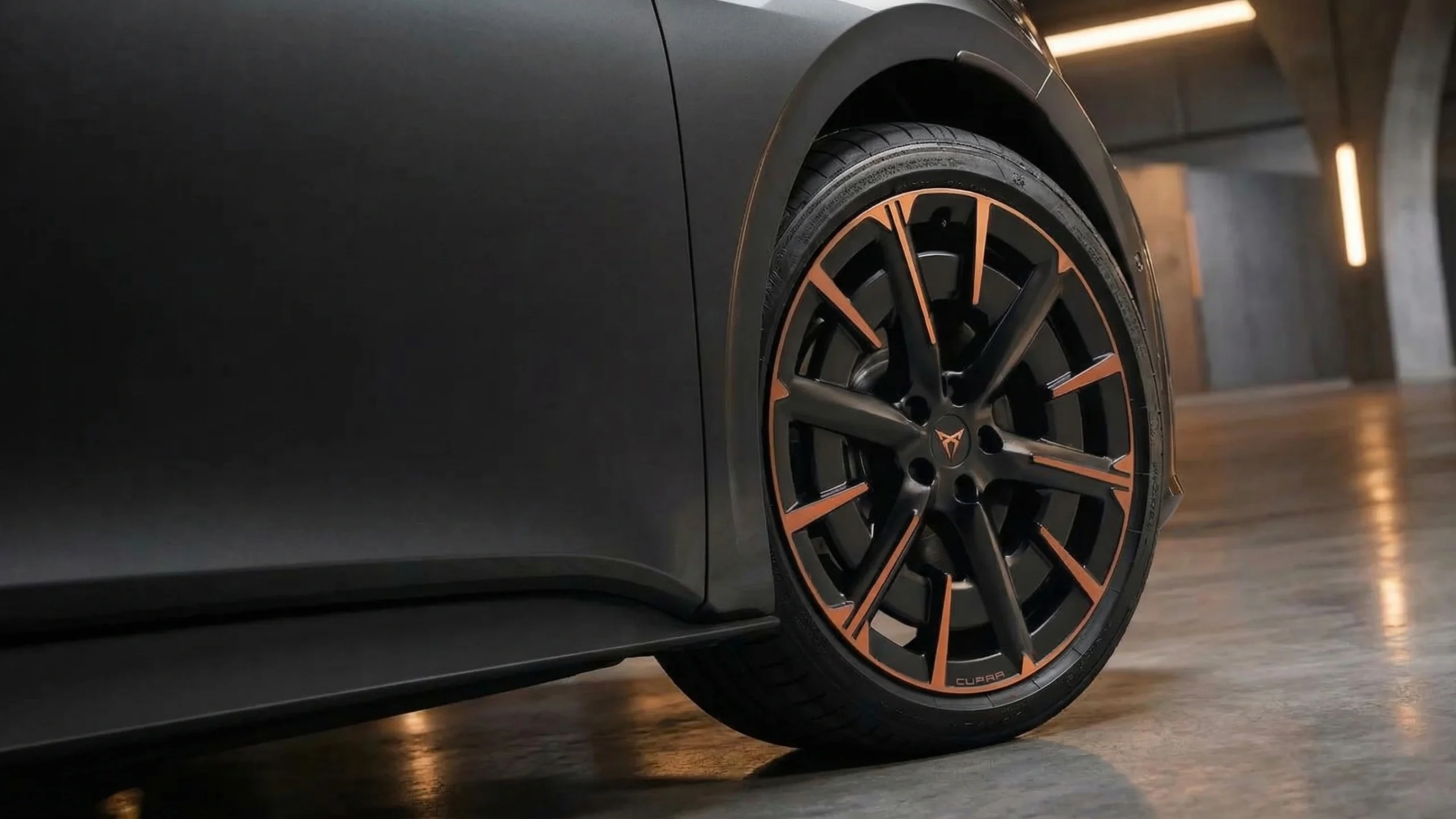
All models get 235 mm wide tires on 19-20 inch wheels for better agility. DCC Sport chassis offers 15 adjustment levels and five driving modes. Born VZ adds launch control and one-pedal driving. Changes use the same MEB platform since its 2021 debut.
How Does the 2026 Cupra Born Compare to Competitors?
- Vs VW ID.3: Born’s 228 hp base beats ID.3’s max 204 hp; VZ’s 326 hp leads segment.
- Vs Hyundai Ioniq 5 N / i30 N Electric: Matches 320 hp but emphasizes handling in compact hatch form.
- Vs Ford Capri: Shares 58 kWh / 140 kW LFP specs, hinting VW Group synergy.
- Refreshed ID.3 expected soon with similar updates; Cupra downplays powertrain to avoid overlap.
Why Is Cupra Quiet on Powertrain Details?
The facelift aligns with VW Group’s strategy: LFP batteries and APP350 motor enable cost savings and efficiency, but Cupra prioritizes design and interior hype. This lets VW spotlight ID.3 updates separately, maintaining brand distinction in the compact EV market.
Key Takeaways
- Major visual refresh: Shark nose, LEDs, +12mm length, physical buttons fix key complaints.
- Subtle powertrain evolution: New 58 kWh LFP-like option (140 kW), ~600 km range on 79 kWh.
- Sporty edge: Up to 326 hp, enhanced chassis/tires beat ID.3, compete with Hyundai N.
- VW strategy play: Hides tech upgrades to spotlight styling amid crowded EV segment.
- Buyer appeal: Evolution for handling-focused compact EV; no revolutionary leaps.