
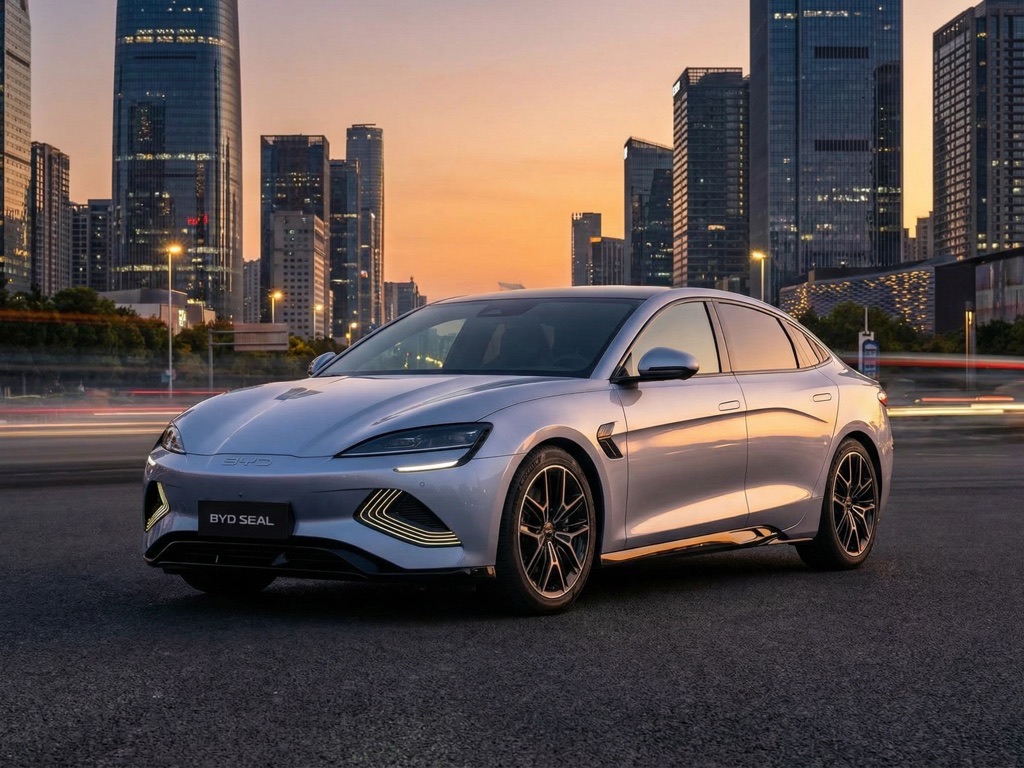
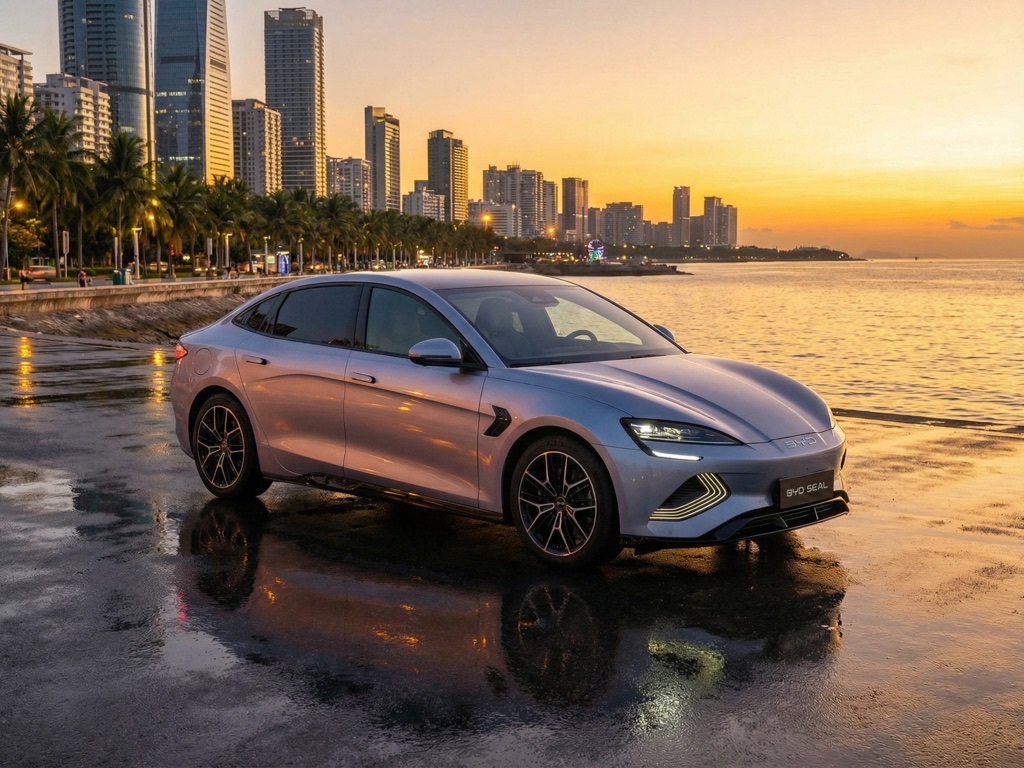
The 2026 BYD Seal sedan gains increased interior room, upgraded technology features, and a 520km WLTP range in its Performance variant, all while maintaining familiar pricing around $61,990 drive-away in key markets. These updates address common critiques of earlier models by improving space efficiency and software refinement without raising costs, making it a stronger contender against premium EVs. Readers interested in high-performance electric sedans should note its 390kW power and rapid charging, positioning it as a value leader in the segment.
Background
BYD Auto, founded in 1995 as a battery manufacturer, entered the automotive market in 2003 and has rapidly expanded its electric vehicle lineup globally. The company now holds significant market share in China and is growing in Europe, Australia, and other regions through models like the Atto 3 SUV and Seal seThe original BYD Seal launched in 2023-2024 as a Tesla Model 3 rivalrival, emphasizing Blade Battery technology for safety and range. The 2026 model year refresh builds on this with more cabin space and tech enhancements, reflecBYD's strategy to iterate quickly on feedbackdback while keeping prices competitive amid intensifying EV competition.
In markets like Australia and Europe, BYD positions the Seal as a premium yet accessible electric sedan, with the Performance AWD variant targeting enthusiasts. Sales data shows strong uptake, bolstered by government incentives and BYD’s vertical integration of batteries and vehicles, which helps maintain pricing stability despite supply chain pressures.
Key Specifications
| Specification | Details (Performance Variant) |
|---|---|
| Powertrain | Dual electric motors, 390kW combined (160kW front, 230kW rear) |
| Torque | 670Nm combined (310Nm front, 360Nm rear) |
| Battery | 82.56kWh Blade Battery |
| Range (WLTP) | 520km |
| Range (NEDC) | Equivalent to ~570km efficiency-adjusted |
| 0-100km/h | 3.8 seconds (claimed), 4.0 seconds tested |
| Top Speed | 180km/h (electronically limited) |
| Dimensions | 4800mm L x 1875mm W x 1460mm H, 2920mm wheelbase |
| Weight | 2185kg kerb |
| Boot Space | 400L rear + 53L front |
| Charging | Up to 150kW DC, 10-80% in 37 minutes |
| Drive | All-wheel drive |
| Towing | 1500kg braked |
Design and Interior Upgrades
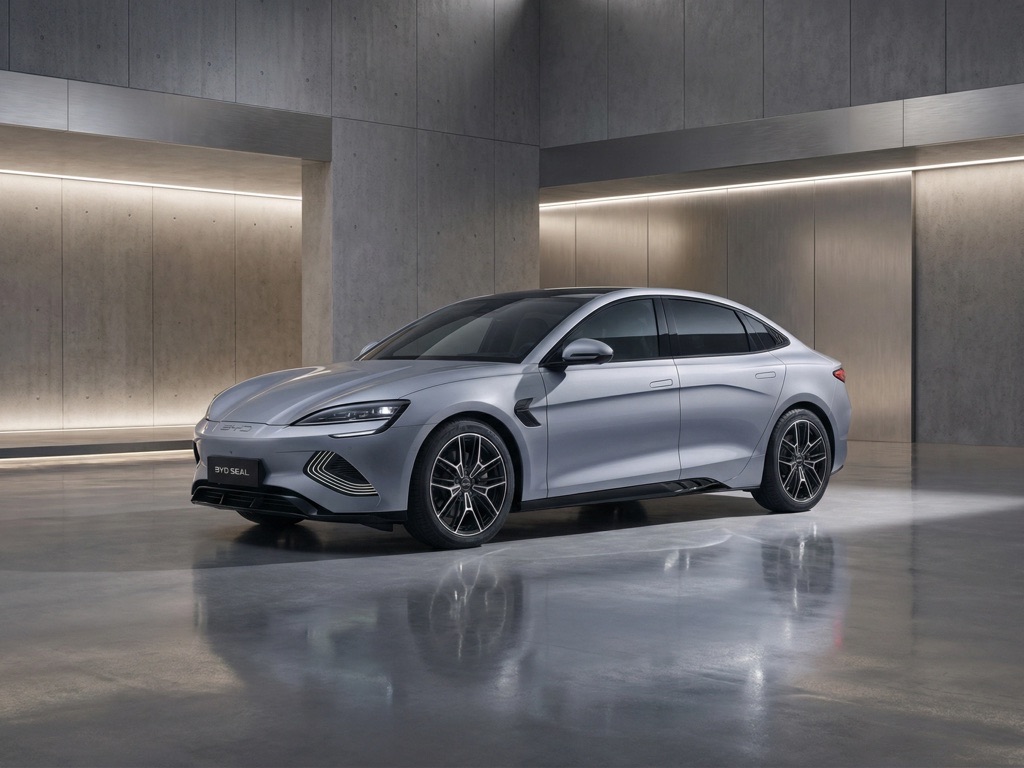
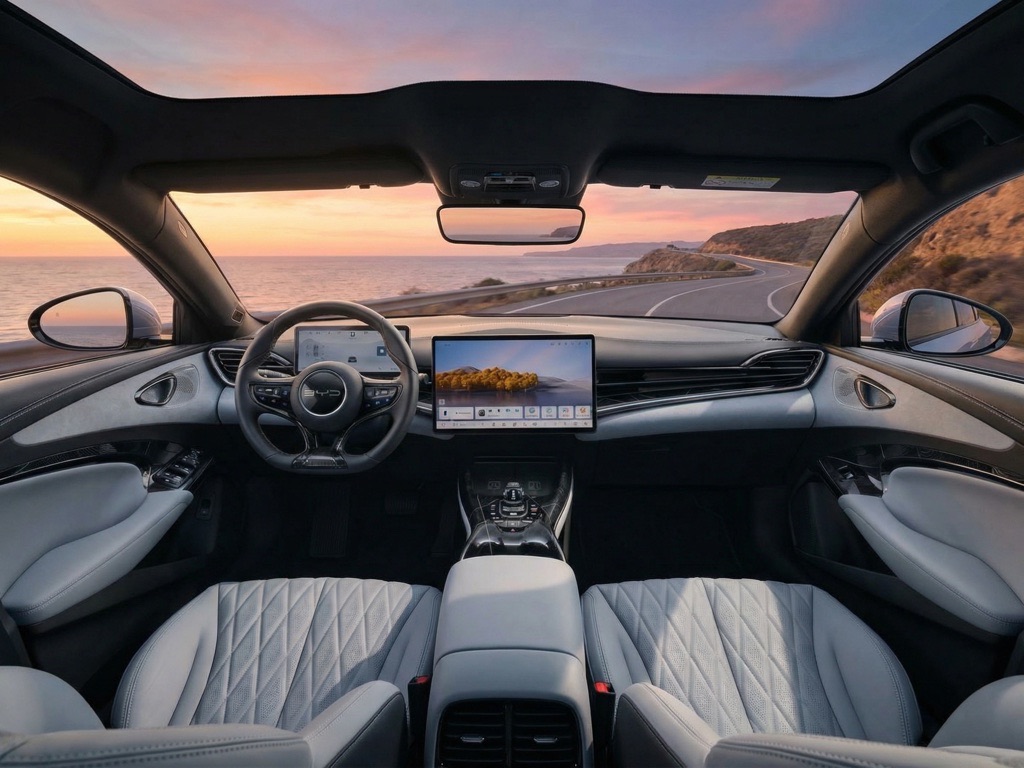
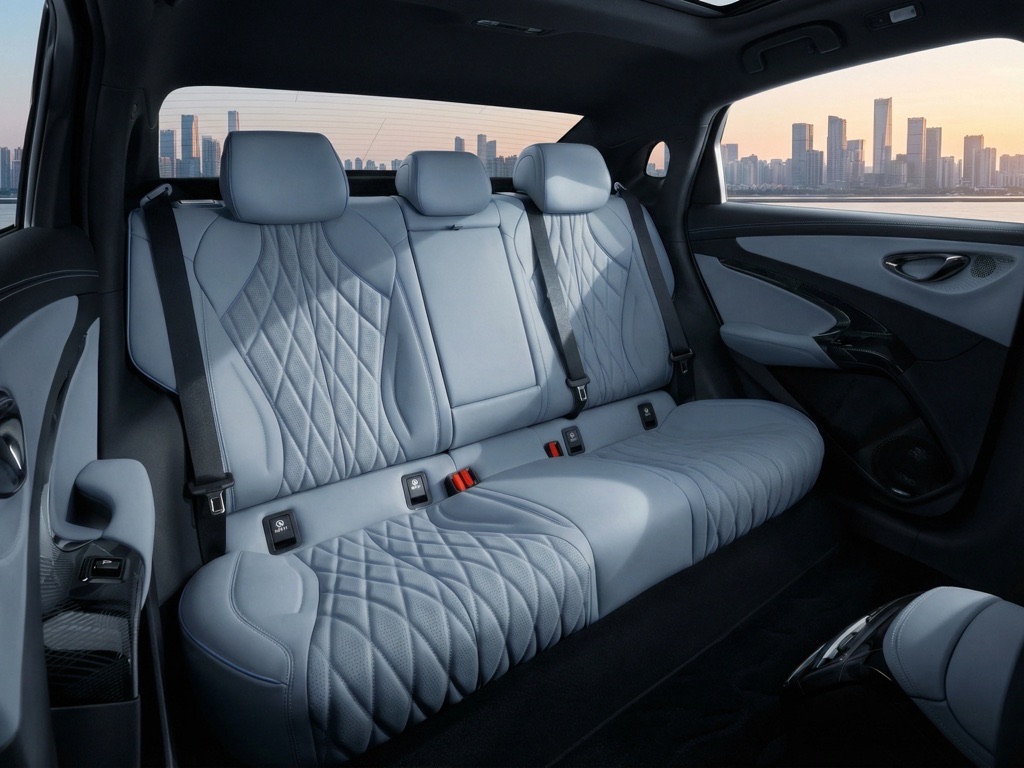
The 2026 BYD Seal introduces more generous interior space compared to its predecessor, with optimizations to the cabin layout allowing better rear legroom and headroom without altering external dimensions. Standard features across trims include a 15.6-inch rotating touchscreen with wireless Apple CarPlay and Android Auto, a 10.25-inch driver display, head-up display, leather seats with heating and ventilation, glass roof, and power tailgate. Performance models add adaptive dampers with Comfort and Sport modes, heated steering wheel, and red brake calipers.
Practicality remains strong with 400L rear boot plus 53L frunk for cables, though payload is limited to 466kg, suitable for average occupants but tight for heavier loads or full capacity. Build quality is reported as solid, with over-the-air updates ensuring long-term tech relevance.
 Cars
Cars
Dreame Announces and Teases Its First Electric Car Ahead of CES 2026
Dreame, widely known for its robot vacuum cleaners and smart home appliances, is preparing to enter an entirely new category:...
 Cars
Cars
BYD Reaches 15 Million New Energy Vehicles Produced in Record Time
Chinese automotive giant BYD has announced a major historic milestone: the company has officially produced its 15-millionth New Energy Vehicle...
 Cars
Cars
Chery Hunting Wild Concept: A Cyberpunk Dream on Wheels
The Future of Electric Wagons Has Arrived Forget everything you know about traditional station wagons. The Chery Hunting Wild concept...
Performance and Efficiency
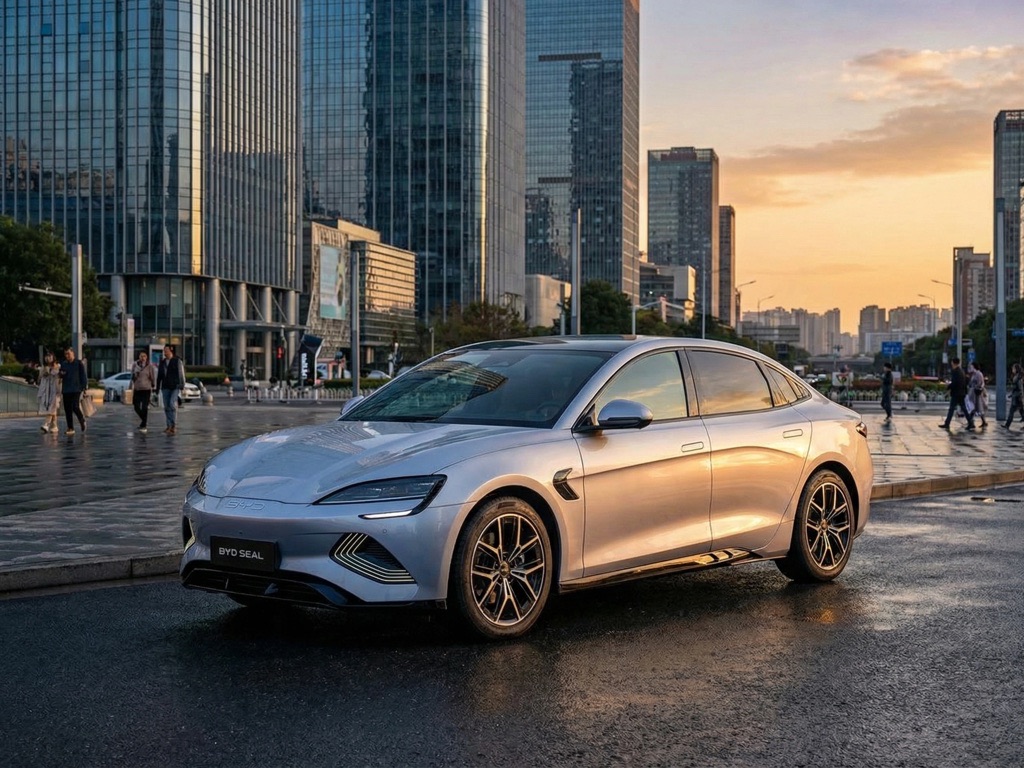
With 390kW and 670Nm, the Seal Performance delivers explosive acceleration, achieving 0-100km/h in 3.8 seconds claimed and 4.0 seconds in real-world tests. Straight-line speed impresses, pinning occupants back up to highway limits, aided by a single-speed transmission and AWD. However, handling shows limitations in refinement and poise on twisty roads, with some body roll despite sharp steering.
Range stands at 520km WLTP from the 82.56kWh battery, with consumption at 18.2kWh/100km WLTP or 16.4kWh/100km NEDC; real-world tests show 15.5-21.5kWh/100km. Charging peaks at 150kW, reaching 10-80% in 37 minutes. Efficiency favors the rear-drive base model at up to 570km equivalent.
Safety and Driver Assistance
The Seal earns five Euro NCAP stars, excelling in vulnerable road user protection. Standard safety includes AEB with pedestrian/cyclist/junction detection, adaptive cruise with traffic jam assist, lane-keep/centring, blind-spot alert, rear cross-traffic assist, road sign recognition, driver attention monitoring, and 360-degree cameras. Software refinements make interventions smoother and less intrusive than early BYD models.
Comparison with Competitors
| Model | Power (kW) | Range (WLTP km) | Price (est. base) | Key Edge |
|---|---|---|---|---|
| 2026 BYD Seal Performance | 390 | 520 | $62,000 | Power-to-price ratio |
| Tesla Model 3 Performance | 510 | 528 | $90,000+ | Superior handling, supercharger network |
| Hyundai Ioniq 6 | 239 (RWD) | 610 | $65,000 | Longer range, aero efficiency |
| Porsche Taycan Base | 300 | 484 | $150,000+ | Premium dynamics, build |
The Seal undercuts rivals on price while matching or exceeding power, though it trails in range (vs. Ioniq 6) and refinement (vs. Tesla/Porsche). It offers better value than the Model 3 for performance seekers.
Verdict
The 2026 BYD Seal delivers exceptional performance and tech at a price that remains disruptive, ideal for buyers prioritizing acceleration, range, and features over ultimate handling or luxury. It’s best for tech-savvy families or enthusiasts in urban/highway settings who want Tesla-like thrills without the premium. Unanswered questions include exact pricing in more markets, real-world range consistency across climates, and long-term reliability data—details not yet confirmed from official sources.