
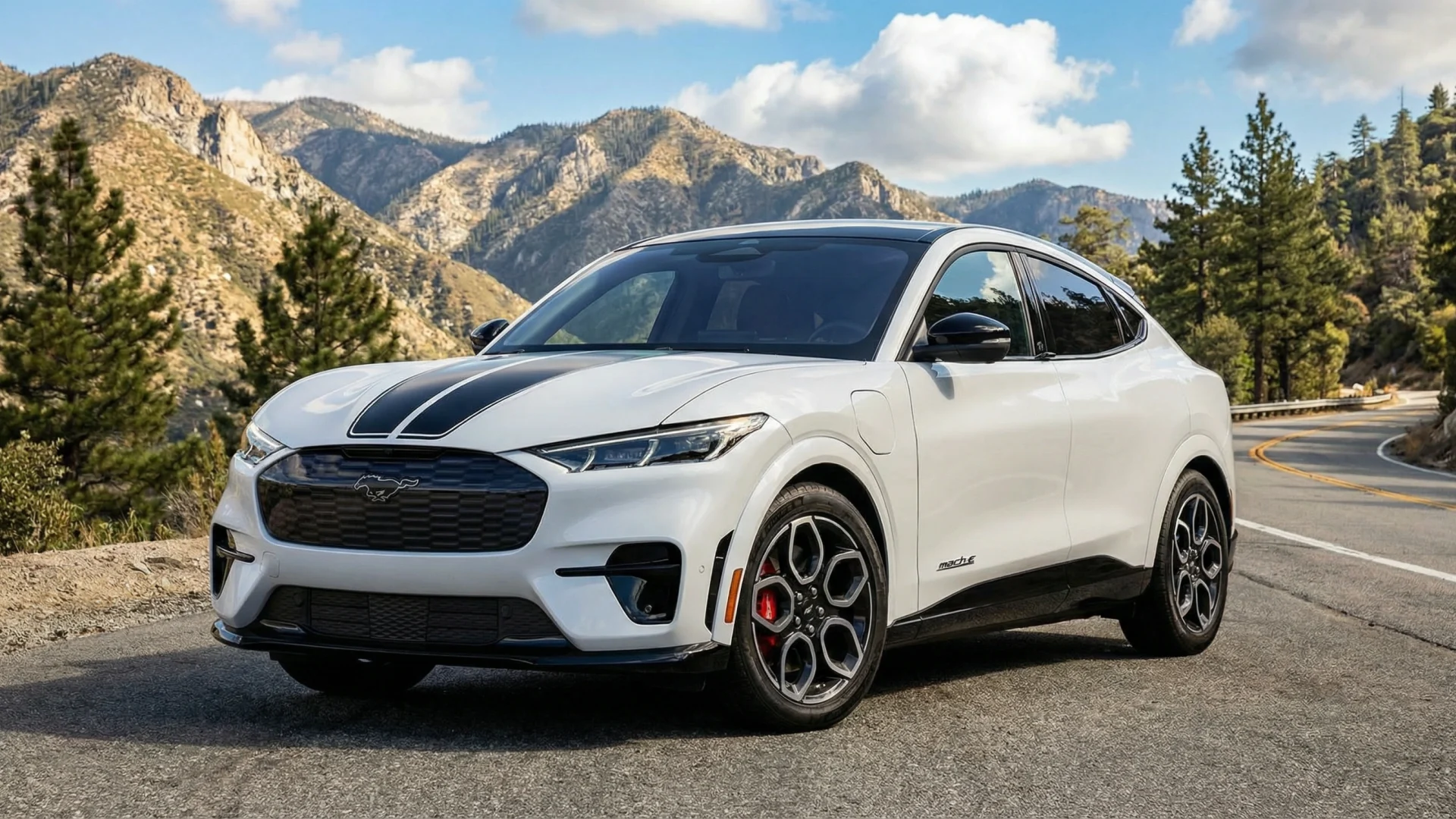
The 2026 Ford Mustang Mach-E GT California Special introduces a nostalgic design package inspired by the 1968 Mustang, paired with 480 horsepower, up to 700 lb-ft of torque, and an EPA-estimated 280-mile range. This GT-based edition targets buyers seeking Mustang heritage in an electric SUV format. EV enthusiasts should note its blend of performance, updated safety features, and efficiency gains, making it a stronger contender in the premium electric SUV segment.
Background: Ford’s Mustang Mach-E Evolution
Ford launched the Mustang Mach-E in 2020 as its first dedicated electric vehicle under the iconic Mustang badge, aiming to blend sports car dynamics with SUV practicality. Despite initial debates over applying the Mustang name to a four-door EV SUV, the model has sold over 200,000 units in the US by 2025, establishing Ford as a key player in the electric SUV market. The 2026 refresh builds on this success with the GT California Special, a nod to the 1968 California Special Mustang created for high-demand West Coast dealers. This edition revives that heritage for the EV era, emphasizing style and usability without a V8 engine.
Ford’s EV strategy focuses on expanding BlueCruise hands-free driving and improving range across its lineup, including the Mustang Mach-E. The company plans to extend BlueCruise to models like the Puma and Ranger by summer 2026, signaling broader adoption of advanced driver aids. In a competitive market dominated by Tesla’s Model Y and emerging rivals like the Hyundai Ioniq 5, Ford prioritizes performance upgrades and heritage styling to differentiate the Mach-E.
Key Specifications
| Specification | Details |
|---|---|
| Powertrain | Dual-motor AWD |
| Horsepower | 480 hp |
| Torque | 600 lb-ft standard; 700 lb-ft with Performance Upgrade |
| Battery | Extended-range 91 kWh (usable) |
| EPA Range (GT) | 280 miles |
| 0-60 mph | 3.3 seconds (with Performance Upgrade) |
| Top Speed | 128 mph (governed) |
| Charging | 150 kW DC fast-charge peak; 11 kW onboard |
| Wheels | 20-inch Carbonized Gray with GT/CS logo |
| Seating | 5 passengers |
Note: Premium Extended Range models (non-GT) gain up to 615 km (382 miles WLTP equivalent) with new low-rolling-resistance tires; AWD versions reach 555 km (345 miles).
Design and Styling Analysis
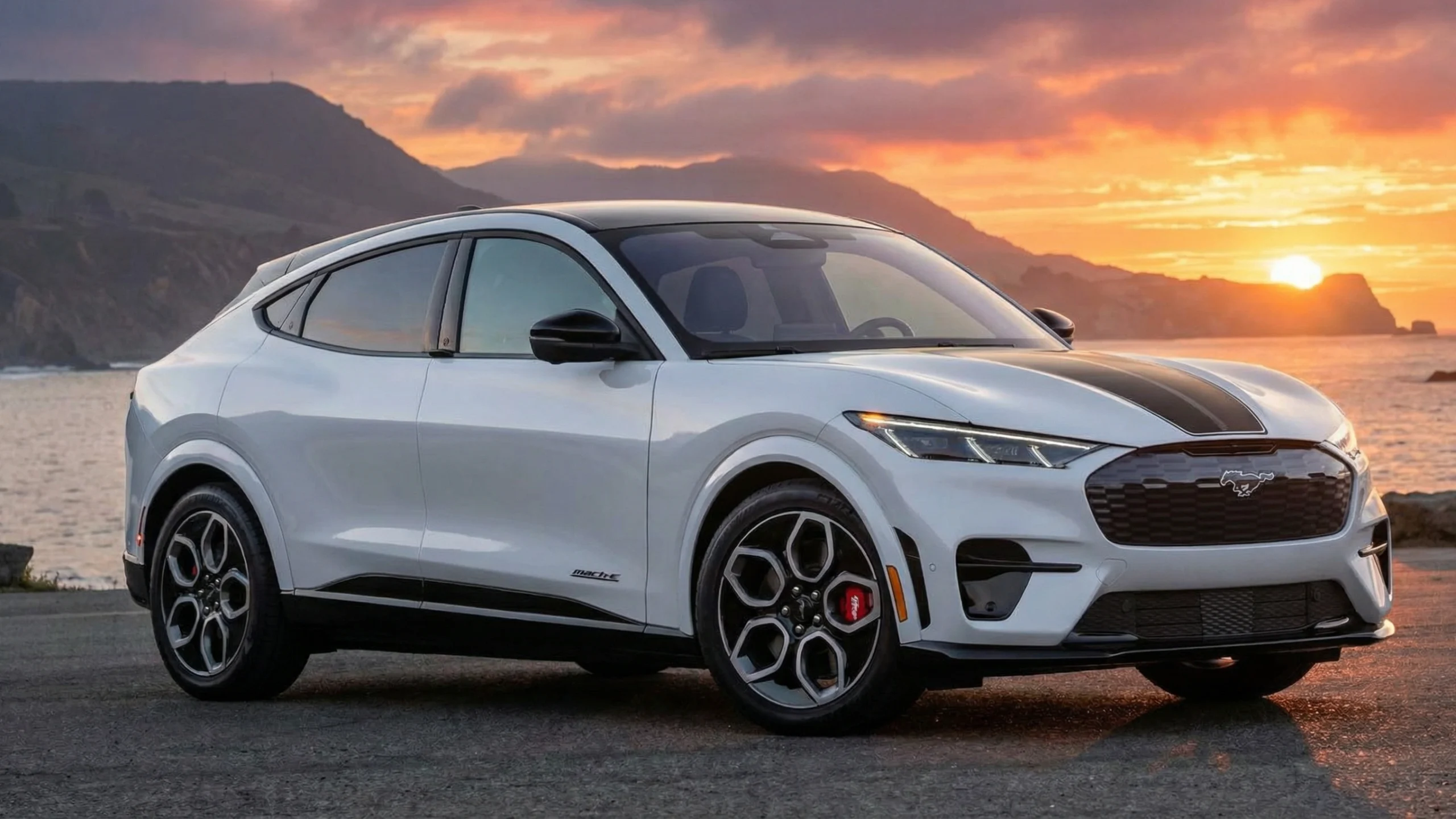
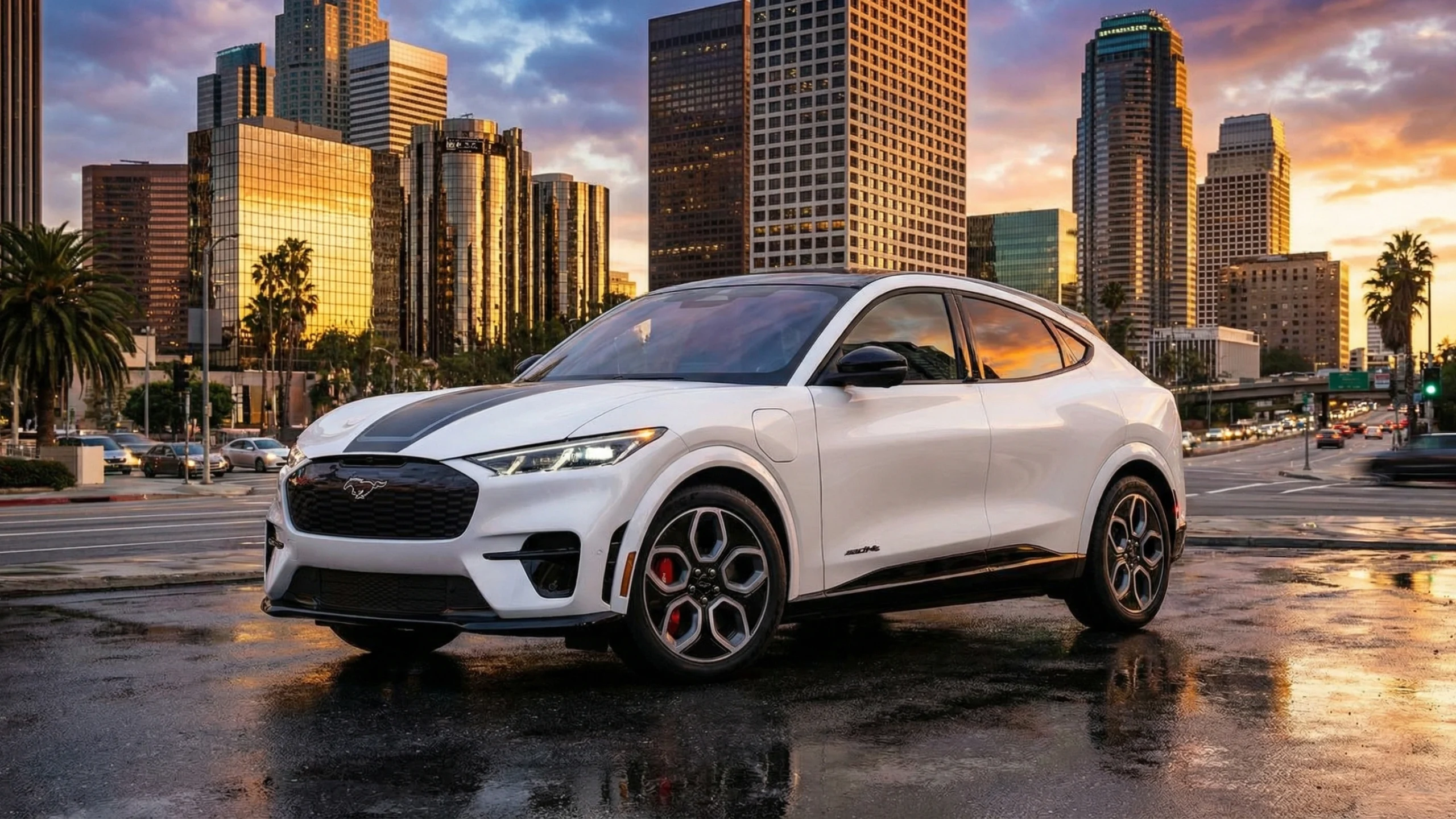
The GT California Special’s exterior draws directly from the 1968 original, featuring 20-inch Carbonized Gray wheels with a printed GT/CS logo and gloss black aero covers. Rave Blue accents highlight the illuminated pony emblem on the grille and badges, while a unique hood stripe mimics a sunset over the ocean—a subtle West Coast vibe suited for coastal drives or urban commutes. These elements make it visually distinct from standard GT models without altering aerodynamics significantly.
 News
News
Scorpio Electric Expands Global Presence with New Distributors
Strategic Markets for Distributorship Scorpio Electric, a leading electric motorcycle manufacturer, has taken a significant step in its global expansion...
 Cars
Cars
Chevy Silverado EV Sales Nearly Double as the Electric Pickup Market Slows
The U.S. electric pickup truck market showed signs of contraction in Q3 2025, but the Chevrolet Silverado EV delivered a...
 Cars
Cars
Honda Base Station Prototype Weighs Under 1500 lbs and Tows with CR-V – Democratizes Camping for Compact EVs
Honda has unveiled the Base Station Prototype, a lightweight camper trailer weighing under 1,500 pounds that can be towed by...
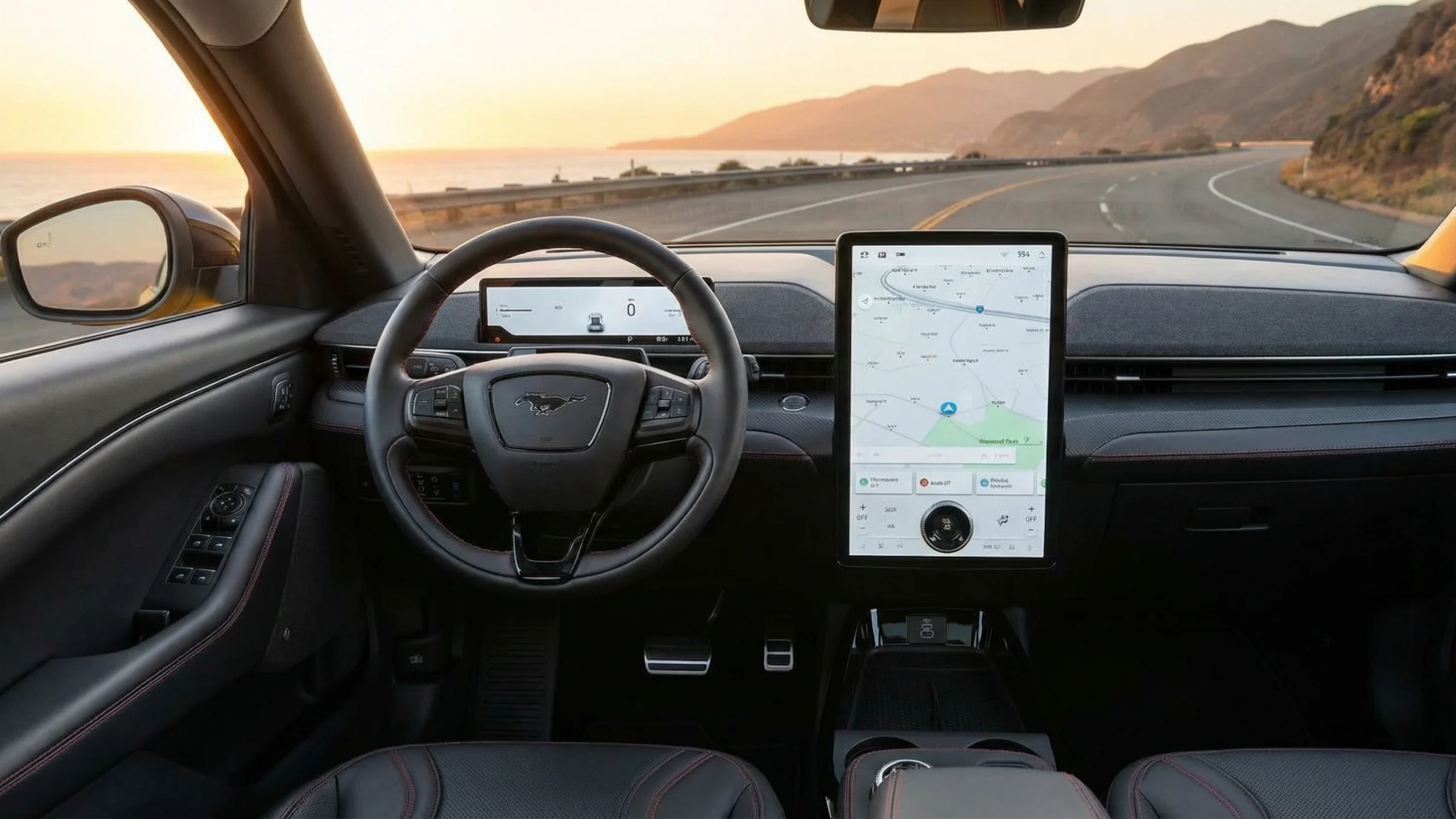
Inside, Navy Pier ActiveX synthetic seats with blue and silver stripes offer durability over leather, paired with a matching steering wheel, center console, and floor mats. ActiveX resists spills and wear, ideal for families or daily drivers. The cohesive blue theme creates a premium, coordinated cabin that echoes classic Mustang interiors. Critics note the design successfully bridges retro appeal with modern EV minimalism, though some question if SUV proportions dilute Mustang purism.
Performance and Range Improvements
Built on the GT platform, the California Special retains dual-motor AWD delivering 480 hp and 600 lb-ft of torque standard, upgradeable to 700 lb-ft via the Performance Upgrade for 3.3-second 0-60 mph acceleration. Braking from 70-0 mph takes 172 feet, with 0.84 g skidpad grip. The 91 kWh extended-range battery supports 150 kW DC fast-charging, though full charge times vary (e.g., 9.9 hours on 48-amp 240V for standard-range AWD).
Range enhancements apply broadly: Premium Extended Range AWD models now hit 555 km (EPA ~300-320 miles equivalent), RWD up to 615 km (~370-382 miles), thanks to low-rolling-resistance tires—gains of 5-15 km. GT California Special sticks to 280 miles EPA, prioritizing power over max range. Real-world tests suggest highway efficiency benefits from BlueCruise, but cold weather could reduce figures by 20-30%, an unanswered question for northern buyers.
Safety and Technology Upgrades
Standard Clear Exit Assist uses sensors to detect cyclists, scooters, or pedestrians, alerting if doors are opened unsafely—addressing urban “dooring” risks. The suite includes adaptive cruise control, lane-keeping, automatic emergency braking, and BlueCruise for hands-off highway driving on mapped roads. Ford’s one-pedal driving via regenerative braking enhances efficiency.
These additions make the 2026 Mach-E safer for city use, but BlueCruise coverage remains limited to pre-approved highways, with expansion planned. Independent tests praise its stability (0.84 g cornering), but braking from 100-0 mph at 350 feet trails some rivals. Unanswered: exact pricing for the California Special package and availability timelines.
Competitor Comparison
| Model | Horsepower | Torque (lb-ft) | EPA Range (miles) | 0-60 mph (sec) | Price Est. (USD) |
|---|---|---|---|---|---|
| 2026 Mustang Mach-E GT CS | 480 | 700 | 280 | 3.3 | $60,000+ |
| Tesla Model Y Performance | 510 | 546 | 303 | 3.5 | $52,000 |
| Hyundai Ioniq 5 N | 641 | 545 | 221 | 3.4 | $67,000 |
| Kia EV6 GT | 576 | 545 | 218 | 3.4 | $62,000 |
The Mach-E GT California Special matches rivals in acceleration but lags in range versus Model Y; its torque edge shines in launches. Ioniq 5 N leads power, but at lower range. Pricing details not yet confirmed for the Special edition.
Verdict
The 2026 Mustang Mach-E GT California Special earns a buy recommendation for performance-oriented buyers wanting Mustang flair in a practical EV SUV—ideal for coastal commuters or enthusiasts valuing 480 hp, 280-mile range, and retro style over max efficiency. It outperforms base EVs in thrills and safety but trails Tesla in range and charging network access. Skip if pure range (e.g., 370+ miles) is priority; await pricing and real-world range tests for confirmation. This edition strengthens Ford’s EV lineup amid growing competition.