
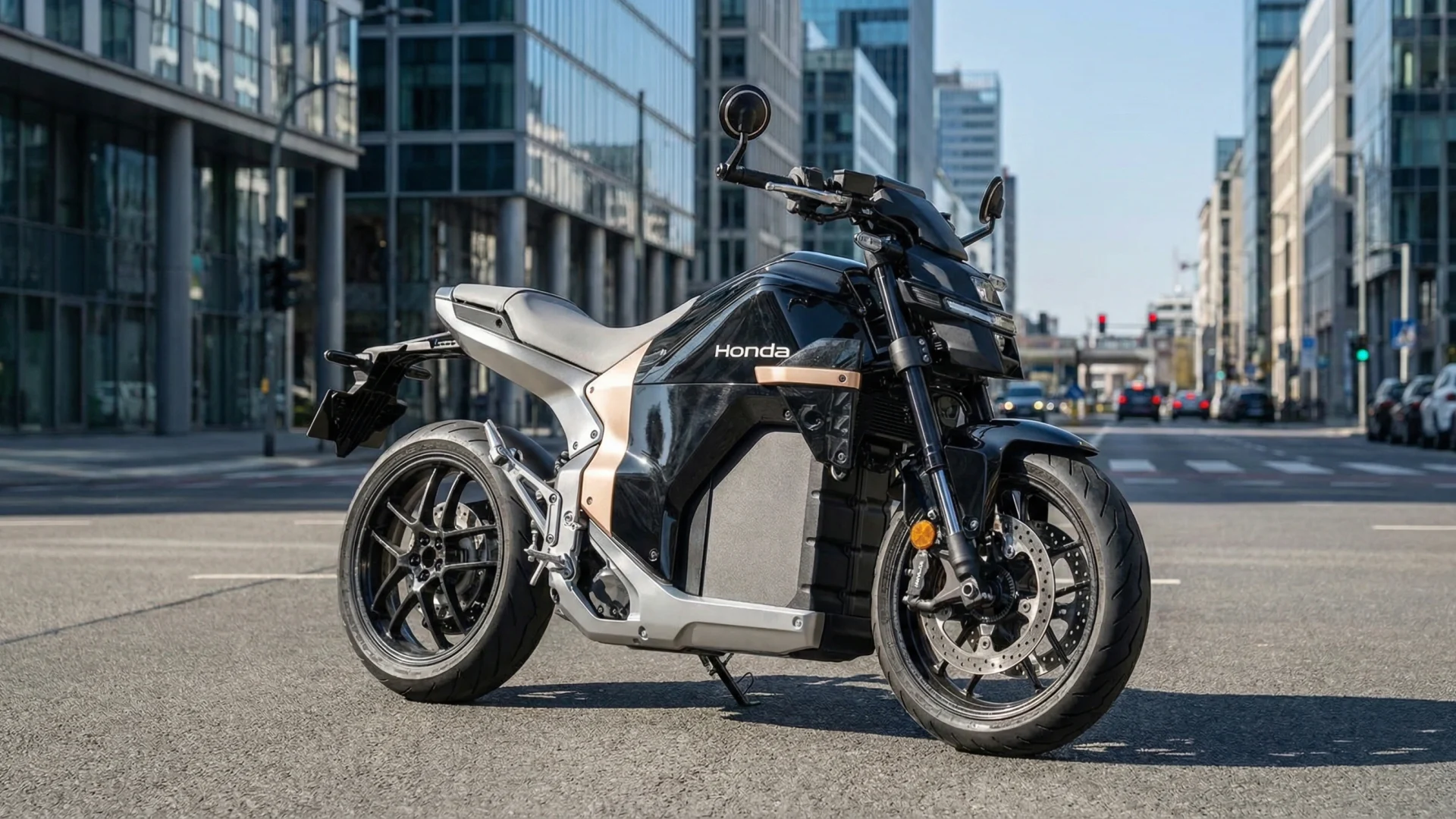
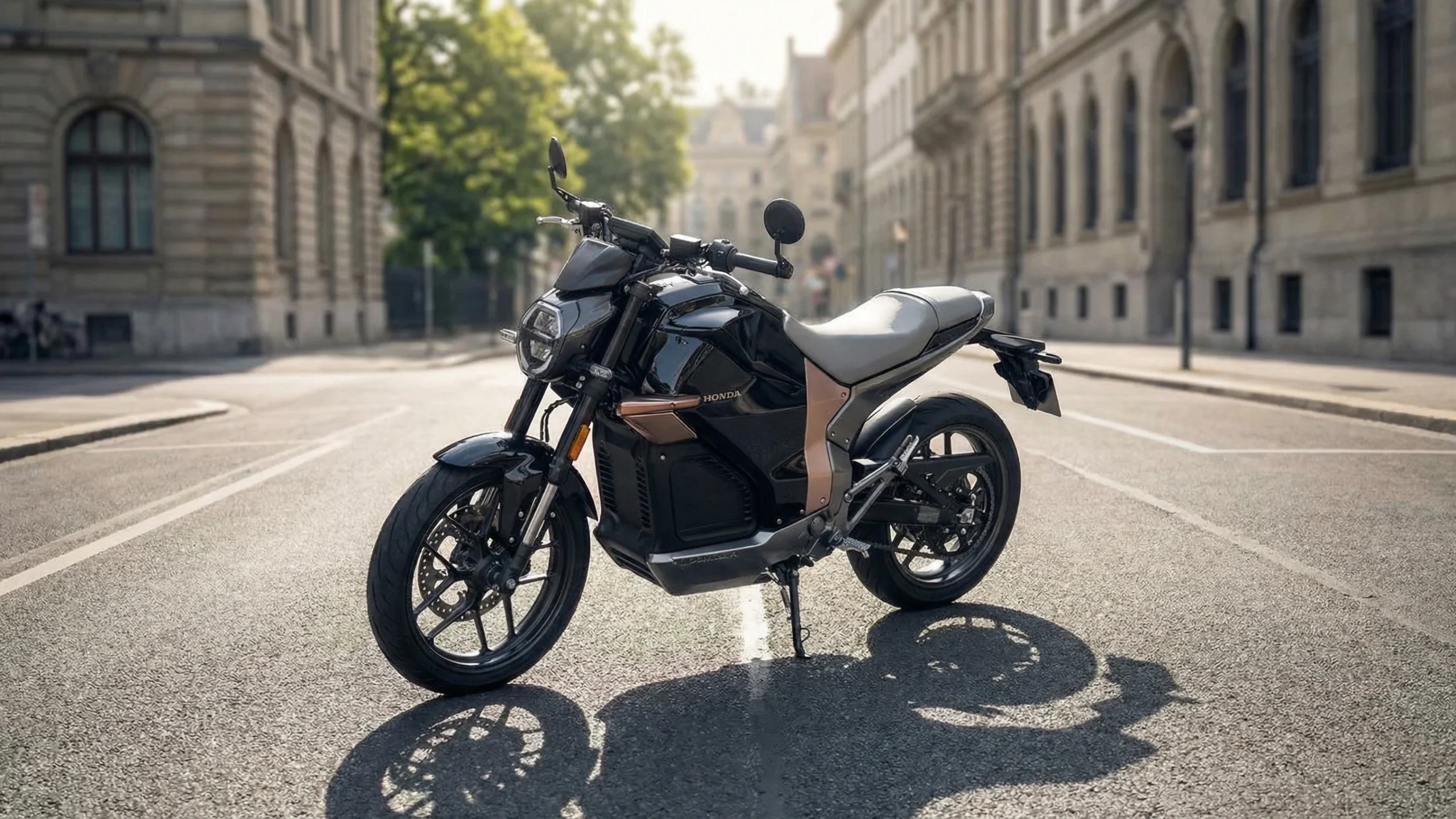
Honda’s first full-size electric motorcycle, the WN7, has earned a prestigious Gold iF Design Award, validating what many in the EV community have been saying: electric bikes don’t need to look like sci-fi props to be innovative. The recognition signals that major Japanese manufacturers are finally taking electric motorcycles seriously—and doing it right.
A Design Philosophy That Actually Works
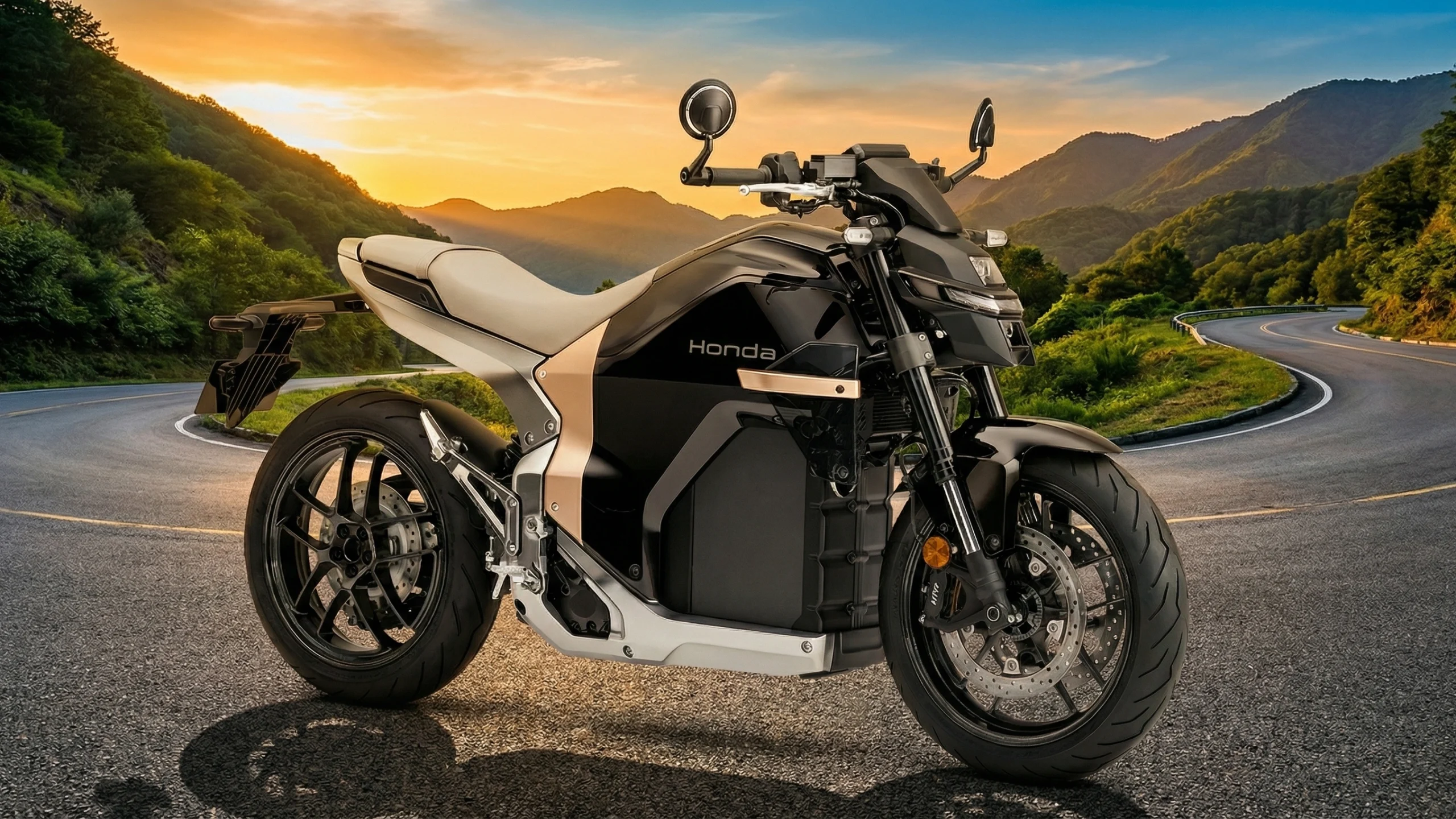
The WN7 represents a fundamental shift in how legacy manufacturers approach electric motorcycles. Rather than disguising the technology with fake gas tanks and futuristic styling cues, Honda embraced honest engineering. The bike wears a classic naked-bike silhouette reminiscent of Honda’s CB-series streetfighters, proving that electric powertrains don’t require radical aesthetic departures.
The frameless design is where Honda’s cleverness becomes apparent. Instead of forcing a battery into a traditional frame, the 9.3kWh lithium-ion battery pack serves as a structural chassis element—the bike’s spine. This approach reduces overall mass while eliminating the visual clutter of hidden battery compartments. At 217kg wet weight, the WN7 sits heavier than comparable internal combustion naked bikes. Still, Honda engineered the mass distribution to feel manageable, with a side-stand mass height of 477mm—lower than a CB500 Hornet.
Performance That Matches the Middleweight Class
The WN7 delivers genuine middleweight performance without pretense. The liquid-cooled electric motor produces 67 horsepower peak output with 73.8 lb-ft of torque—comparable to a 600cc internal combustion engine in power delivery and a 1,000cc bike in torque. This isn’t theoretical performance; Honda quotes a 0–50 meter sprint of 3.9 seconds and 0–60mph acceleration in 4.6 seconds, putting it on par with the CB500 Hornet.
Top speed reaches just over 80 mph, with steady high-speed cruising possible near that figure. The motor operates at 349.8 volts, delivering 24 horsepower continuous output with immediate torque delivery—a characteristic advantage of electric powertrains. A belt final drive and helical reduction gears replace traditional chain-and-sprocket setups, reducing drivetrain noise and maintenance requirements.
Real-World Range and Charging Practicality
Range sits at approximately 87 miles in mixed-use conditions, with the A2-licensed 18kW version achieving up to 86 miles in WMTC testing. The A1-compliant 11kW variant stretches to around 95 miles, broadening access to riders with restricted licenses. For urban commuting—the WN7’s intended primary use case—this range covers typical daily riding patterns with margin for error.
 News
News
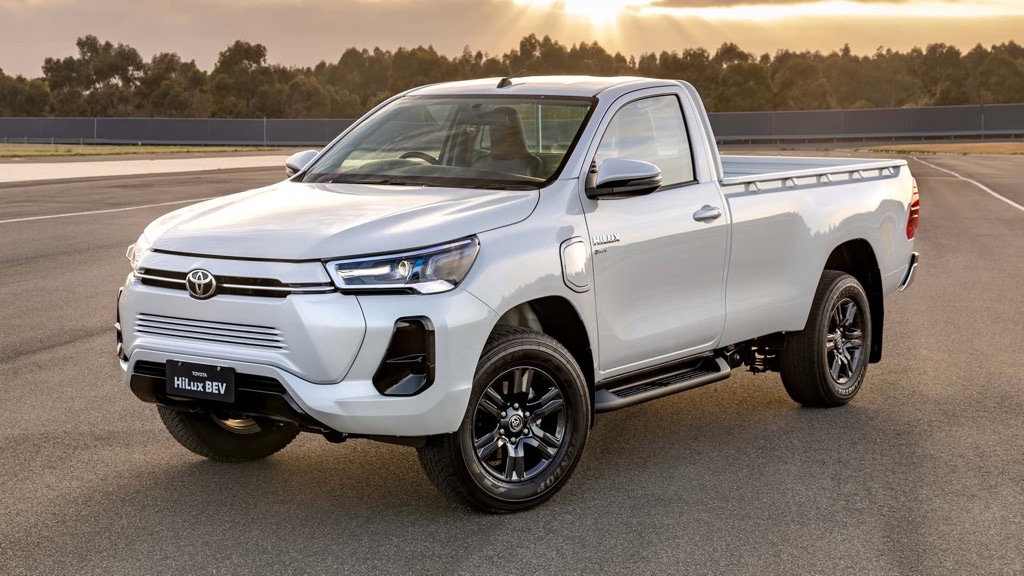
Toyota plans to introduce an all-electric version of its popular Toyota Hilux Revo BEV pickup truck by the end of 2025
Toyota plans to introduce an all-electric version of its popular Toyota Hilux Revo BEV by the end of 2025. The...
 News
News
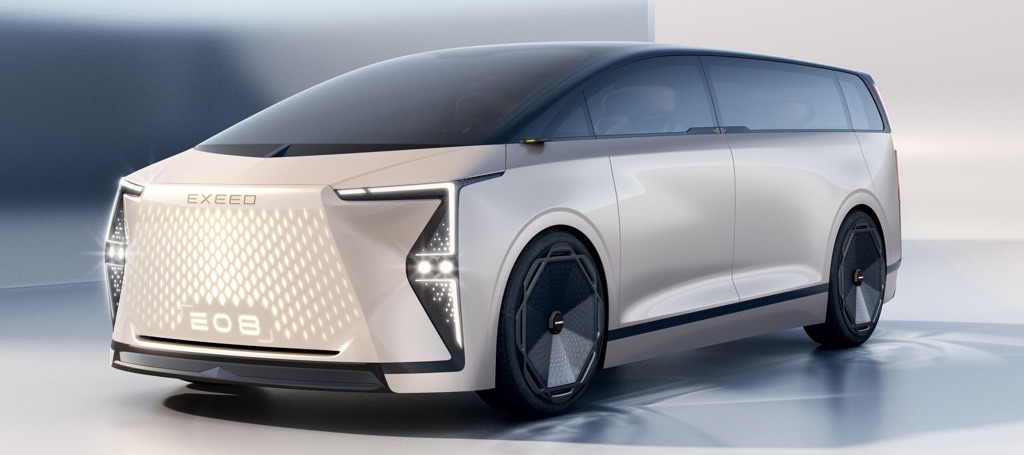
The Chery Exeed E08 Concept Car – A Tailgating Transformer?
The Chery Exeed E08 Concept Car – A Tailgating Transformer? At another auto show, another ambitious electric concept vehicle was...
 Cars
Cars
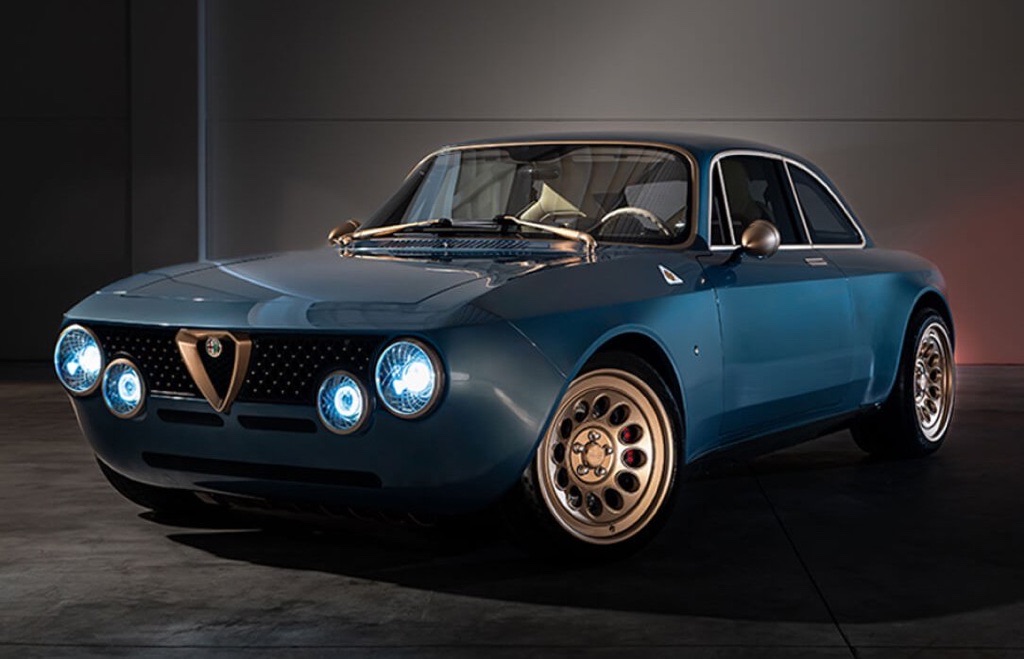
Resurrecting an Italian Icon: The Stunning Alfa Romeo GT Electric Restomod
A Legendary Car Reborn with Electric Power The Alfa Romeo Giulia is an automotive icon from the golden era of...
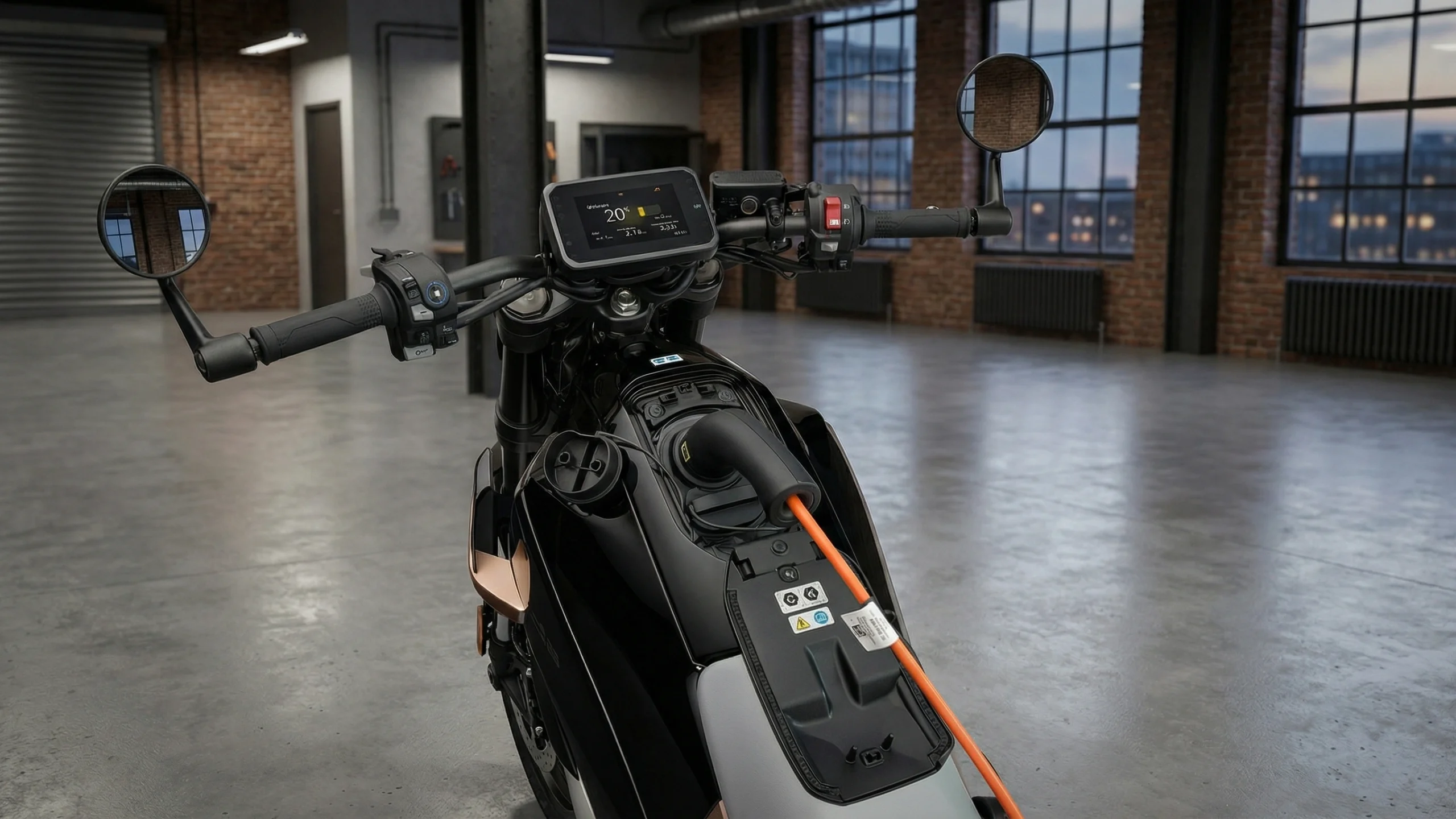
CCS2 fast charging enables a 20% to 80% top-up in approximately 30 minutes, delivering 89km of additional range. Standard Mode 3 home charging completes a full 0–100% charge in under 2.5 hours. This charging flexibility makes the WN7 practical for riders with home charging access and those relying on public infrastructure.
Electronics and Riding Modes
The WN7 features four selectable riding modes—Standard, Sport, Rain, and Econ—each adjusting throttle response, torque delivery, and regenerative braking characteristics. A separate system allows riders to adjust deceleration power through four levels (0–3) using left-handlebar paddles, effectively tuning regenerative braking intensity for different road conditions.
Honda Selectable Torque Control (HSTC) manages rear-wheel slip in low-grip situations, while Selectable Speed Limit Assist (SSLA) allows riders to preset speed caps for built-up areas. Walking Speed Mode enables forward and reverse movement at speeds up to 5km/h for easier maneuvering in tight spaces. A 5-inch TFT screen with Honda RoadSync connectivity and USB-C charging provides modern infotainment integration.
Chassis and Braking Hardware
Suspension comprises 43mm Showa USD telescopic forks with 4.7 inches of travel and a 41mm Showa monoshock with adjustable preload. The aluminum Pro-Arm single-sided swingarm echoes Honda’s higher-end machinery while maintaining the clean aesthetic. Steering geometry—25-degree rake with 3.9 inches of trail—is tuned for agility at low speeds despite the heavier curb weight.
Braking is handled by Nissin hardware: dual 296mm front discs with dual-piston calipers and a 256mm rear disc with a single-piston caliper. An IMU-linked dual-channel ABS offers cornering ABS capability, managed by the bike’s integrated electronics. Seventeen-inch cast aluminum wheels wear 120/70 front and 150/60 rear tires.
Market Position and Pricing Reality
European pricing sits at approximately €17,000 (roughly $17,000 USD equivalent), positioning the WN7 at a significant premium over comparable internal combustion middleweight naked bikes. This pricing reflects the current cost structure of battery technology and electric powertrains, though it limits accessibility for budget-conscious riders.
However, the WN7’s significance extends beyond any single model. Honda’s decision to design an honest motorcycle that happens to be electric—rather than forcing electric components into a futuristic aesthetic—represents a philosophical shift in how legacy manufacturers approach EV development. The iF Design Award validates this approach, suggesting that authenticity and functionality resonate with design professionals and consumers alike.
Comparison with Competitors
| Model | Power Output | Torque | Battery Capacity | Range | Price (approx.) |
|---|---|---|---|---|---|
| Honda WN7 (18kW) | 67 hp peak | 73.8 lb-ft | 9.3 kWh | 87 miles | $17,000 |
| Harley-Davidson LiveWire S2 Del Mar | 105 hp peak | 86 lb-ft | 14.9 kWh | 89 miles | $21,999 |
| Zero SR/F | 110 hp peak | 140 lb-ft | 14.4 kWh | 161 miles | $19,995 |
The WN7 occupies a unique position: it delivers middleweight performance at a lower price point than American and boutique competitors, though with reduced range. Its design philosophy—emphasizing classical motorcycle aesthetics over futuristic styling—differentiates it from both the Harley-Davidson LiveWire line and Zero’s more utilitarian approach.
Verdict: A Watershed Moment for Electric Motorcycles
The Honda WN7 represents a watershed moment for electric motorcycles. By proving that a major Japanese manufacturer can produce an award-winning electric bike without abandoning motorcycle design fundamentals, Honda has legitimized the category in ways that boutique manufacturers never could. The WN7 is for riders who want genuine middleweight performance, urban practicality, and the confidence that comes from Honda’s engineering heritage—without compromise on aesthetics or honest design. At $17,000, it’s expensive, but it signals that the industry’s transition to electric powertrains doesn’t require abandoning what makes motorcycles appealing in the first place.