Audi Resurrects Iconic A2 Name for Affordable Electric Compact
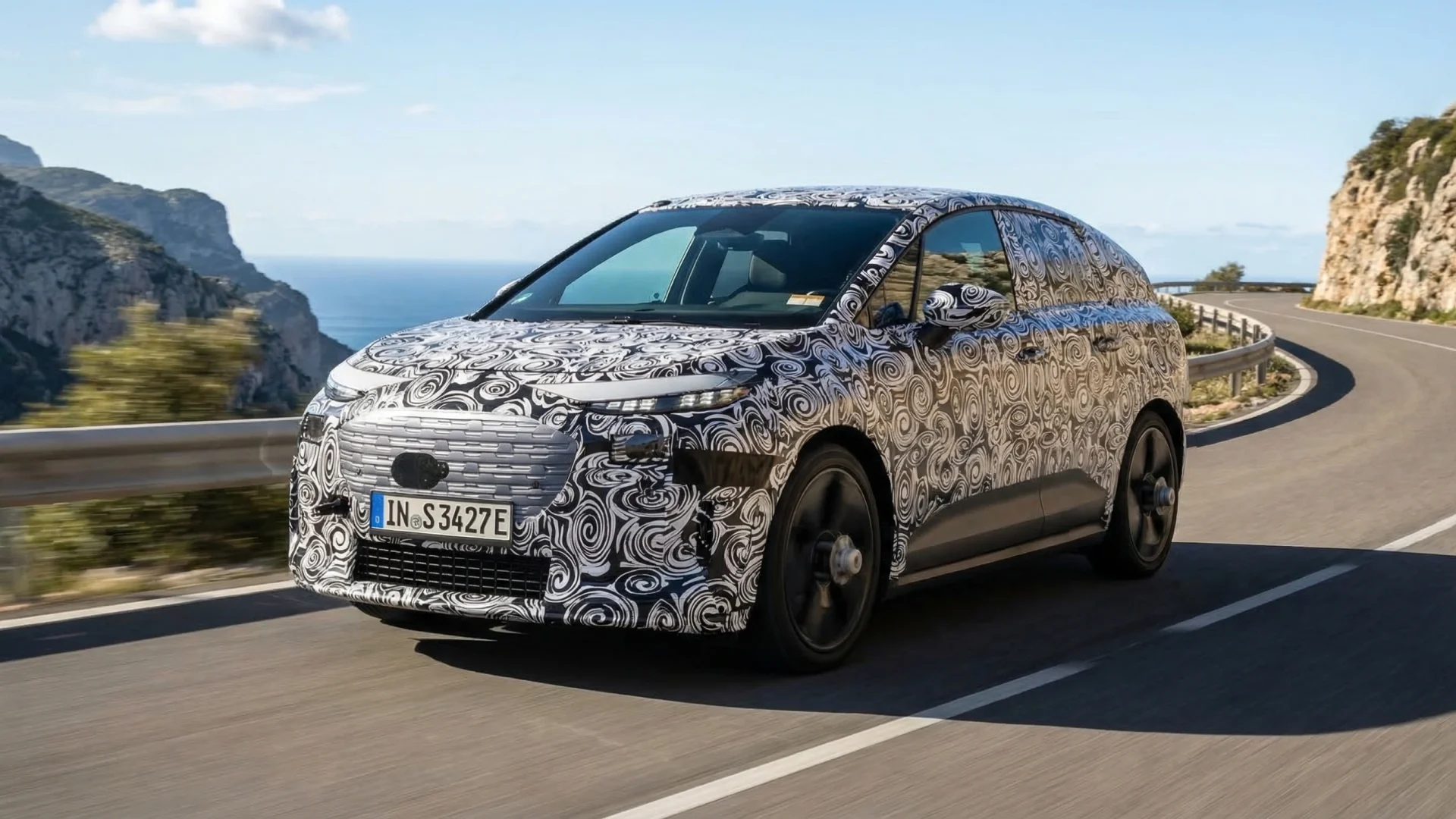
Audi is reviving the A2 nameplate as an all-electric compact crossover, positioning it as the brand’s new entry-level EV starting around £30,000. The A2 E-tron will replace the aging A1 and Q2 models, arriving in early 2027 with up to 370 miles of range and a distinctive one-box design that maximizes interior space without sacrificing urban maneuverability.
Market Context: Filling the Premium Compact Gap
The original Audi A2, produced from 1999 to 2005, was a forward-thinking aluminum city car that prioritized efficiency and clever packaging. Now, with the A1 and Q2 being discontinued by 2026, Audi needs a new entry point into its EV lineup. The A2 E-tron fills this gap directly, positioning itself below the Q4 E-tron (starting at £47,000) while competing with affordable premium compacts like the Volvo EX30 and Smart #1.
This strategy reflects a broader industry shift toward accessible electric mobility. By leveraging the proven Volkswagen Group MEB platform—already used in the VW ID.3, Cupra Born, and Q4 E-tron—Audi can control costs while maintaining quality standards expected at the premium badge.
Specifications and Performance
| Specification | Details |
|---|---|
| Platform | Volkswagen Group MEB (400V architecture) |
| Battery Options | 58kWh and 79kWh net capacity |
| Maximum Range | Up to 370 miles (600 km WLTP) with 79kWh battery |
| Powertrain (Base) | Single rear-wheel drive motor, 231 bhp |
| Powertrain (Performance) | Optional 326 bhp variant; potential dual-motor quattro with 335 bhp |
| Charging | 10% to 80% in under 30 minutes (rapid charging) |
| Length | Approximately 4.25 meters |
| Starting Price (UK) | £30,000 |
| Market Launch | Early 2027 |
Design Philosophy: Modern One-Box Efficiency
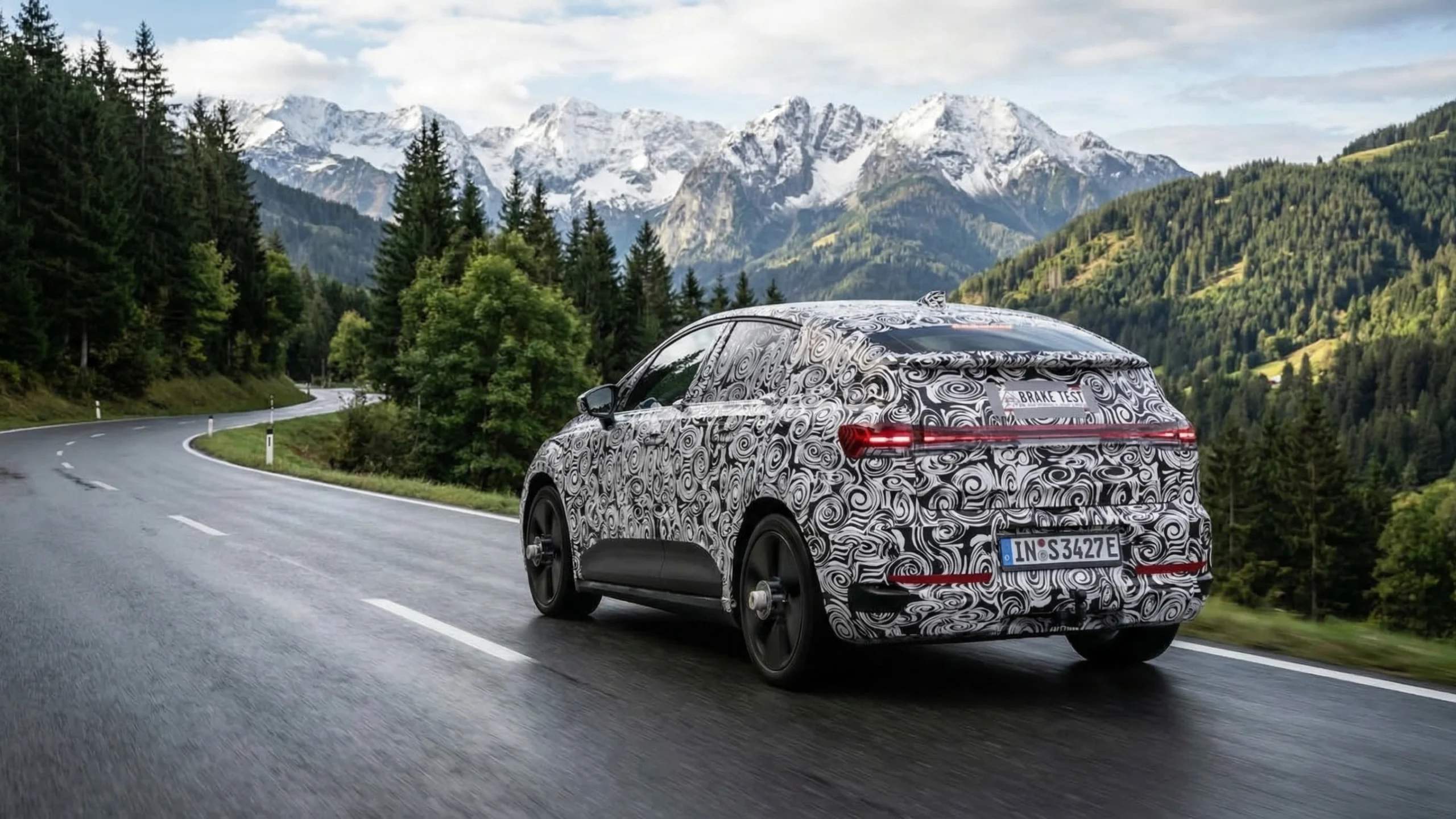
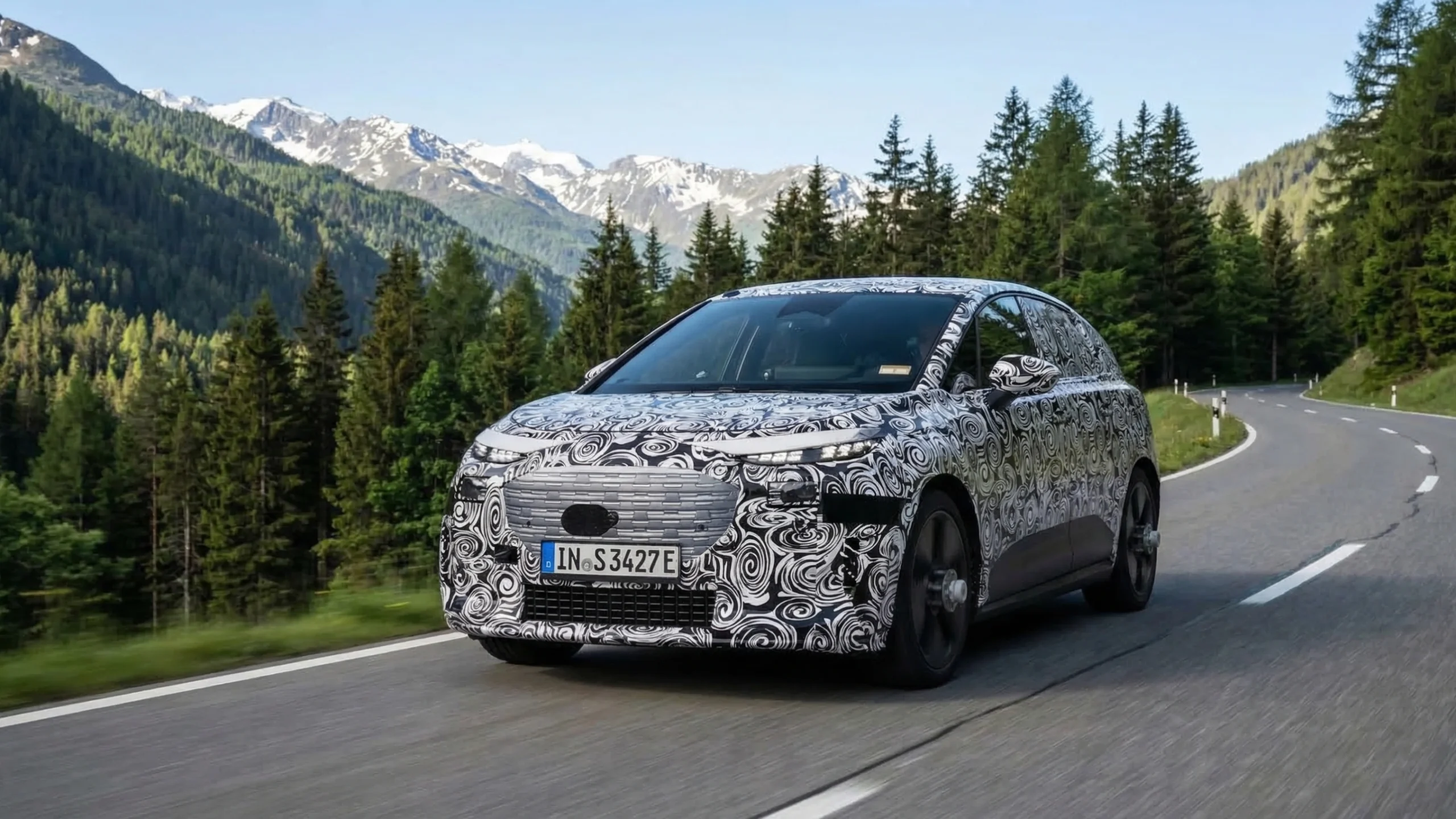
The A2 E-tron abandons the traditional long bonnet in favor of a single-volume silhouette inspired by Audi’s AI:ME concept from 2019. This design approach—reminiscent of the BMW i3 but updated for 2026—prioritizes interior space and aerodynamic efficiency. The rounded roof, short bonnet, and high roofline create a practical urban vehicle while the slippery shape helps maximize range.
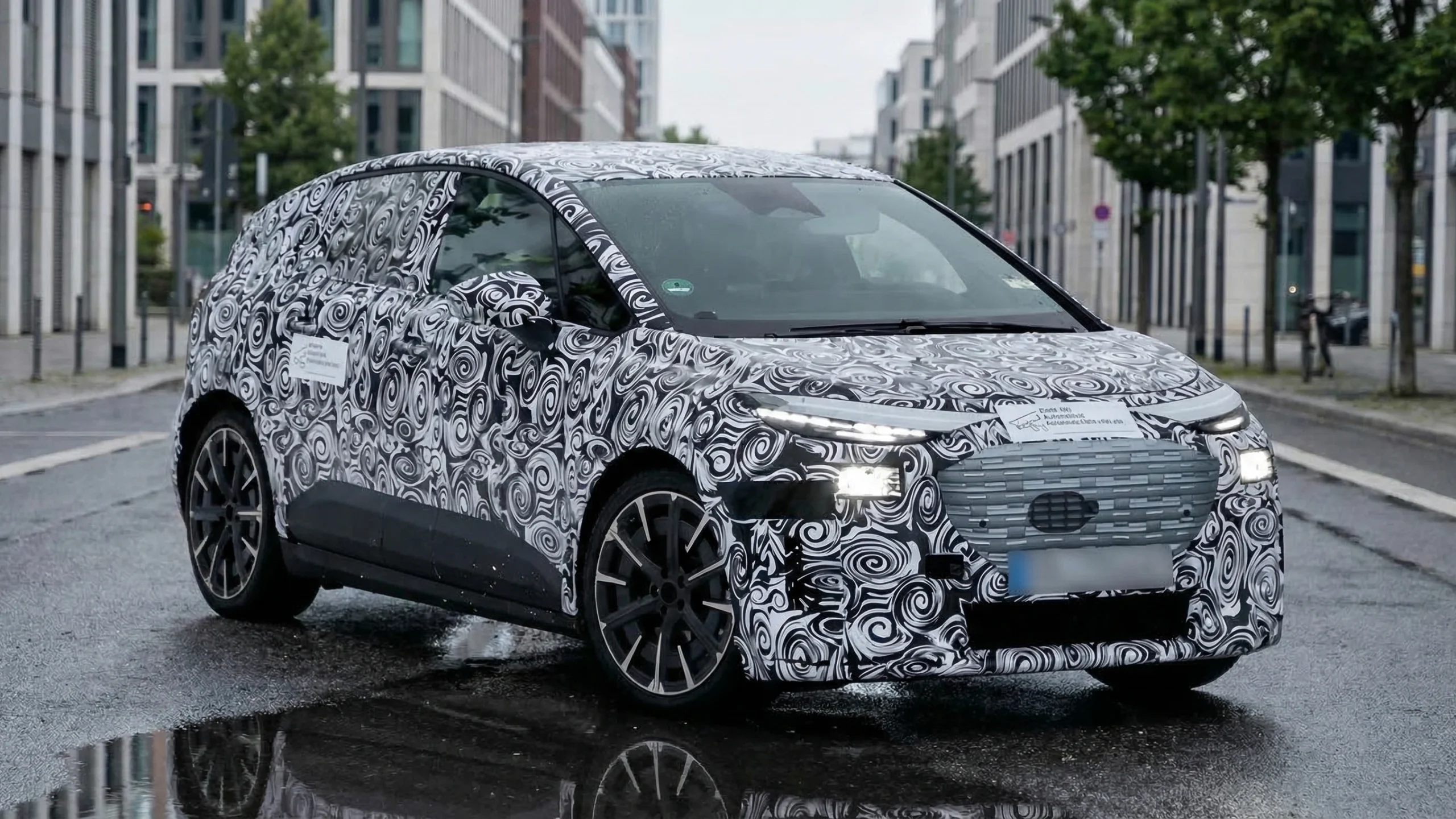
Visual cues include pixel-effect headlamps, continuous rear lights, and a structured grille that aligns with Audi’s current design language. The compact footprint (4.25 meters) makes it genuinely suitable for tight city parking while offering more interior volume than the outgoing A1.
 Cars
Cars
Tesla Model Y Performance (2026): Price, Specs, and Release Date
The Family SUV That Accelerates Faster Than Your Last Bad Decision The 2026 Tesla Model Y Performance has arrived —...
 Cars
Cars
Tesla Semi Achieves 1.2 MW Peak Charging – Proof for 500-Mile Range Viability in Long-Haul Trucking
Tesla has demonstrated its semi-electric truck charging at a record 1.2 megawatts (MW), or 1206 kW, providing the first real-world...
 Cars
Cars
Sharp Unveils Electric Minivan 2025: Price, Specs, and Release Date
Japan’s Sharp has officially revealed its all-new Electric Minivan 2025, a family-focused EV designed to deliver a “living room on...
Range Advantage Over Siblings
A critical differentiator is the A2 E-tron’s projected range. Thanks to its aerodynamic shape, the top-spec model is expected to exceed the VW ID.3’s 595km (370 miles) capability, despite sharing the same MEB platform and battery options. This efficiency gain positions it competitively against larger, less aerodynamic competitors in the compact EV segment.
For context, the ID.3 with a 79kWh battery delivers up to 595km of WLTP range. The A2 E-tron’s more efficient design suggests real-world advantages for buyers prioritizing range without upsizing to a larger vehicle.
Technology and Interior: Details Pending
Audi has not yet revealed the A2 E-tron’s interior, but expectations point toward a fully digital cockpit with next-generation MMI software, fewer physical buttons, and over-the-air update capability—standard across Audi’s upcoming EV lineup. The MEB platform’s 400V architecture supports rapid charging infrastructure already deployed across Europe, ensuring compatibility with existing networks.
Competitive Positioning
| Model | Starting Price (UK) | Segment | Key Advantage |
|---|---|---|---|
| Audi A2 E-tron | £30,000 | Compact crossover | Aerodynamic efficiency, premium badge, one-box design |
| VW ID.3 | ~£35,000 | Compact hatchback | Established model, proven reliability |
| Volvo EX30 | ~£35,000 | Compact SUV | Scandinavian design, safety focus |
| Audi Q4 E-tron | £47,000 | Compact SUV | Larger, more powerful, premium positioning |
The A2 E-tron’s £30,000 entry price undercuts the Q4 E-tron by £17,000 while offering a distinctly different design philosophy. Unlike the ID.3’s traditional hatchback proportions, the A2’s one-box silhouette appeals to buyers seeking premium compact crossover practicality without SUV bulk or price.
Unanswered Questions
Several details remain unconfirmed ahead of the full reveal expected later in 2026. Audi has not disclosed 0-60 acceleration times, real-world range testing data, or detailed interior specifications. The potential dual-motor quattro variant’s availability and pricing remain speculative. Additionally, while rapid charging to 80% in under 30 minutes is claimed, actual charging performance across different networks awaits independent testing.
Verdict: A Pragmatic Entry Point to Premium Electric Mobility
The Audi A2 E-tron represents a calculated strategy to capture price-sensitive buyers seeking premium brand credentials without flagship pricing. Its 370-mile range, efficient design, and £30,000 starting point address real market demand for accessible electric compacts. The car is positioned for urban and suburban drivers who value practicality, charging infrastructure compatibility, and Audi’s quality reputation over maximum performance. However, the final verdict depends on real-world range validation, interior quality execution, and how effectively Audi differentiates it from the cheaper VW ID.3 and more capable Q4 E-tron. Early 2027 delivery will reveal whether the A2 E-tron truly resurrects the original’s spirit of intelligent efficiency or merely reuses a beloved name.