BYD’s New Seal 07 EV Promises 400km Range in Five Minutes—But There’s a Catch
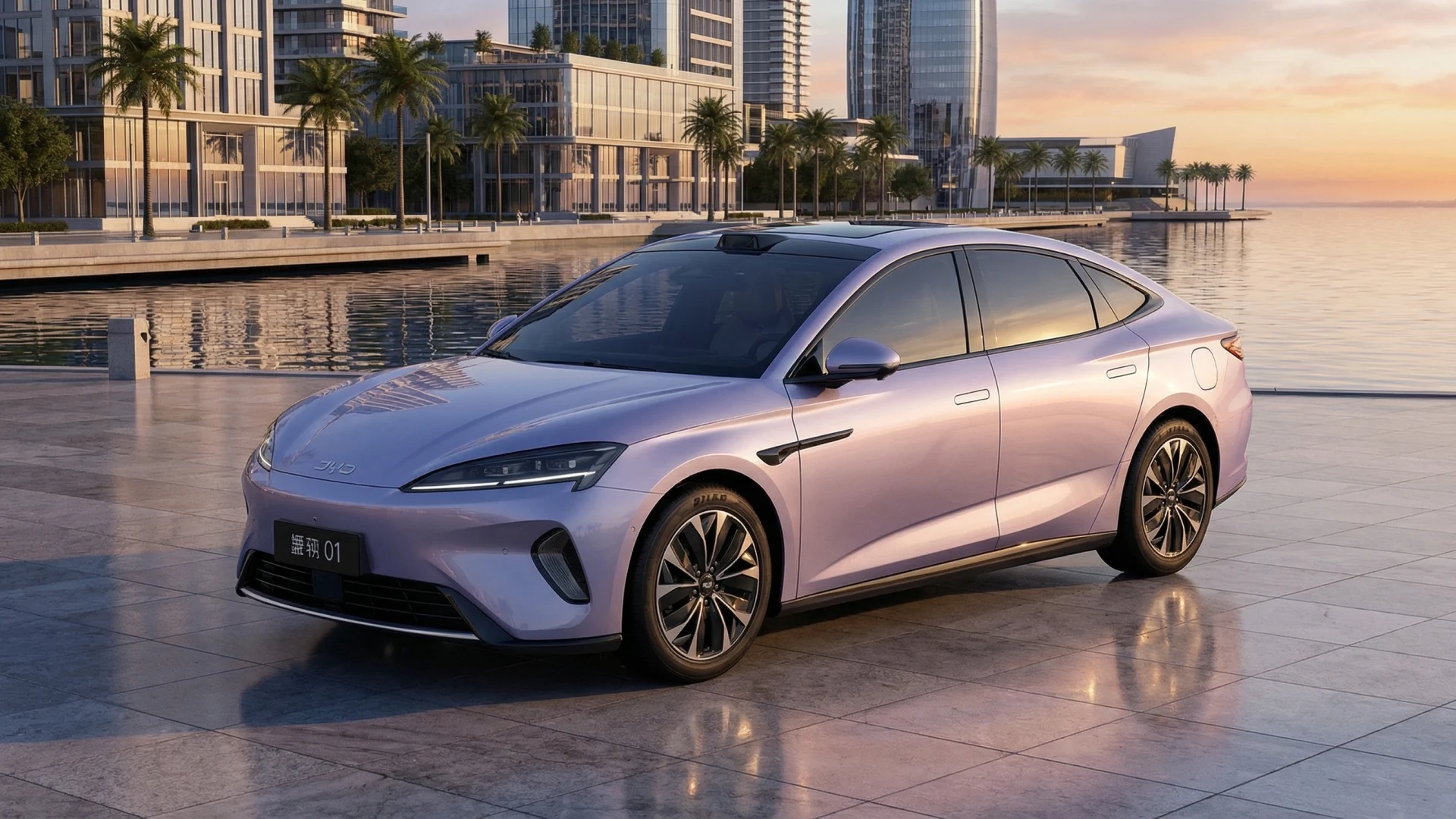
BYD officially launched the Seal 07 EV on March 5, 2026, positioning its mid-size sedan as a direct challenger to premium competitors like the Xiaomi SU7. The standout claim: the vehicle can add 400 kilometers of driving range in just five minutes usingBYD's new 1,500 kW Flash Charging networkk. However, this headline-grabbing specification requires critical examination against real-world charging physics and the vehicle’s actual battery capacity.
Battery and Charging: The Critical Analysis
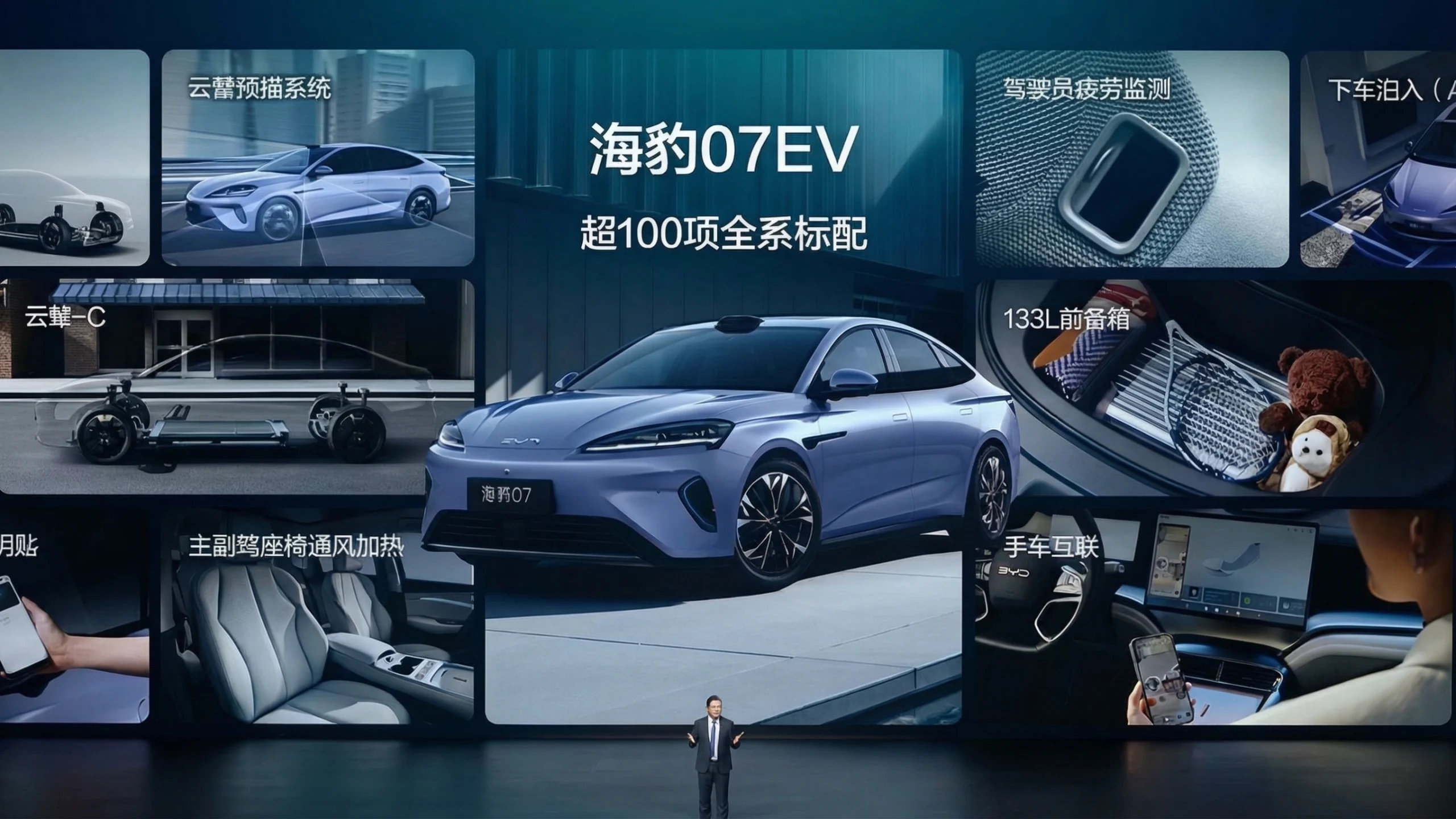
The Seal 07 EV uses a 69.07 kWh Short Blade 2.0 battery pack, a second-generation lithium iron phosphate (LFP) design. BYD claims a 705-kilometer driving range based on CLTC testing, with energy consumption below 10 kWh per 100 kilometers.
The “400km in five minutes” claim warrants scrutiny. To add 400 km of range in 300 seconds would require charging at approximately 92.3 kW average power. While BYD’s 1,500 kW Flash Charging network is theoretically capable of delivering this power, several factors complicate the narrative:
 Cars
Cars
Mate Rimac Unveils Verne — a New Electric Autonomous Robotaxi Launching in 2026
Quick Summary The creator of the record-breaking Rimac Nevera hypercar unveils a surprisingly calm new invention: an autonomous electric robotaxi...
 Cars
Cars
Eli Zero: The Quirky, Compact, and Fun Electric City Ca
Introduction to the Eli Zero Are you tired of battling traffic jams, fighting for parking spots, and constantly searching for...
 Cars
Cars
XPeng G6 Arrives in the UK With Ultra-Fast Charging and a Complete 2026 Overhaul
XPeng continues expanding its European presence, and following its official UK entry in early 2025, the brand is introducing a...
- LFP batteries typically accept peak charging rates for only brief periods before thermal management systems throttle power to protect cell longevity
- The 69.07 kWh capacity means a full charge from empty would require roughly 46 minutes at 1,500 kW—physically impossible due to battery chemistry limitations
- Real-world charging curves show significant power reduction after 20-30% state of charge, meaning the 400km claim likely applies only to optimal conditions (low battery state, ambient temperature control, and compatible charger availability)
BYD has not disclosed the charging curve data, charging time from 10-80% (the practical metric for road trips), or whether the 1,500 kW network is currently operational or planned. These omissions are significant.
Specifications and Design
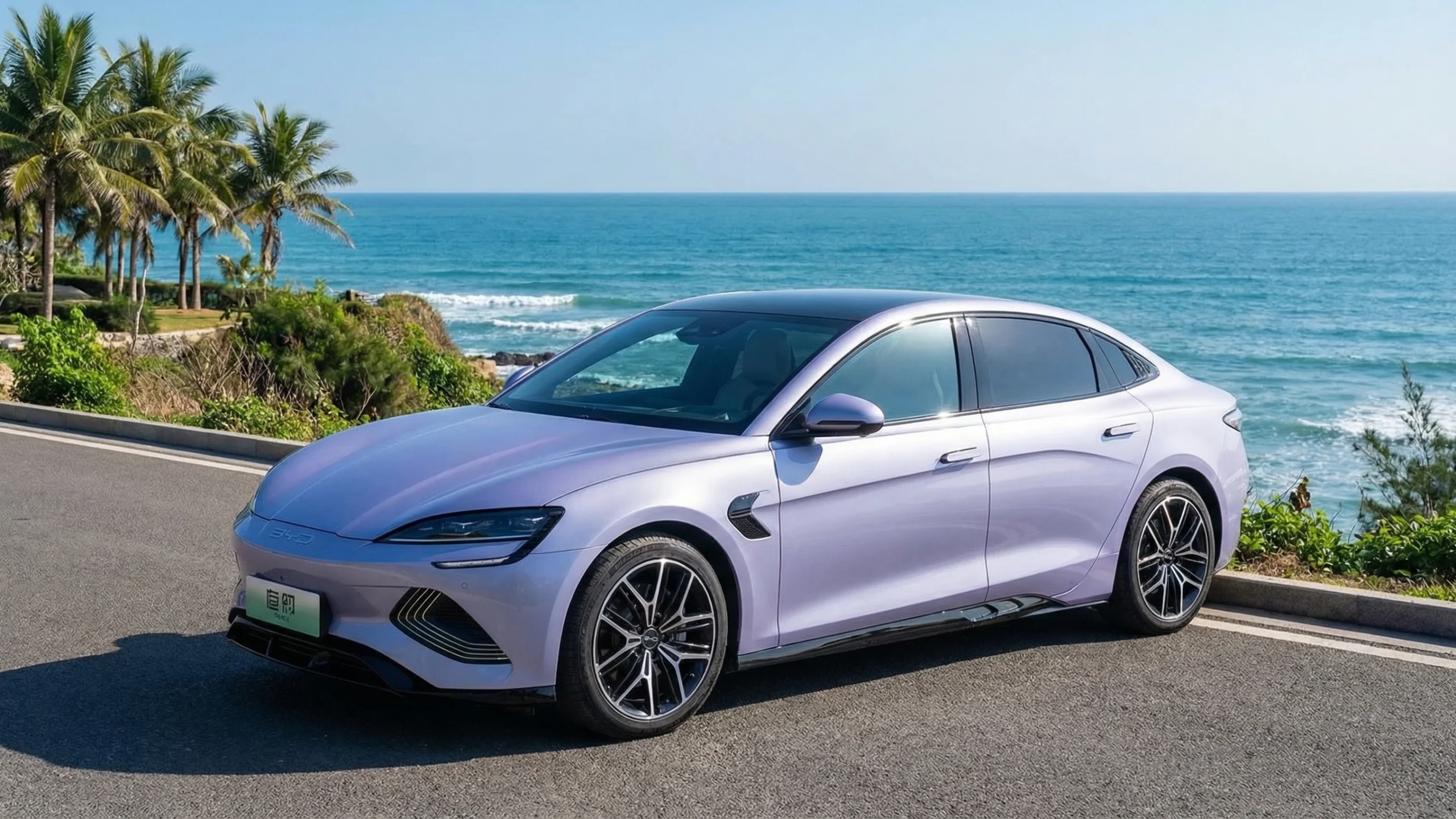
The Seal 07 EV measures 4,995 mm in length, 1,910 mm in width, and 1,495 mm in height, riding on a 2,900 mm wheelbase. It features BYD’s “Marine Aesthetics” design language with a closed-off front fascia, flush door handles, and a full-width rear light bar. A roof-mounted LiDAR sensor indicates advanced driver assistance capability.
Power comes from a single rear-mounted electric motor producing 240 kW (322 horsepower). The claimed energy consumption of below 10 kWh per 100 kilometers is competitive, though CLTC testing is more lenient than WLTP or EPA standards used in other markets.
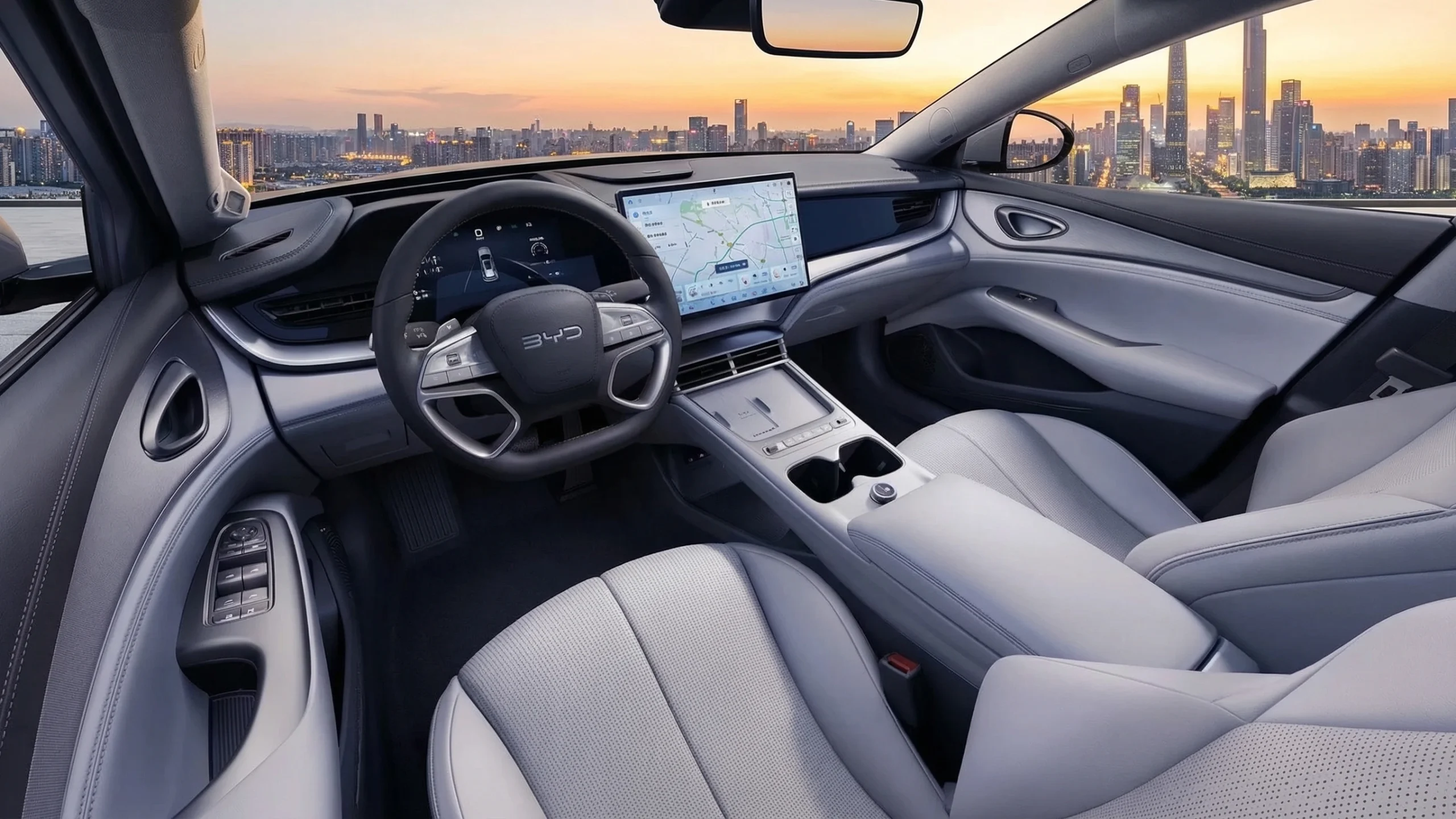
Interior features include a “2+1” screen setup with a 15.6-inch central touchscreen, head-up display, wireless phone charging, and a built-in refrigerator. The God’s Eye 5.0 advanced driver assistance system uses LiDAR for autonomous features, including lane-keeping and obstacle avoidance.
Competitive Context
| Model | Battery Capacity | Motor Power | Range (CLTC) | Starting Price (CNY) |
|---|---|---|---|---|
| BYD Seal 07 EV | 69.07 kWh | 240 kW | 705 km | 169,900 |
| Xiaomi SU7 | 101 kWh (max) | 220 kW | 830+ km | 215,900 |
| Tesla Model 3 (China) | 60-82 kWh | 220 kW | 556-750 km | 249,900+ |
The Seal 07 EV undercuts both rivals on price but offers smaller battery capacity and shorter range than the Xiaomi SU7. Its real competitive advantage lies in pricing and availability rather than performance specifications.
Manufacturing and Availability
BYD will begin shipping the Seal 07 EV from its Changzhou factory in late March 2026. The company has not announced international availability, though BYD has indicated plans for overseas market expansion of the Seal lineup.
Verdict: Impressive Value, Unproven Claims

The Seal 07 EV represents solid engineering at an aggressive price point, making it a credible option for Chinese buyers prioritizing affordability and efficiency. However, the “400km in five minutes” charging claim requires independent verification and detailed charging curve data before it can be accepted as a genuine competitive advantage. BYD’s pricing strategy is its strongest asset—the charging narrative, while technically possible under ideal conditions, remains unsubstantiated. This vehicle is designed for cost-conscious urban and suburban drivers; those prioritizing maximum range or proven charging infrastructure should compare it directly with the Xiaomi SU7 and Tesla Model 3 before deciding.