

TL;DR
Yes — self-driving systems in modern electric cars can significantly improve safety, especially on highways. However, nearly all consumer EVs in 2026 operate at SAE Level 2 automation, meaning the driver must remain attentive and legally responsible.
If you remember one thing:
Self-driving EVs assist you — they do not replace you.
💡 Quick Tip: If the car requires steering-wheel input checks or driver monitoring, it is not fully autonomous.
Why Trust This Guide
This guide is based on real-world EV ownership experience and manufacturer recommendations from Tesla, BYD, Hyundai, and BMW, along with current SAE automation standards and global ADAS (Advanced Driver Assistance Systems) engineering best practices.
Introduction: The Real Question No One Asks
When self-driving works, it feels magical.
When it fails, it becoMarketing terms like “Autopilot”eting terFull Self-Drivingt” and “Full Self-Driving” suggest independence. But legally and technically, consumer electric cars are not autonomous robots in 2026.
Globally, about 90% of road accidents involve human error. That’s why automation exists: to reduce distraction, delayed reaction, and fatigue.
But can you really trust it?
Let’s separate engineering reality from marketing language.
Key Facts at a Glance
- Best for: Highway driving & traffic jams
- Main advantage: Reduced fatigue
- Biggest risk: Driver overconfidence
- Autonomy level: Mostly SAE Level 2
- Cost impact: Often optional or subscription-based
- Expert verdict: Safe when supervised
How Self-Driving Systems Work in Real Life

What Is SAE Level 2?
SAE (Society of Automotive Engineers) defines 6 levels of automation.
Level 2 = Partial Automation
- Car controls steering + acceleration/braking
- The driver monitors continuously
- The driver is legally responsible
No mainstream EV offers unrestricted Level 5 autonomy in 2026.
Core Technologies Explained Simply
Adaptive Cruise Control
Automatically adjusts speed to maintain a safe distance.
Lane Keeping Assist
Steers gently to keep the vehicle centered in lane markings.
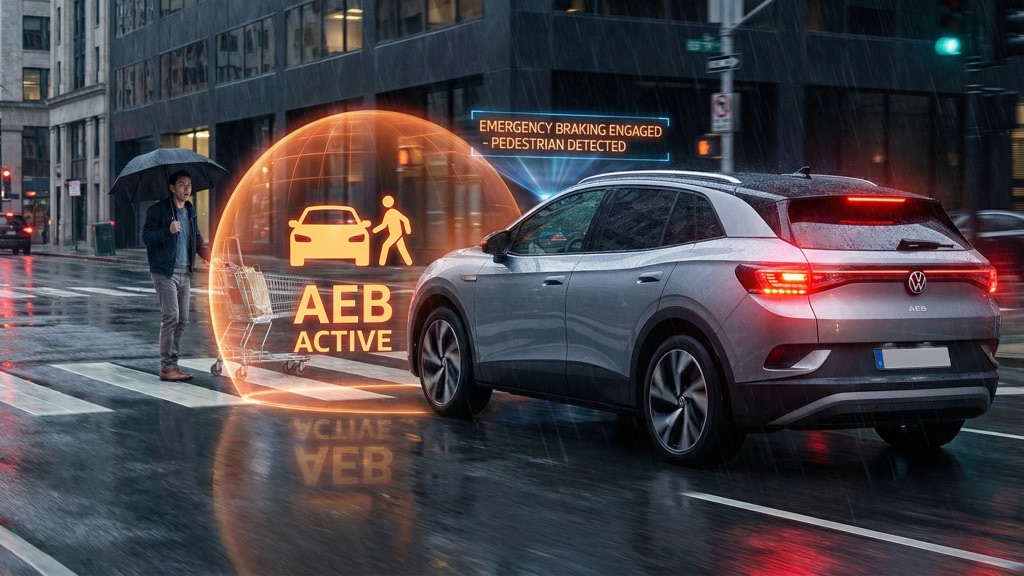
Automatic Emergency Braking (AEB)
Detects imminent collision and brakes automatically.
AI Processing Units
Analyze sensor data in milliseconds.
For example:
 Tips & Tricks
Cost of Tesla Battery Replacement: Real Prices, Lifespan and Ownership Risk in 2026
TL;DR The cost of Tesla battery replacement in 2026 ranges from $9,000 to $22,000, depending on model, battery chemistry, and...
 Tips & Tricks
How to Properly Charge an Electric Car: Everything You Need to Know (2026 Guide)
TL;DR — Quick Answer Properly charging an electric car means avoiding frequent 100% charges, limiting fast charging, and keeping the...
 Tips & Tricks
10 Common EV Owner Mistakes That Kill the Battery: Everything You Need to Know (2026 Guide)
TL;DR — Quick Answer Most EV batteries fail early, not because of defects, but because of daily habits: frequent 100%...
- Tesla uses camera-based Tesla Vision.
- BMW and Hyundai combine radar and cameras.
- BYD integrates advanced navigation assistance in newer EVs.
What Happens in 0.5 Seconds on the Highway?
You glance at your phone.
The car ahead brakes suddenly.
Human reaction time: roughly 1–1.5 seconds.
Your EV’s emergency braking system reacts in milliseconds.
The system tightens seatbelts.
Applies maximum braking.
Warns you instantly.
This is where automation shines — reducing delayed reactions.
But if lane markings disappear or sensors are blocked by snow, the system may disengage — and you must take over immediately.
Safety Data: What We Know
Research consistently shows:
- Adaptive cruise control reduces rear-end collisions
- Lane departure systems reduce unintended lane exits
- Automatic emergency braking reduces crash severity
However:
Most incidents involving driver-assist systems occur when drivers misuse them or stop actively supervising.
Automation improves safety.
Overconfidence reduces it.
Advantages
✅ Reduced highway fatigue
✅ Faster reaction times
✅ Smoother traffic handling
✅ Continuous software improvements
Disadvantages & Limitations
❌ Weather interference (snow, fog, heavy rain)
❌ Complex urban “edge cases.”
❌ Driver complacency
❌ Legal responsibility remains with the driver
Biggest Controversies
1. Marketing Language
Terms like “Full Self-Driving” can imply full autonomy — which is not accurate in most environments.
2. Beta Features
Some advanced features are released in development phases.
3. Data Privacy
Driving data is collected to improve AI systems.
4. Regulatory Differences
Autonomy laws vary by region.
How Much Do Self-Driving Features Cost?
Self-driving packages are rarely free.
Typical models:
- One-time package cost (several thousand dollars)
- Monthly subscription model
- Higher trim levels include features
For example, advanced packages from Tesla may be optional add-ons.
Cost affects resale value and insurance considerations.
Tesla Vision vs Radar-Based Systems

| Feature | Tesla Vision | Radar + Camera Systems |
|---|---|---|
| Sensor Setup | Cameras only | Radar + Cameras |
| Weather Performance | Moderate | Slightly stronger |
| Hardware Cost | Lower | Higher |
| Highway Reliability | Strong | Strong |
| Best For | Tech adopters | Balanced drivers |
Real-World Use Cases
Highway Driving
Most reliable environment.
Urban Driving
Works best in clearly marked roads.
Winter Conditions
Sensors may be obstructed.
First-Time EV Owners
Helpful — but must avoid dependency.
Who Should Choose This?
✔ Ideal for:
- Long commuters
- Highway drivers
- Tech-comfortable users
❌ Not ideal for:
- Drivers expecting robotic autonomy
- Those unwilling to monitor systems
Manufacturer Recommendations
- Tesla: Stay attentive and ready to intervene.
- Hyundai: Use highway assist only on supported roads.
- BMW: Driver remains legally responsible.
- BYD: Follow system limitations carefully.
Future of Self-Driving EVs (2026+)
Expect:
- Better AI edge-case handling
- Improved sensor redundancy
- More geo-fenced autonomous zones
- Clearer regulatory frameworks
Full autonomy will likely expand gradually before becoming mainstream.
Final Verdict: Can You Trust Self-Driving EVs?
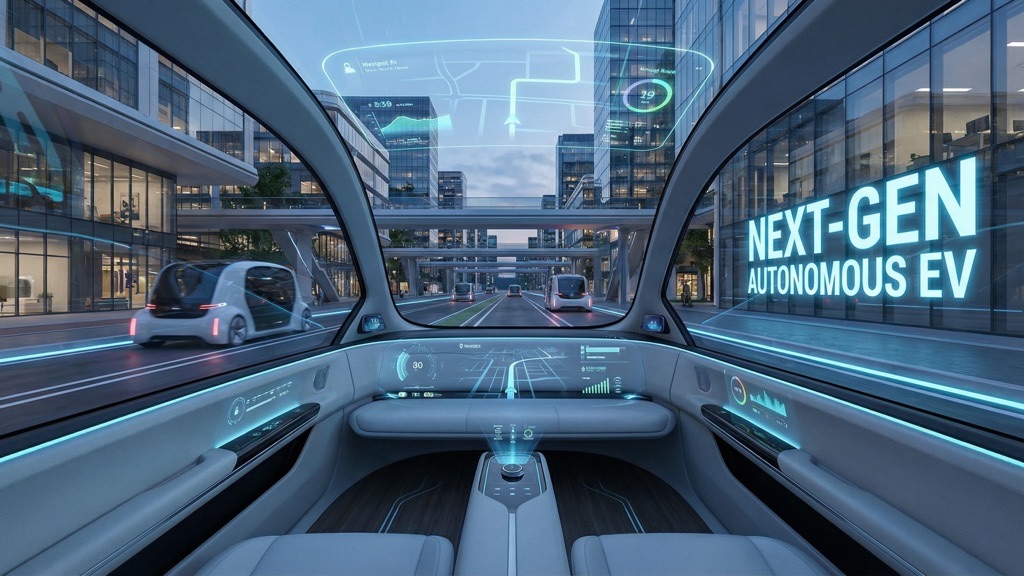
Yes — if you understand the limits.
Self-driving features in 2026 are advanced driver-assistance systems. They reduce fatigue and improve reaction time — but they do not eliminate driver responsibility.
Trust the technology.
But stay engaged.
Summary
- Safest use case: Highway driving
- Biggest risk: Driver complacency
- Technology level: SAE Level 2 dominates
- 2026 verdict: Supervised trust is justified
FAQ
Are self-driving EVs safer than traditional cars?
When supervised correctly, they reduce certain crash types, especially on highways.
Can I sleep while it drives?
No. Consumer EVs require active supervision.
What happens if sensors fail?
The system alerts you and disengages control.
Does bad weather affect performance?
Yes. Snow and heavy rain reduce sensor effectiveness.
Is Level 5 autonomy available?
No consumer EV offers unrestricted Level 5 driving in 2026.
Are insurance rates lower?
It depends on the region and insurer policies.
Do self-driving features increase price?
Yes, through packages or subscriptions.
Is one brand safer than another?
Safety depends on usage, environment, and driver behavior.