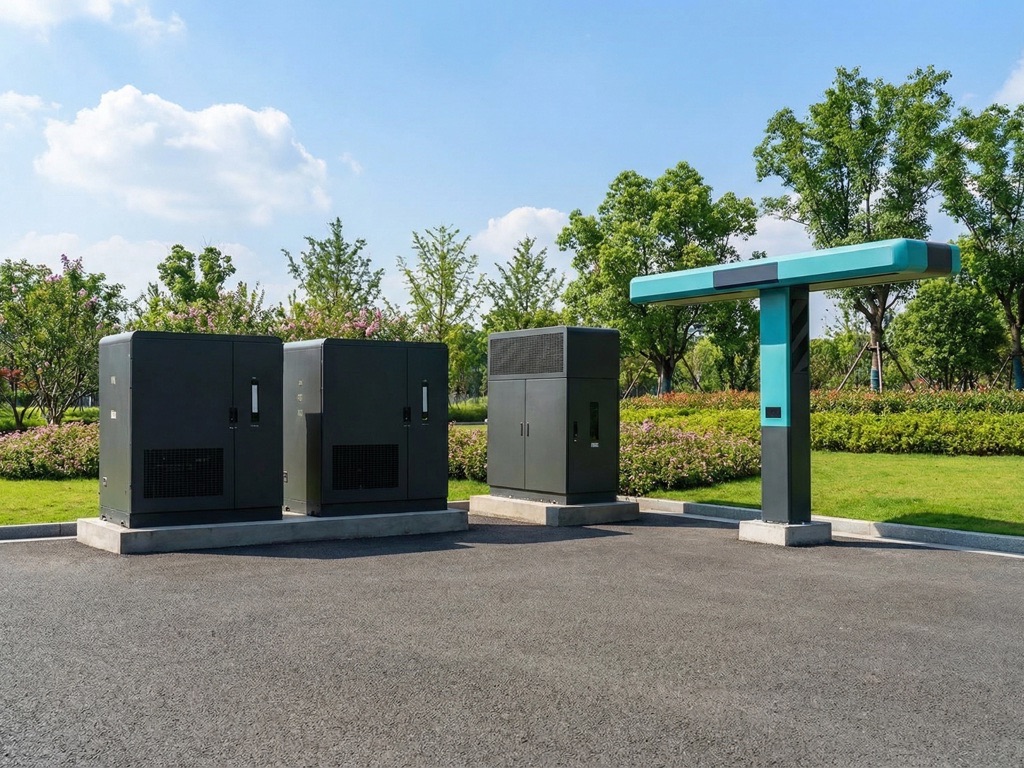
BYD has begun deploying Megawatt Flash Charging stations with 1360 kW peak power, capable of adding approximately 400 km of range in five minutes for compatible 1000V EVs. The company plans 4000 self-built stations plus 15000 via partners, potentially creating the world’s largest megawatt charging network. This addresses a key EV barrier—charge time—making electric vehicles competitive with gas cars for long trips.
BYD’s Background and Market Position
BYD, a leading Chinese EV and battery manufacturer, dominates the global plug-in vehicle market. As the second-largest battery producer worldwide, BYD integrates its expertise into charging infrastructure. The company shifted from buses and commercial vehicles to passenger cars, overtaking Tesla in sales volume in 2024. Its 1000V architecture enables higher power delivery without excessive heat, supporting motors up to 32,000 rpm.
BYD’s charging push responds to China’s EV boom, where it holds a significant market share. Previously conservative on public chargers to keep car prices low, BYD now scales infrastructure to support its high-voltage models amid slowing domestic growth. Deployment initially focuses on China, with potential expansion into Europe.
Key Specifications
| Parameter | Details |
|---|---|
| Peak Power | 1360 kW |
| Nominal Specs | 1000V voltage, 1000A current, 1000 kW power |
| Charging Speed | Up to 2 km per second; ~400 km in 5 minutes |
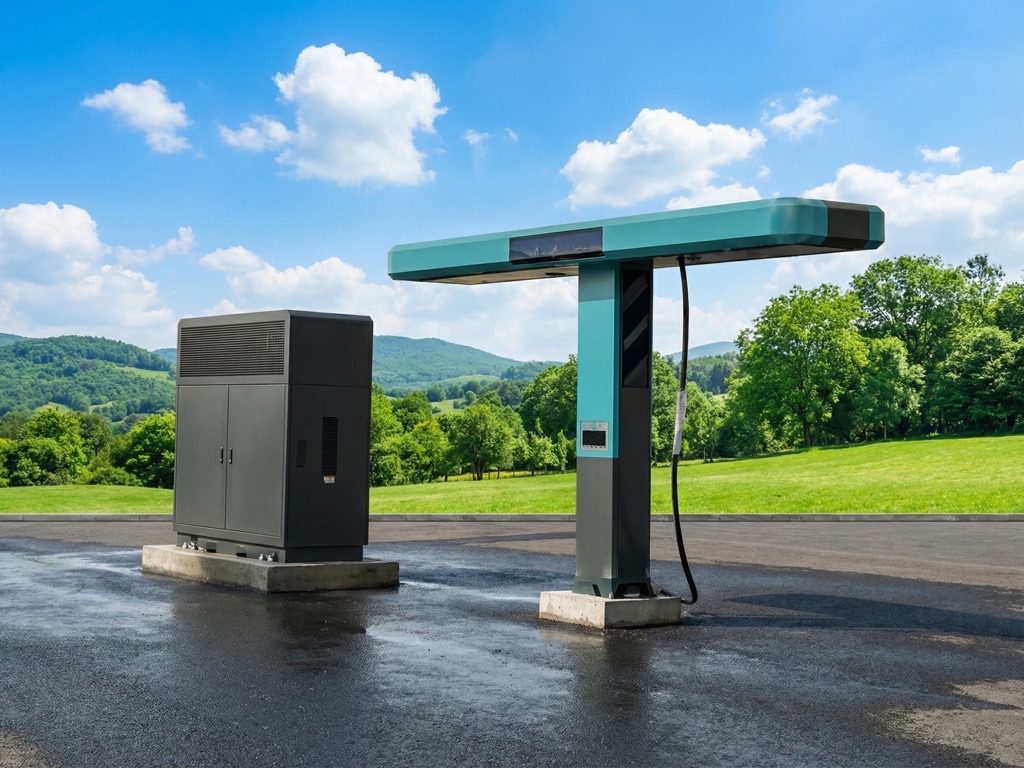
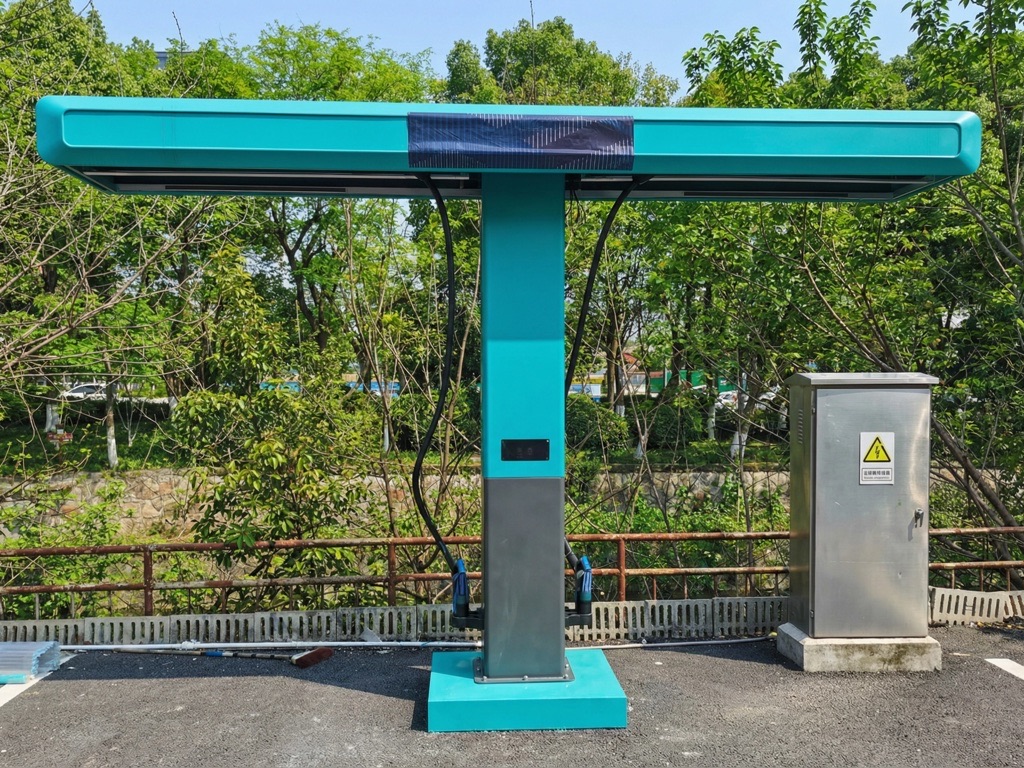
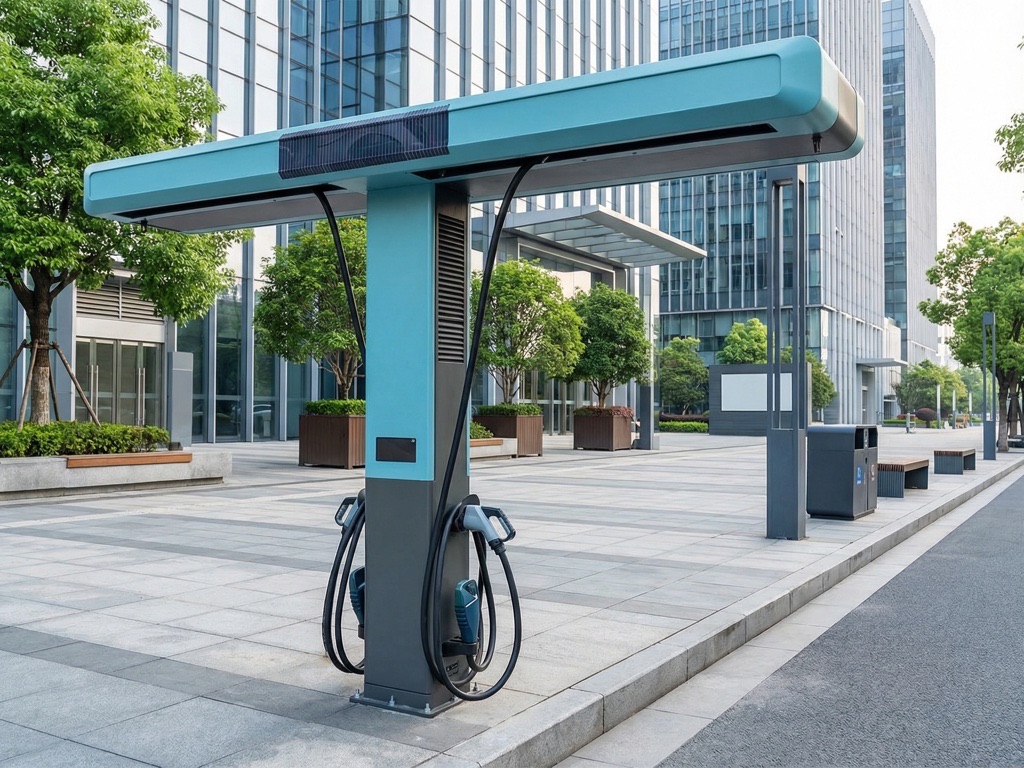
| Connectors | Two parallel liquid-cooled guns on T-frame with suspended cables |
| Cooling | Liquid-cooled cables and terminal |
| Energy Management | Supercapacitor storage for peak shaving; stores off-peak power |
| Design | T-shaped blue frame; cables prevent ground contact, reach any port |
| Compatibility | 1000V architecture EVs (passenger and commercial) |
Design and Ergonomics
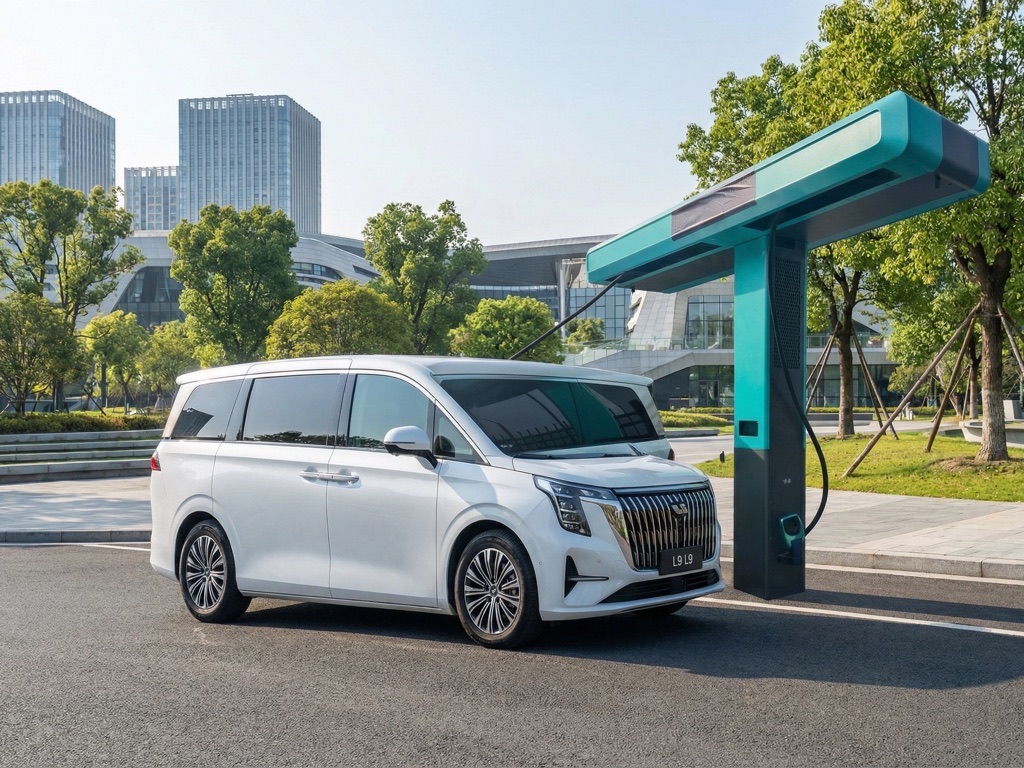
The T-shaped blue stations differ from rigid Tesla Superchargers. Suspended cables on pulleys neutralize weight, preventing dragging or short-reach issues. Length ensures connectors avoid ground contact while accessing ports regardless of vehicle design. Dual guns enable single or parallel use for higher power.
Liquid cooling in cables and the unit sustains high output without overheating. Height accommodates most vehicles, prioritizing mass-market usability.
 Cars
Cars
Honda Base Station Prototype Weighs Under 1500 lbs and Tows with CR-V – Democratizes Camping for Compact EVs
Honda has unveiled the Base Station Prototype, a lightweight camper trailer weighing under 1,500 pounds that can be towed by...
 Cars
Cars
All-Electric Renault Twingo E-Tech Confirmed From €19,490, Redefining the Affordable EV Segment
Renault has officially delivered on its promise of a truly affordable electric city car. The Renault Twingo E-Tech electric will...
 Cars
Cars
Tesla Targets 100GW US Solar Manufacturing by 2028, Launches Major Hiring Push
Tesla Accelerates Solar Ambitions With Aggressive 2028 Deadline Tesla is ramping up hiring across engineering disciplines to support founder Elon...
Performance and Energy Features
Peak 1360 kW delivers 1.6-2 km per second, varying by source, 320 km to 400 km in five minutes. “Anti-crisis” or peak-shaving uses supercapacitors to store cheap off-peak energy, releasing during demand spikes for a stable 1 MW output and grid relief.
Targets mass-market 1000V EVs, not niche hypercars. Real-world tests pending; claims assume ideal conditions like warm batteries.
Deployment Scale
BYD plans 4000 company-built plus 15,000 partner stations, dwarfing rivals. Announcement via industry bloggers confirmed mass production as the world’s first liquid-cooled MW system for passenger cars. Slow prior rollout prioritized affordable vehicles; now accelerates to boost adoption.
Comparison with Competitors
| Charger | Peak Power | 5-Min Range | Network Scale | Notes |
|---|---|---|---|---|
| BYD Megawatt | 1360 kW | 400 km | 19,000 planned | Suspended cables, supercapacitors |
| Tesla Supercharger V4 | 615 kW | ~200 km | 60,000+ global | Rigid cables; no MW class |
| ABB Terra 360 | 360 kW | ~100 km | Commercial focus | Liquid-cooled but sub-MW |
| Porsche 800V sites | 350 kW | ~100 km | Limited | High-end, not mass-scale |
BYD’s power and scale outpace Tesla’s V4 and ABB, though Tesla leads in total stations. No direct MW rivals yet.
Verdict
BYD’s 1360 kW stations mark a practical leap for EVs, slashing charge times to gas-like levels for 1000V models. Ideal for commercial fleets and range-anxious buyers in China, but global impact hinges on exports and real-world verification. Unanswered: exact vehicle compatibility, degradation rates, and costs—details not yet confirmed. Critical view: Impressive specs, but grid strain and battery limits could temper hype.