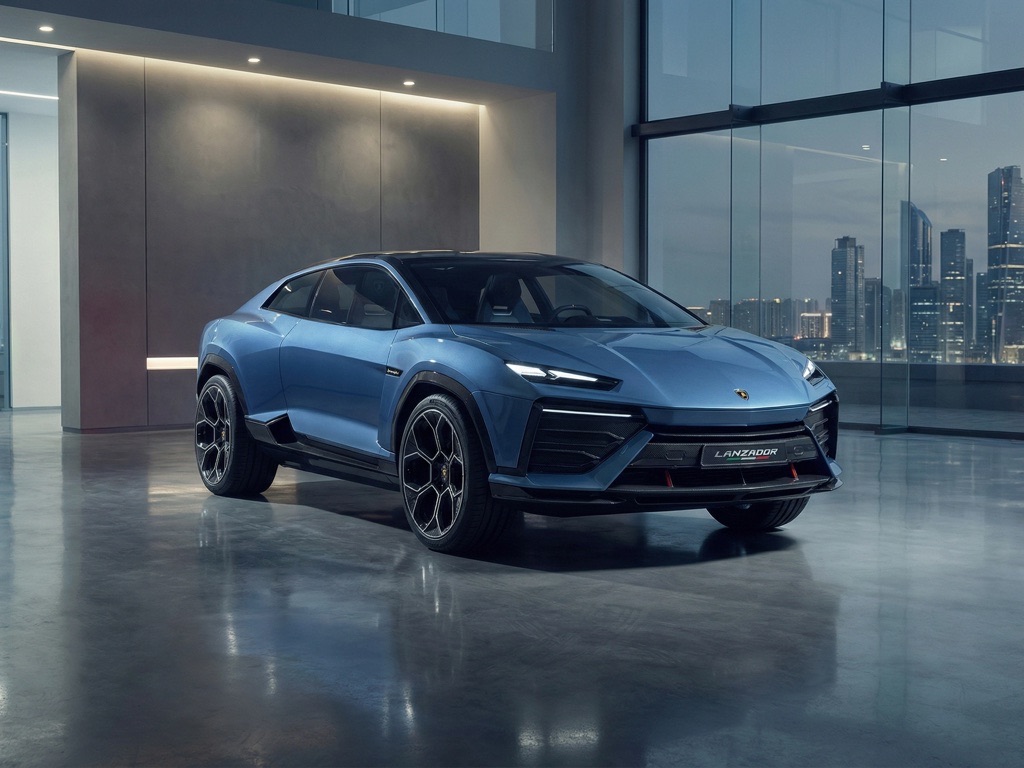
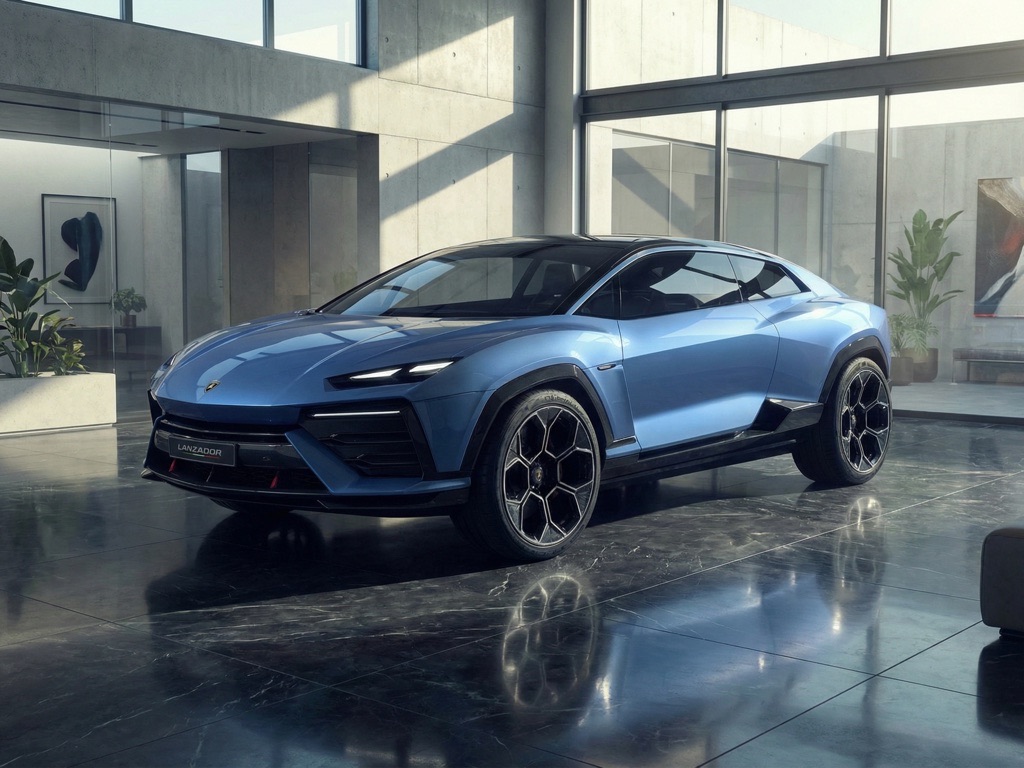
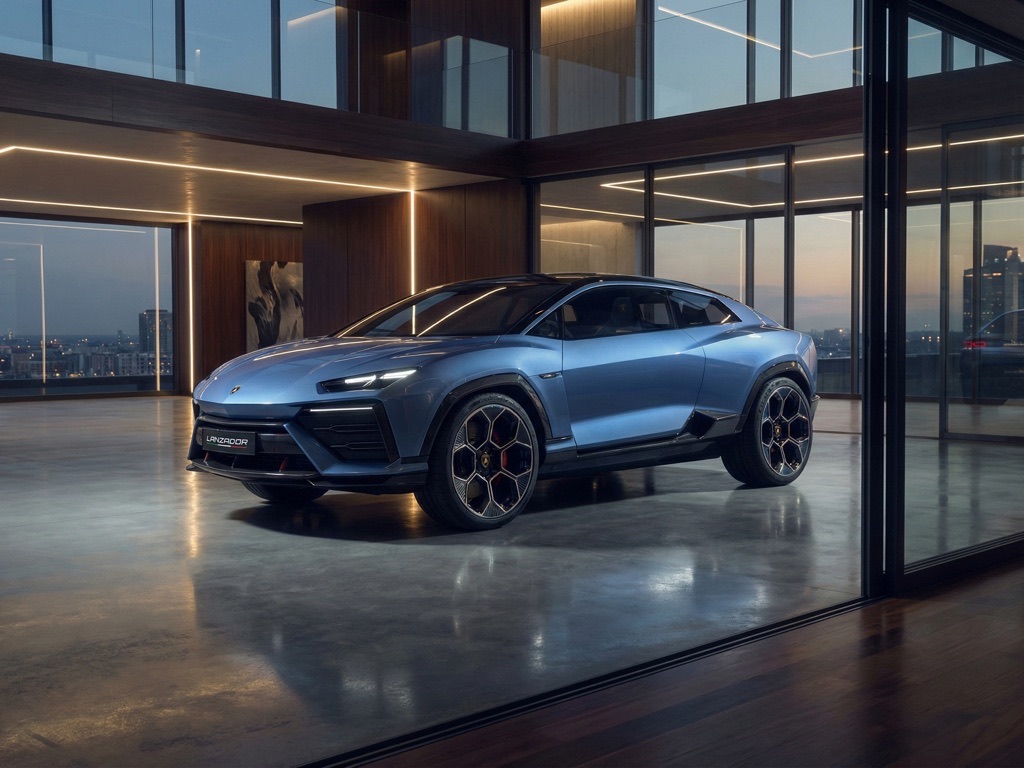
Lamborghini has scrapped its first all-electric vehicle, the Lanzador, due to near-zero demand from its target market. The high-riding supercar concept, unveiled in 2023 and planned for 2028-2029, will now launch as a plug-in hybrid (PHEV) to retain the brand’s signature engine sound and emotional appeal. This pivot prioritizes customer preferences and financial prudence over full electrification, signaling a broader luxury supercar trend.
Background: Lamborghini’s History and Market Position
Lamborghini, founded in 1963 by Ferruccio Lamborghini, has built its reputation on visceral supercars like the Miura, Countach, and, more recently, the Aventador and Huracán. Owned by Volkswagen Group’s Audi division since 1998, the brand delivered 10,098 vehicles in 2024, with the Urus SUV accounting for over half of sales. Unlike mass-market EVs, Lamborghini targets ultra-wealthy buyers who prioritize raw performance and auditory drama over zero-emission compliance.
In 2021, Lamborghini announced electrification plans, including the Lanzador as its first EV by 2028, amid EU emissions regulations. However, CEO Stephan Winkelmann’s recent statements reveal a strategic U-turn. Speaking to The Sunday Times, he described EV acceptance among Lamborghini customers as “close to zero,” citing the lack of engine noise and feedback that define the brand’s “emotional experience.” Developing EVs now would be “an expensive hobby,” risking shareholder value.
This decision aligns with Lamborghini’s current PHEV lineup: the Revuelto flagship (1,001 hp twin-turbo V8 + electric motors) and Urus SE SUV, both launched in 2024. The Temerario, succeeding the Huracán, is also a PHEV. Winkelmann affirmed the company will build internal combustion engines “for as long as possible,” pivoting fully to hybrids for regulatory compliance while preserving heritage.
Key Specifications: Lanzador Concept vs. Planned PHEV
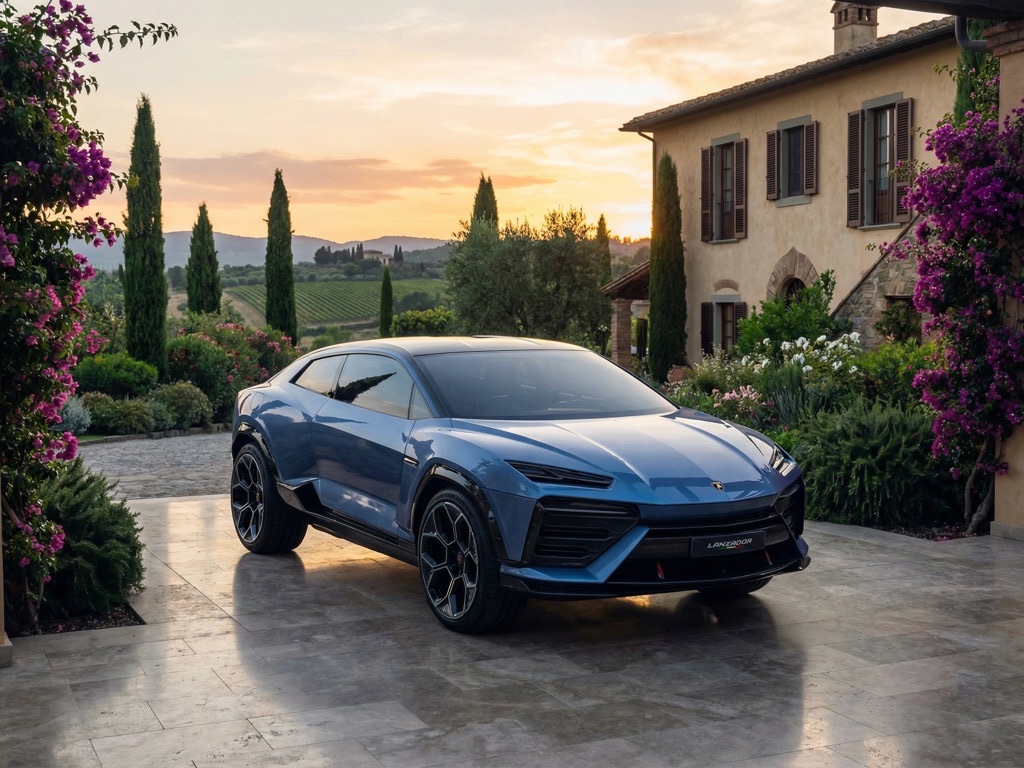
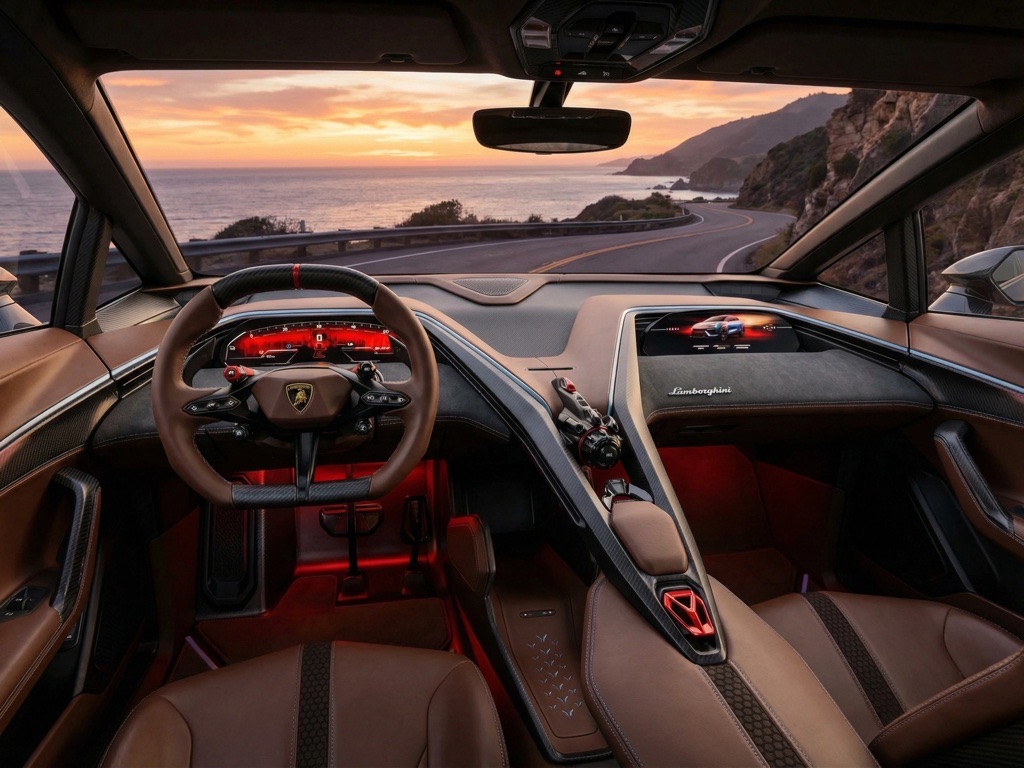
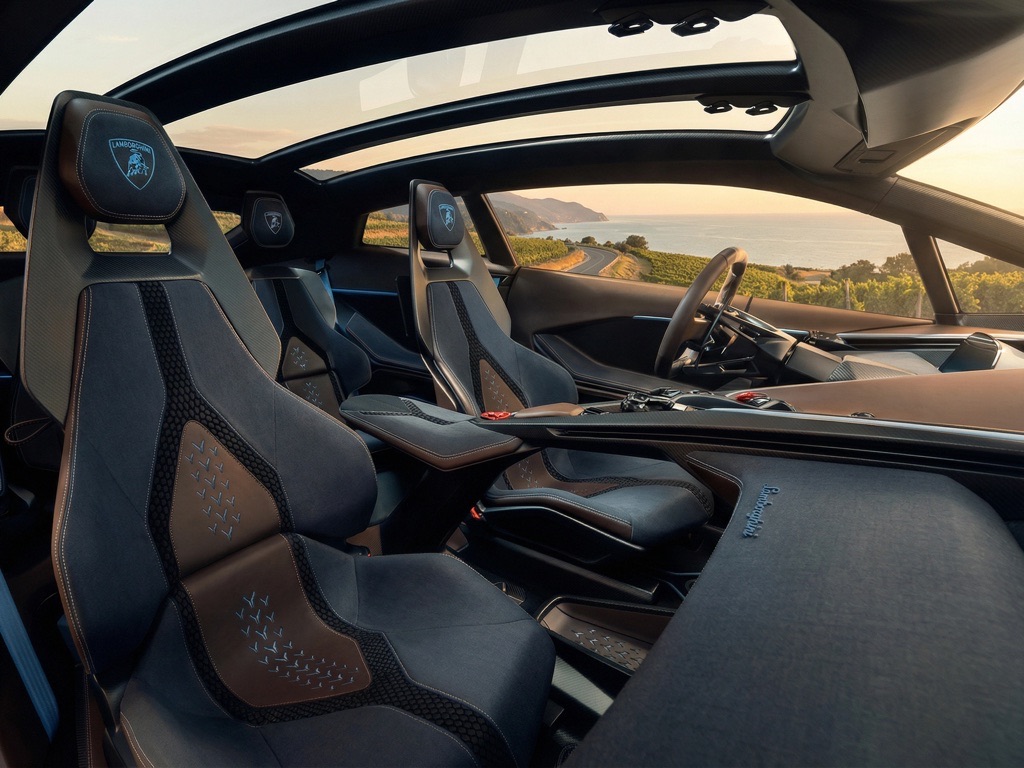
The Lanzador concept, revealed in March 2023, promised over 1,000 hp from three electric motors, 0-60 mph in under 2 seconds, and a high-riding 2+2 GT profile. Production specs remain unconfirmed post-cancellation, but the PHEV version will retain dramatic styling with ICE integration.
 Cars
Cars
Kia EV2 Debuts as the Brand’s Most Affordable Electric Vehicle Yet
Kia Enters the Budget EV Segment With the New EV2 Crossover After nearly a year of teasers, Kia has officially...
 News
News
2026 Mustang Mach-E GT California Special Delivers 480 HP and 280-Mile Range with Retro Styling
The 2026 Ford Mustang Mach-E GT California Special introduces a nostalgic design package inspired by the 1968 Mustang, paired with...
 News
News
Honda WN7 Wins Gold iF Design Award: Why This Electric Middleweight Matters
Honda’s first full-size electric motorcycle, the WN7, has earned a prestigious Gold iF Design Award, validating what many in the...
| Specification | Lanzador EV Concept (2023) | Planned Lanzador PHEV (First Gen) |
|---|---|---|
| Powertrain | Three electric motors, >1,000 hp | Plug-in hybrid (ICE + electric), details not yet confirmed |
| 0-60 mph | <2.0 seconds | Not confirmed |
| Top Speed | Not specified | Not confirmed |
| Layout | AWD, high-riding 2+2 coupe | AWD, high-riding 2+2 coupe |
| Launch Year | 2028-2029 (canceled) | First generation as PHEV, timeline adjusted |
| Battery/Range | ~10,000 rpm e-motors | PHEV electric range not confirmed |
Sources note the PHEV will combine electric torque with ICE sound, mirroring Revuelto’s setup (5.2L V8 + 206 hp electric).
Analysis: Strategic Pivot and Market Realities
Customer Demand Drives Decision
Winkelmann emphasized Lamborghini buyers—typically affluent enthusiasts—crave the “visceral sound and feedback” of combustion engines, which EVs “struggle to deliver.” Market data supports this: high-end EV sales lag, with Ferrari reporting similar hesitancy. A Bloomberg report noted Porsche is considering canceling its electric 718 Boxster/Cayman due to costs, underscoring luxury segment challenges.
Global EV adoption slows in 2025-2026, with premium buyers favoring hybrids for range anxiety and charging infrastructure gaps. Lamborghini’s move avoids over-investment, as Winkelmann warned of financial irresponsibility toward shareholders and employees.
Hybrid Focus Meets Regulations
PHEVs allow Lamborghini to comply with EU CO2 targets while retaining V8/V12 power. The Revuelto delivers 1,001 hp and supercar acceleration with ~8 miles of electric range. Lanzador PHEV could exceed this, blending instant torque and engine roar. Critics like Electrek argue EVs offer superior performance (e.g., Rimac Nevera’s 1,914 hp), but Lamborghini prioritizes proven appeal.
Unanswered Questions
Exact PHEV powertrain details, production timeline, and pricing remain unconfirmed. Will future models include synthetic engine sounds? Long-term EV plans are open—Winkelmann said “never say never”—but only when market-ready.
Comparison: Lamborghini vs. Rivals
| Model/Brand | Powertrain Plan | Status | Key Notes |
|---|---|---|---|
| Lamborghini Lanzador | PHEV (canceled EV) | 2028+ as a hybrid | Zero EV demand cited |
| Ferrari (Upcoming EV) | Full EV planned | 2025 debut | Pressing ahead despite a similar market |
| Porsche 718 EV | EV (potentially canceled) | On hold? | Cost concerns per Bloomberg |
| Rimac Nevera | Full EV | In production | 1,914 hp benchmark, non-OEM |
Lamborghini contrasts Ferrari’s EV push but aligns with Porsche’s caution, differentiating via hybrids.
Verdict
Lamborghini’s Lanzador cancellation is a pragmatic win, safeguarding brand identity and profitability in a lukewarm luxury EV market. This PHEV strategy suits core buyers seeking uncompromised supercar thrills, though it leaves EV pioneers like Rimac unchallenged in zero-emission speed. Ideal for Lamborghini loyalists valuing heritage over green mandates; EV purists may look elsewhere. Details on final specs will clarify competitiveness.