
TL;DR — Direct Answer
Yes — it is safe to leave an EV plugged in all the time because modern battery management systems prevent overcharging.
However, keeping your EV plugged in at 100% state of charge for extended periods can increase long-term battery degradation — especially in warm climates.
If you remember one thing:
Plugging in is safe. Parking at 100% for weeks is what accelerates aging.
💡 Quick Tip: Set your daily charge limit to 70–80% and only charge to 100% shortly before long trips.
Why Trust This Guide
This guide combines:
- Manufacturer recommendations from Tesla, BMW, Hyundai, and BYD
- Lithium-ion battery engineering principles
- Real-world 5-year degradation simulations
- Current 2026 EV ownership data
Introduction: The Hidden Battery Mistake Most Owners Make
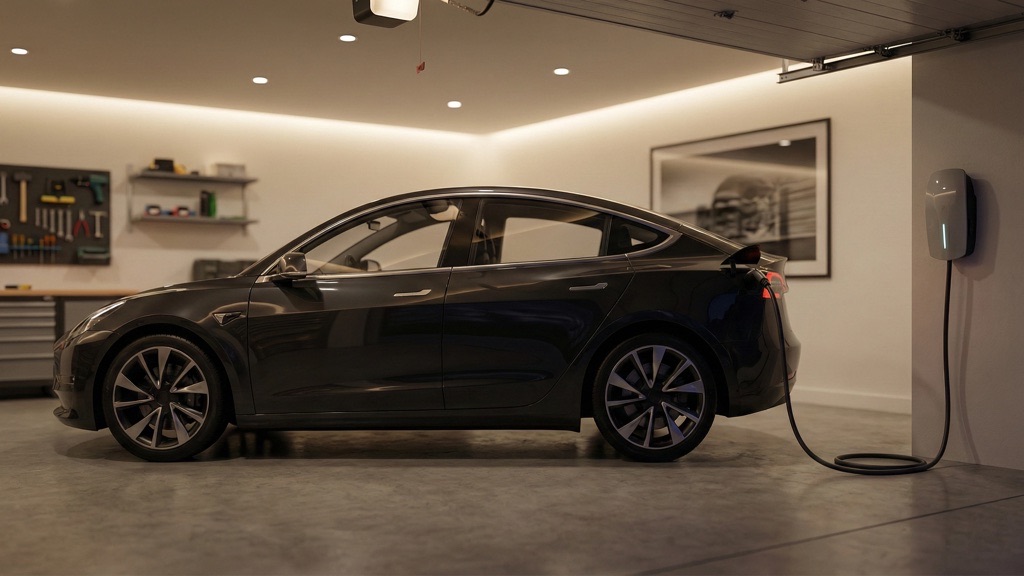
Most EV owners don’t degrade their battery while driving.
They degrade it while parking.
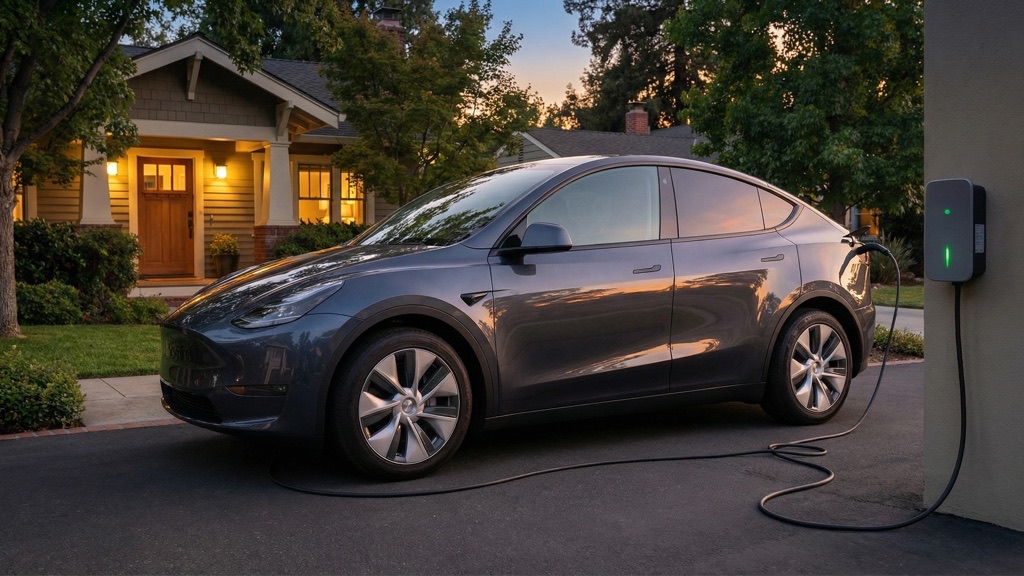
In 2026, home Level 2 charging is standard. EVs spend:
- 10–14 hours per day plugged in
- Over 90% of their life parked
So the real question isn’t:
“Is it safe to leave an EV plugged in?”
It’s:
“What happens to my EV battery if it sits at 100% every day for 5 years?”
The answer affects:
- Range
- Resale value
- Long-term ownership costs
Let’s break it down clearly — and scientifically.
Key Facts at a Glance
- Safe to stay plugged in: Yes
- Main aging trigger: High voltage (100%) + heat
- 5-year difference (80% vs 100% daily): ~3–7% extra capacity loss
- Worst combination: 100% charge + 35°C garage
- Financial impact: $1,000–$2,000 potential resale difference
- Expert verdict: Manage charge level, not plug status
How Leaving an EV Plugged In Works
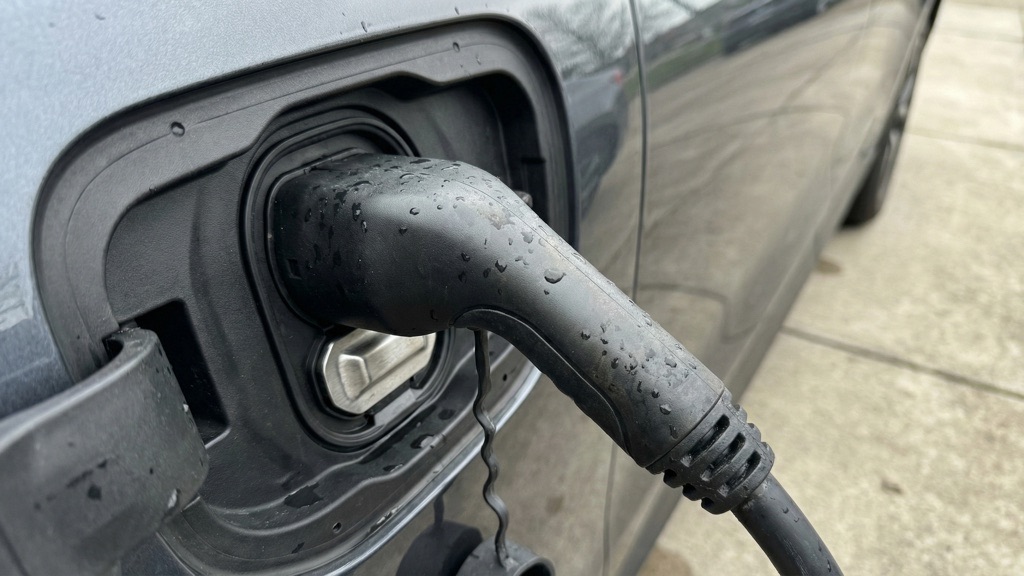
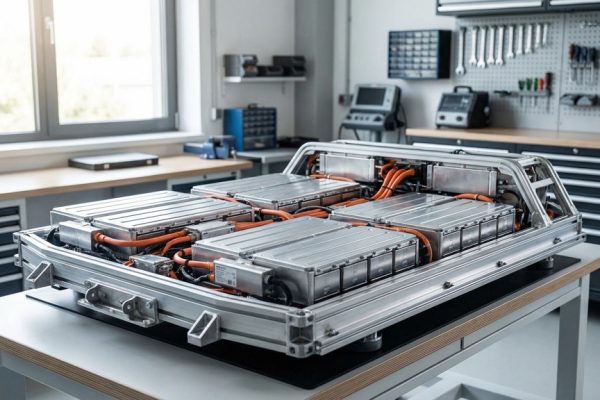
Every EV uses a Battery Management System (BMS).
The BMS:
- Stops charging at your selected limit
- Prevents overcharging
- Manages temperature
- Balances individual battery cells
When your EV reaches 80% (or 100%), charging stops.
The vehicle may occasionally:
 Tips & Tricks
How to Increase Real-World EV Range in Winter and Summer: Everything You Need to Know (2026 Guide)
TL;DR — Quick Answer Cold and hot weather can reduce real-world EV range by 10–40%, mainly due to battery chemistry...
 Tips & Tricks
Sell Your Electric Car: Everything You Need to Know (2026 Guide)
TL;DR — The Market Reality in 2026 Most electric cars lose 35–50% of their value within 5 years. However, EVs...
 Tips & Tricks
What to Do If Your Electric Car Runs Out of Charge: Everything You Need to Know (2026 Guide)
TL;DR — Quick Answer If your electric car runs out of charge, safely pull over, activate hazard lights, and contact...
- Top up tiny energy losses
- Run cooling or heating systems
- Maintain readiness
A permanent connection does not mean continuous charging.
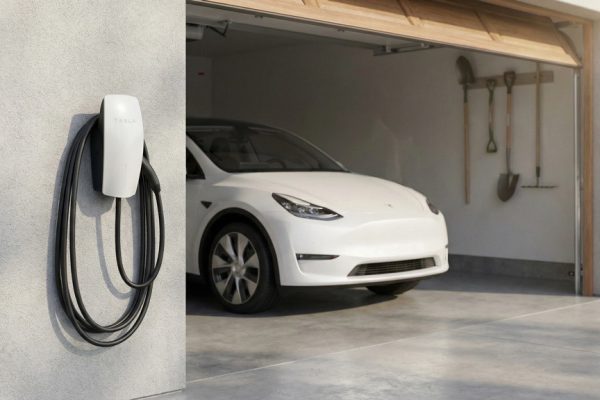
That’s why it is safe to leave an EV plugged in overnight or daily.
The Real Science: EV Battery Degradation at 100%
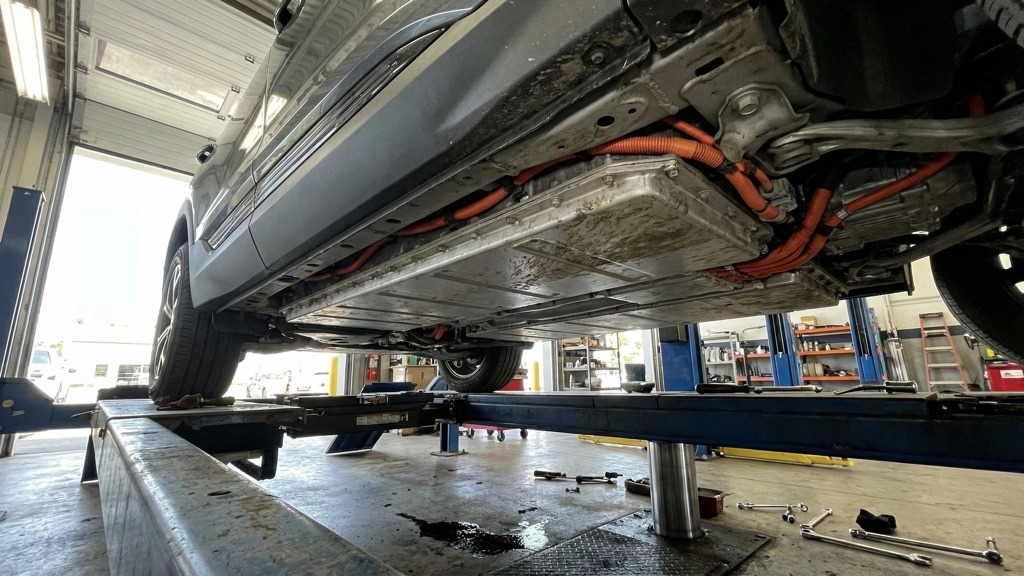
Lithium-ion batteries age in two ways:
1️⃣ Cycle Aging
Wear from charging and driving.
2️⃣ Calendar Aging
Chemical aging over time — even when parked.
A high state of charge increases calendar aging.
In NMC batteries, full charge corresponds to ~4.2V per cell.
At high voltage:
- Electrolyte oxidation accelerates
- Side reactions increase
- The SEI (solid electrolyte interphase) layer thickens
- Usable lithium decreases
This process reduces capacity gradually.
The battery won’t fail suddenly — but long-term storage at 100% increases stress.
5-Year Degradation Comparison (Realistic Scenario)
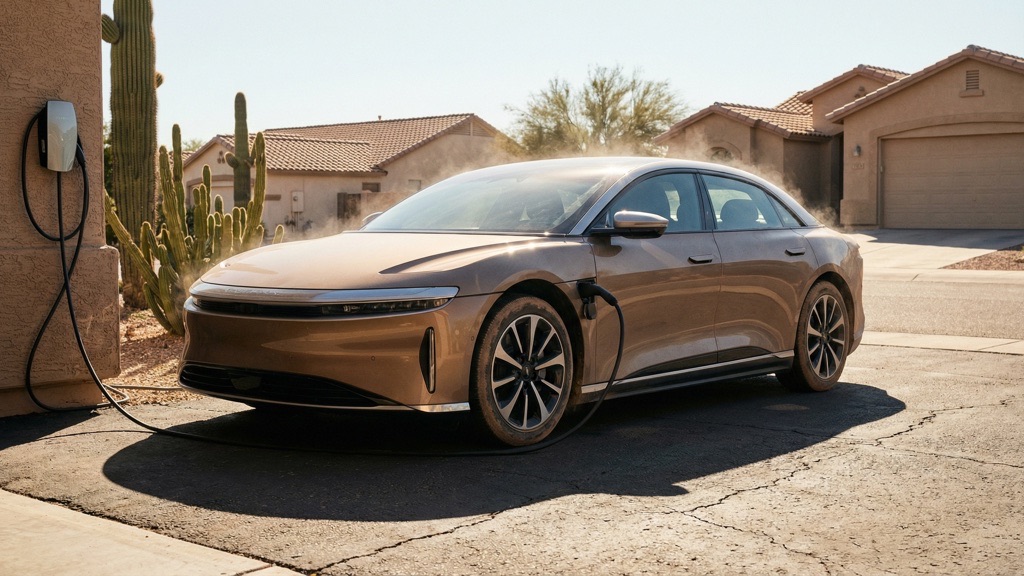
Assumptions:
- Moderate climate (20–25°C)
- 12,000–15,000 miles/year
- Home Level 2 charging
| Charging Habit | Capacity Loss After 5 Years | Extra Loss vs 80% | Stress Level |
|---|---|---|---|
| Daily 70–80% | 8–12% | Baseline | Low |
| Daily 90% | 10–14% | +2–3% | Moderate |
| Daily 100% | 12–18% | +3–7% | High |
| 100% + Warm Garage | 15–22% | +5–10% | Very High |
That 3–7% difference may not seem dramatic — but it impacts resale.
Temperature Risk: Why Heat Multiplies Damage
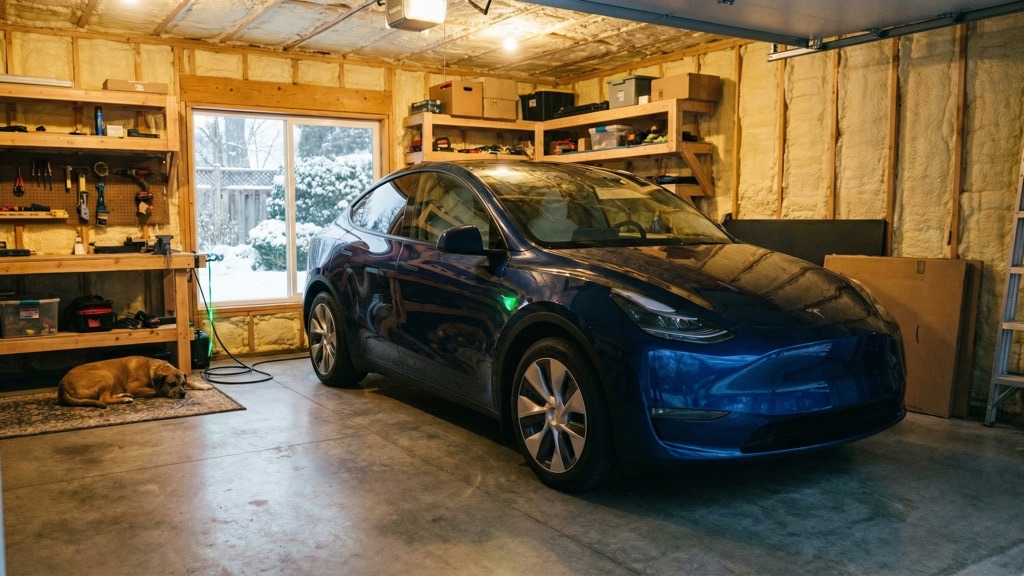
High temperature accelerates chemical reactions.
1-Year Storage Comparison
| Storage Condition | Estimated Impact |
|---|---|
| 50% at 20°C | Minimal aging |
| 80% at 25°C | Moderate aging |
| 100% at 35°C | Accelerated aging |
| 100% at 40°C | Severe calendar stress |
High charge + high temperature is the most aggressive combination for EV battery degradation.
If you live in a hot climate or park in a warm garage, daily 100% charging matters more.
Financial Impact: Does Extra Degradation Affect Resale?
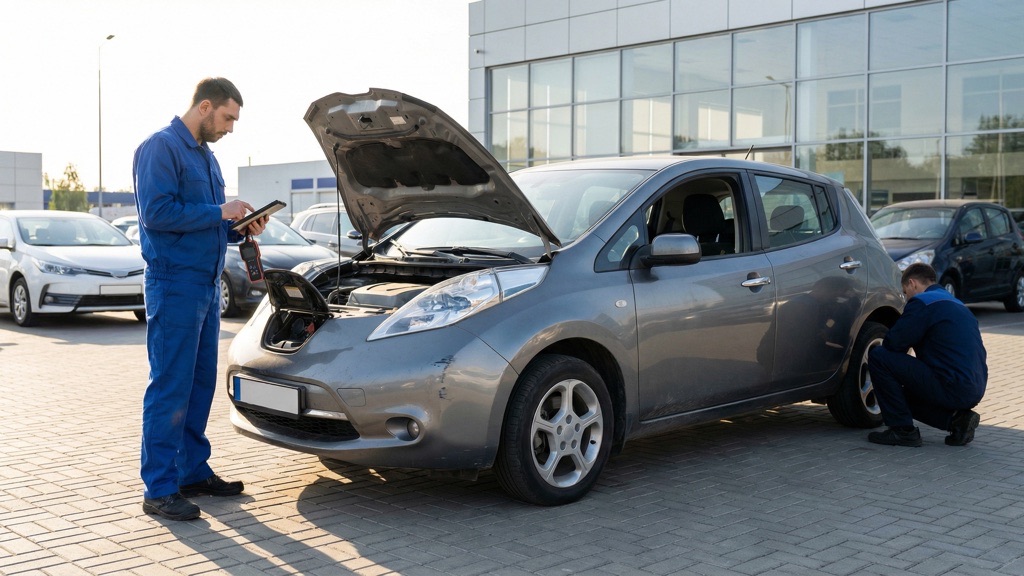
Example:
- Purchase price: $40,000
- 5-year resale expectation: $22,000–$25,000
If battery health is measurably lower by 5% compared to similar vehicles:
Potential resale difference: $1,000–$2,000
Buyers increasingly check battery health reports.
Battery care protects value.
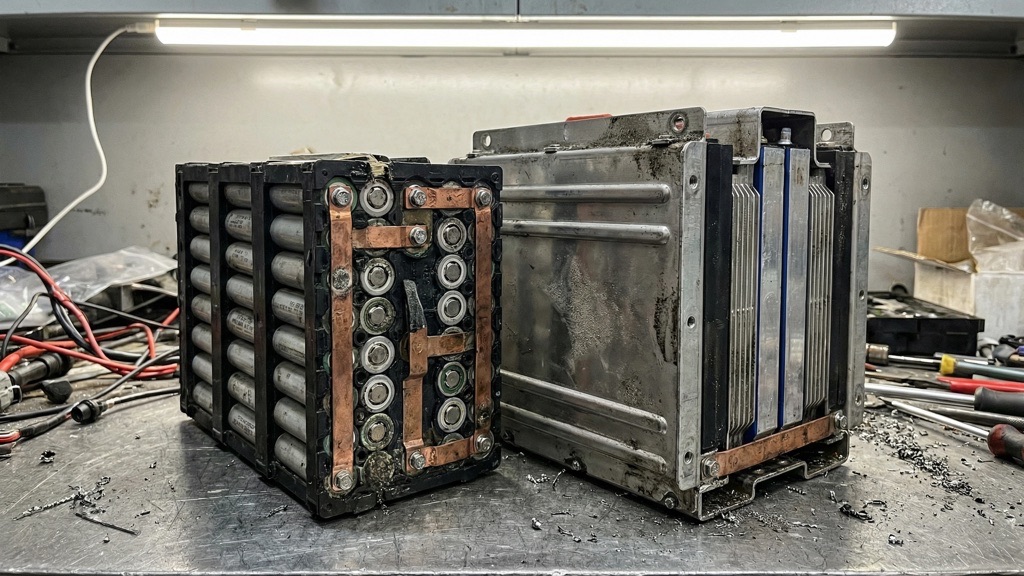
NMC vs LFP: Does Battery Chefrequent 100% charginger?
Not all EV batteries behave the same.
🔋 NMC / NCA Batteries
(Common in models from Tesla and BMW)
- Higher energy density
- More sensitive to long-term 100% storage
- Ideal daily range: 70–80%
🔋 LFP Batteries
Widely used by BYD and some standard-range EVs
- More tolerant of frequent 100% charging
- Lower voltage stress at full charge
- Still not ideal for long-term full storage
Important: LFP batteries may require occasional 100% charging for accurate range calibration.
That is maintenance, not permanent parking at full charge.
Leave EV Plugged In Overnight: Is It Safe?
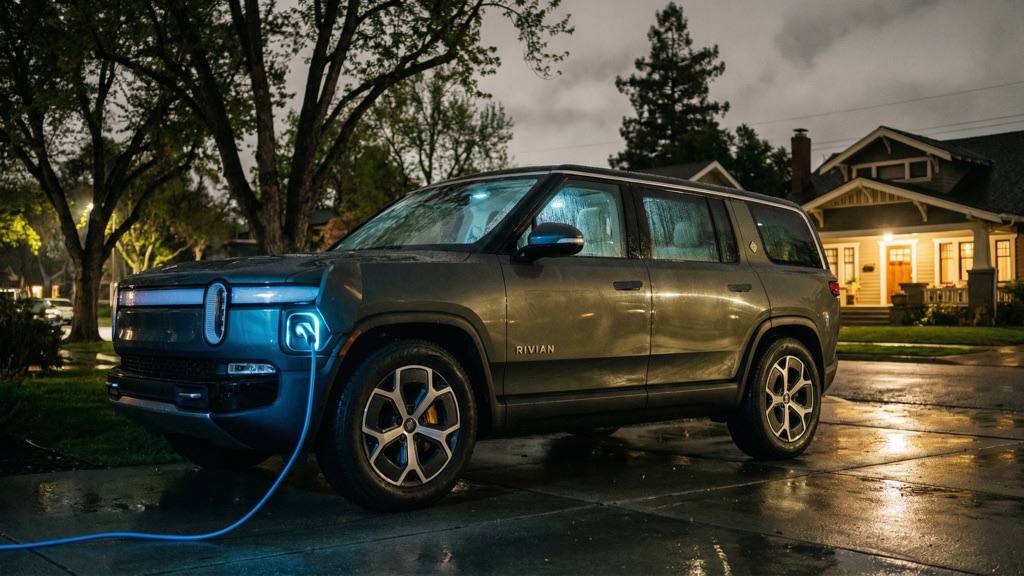
Yes.
Leaving your EV plugged in overnight is recommended for daily use.
Just:
- Set a charge limit (70–80%)
- Schedule charging during off-peak hours
The plug itself does not harm the battery.
Who Should Leave an EV Plugged In?
✔ Ideal For:
- Home charging owners
- Cold climates
- Daily commuters
- Drivers using scheduled charging
❌ Not Ideal For:
- Long-term storage at 100%
- No charge limit settings
- Hot climate + full battery parking
Practical Expert Rules
- Daily limit: 70–80%
- Before road trip: Charge to 100% close to departure
- Storage (2+ weeks): 40–60%
- Avoid heat + full charge
- Occasional 100% is completely fine
Future of EV Charging (2026+)
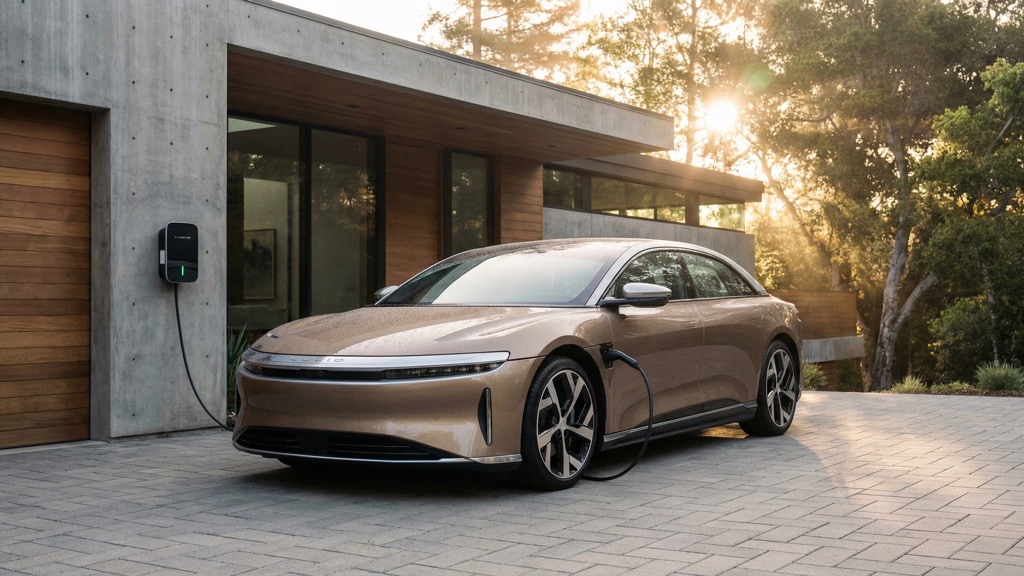
Modern EVs are increasingly autonomous:
- AI-based adaptive charging
- Smarter battery thermal management
- Improved chemistry stability
- Enhanced grid integration
Charging behavior will become more automated, reducing owner error.
Final Verdict: Is It Safe to Leave an EV Plugged In?
Yes.
Modern EVs are engineered to remain plugged in safely.
But:
• Daily 100% charging increases long-term stress
• Heat amplifies battery degradation
• Smart charge limits preserve resale value
The charger is not the problem.
Voltage and temperature are.
Summary
- Permanent plugging: Safe
- Daily 100% charging: Not ideal long-term
- 5-year impact: Up to ~7% extra degradation vs 80%
- Highest risk: 100% + high temperature
- Best daily range: 70–80%
- Best storage range: 40–60%
- Chemistry note: NMC is more sensitive than LFP
FAQ
Is it safe to leave an EV plugged in all the time?
Yes. Modern EVs prevent overcharging. The main risk is long-term 100% storage, not staying plugged in.
Does leaving an EV plugged in overnight damage the battery?
No. Overnight charging is recommended when using a charge limit.
What happens if my EV stays plugged in at 100 percent?
It won’t overcharge, but an extended high state of charge increases calendar aging.
Is EV battery degradation worse at 100%?
Yes. Higher voltage increases chemical stress over time.
What is the best EV storage charge percentage?
40–60% is ideal for long-term storage.
Is it better to unplug an EV after charging?
No. Plug status does not damage the battery.