
Ford’s Model e EV division expects losses of $4 billion to $4.5 billion in 2026, capping cumulative deficits exceeding $16 billion since 2022 amid a strategic shift to cost-cutting platforms and hybrids. This projection, shared in recent earnings guidance, underscores persistent challenges in the U.S. EV market, where sales represent just 5% of volume, prompting Ford to take a $19.5 billion pre-tax write-down while targeting profitability by 2029. EV buyers and investors should note how these moves balance long-term electrification goals against immediate financial pressures.
Background: Ford’s EV Push and Mounting Losses
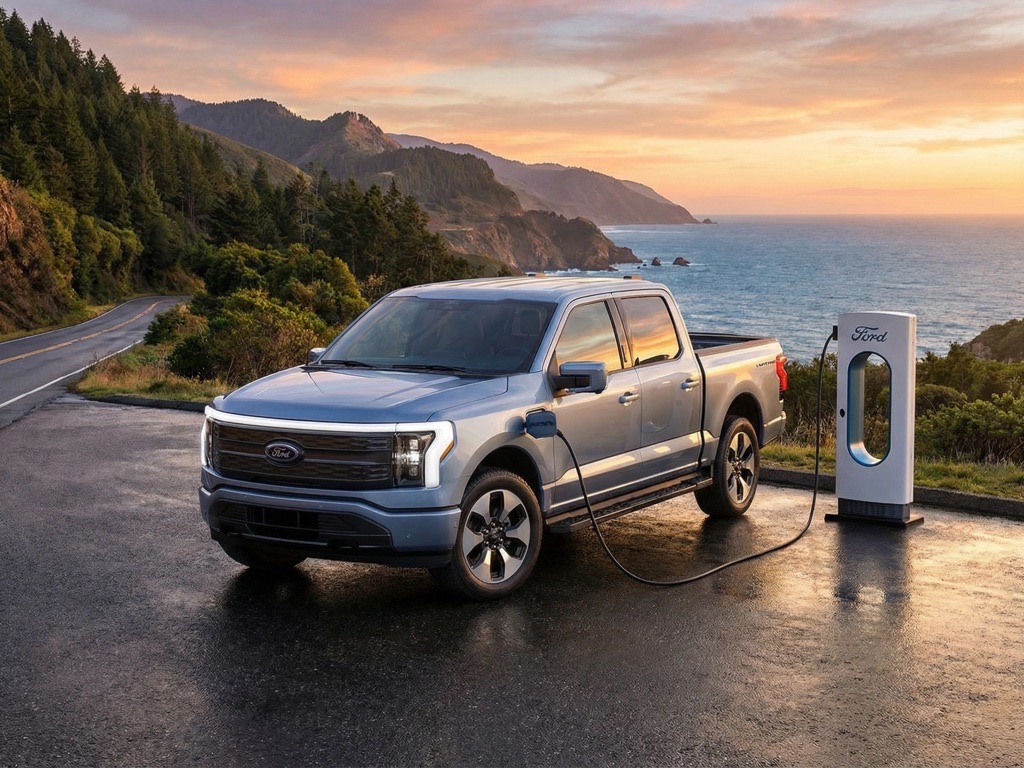
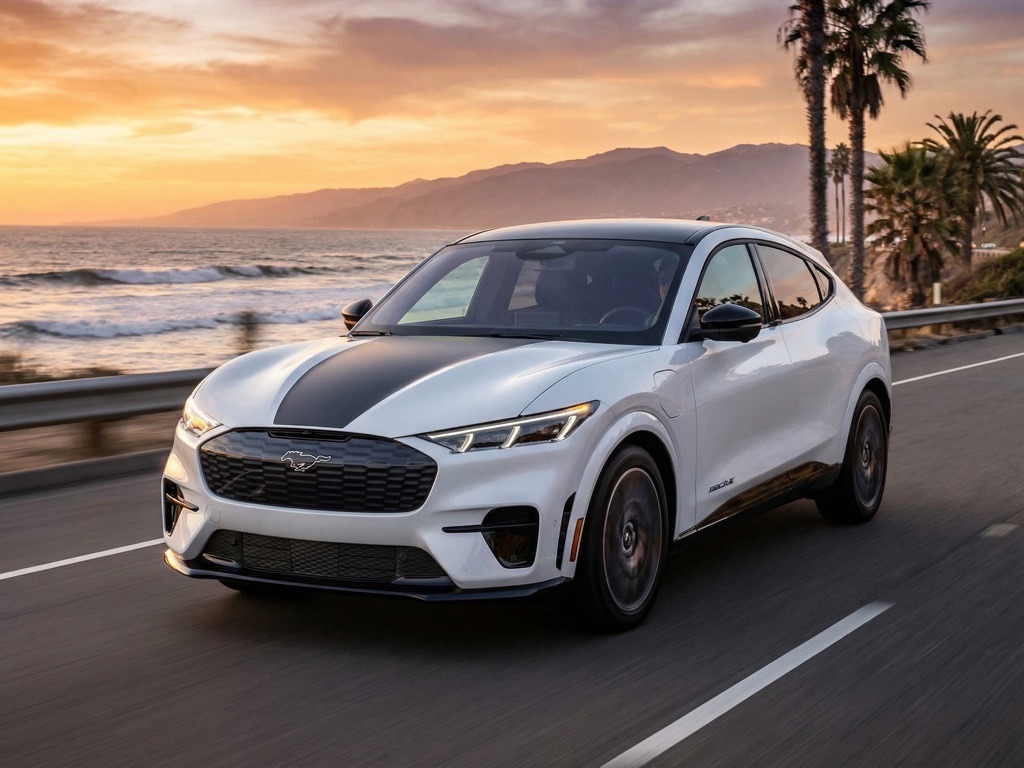
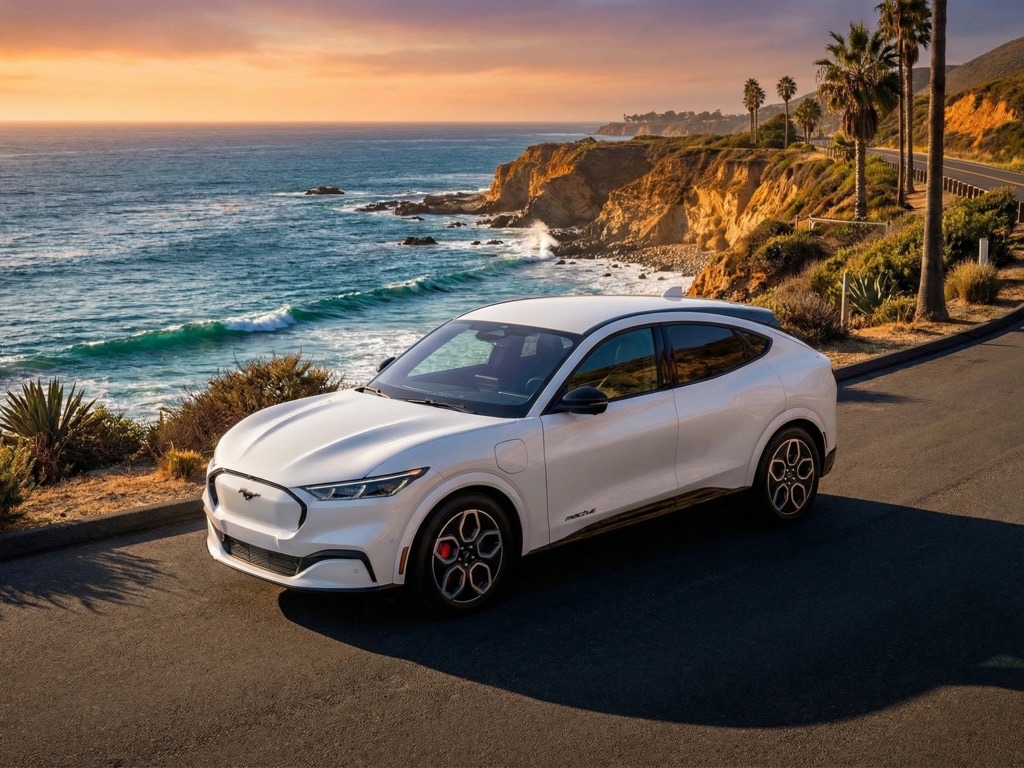
Ford launched its Model e division to spearhead electrification, debuvehicles like the Mustang Mach-Each-E, F-150 Lightning, and E-Transit. However, the division has posted steep losses since inception: $2.2 billion in 2022, $4.7 billion in 2023, $5.1 billion in 2024, and $4.8 billion in 2025, totaling over $16 billion. These figures stem from high development costs, pricing pressures, and investments in first-generation products, with $3 billion of 2025’s third-quarter loss tied to models like Mach-E and F-150 Lightning.
In response, Ford announced a $19.5 billion pre-tax charge—$5.5 billion in cash—over two years to retool its EV strategy, reducing production capacity by 35% two years ago and pivoting toward hybrids and extended-range EVs, which align better with U.S. buyer preferences. CEO Jim Farley emphasized no retreat frdrawing inspiration from BYD's cost efficienciesciencies while leveraging Ford’s truck expertise to compete globally. Despite challenges, Model e achieved record sales in 2025’s third quarter, boosted by expiring $7,500 tax credits.
Key Financial Projections for Model e
| Year | Projected/Actual Loss | Key Notes |
|---|---|---|
| 2022 | $2.2 billion | Initial EV ramp-up |
| 2023 | $4.7 billion | Expanded model lineup |
| 2024 | $5.1 billion | Peak losses |
| 2025 | $4.8 billion | Slight improvement; record Q3 sales |
| 2026 | $4-4.5 billion | $1.6B Gen 1 improvement |
Source: Compiled from Ford’s earnings reports and analyst summaries.
Cost-Cutting Measures and Efficiency Gains
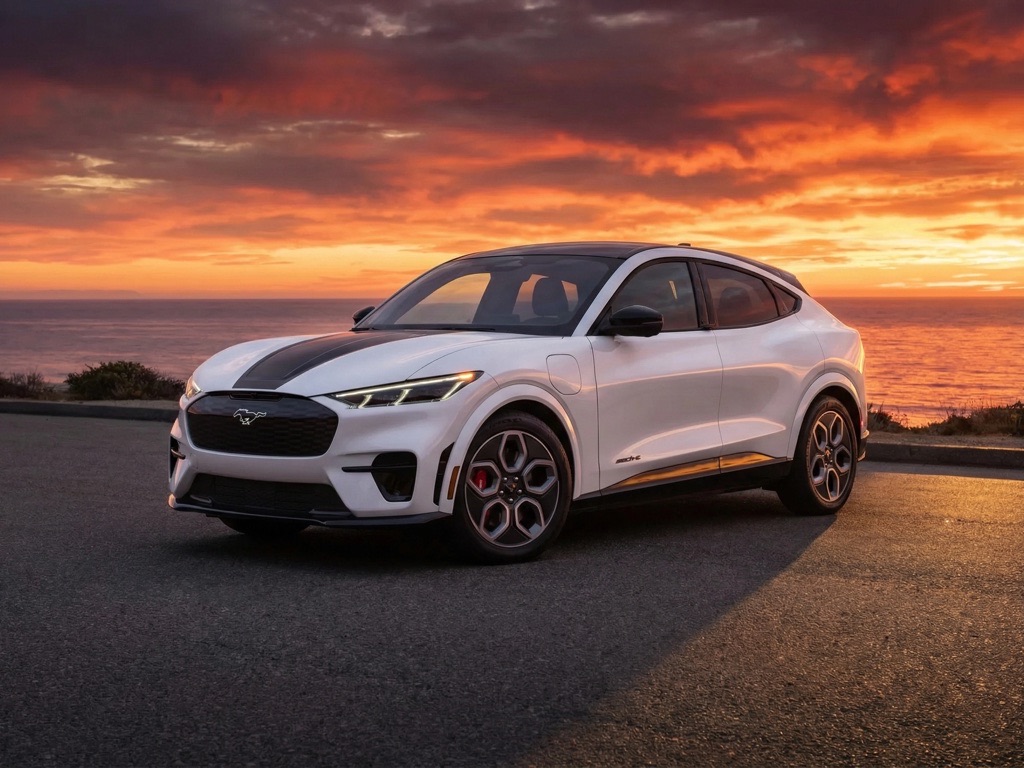
Ford is targeting incremental efficiency improvements, such as redesigned mirrors adding 1.5 miles of range and grille tweaks yielding 4.5 miles, to lower battery costs and boost range without major redesigns. The company plans a new Universal EV Platform and ‘assembly tree’ production starting in 2027, enabling a midsize electric truck priced around $30,000. These steps aim for $1.6 billion in savings on first-generation products in 2026.
 Motocycles
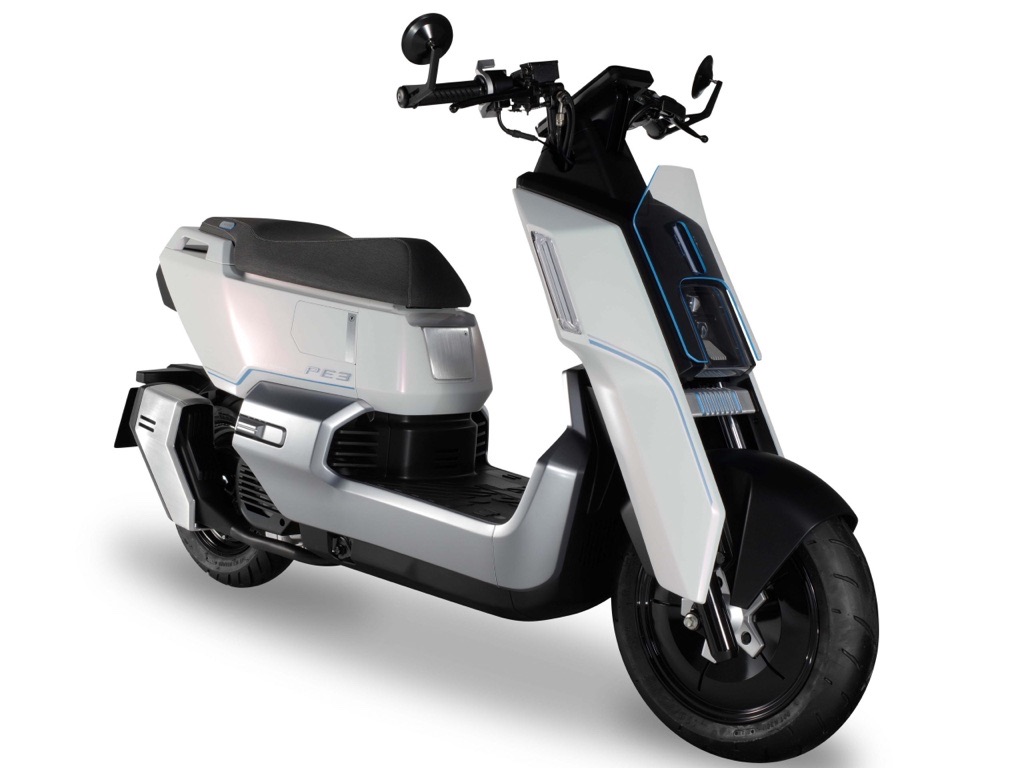
The SYM PE3: A Self-Charging Electric Scooter That Banishes Range Anxiety
Hey there, electric transportation fans! Your resident EV blogger is back with another fascinating two-wheeled contraption that’s about to blow...
 Cars
Cars
Rivian Posts First Full-Year Gross Profit in 2025: Software Drives $144M Turnaround
Rivian achieved its first full-year consolidated gross profit of $144 million in 2025, marking a dramatic $1.3 billion swing from...
 Cars
Cars
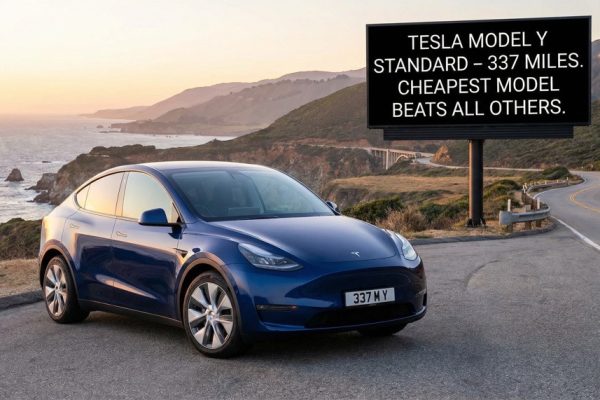
Tesla Model Y Standard Achieves 337 Miles in Real-World Testing: The Cheapest Model Y Is Now the Most Efficient
The 2026 Tesla Model Y Standard has shattered expectations in real-world range testing, traveling 337 miles in Edmunds’ standardized EV...
Farley highlighted lessons from racing aerodynamics applied to EVs, while shifting high-end $50,000-$70,000 models that underperformed toward more affordable options. Ford Pro, its commercial fleet unit, contrasts sharply, forecasting $6.5-7.5 billion in pre-tax earnings for 2026, buoying overall guidance.
Strategic Pivot: Hybrids, China Lessons, and Global Ambitions
Ford models its EV turnaround after BYD, focusing on vertical integration and cost discipline, but differentiates with U.S. truck dominance: ‘The Chinese don’t know truck customers as we do,’ Farley stated. Discussions of joint ventures with Chinese firms signal scaled-back ambitions, potentially circumventing 100% U.S. tariffs on Chinese EVs.
Hybrids gain priority as EV market share hovers at 5%, with production shifting from pure EVs. CFO Sherry House confirmed breakeven not until 2029, post-2027 platform rollout. Unanswered questions persist: Will tariff policies block Chinese competition? How will F-150 Lightning updates fare after reported cancellations?
Comparison with Competitors
Ford’s $16 billion+ EV losses mirror industry trends, with Detroit’s Big Three collectively at $50 billion despite 2025 sales peaks pre-tax credit expiry. GM pursues buybacks over EV reinvestment, reducing shares and boosting stock, while Ford prioritizes dividends. Tesla stands apart with profitability, but legacy OEMs like Ford face steeper ramps without credits. BYD exemplifies low-cost success abroad, pressuring Ford to match efficiencies domestically.
| Company | Cumulative EV Losses (Since 2022) | 2026 Outlook | Profitability Target |
|---|---|---|---|
| Ford Model e | >$16B | $4-4.5B loss | 2029 |
| GM | Part of $50B Big 3 total | Buyback focus | Not specified |
| Tesla | Profitable | Market leader | Achieved |
Verdict
Ford’s commitment to EVs despite $4.5 billion 2026 losses positions it for recovery via efficient platforms and hybrid synergies, but demands patience until 2029 breakeven. This suits long-term investors valuing transparency and truck heritage over quick gains, while hybrid enthusiasts benefit immediately. Critical gaps remain: precise 2027 truck specs and JV details are unconfirmed, risking further delays if competition intensifies.