
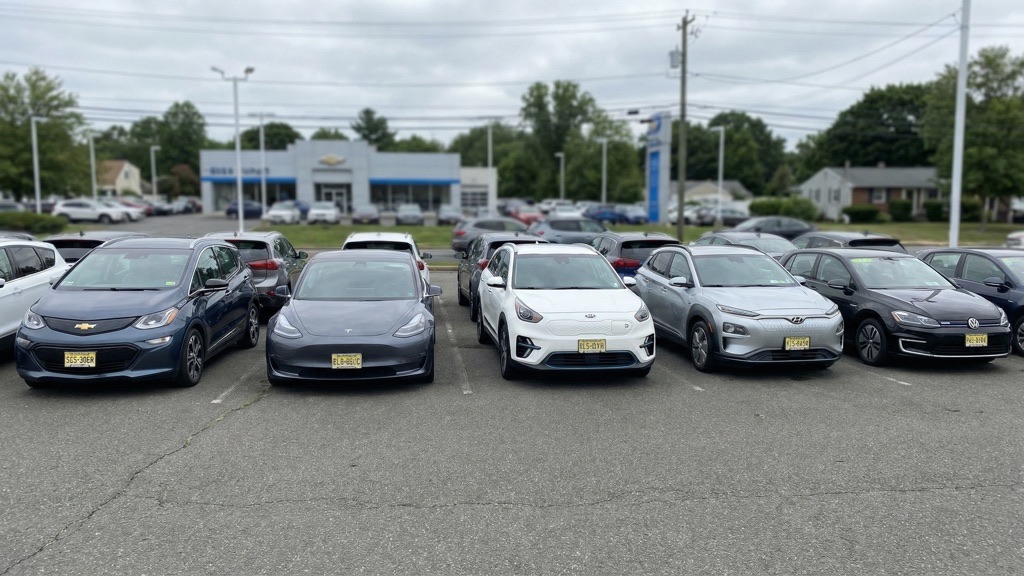
In 2026, used electric cars under $20,000 are no longer “budget experiments.” They are the smartest depreciation play in the entire car market.
For the price of a 5-year-old gasoline SUV with 70,000 miles, you can now buy a long-range EV that costs 50–70% less to run per year. That’s not marketing math — that’s electricity vs gas reality.
But here’s the problem:
Not every affordable used electric car under $20K is a good buy.
Some are:
- Cheap because charging is outdated
- High-mileage luxury cars with repair risk
- Early platforms with a limited range
Others are:
- Shockingly durable
- Battery-recall refreshed
- Quite long-term financial wins
This is not just a list.
This is a ranked decision guide — from #10 (highest risk) to #1 (smartest overall used EV under $20K).
Stay to the end. The #1 pick is the one I recommend to most buyers in the US and Europe.
⚡ QUICK VERDICT
BBest for road trips: Tesla Model 3 Chevrolet Bolt EV
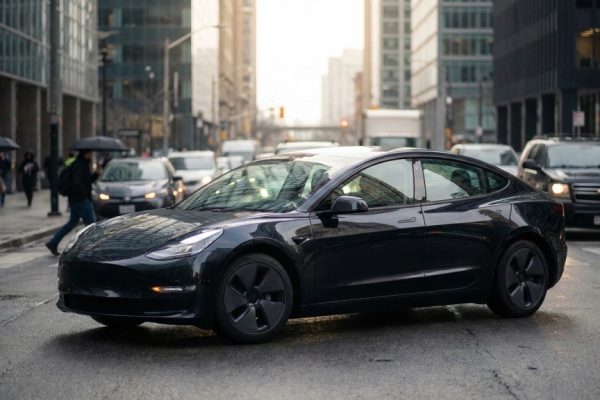
Best for road trips: Tesla Model 3
Best family option: Kia Niro EV
Best ultra-budget electric car: Volkswagen e-Golf
Highest risk / highest reward: Tesla Model S
Typical real-world range in this segment: 120–260 miles
Best value battery size target: 60+ kWh
Overall segment rating (2026): 9.8 / 10 for value
🔟 #10 — Tesla Model S
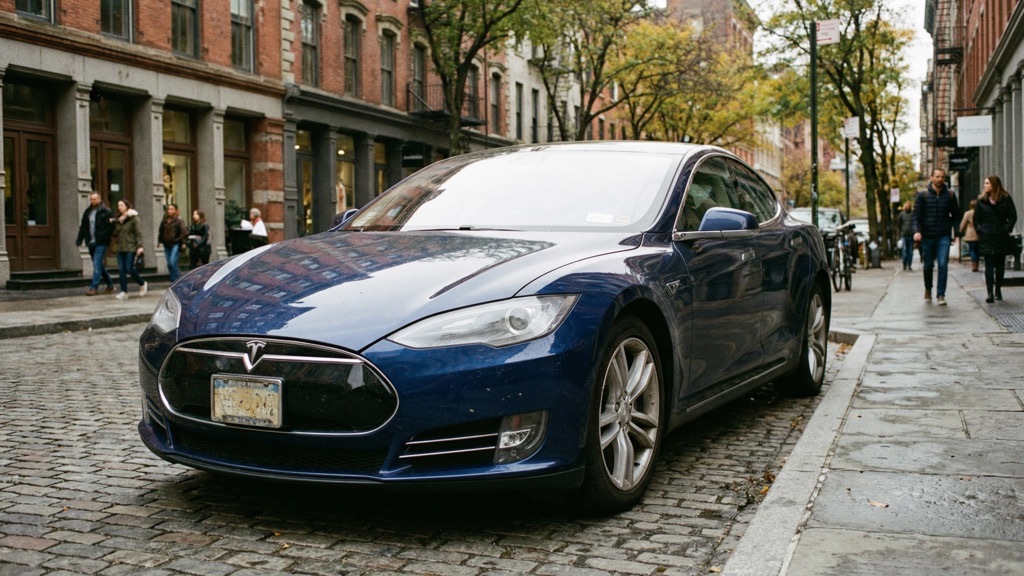
Luxury bargain. Financial gamble.
| Specification | Value |
|---|---|
| Battery | 75 kWh |
| Real-world range | 200–230 miles |
| DC fast charging | ~120 kW |
| Used price | $18,000–$20,000 |
| Reliability risk | High |
Why is it last:
At this price, most examples have high mileage. Suspension, MCU screens, door handles — none are cheap outside warranty.
Compared to #1:
More power and prestige. Far more financial exposure.
Only buy if you understand the risk.
9️⃣ #9 — Ford Mustang Mach-E
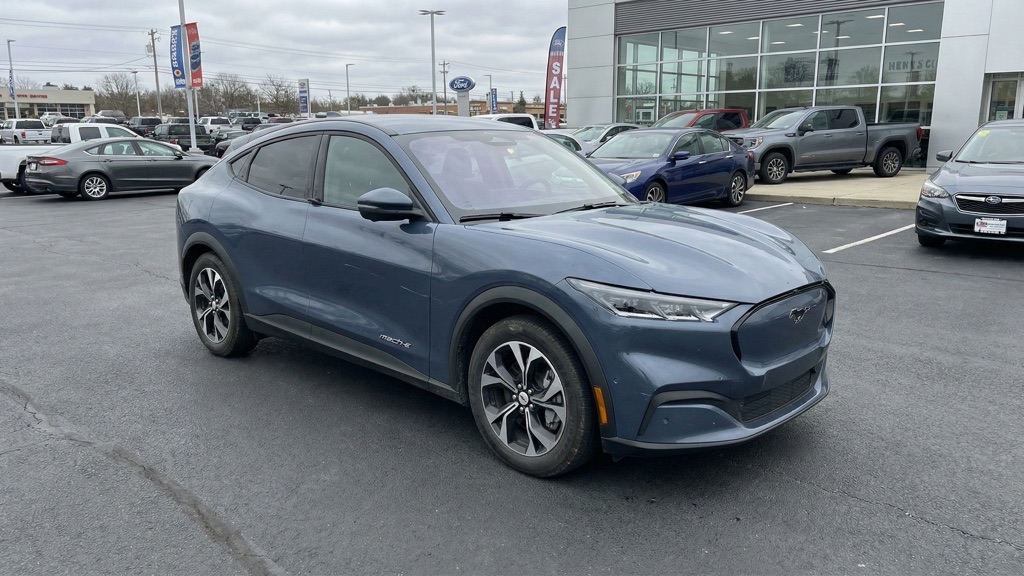
Modern platform near the budget ceiling.
| Specification | Value |
|---|---|
| Battery | 68 kWh |
| Real-world range | 200–230 miles |
| DC charging | 115 kW |
| Used price | ~$19,000–$20,000 |
| Reliability risk | Medium |
Why it beats Model S:
Newer architecture, lower repair risk, better software maturity.
Why not higher:
Still relatively expensive in this bracket.
8️⃣ #8 — Volkswagen e-Golf
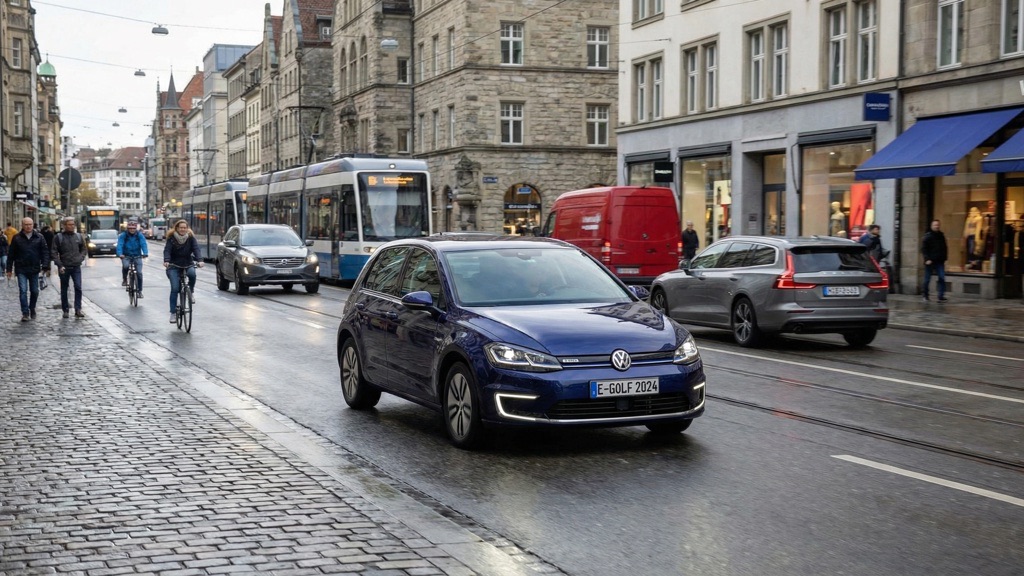
The cheapest safe entry into EV ownership.
| Specification | Value |
|---|---|
| Battery | 35.8 kWh |
| Real-world range | 110–140 miles |
| DC charging | ~40 kW |
| Used price | $10,000–$14,000 |
| Reliability risk | Low |
Why it beats Mach-E for city buyers:
Half the price. Extremely predictable ownership.
 Reviews
Zero SR/F vs Energica Eva Ribelle (2024): Electric Naked Bike Reality, Not Hype
⚔️ The Contenders 🔵 Zero SR/F 🔴 Energica Eva Ribelle These are not beginner electric bikes. These are serious, premium...
 Cars
Cars
Tesla Model 3 (2026) Review: Real Highway Range, Charging Curve & Expert Verdict
In 2026, buying a Tesla Model 3 is no longer an automatic decision. Cheaper Chinese EVs undercut it in Europe....
 Cars
Cars
Tesla Model Y vs BYD Song Plus EV (2026): Range, Charging, Price & Verdict
TL;DR Choose the Tesla Model Y if you want global Autopilot capability, superior charging infrastructure, and proven long-term reliability. Choose...
Why it ranks low overall:
Limited range makes it unsuitable for many drivers.
7️⃣ #7 — BMW i3
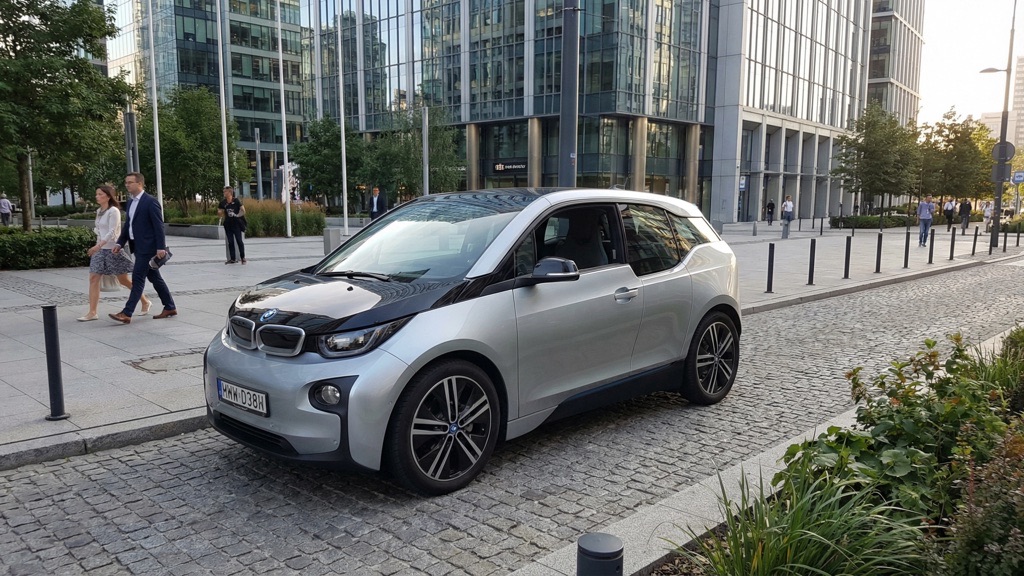
Premium feel, short-range compromise.
| Specification | Value |
|---|---|
| Battery | 42 kWh |
| Real-world range | 140–170 miles |
| DC charging | ~50 kW |
| Used price | $14,000–$19,000 |
| Reliability risk | Medium |
Why it beats e-Golf:
More range, more performance, more character.
Why not top tier:
Narrow tires and premium service pricing.
6️⃣ #6 — Nissan Leaf
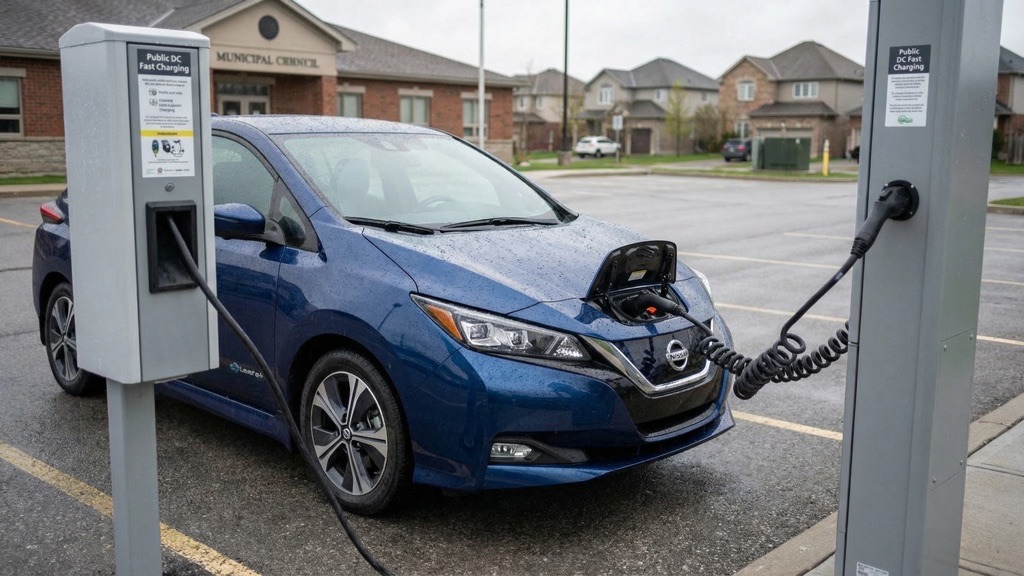
Strong battery. Weak charging future (US).
| Specification | Value |
|---|---|
| Battery | 62 kWh |
| Real-world range | 190–220 miles |
| DC charging | 50 kW (CHAdeMO) |
| Used price | $13,000–$18,000 |
| Reliability risk | Medium |
Why it beats i3:
Significantly more usable range.
Why doesn’t it crack the top 5:
CHAdeMO fast charging is fading in North America.
5️⃣ #5 — Chevrolet Bolt EUV
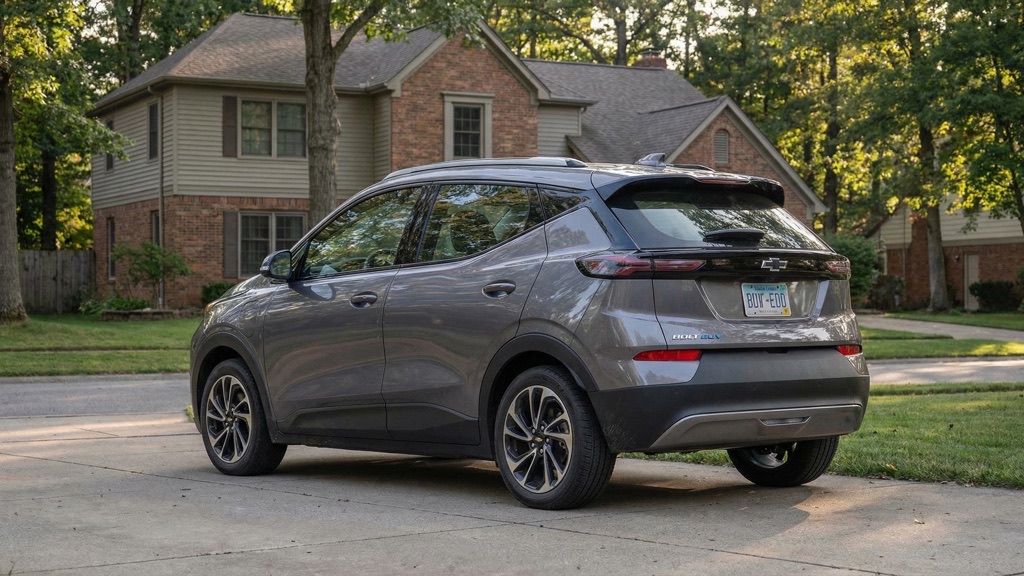
More space. Same charging ceiling.
| Specification | Value |
|---|---|
| Battery | 65 kWh |
| Real-world range | 230–250 miles |
| DC charging | ~55 kW |
| Used price | $17,000–$20,000 |
| Reliability risk | Low |
Why it beats Leaf:
Better charging ecosystem + battery recall confidence.
4️⃣ #4 — Tesla Model 3
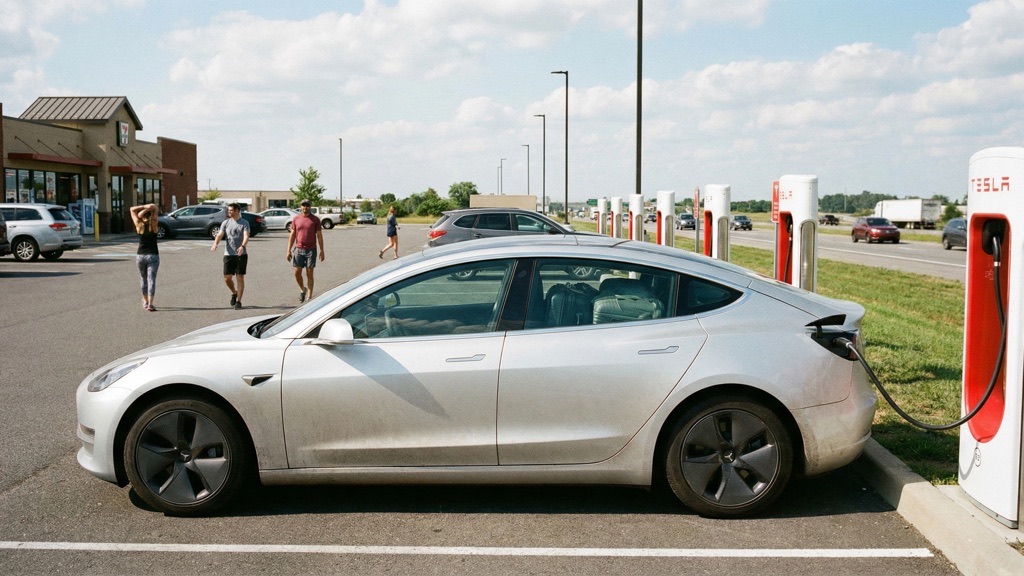
The road-trip weapon.
| Specification | Value |
|---|---|
| Battery | ~50–55 kWh |
| Real-world range | 200–230 miles |
| DC charging | 170 kW peak |
| Used price | $18,000–$20,000 |
| Reliability risk | Medium |
Why it beats Bolt EUV:
Supercharger network + dramatically faster charging.
Why not #1:
Higher average mileage at this price.
3️⃣ #3 — Hyundai Kona Electric
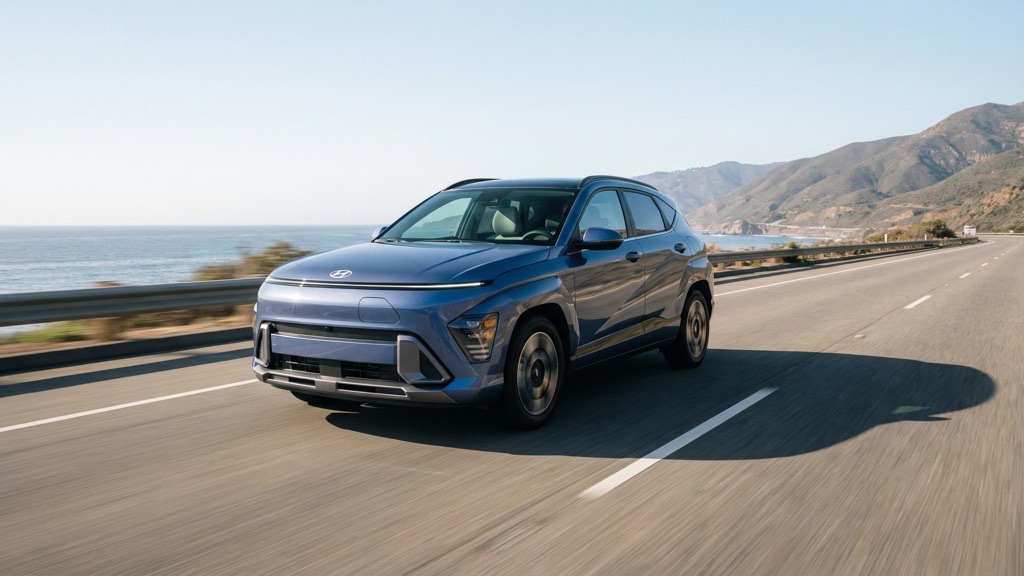
Efficiency champion.
| Specification | Value |
|---|---|
| Battery | 64 kWh |
| Real-world range | 230–260 miles |
| DC charging | ~77 kW |
| Used price | $16,000–$20,000 |
| Reliability risk | Low |
Why it beats Model 3 for most buyers:
Better efficiency + lower long-term ownership risk.
2️⃣ #2 — Kia Niro EV
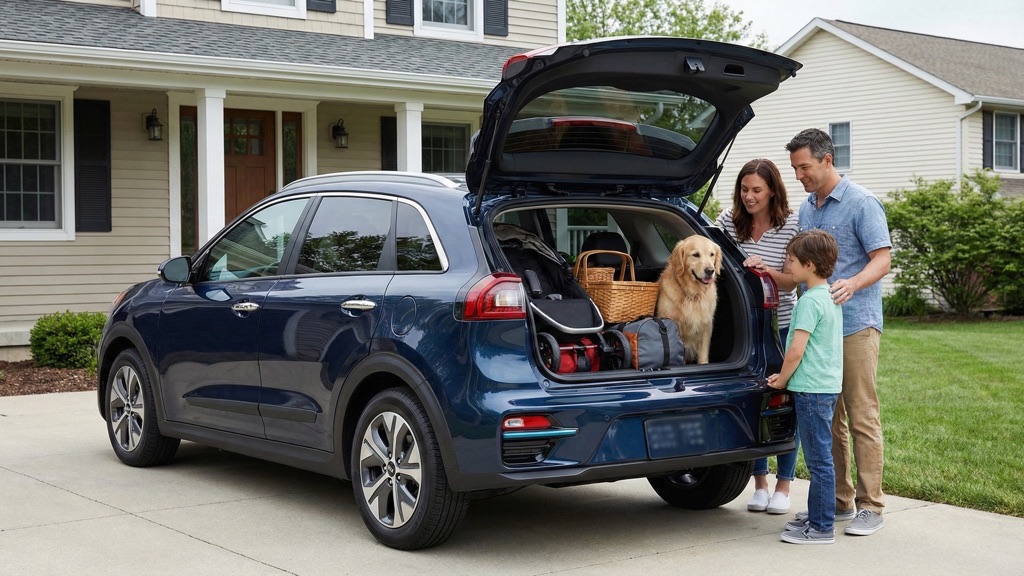
The balanced all-rounder.
| Specification | Value |
|---|---|
| Battery | 64 kWh |
| Real-world range | 230–250 miles |
| DC charging | ~77 kW |
| Used price | $17,000–$20,000 |
| Reliability risk | Low |
Why it beats Kona:
More rear-seat and cargo space. Better for families.
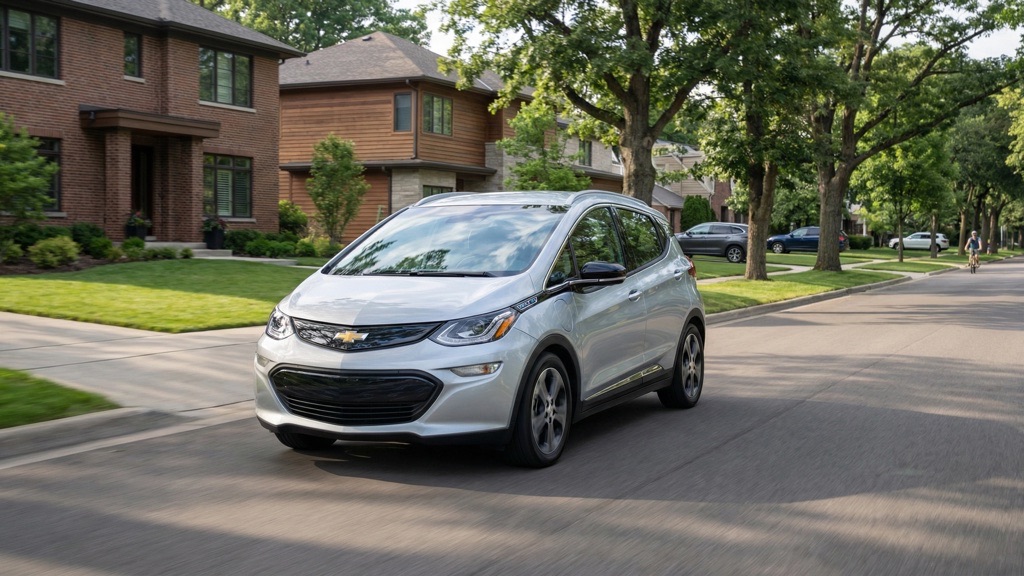
🥇 #1 — Chevrolet Bolt EV
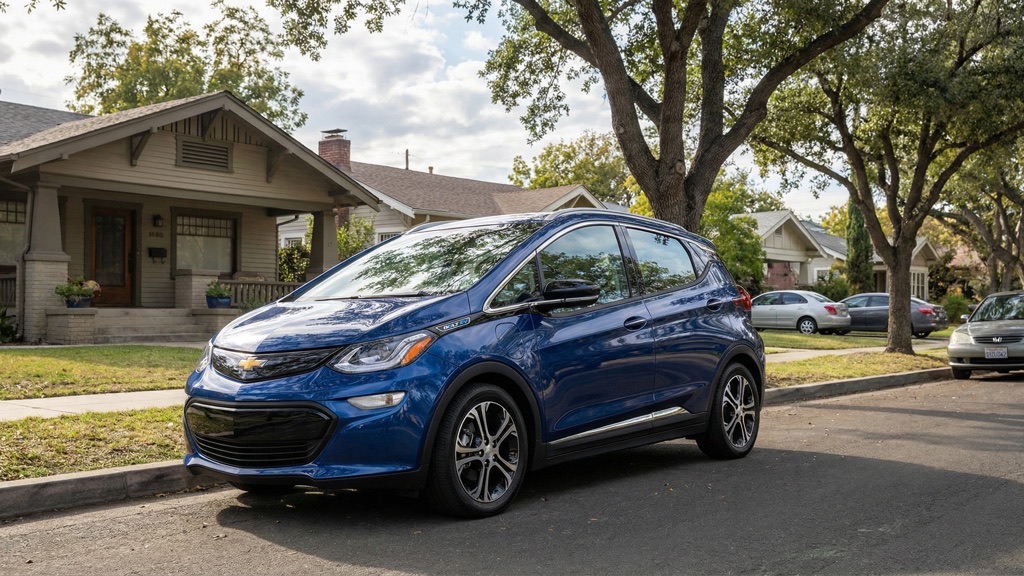
Still the smartest used electric car under $20,000.
| Specification | Value |
|---|---|
| Battery | 66 kWh |
| Real-world range | 240–260 miles |
| DC charging | ~55 kW |
| Used price | $14,000–$19,000 |
| Reliability risk | Low |
Why it wins overall:
- Best range per dollar in the entire used EV market
- Many units received new battery packs
- Proven drivetrain durability
- Lowest financial risk profile
It’s not the fastest.
It’s not the most exciting.
But it is the most rational decision under $20K.
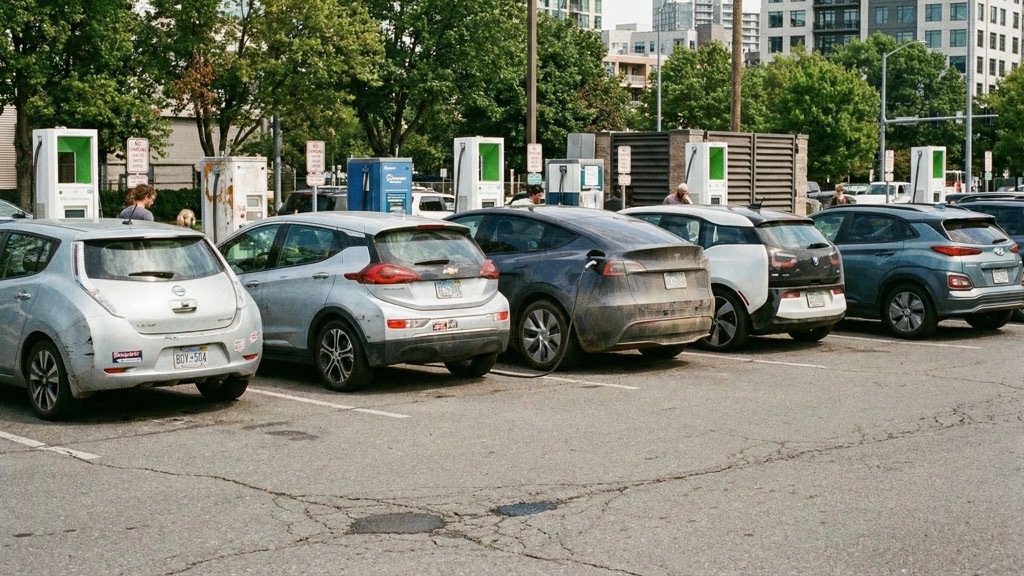
📊 MEGA COMPARISON TABLE (Ranked 10 → 1)
| Rank | Model | Real Range | DC Charging | Price | Risk |
|---|---|---|---|---|---|
| 10 | Model S | 220 mi | 120 kW | 18–20k | High |
| 9 | Mach-E | 215 mi | 115 kW | ~20k | Medium |
| 8 | e-Golf | 130 mi | 40 kW | 10–14k | Low |
| 7 | BMW i3 | 160 mi | 50 kW | 14–19k | Medium |
| 6 | Leaf e+ | 210 mi | 50 kW | 13–18k | Medium |
| 5 | Bolt EUV | 240 mi | 55 kW | 17–20k | Low |
| 4 | Model 3 | 220 mi | 170 kW | 18–20k | Medium |
| 3 | Kona EV | 250 mi | 77 kW | 16–20k | Low |
| 2 | Niro EV | 240 mi | 77 kW | 17–20k | Low |
| 1 | Bolt EV | 250 mi | 55 kW | 14–19k | Low |
💰 Real Ownership Costs (5-Year Outlook)
| Expense | Used EV (60–66 kWh) | Gas Car Equivalent |
|---|---|---|
| Fuel / Electricity (12k mi/year) | $500–$800 | $1,800–$2,400 |
| Oil changes | $0 | $600–$1,000 |
| Brake wear | Low | Moderate |
| 5-Year savings | $6,000–$10,000 advantage | — |
Battery degradation in these models typically runs 8–15% over 5–7 years — manageable if the range buffer is sufficient.
🧭 Decision Tree — Which Used EV Under $20K Should You Buy?
Do you road trip more than 3–4 times per year?
→ Yes → Tesla Model 3
→ No → Continue
Need real back-seat and cargo space?
→ Yes → Kia Niro EV
→ No → Continue
Want the lowest financial risk?
→ Chevrolet Bolt EV
Budget under $14,000?
→ Volkswagen e-Golf
Comfortable with repair risk for luxury?
→ Tesla Model S
🔥 Final Comparison: Why #1 Beats #10
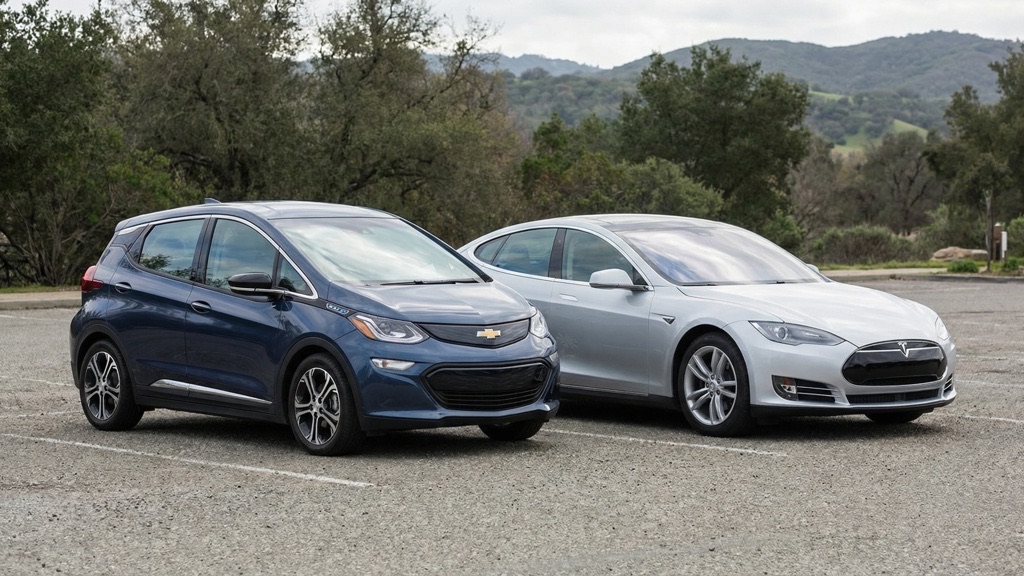
Bolt EV vs Model S 75D
| Factor | Bolt EV | Model S |
|---|---|---|
| Price stability | Strong | Volatile |
| Repair risk | Low | High |
| Battery confidence | Many new packs | Aging pack |
| Insurance cost | Lower | Higher |
| Range per dollar | Excellent | Moderate |
The Model S gives you prestige.
The Bolt EV gives you peace of mind.
Under $20,000, peace of mind wins.
🧠 FINAL EXPERT VERDICT
🔹 Short Verdict
For most buyers looking for the best used electric car under $20K in 2026:
Buy the Chevrolet Bolt EV.
Need more space? → Kia Niro EV
Road trips? → Tesla Model 3
Avoid luxury risk unless you budget for repairs.
🔹 Detailed Verdict
The smartest affordable used electric cars in 2026 share four traits:
- 60+ kWh battery
- CCS fast charging
- Proven durability
- Bottomed-out depreciation
The Bolt EV checks those boxes better than anything else in this segment.
It’s not emotional.
It’s mathematical.
And in the sub-$20,000 EV market — math wins.
TL;DR
🥇 Bolt EV — Smartest buy
🥈 Niro EV — Best balance
🥉 Kona EV — Efficiency king
🚗 Model 3 — Road-trip winner
⚠️ Model S — Luxury gamble
FAQ
Are used electric cars under $20,000 reliable?
Yes — if battery history and recalls are verified.
What battery size should I target?
Minimum 60 kWh for long-term comfort.
Is 150 miles of range enough?
Only for short daily commuting.
Is buying a cheap luxury EV risky?
Yes — repairs can erase savings quickly.