
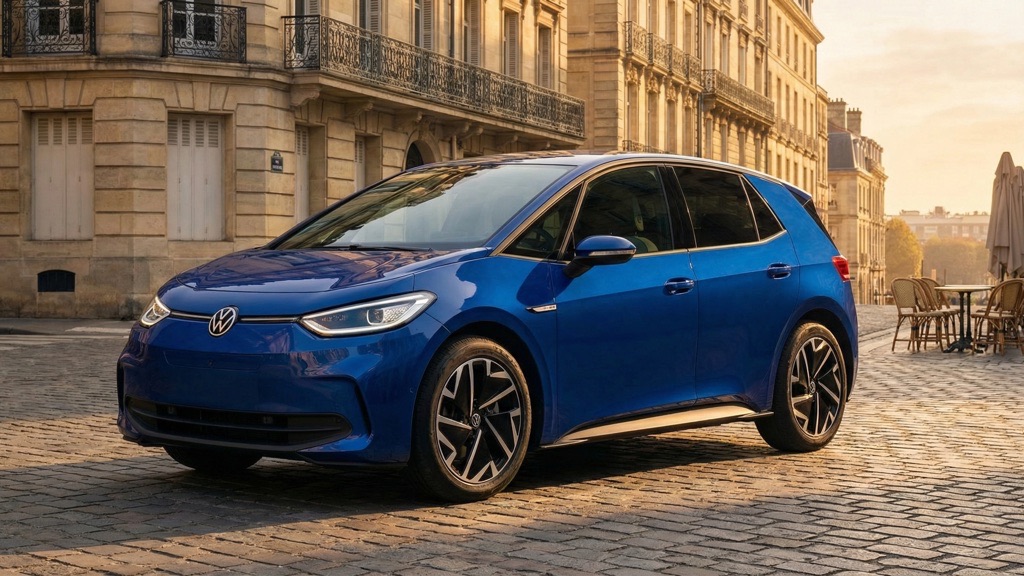
The Volkswagen ID.3 was supposed to be the electric Golf.
In 2026, it finally feels like one.
After early software struggles and internal critiVolkswagen refined the formula. The ID.3 is now a mature, efficient, and genuinely usable electric hatchback — but it’s still not the most exciting or best-value EV in Europe.
This review answers the real buyer questions:
- Is VW ID.3 worth it in 2026?
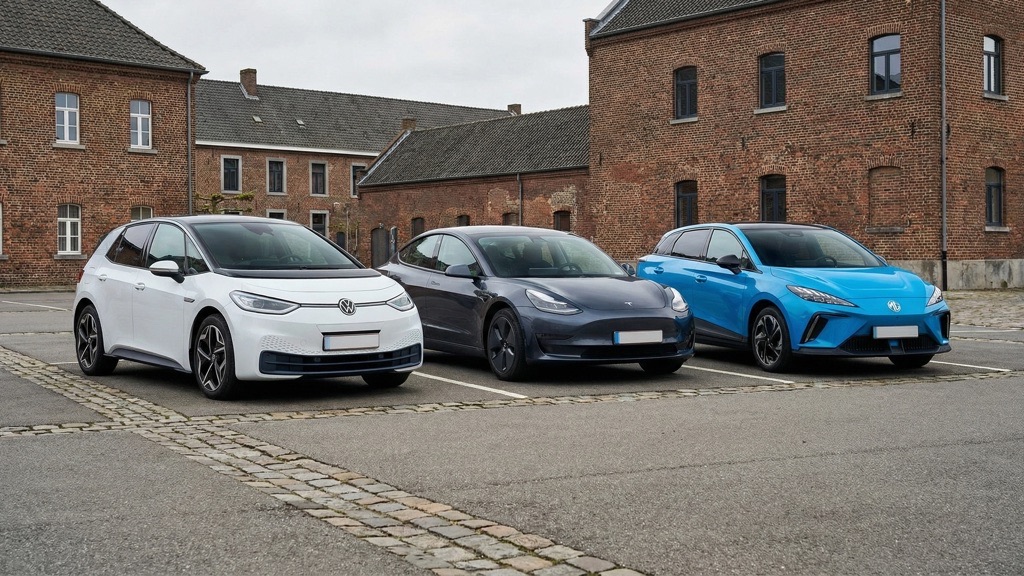
- Which battery? How does it compare to MG4 and Tesla? re to MG4 and Tesla?
- What does it actually cost to own for five years?
Let’s go deep.
⚡ QUICK VERDICT
Best for: European drivers who want a practical, efficient electric hatchback with balanced road manners
Not recommended for: Buyers chasing maximum performance or the lowest upfront price
Real-world range: 220–300 miles (355–480 km)
Biggest advantage: Everyday usability + strong motorway efficiency
Main drawback: Interior still doesn’t feel premium for the price
Overall rating: 9.3/10
Not thrilling. Not flashy. But intelligently engineered.
📊 Key Specifications (2026)
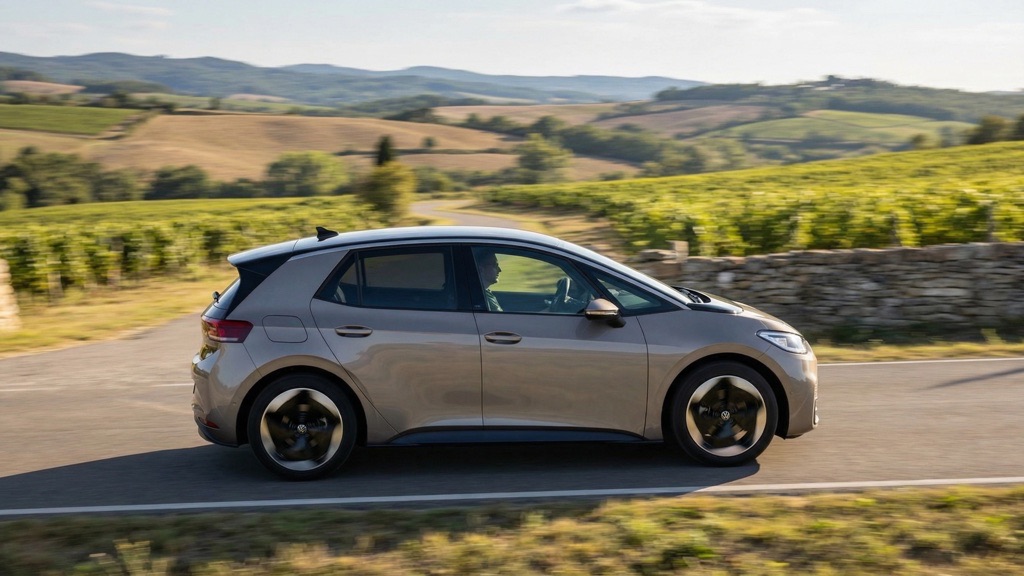
| Specification | 58 kWh Version | 77 kWh Version |
|---|---|---|
| Usable battery | ~58 kWh | ~77 kWh |
| Real-world range | 220–240 mi | 260–300 mi |
| WLTP range | ~426 km | Up to 557 km |
| DC fast charging | Up to 120 kW | Up to 170 kW |
| 10–80% charging | ~30 min | ~26–28 min |
| 0–100 km/h | 8.2 sec | 7.3 sec |
| Drivetrain | RWD | RWD |
| Starting price (EU) | ~€36,000 | ~€42,000 |
What This Means
- 58 kWh is perfect for city + regional driving.
- 77 kWh is the real motorway car.
- Charging speed is competitive — but not Tesla-fast.
- RWD gives it balanced handling compared to FWD rivals.
🚗 Real-World Efficiency Breakdown
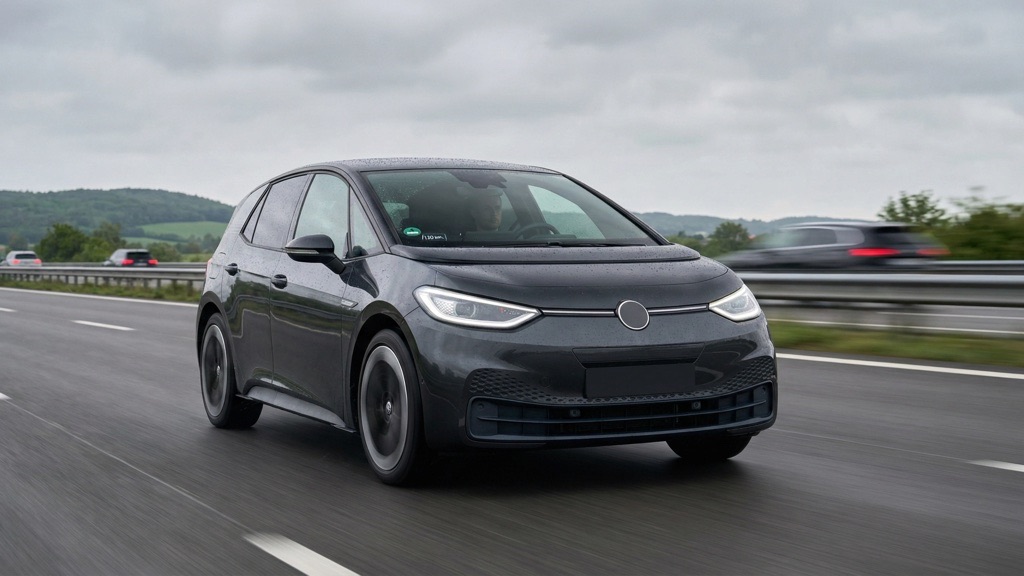
This is where the ID.3 earns respect.
| Scenario | 58 kWh | 77 kWh |
|---|---|---|
| City (summer) | 14–15 kWh/100 km | 15–16 kWh/100 km |
| Highway Winter range drops ~25–30% | 18–19 kWh/100 km | |
| Winter highway | 21–23 kWh/100 km | 22–24 kWh/100 km |
Translation for buyers:
- The ID.3 is genuinely efficient.
- Motorway consumption is competitive.
- Winter range drops ~25–30%, which is normal for this class.
If you drive 25,000 km per year, efficiency matters — and ID.3 performs well here.
🚗 Driving Experience: Calm, Not Exciting
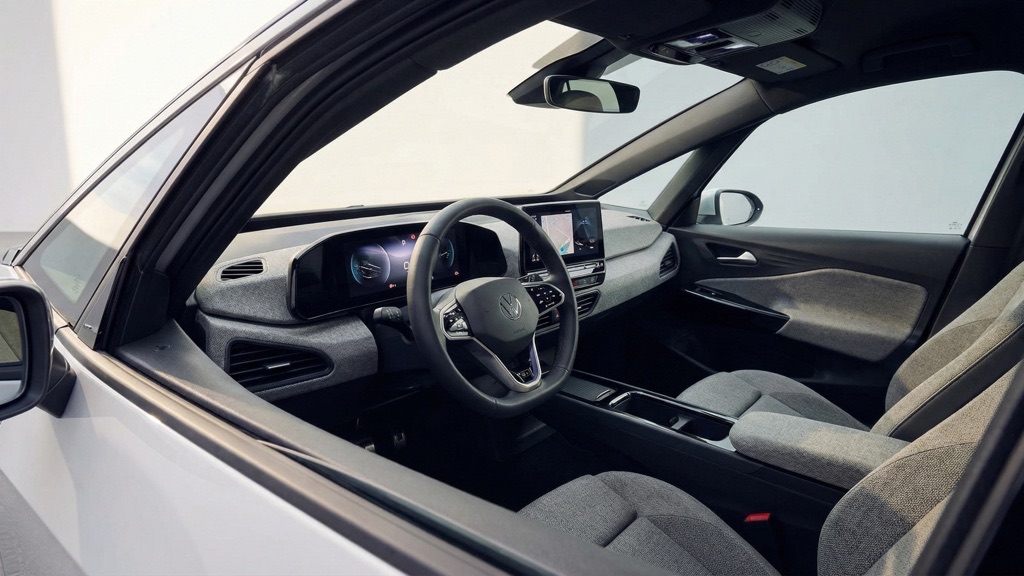
The ID.3 is tuned for European roads.
Steering & Handling
- Neutral steering
- Predictable rear-drive balance
- No torque steer
- Comfortable, not sporty
It doesn’t excite — but it doesn’t frustrate either.
 Reviews
EV Charging at Home (2026 Ultimate Guide): Level 2 Costs, ROI & Installation Mistakes Most Buyers Make
Home charging is either the smartest decision you make as an EV owner — or the biggest oversight. In 2026,...
 Reviews
Zeekr 007 (2025) vs Nio ES6 (2024): What China’s New-Generation Electric Crossovers Can Do
China’s electric vehicle market continues to evolve at an extraordinary pace, and new models from Zeekr and NIO clearly show...
 Reviews
Tesla Cybertruck Problems: Advantages, Risks and What Buyers Must Know in 2026
TL;DR Tesla Cybertruck problems in 2026 are largely early-production quality issues, repair cost complexity, and first-generation software calibration — not...
If you test-drive it back-to-back with the MG4 Electric, you’ll notice:
- MG4 feels more playful
- ID.3 feels more mature
Volkswagen clearly prioritized stability over fun.
Motorway Comfort
At 120–130 km/h:
- Stable chassis
- Low wind noise
- Comfortable ride tuning
It feels designed for German Autobahn cruising — not city sprinting.
🔋 Charging Reality in 2026
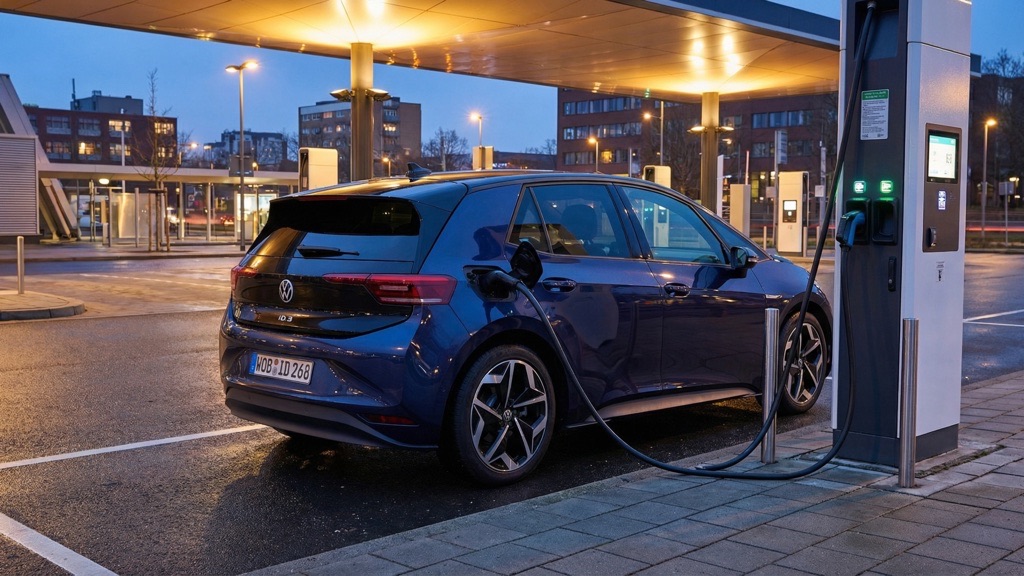
The 77 kWh version peaks at 170 kW.
Real-world:
- 10–80% in ~27 minutes
- Stable charging curve
- No dramatic tapering early
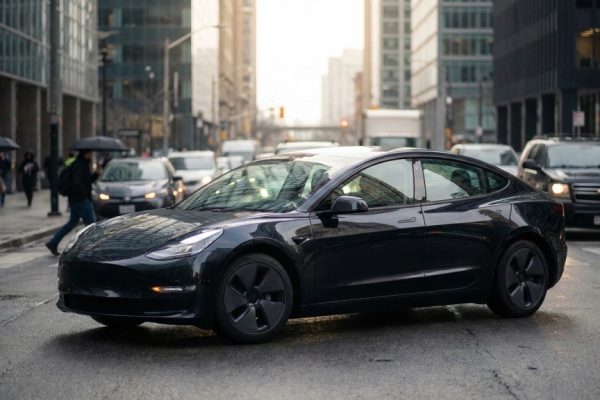
Compared to the Tesla Model 3, charging is slower — but still practical for European road trips.
If you travel 600 km in a day, you’ll add ~10–15 extra minutes compared to Tesla.
For most drivers, that’s acceptable.
💰 5-Year Ownership Cost (EU Estimate, 75,000 km)
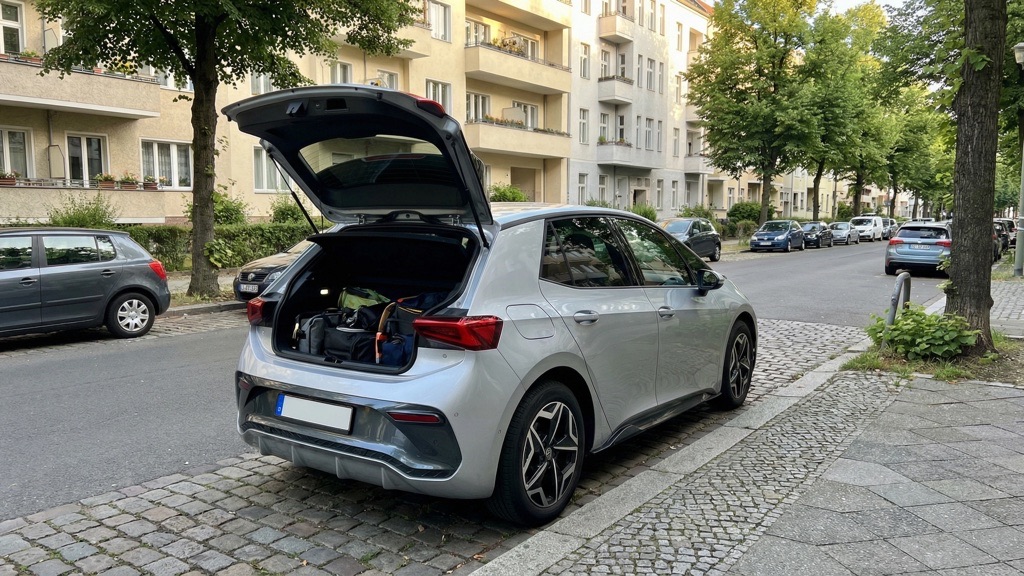
Assuming €0.30/kWh electricity average.
| Cost Category | ID.3 58 kWh | ID.3 77 kWh | MG4 Long Range |
|---|---|---|---|
| Electricity | ~€3,400 | ~€3,900 | ~€3,600 |
| Maintenance | ~€1,500 | ~€1,500 | ~€1,400 |
| Depreciation (est.) | ~€17,000 | ~€19,000 | ~€15,000 |
| 5-Year Total | ~€22,000 | ~€24,400 | ~€20,000 |
Interpretation
MG4 is cheaper to own.
Tesla holds value slightly better.
ID.3 sits in the rational middle.
You pay a slight premium for the Volkswagen badge and refined tuning.
👍 Pros & 👎 Cons
👍 Pros
- Strong real-world efficiency
- Balanced rear-wheel-drive dynamics
- Good motorway comfort
- Improved software stability
- Practical hatchback packaging
👎 Cons
- Interior plastics still underwhelming
- Touch controls remain divisive
- Not exciting to drive
- No AWD option
- Price creeping upward
⚖️ Ultimate Competitor Comparison
| Model | Real Range | Charging | Driving Feel | Price | Best For |
|---|---|---|---|---|---|
| Tesla Model 3 | 280–350 mi | ~250 kW | Sporty | Higher | Efficiency + network |
| MG4 Electric | 220–280 mi | ~150 kW | Playful | Lower | Value seekers |
| Renault Megane E-Tech | 230–285 mi | ~130 kW | Stylish | Similar | Interior design |
| VW ID.3 | 220–300 mi | 120–170 kW | Balanced | Mid | Safe mainstream choice |
🧠 Decision Filter
Buy VW ID.3 if:
- You want a predictable, stable EV
- You drive regularly on motorways
- You value efficiency over acceleration
- You prefer traditional European tuning
Skip VW ID.3 if:
- You want a premium cabin feel
- You want the cheapest EV in class
- You want performance excitement
- You want a Tesla-level charging ecosystem
🧠 FINAL EXPERT VERDICT
🔹 SHORT VERDICT
Buy it if you want a safe, efficient, mature electric hatchback.
Skip it if you want emotion, luxury, or maximum value.
🔹 DETAILED VERDICT
The 2026 ID.3 is no longer a risky purchase.
It’s predictable.
Efficient.
Refined enough.
It doesn’t dominate the segment — but it doesn’t embarrass itself either.
If you’re replacing a Golf and want electric without drama, this is still one of the safest choices in Europe.
If you want fun, luxury, or maximum financial optimization, there are better alternatives.
In 2026, the ID.3 is not revolutionary.
It’s reliable.
And for many European buyers, that’s exactly the point.
TL;DR
- 220–300 miles real-world range
- Efficient motorway performance
- 26–30 min DC charging
- Interior still mid-tier
- Mature, safe EV choice
A rational EV for rational buyers.
FAQ
Is VW ID.3 worth it in 2026?
Yes — if you prioritize stability and efficiency over excitement.
Which battery should I buy?
77 kWh for regular motorway use. 58 kWh for city/regional driving.
Is it better than MG4?
More refined. Less playful. More expensive.
Is charging good enough for long trips?
Yes — not class-leading, but practical.