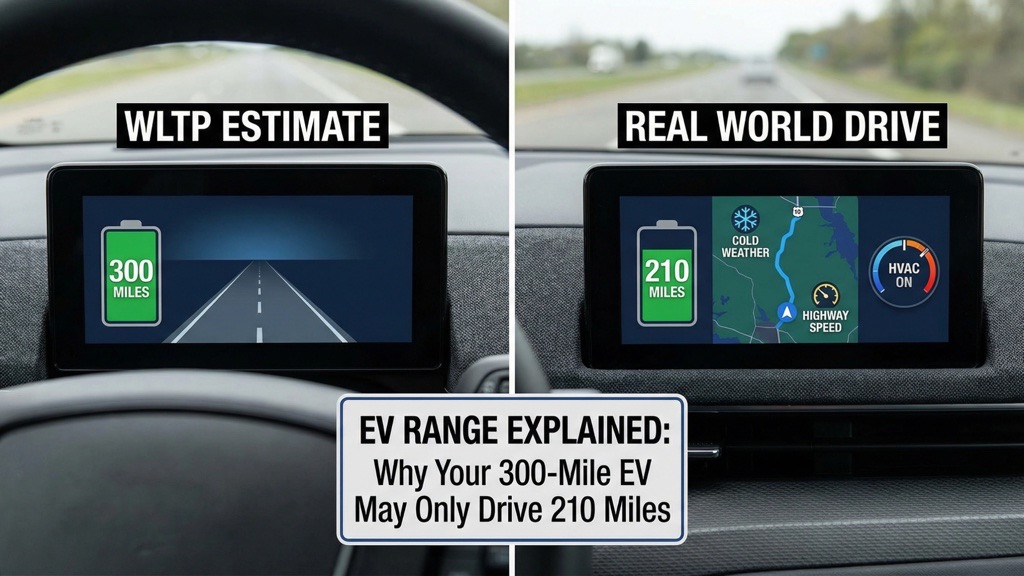
Most EV buyers overestimate how far their future car will actually drive.
They don’t realize it in summer.
They realize it in winter. On the highway. With 12% battery left.
If you’re deciding between battery sizes, this article may save you from choosing the wrong one.
Let’s separate laboratory numbers from ownership reality.
⚡ QUICK VERDICT
- Best for: Buyers comparing US & European EVs
- Not recommended for: Anyone planning to rely on WLTP alone
- Real-world planning Highway winter realityrange
- Highway winter reality: 55–65% of WLTP
- Biggest buyer mistake: Underestimating usable road-trip range
- Overall rating (clarity & accuracy): 10/10
📊 KEY RANGE STANDARDS
| Standard | Region | Realism Level | Typical Inflation |
|---|---|---|---|
| WLTP | Europe | Moderate | +10–20% vs real |
| EPA | United States | High | +5–10% vs real |
| Real World | Actual use | Maximum | None |
🇪🇺 WLTP: The Marketing Ceiling
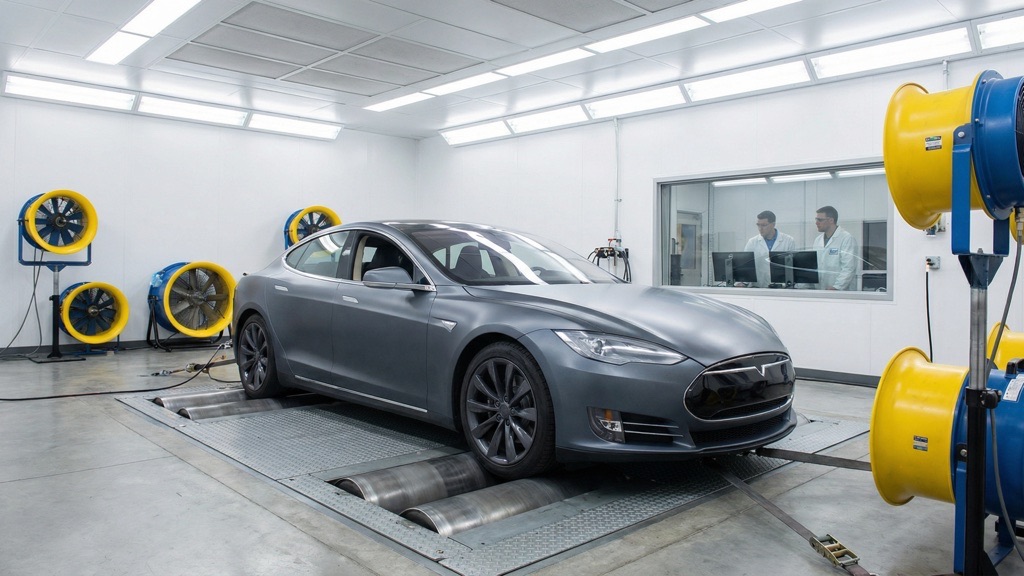
Mandated by the European Union, WLTP improved over the old NEDC — but it is still laboratory testing.
Conditions:
- Controlled temperature
- No wind
- No elevation
- Moderate acceleration
- No winter
What That Means in Practice
| WLTP Range | Mixed Real | Autobahn 130 km/h |
|---|---|---|
| 500 km | 400–425 km | 350–380 km |
| 550 km | 440–470 km | 380–410 km |
WLTP is not fake.
But it is optimistic.
If you drive fast highways in Germany, France, or Italy, WLTP is not your reality.
🇺🇸 EPA: Closer to Truth
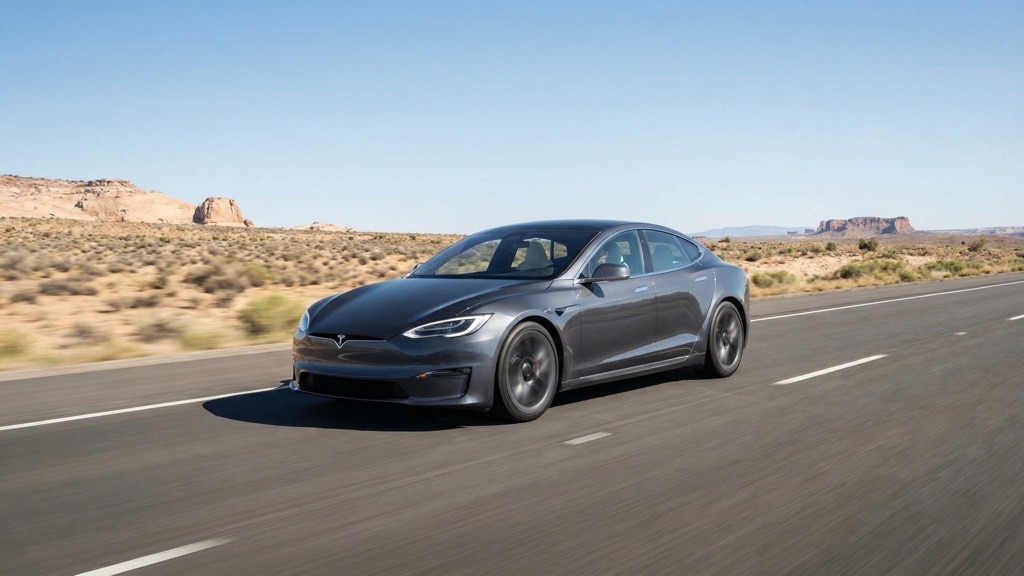
Tested by the United States Environmental Protection Agency.
EPA includes:
- Higher average speeds
- Aggressive acceleration
- Real-world correction factors
Typical EPA Accuracy
| EPA Rating | Real Mixed | 75–80 mph Highway |
|---|---|---|
| 300 miles | 27Winter reduction0 mi | |
| 330 miles | 300–330 mi | 260–285 mi |
EPA is not perfect — but it’s honest.
⚠️ The Range Shock Calculation
Let’s do real maTesla Model Yy a 300-mile EPA EV.
Now apply real-world conditions:
- Highway driving: ~250 miles
- Winter reduction (–25%): ~187 miles
- 10–80% fast-charge window: usable ~131 miles
Your “300-mile car” can behave like a 130-mile road-trip car in winter highway driTesla Model Y is where buyers get surprised.
Not because the carHyundai Ioniq 5 Long Rangeions were wrong.
 Reviews
Volvo EX30 Review (2025): Real-World Range, Charging Reality & 600-Mile Test Verdict
The Volvo EX30 is Volvo’s smallest and most affordable electric SUV — positioned below the larger Volvo EX90 and aimed...
 Reviews
Specialized Turbo Vado Review 2026
Buying a premium commuter e-bike in 2026 is confusing. Spec sheets look nearly identical. Motors claim similar wattage. Battery sizes...
 Reviews
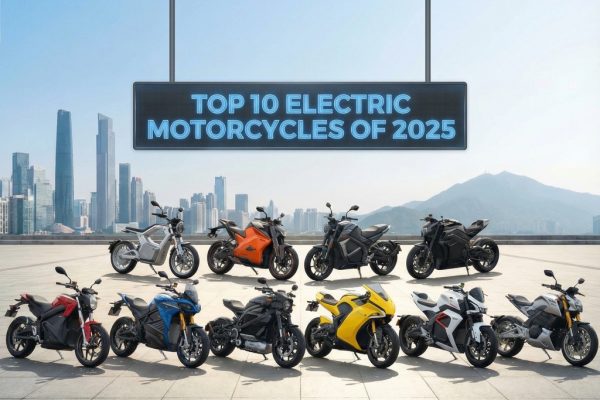
Top 10 Electric Motorcycles of 2025: Full Comparison, Specs & Buying Guide
TL;DR Electric motorcycles in 2025 are faster, more efficient, and more practical than ever. 🏆 Best OveraZero SR/F 20252025 —...
📊 Real Model Comparison
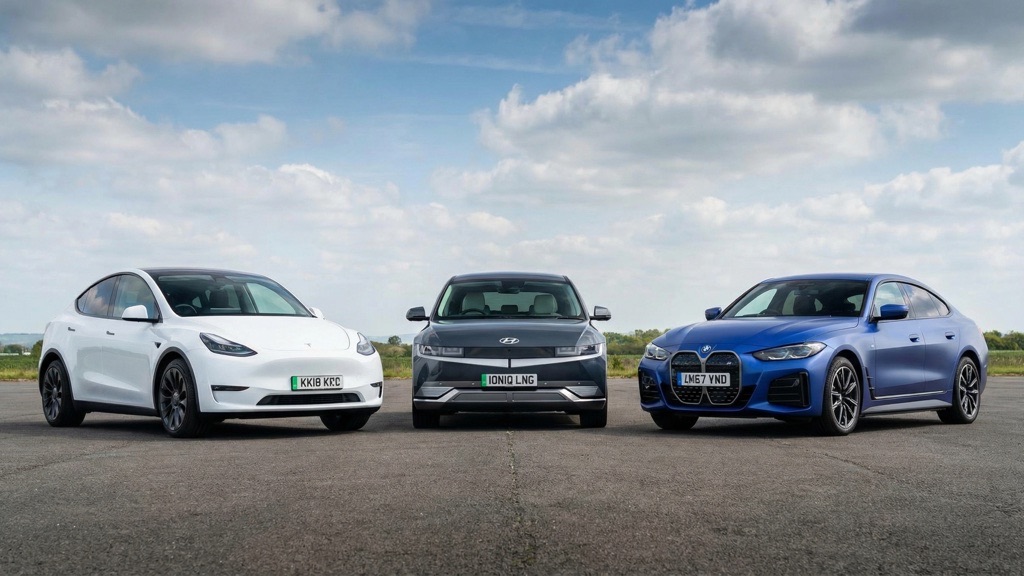
| Model | WLTP | EPA | 75 mph Real | Winter Highway |
|---|---|---|---|---|
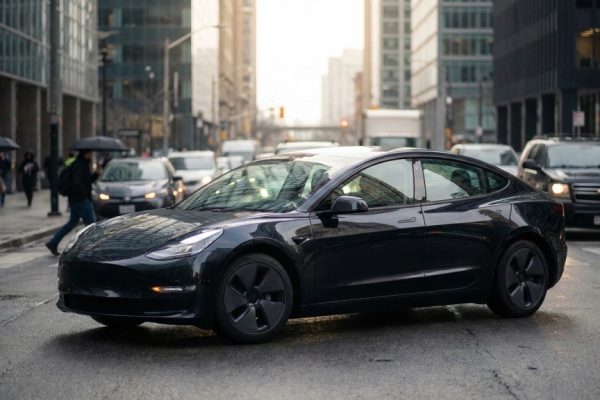
| Tesla Model Y Long Range | 533 km | 330 mi | 250–270 mi | 210–230 mi |
| Hyundai Ioniq 5 Long Range | 507 km | 303 mi | 230–250 mi | 190–210 mi |
| BMW i4 eDrive40 | 590 km | 301 mi | 240–260 mi | 200–220 mi |
Notice something:
WLTP numbers look similar.
Highway winter reality separates them.
Efficiency matters more than brochure range.
🚗 Why Speed Kills Range
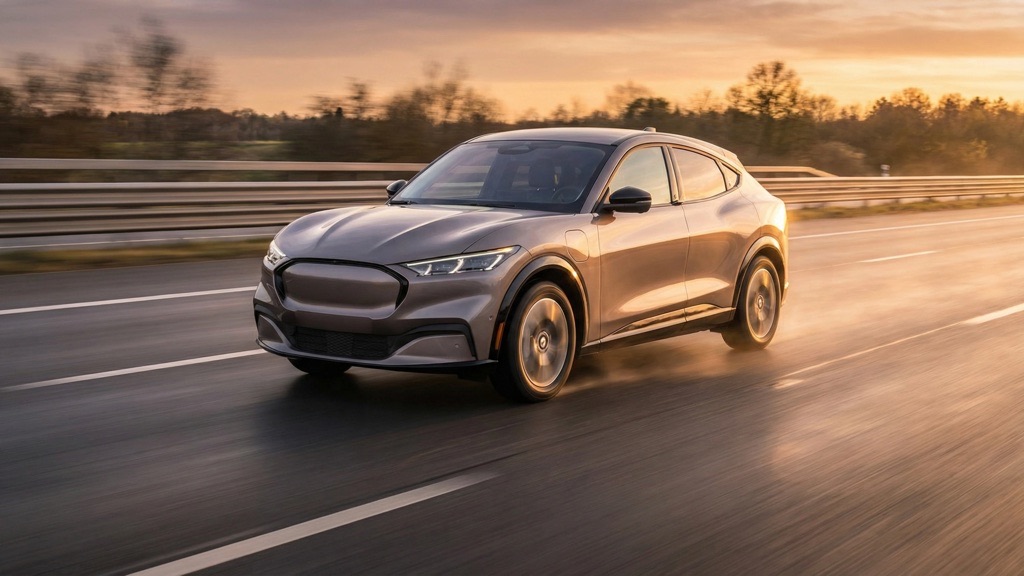
Aerodynamic drag increases exponentially.
- 55 mph → efficient
- 70 mph → noticeable drop
- 80 mph → significant drop
- 85+ mph → dramatic drop
An EV that gets 4.2 mi/kWh in the city may drop to 2.9–3.1 mi/kWh at 75 mph.
That’s physics — not brand quality.
🌡 Winter Multiplier (The Silent Range Killer)
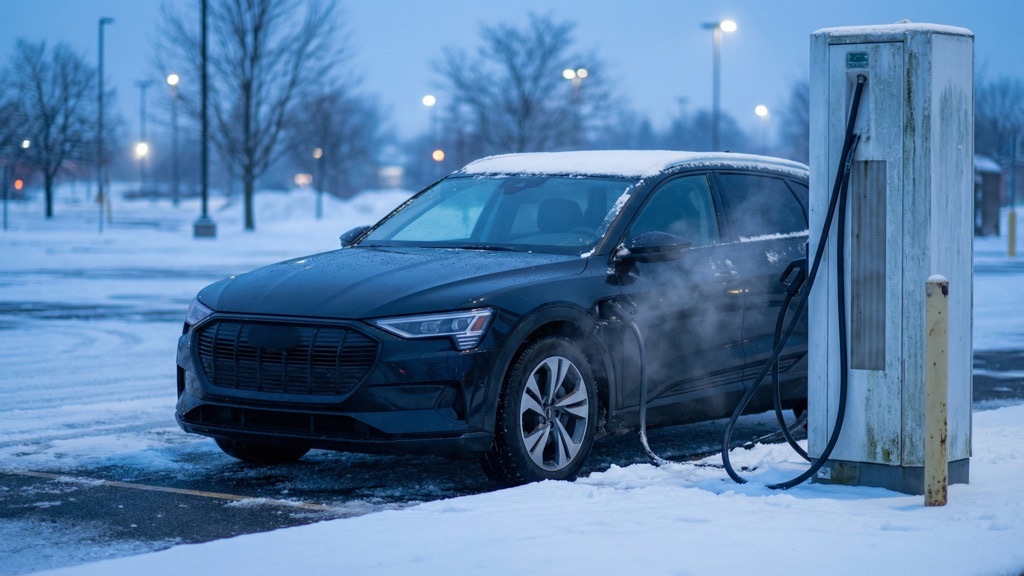
Cold weather impact:
- –15% mild winter
- –25% typical winter highway
- –35% extreme cold
Reasons:
- Battery chemistry efficiency drops
- Cabin heating demand
- Denser cold air
Heat pumps reduce impact — they don’t eliminate it.
If you live in:
- Northern US
- Scandinavia
- Canada
- Alpine regions
Add a 25–30% buffer to your planning.
🔺 The Range Reality Pyramid
Think of range in layers:
1️⃣ WLTP (marketing ceiling)
2️⃣ EPA (realistic baseline)
3️⃣ Highway reality
4️⃣ Winter highway
5️⃣ 10–80% usable window
Most buyers only look at layer #1.
Ownership happens at layer #4.
📊 Decision Matrix: What You Actually Need
| If You… | Recommendation |
|---|---|
| Drive mostly city | EPA rating is reliable |
| Commute 70+ mph daily | Add 15–20% battery buffer |
| Live in a cold climate | Add 25–30% buffer |
| Road trip monthly | Prioritize the charging curve over WLTP |
| Keep cars 5+ years | Choose a larger battery if the budget allows |
Range anxiety isn’t about range.
It’s about underestimating real usage.
⚡ Charging Speed vs Range (Overlooked Factor)
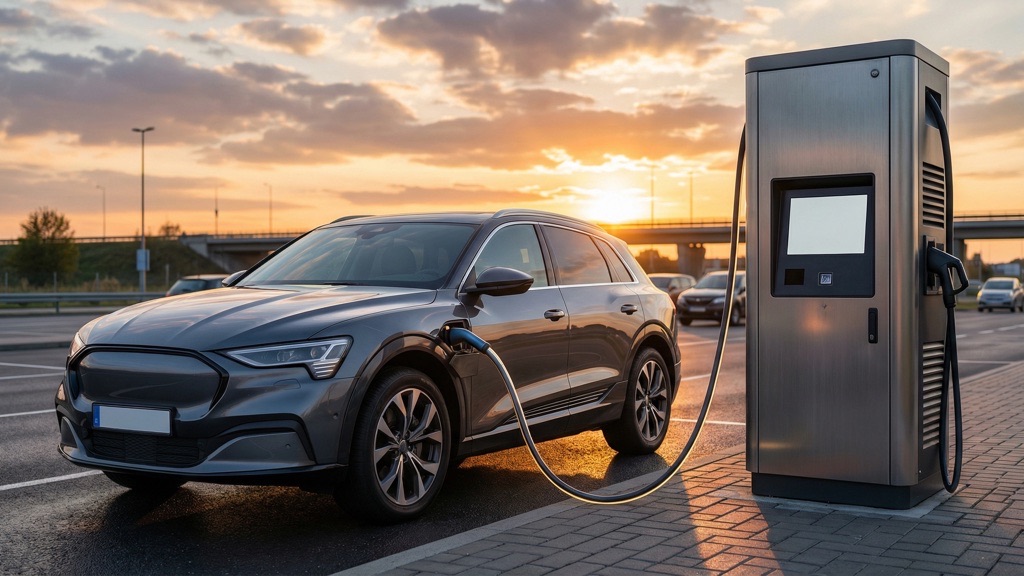
Two EVs:
- 250-mile EPA
- 250 kW peak charging
vs
- 320-mile WLTP
- 100 kW charging
On a 600-mile trip:
The faster-charging EV can arrive earlier, despite a lower rated range.
Charging curve consistency > maximum range figure.
👍 PROS & 👎 CONS of Range Ratings
👍 Pros
- Standardized comparison
- EPA closely reflects the US driving
- WLTP better than old NEDC
- Enables cross-market transparency
👎 Cons
- WLTP inflates highway expectations
- EPA doesn’t simulate extreme cold
- Neither includes wind/elevation
- Marketing often highlights best-case numbers
💰 Ownership Cost Reality
Buying too small a battery often leads to:
- Earlier trade-in
- Reduced resale appeal
- Higher long-term cost
Buying slightly more range than needed rarely causes regret.
The upfront premium is often cheaper than dissatisfaction.
🧠 FINAL EXPERT VERDICT
🔹 SHORT VERDICT
Use EPA as a baseline.
Treat WLTP as an optimistic ceiling.
Plan around 75–80% of the rated range.
Add a 25–30% buffer for winter or highway driving.
Do that — and range anxiety disappears.
🔹 DETAILED VERDICT
The ideal buyer:
- Understands the 10–80% charging window
- Calculates winter highway range before buying
- Chooses battery size based on worst-case routine
If you mostly drive urban short trips — smaller battery is fine.
If you commute long highway distances or live in cold climates, buying the bigger battery version is usually the smarter long-term decision.
Physics doesn’t change.
Smart buyers plan around it.
TL;DR
- WLTP = optimistic
- EPA = realistic
- Highway reduces range
- Winter reduces it further
- 10–80% window matters
- Buy more than your minimum need
FAQ
Is WLTP always higher than EPA?
Usually 10–20% higher.
Why does the range drop so much at 75 mph?
Aerodynamic drag increases exponentially.
Should I always choose the larger battery?
If highway driving or cold climate applies to you — yes.
Can software updates fix range loss?
They can improve efficiency slightly — but not override physics.