
If you drive 12 miles to work, sit in traffic, hunt for parking, and repeat that five days a week, you don’t need a 350-mile EV.
You need the right EV.
City driving is where electric cars are objectively superior to gas vehicles. Regenerative braking thrives in stop-and-go traffic. Electricity costs less per mile. Maintenance drops dramatically. Noise disappears.
But here’s the problem: most buyers overspend on battery size, underestimate charging logistics, and choose cars designed for highways — not dense urban environments.
This is the Top 1 authority guide for urban EV buyers in the US and Europe. No hype. No brochure language. Just what actually works.
⚡ TL;DR — Read This First
- For city life, 150–250 miles of real-world range is more than enough.
- Efficiency matters more than battery size.
- Fast charging speed is secondary if you charge at home.
- Compact footprint > large SUV in dense cities.
- EV ownership makes the most financial sense with home or workplace charging.
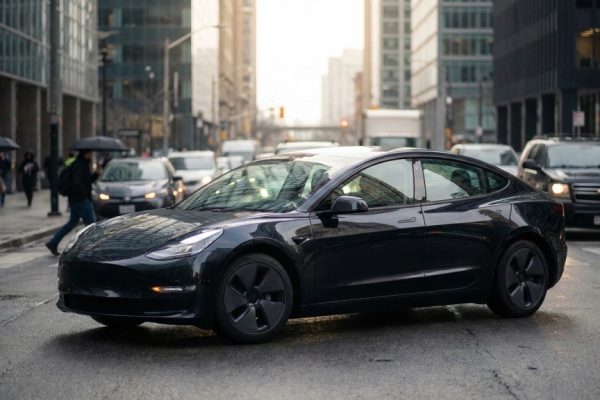
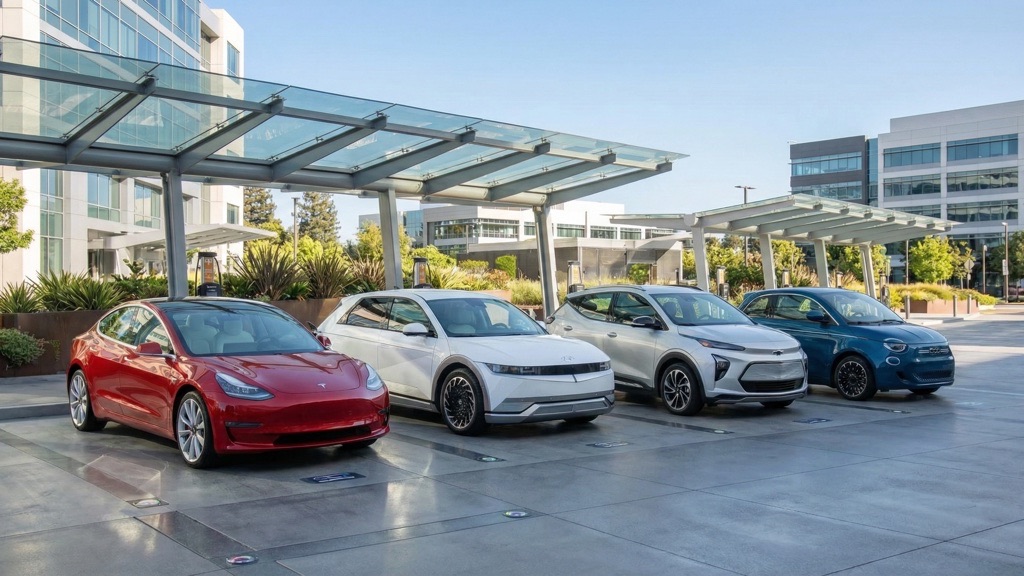
Best Overall Urban EV: Tesla Model 3
Best Practical Value: Hyundai Kona Electric
Best Budget Option (Used): Chevrolet Bolt EUV
Best True City Compact (EU): Fiat 500e
If your daily driving is mostly urban, an EV is almost always the rational choice in 2026.
⚡ QUICK VERDICT
Best for: Short daily commutes, predictable routines, city-centered lifestyles
Not recommended for: High-mileage highway drivers without home charging
Ideal real-world range: 150–280 miles
Biggest advantage: 3× lower cost per mile vs gas
Main drawback: Public charging dependence without a home setup
Overall rating for city use: 9.7 / 10
What Actually Matters in a City EV (And What Doesn’t)
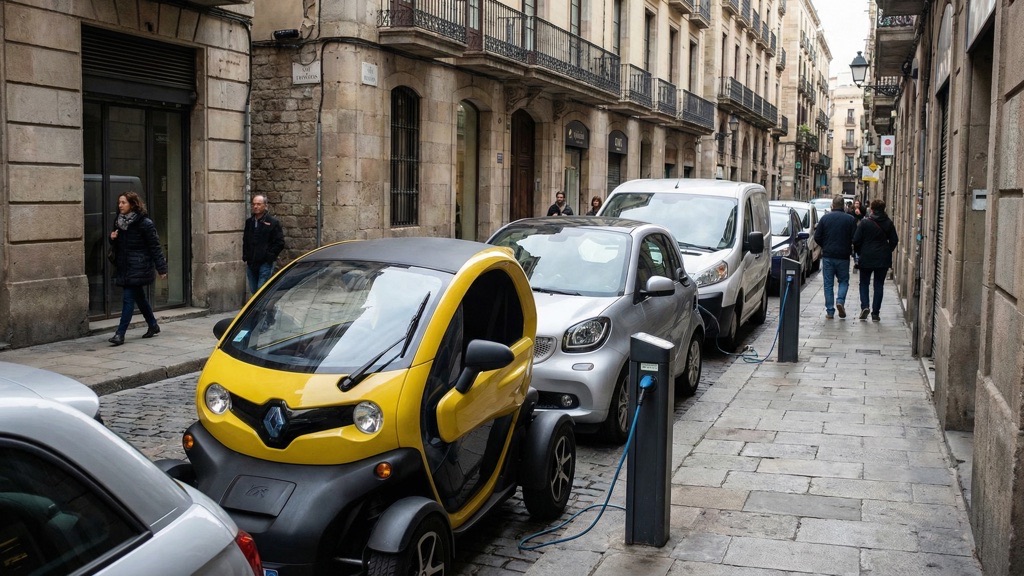
Most buyers focus on the wrong specs.
 Reviews
Electric Bike Buying Guide 2026 E-Bike Range Explained (Real vs Claimed)
Introduction “Up to 100 miles.” That’s what many e-bike spec sheets promise in 2026. In real riding — traffic, wind,...
 Cars
Cars
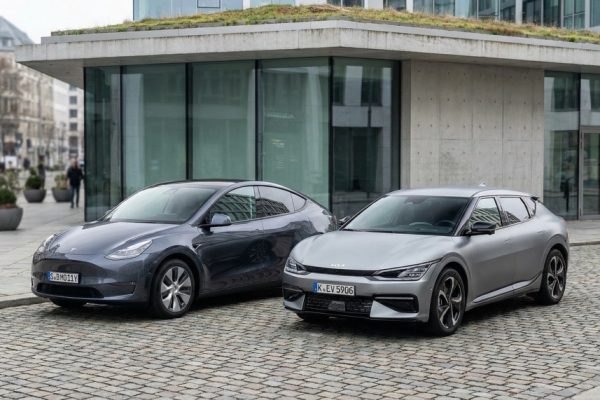
Tesla Model Y vs Kia EV6 (2026): Range, Charging, Price & Verdict
TL;DR Choose the Kia EV6 if you want superior charging speed, better real-world range efficiency, and a lower starting price....
 Reviews
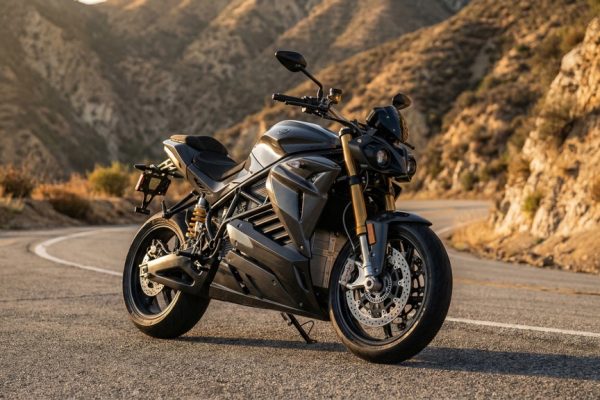
Energica Eva Ribelle Review (2024): Definitive Authority Test for Real Riders
🏍 Introduction TheEnergica Eva Ribelle is not a commuter EVV. It’s a 145 hp electric streetfighter built for riders who...
| Factor | Importance | Why It Matters in Cities |
|---|---|---|
| Efficiency (mi/kWh) | ⭐⭐⭐⭐⭐ | Traffic + regen = maximum benefit |
| Turning radius | ⭐⭐⭐⭐⭐ | Parking & narrow streets |
| Vehicle size | ⭐⭐⭐⭐ | Maneuverability matters |
| Battery size | ⭐⭐⭐ | Bigger often unnecessary |
| DC fast charging | ⭐⭐ | Rarely used daily |
| 0–60 mph | ⭐ | Largely irrelevant in traffic |
Hard truth: A 42–65 kWh battery is ideal for most urban drivers.
🏆 1. Tesla Model 3 (2026) – The Urban Benchmark
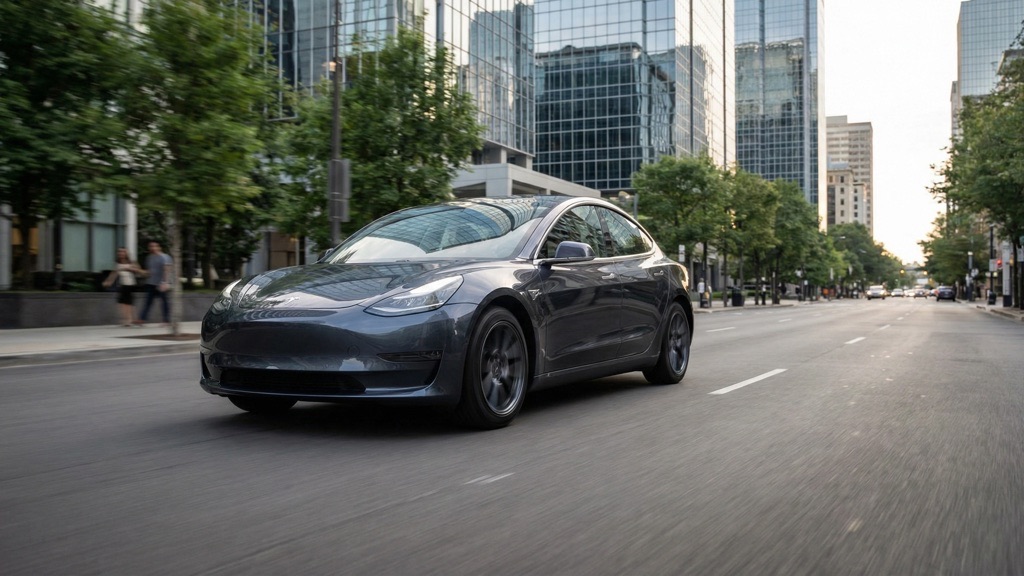
Still the reference point.
📊 Key Specifications
| Specification | Value |
|---|---|
| Battery capacity | ~60–82 kWh |
| Real-world city range | 270–310 miles |
| EPA range | Up to 341 miles |
| DC fast charging | Up to 250 kW |
| 0–60 mph | 4.9–5.8 sec |
| Drivetrain | RWD / AWD |
| Starting price | ~$38,000 |
Real-World City Behavior
- Extremely efficient in stop-and-go
- One-pedal driving is intuitive
- Software remains class-leading
- US charging reliability advantage
Where It’s Overkill
- Larger than true compact city cars
- Premium pricing if you drive <15 miles daily
Expert verdict: If budget allows and you want zero compromises, this remains the safest all-around EV purchase.
🥈 2. Hyundai Kona Electric (2026) – The Smart Money Choice
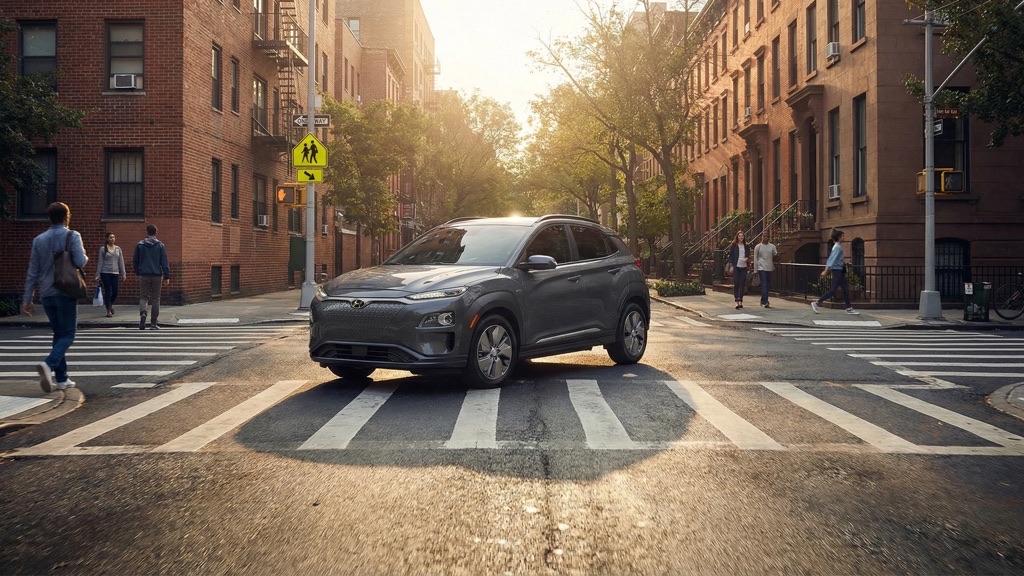
The Kona is what most people should buy — even if it’s not the most exciting.
📊 Key Specifications
| Specification | Value |
|---|---|
| Battery capacity | 48.4 / 65.4 kWh |
| Real-world city range | 240–300 miles |
| EPA range | Up to 261 miles |
| DC fast charging | ~100 kW |
| 0–60 mph | ~7.0 sec |
| Drivetrain | FWD |
| Starting price | ~$33,000 |
Why It Works
- Right-sized battery
- Comfortable over broken city roads
- Strong efficiency
Limitation
- Average fast charging speed
- No AWD
Expert verdict: For 90% of urban buyers, this is the most rational purchase.
🥉 3. Chevrolet Bolt EUV (Used) – Urban Value Champion
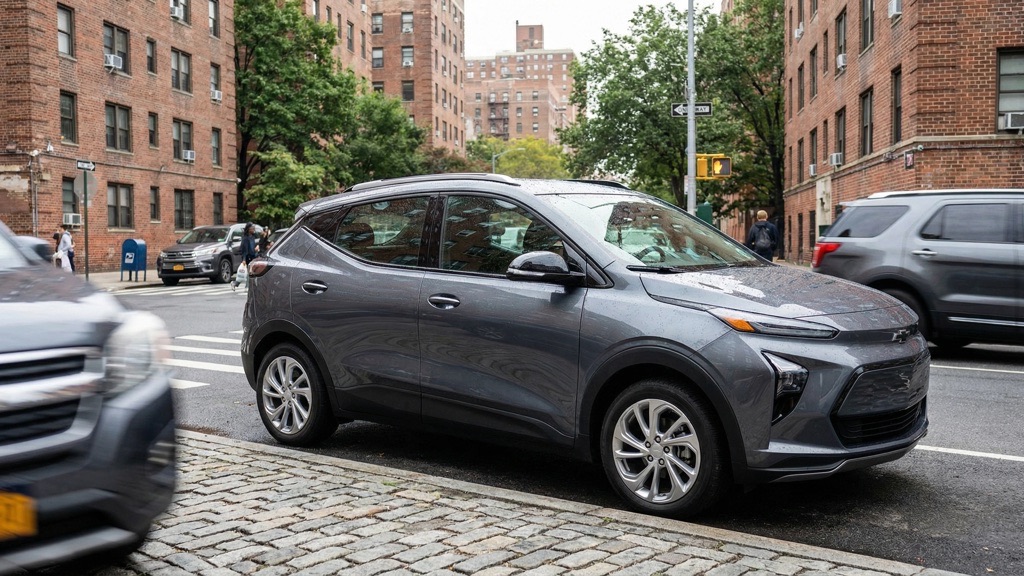
Discontinued, but still one of the smartest used EV buys.
📊 Key Specifications
| Specification | Value |
|---|---|
| Battery capacity | 65 kWh |
| Real-world city range | 240–260 miles |
| EPA range | 247 miles |
| DC fast charging | 55 kW |
| 0–60 mph | ~7.0 sec |
| Drivetrain | FWD |
| Used price | ~$15,000–$20,000 |
Expert verdict: With home charging, this delivers unbeatable value under $20k.
🏙 4. Fiat 500e (2024) – Built for European Density
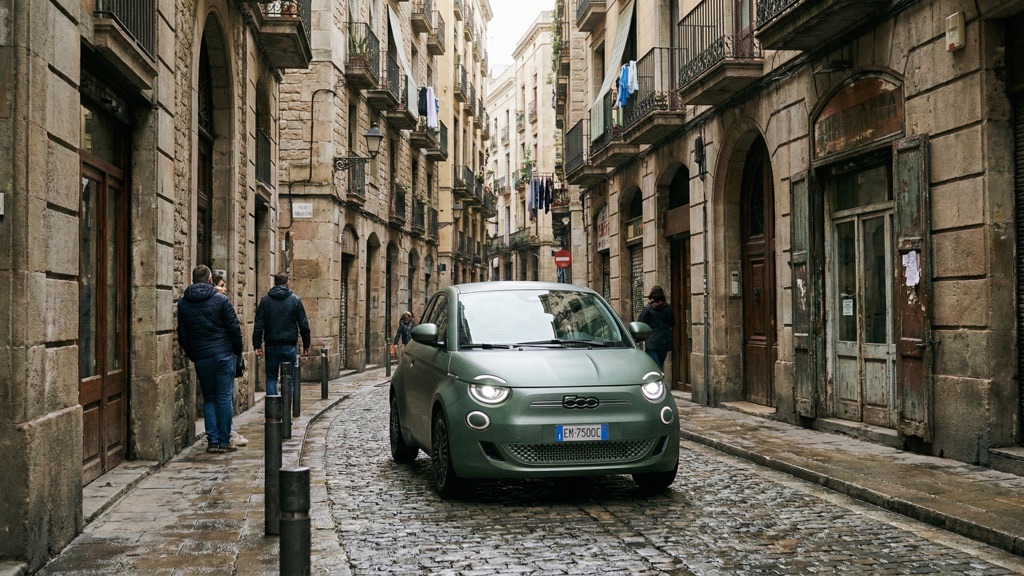
This is a real city car.
📊 Key Specifications
| Specification | Value |
|---|---|
| Battery capacity | 42 kWh |
| Real-world city range | 160–190 miles |
| WLTP range | 199 miles |
| DC fast charging | 85 kW |
| 0–60 mph | ~8.5 sec |
| Drivetrain | FWD |
| Starting price | ~€30,000 |
Expert verdict: In tight European cities, this makes more sense than a large electric SUV.
⚖️ Competitor Comparison Table
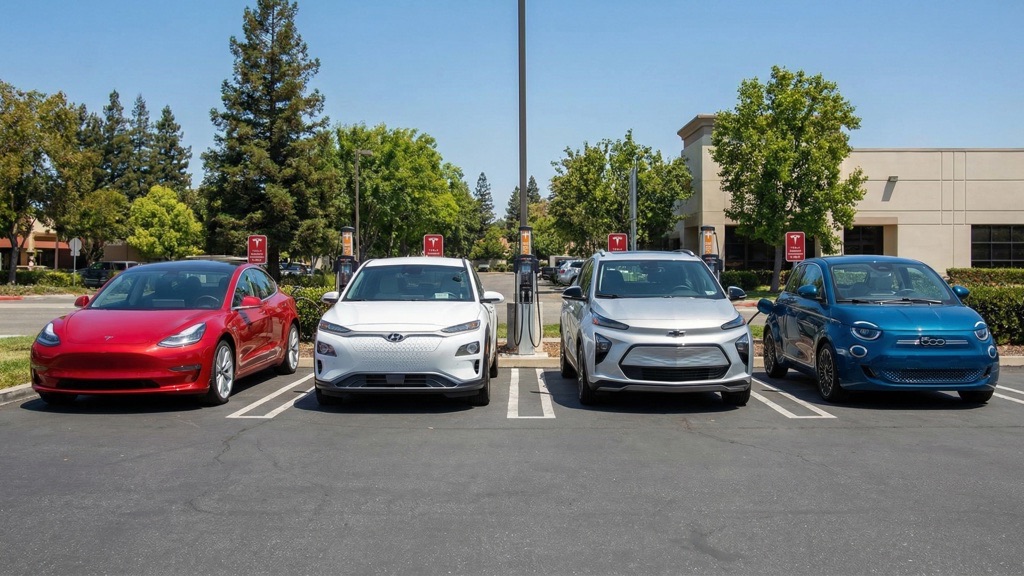
| Model | Real Range | Charging | Price | Key Difference |
|---|---|---|---|---|
| Tesla Model 3 | 270–310 mi | 250 kW | $38k | Best ecosystem |
| Hyundai Kona Electric | 240–300 mi | 100 kW | $33k | Best balance |
| Chevy Bolt EUV | 240–260 mi | 55 kW | $15–20k | Best used value |
| Fiat 500e | 160–190 mi | 85 kW | €30k | True compact |
💰 5-Year Ownership Reality (City Use Example)
Assuming 10,000 miles/year.
| Category | Gas Car | Efficient EV |
|---|---|---|
| Fuel/Electricity | ~$1,200/year | ~$400/year |
| Maintenance | Higher | Lower |
| 5-Year Energy Cost | ~$6,000 | ~$2,000 |
| Oil Changes | Yes | No |
Even conservative estimates show EV ownership is significantly cheaper in city use.
👍 Pros of City EV Ownership
- 3× lower energy cost per mile
- Smoother traffic driving
- Less maintenance
- Better low-speed efficiency
👎 Cons
- Public charging logistics if no home setup
- Higher upfront price
- Infrastructure variability (EU vs US differences)
🧠 FINAL EXPERT VERDICT
🔹 SHORT VERDICT
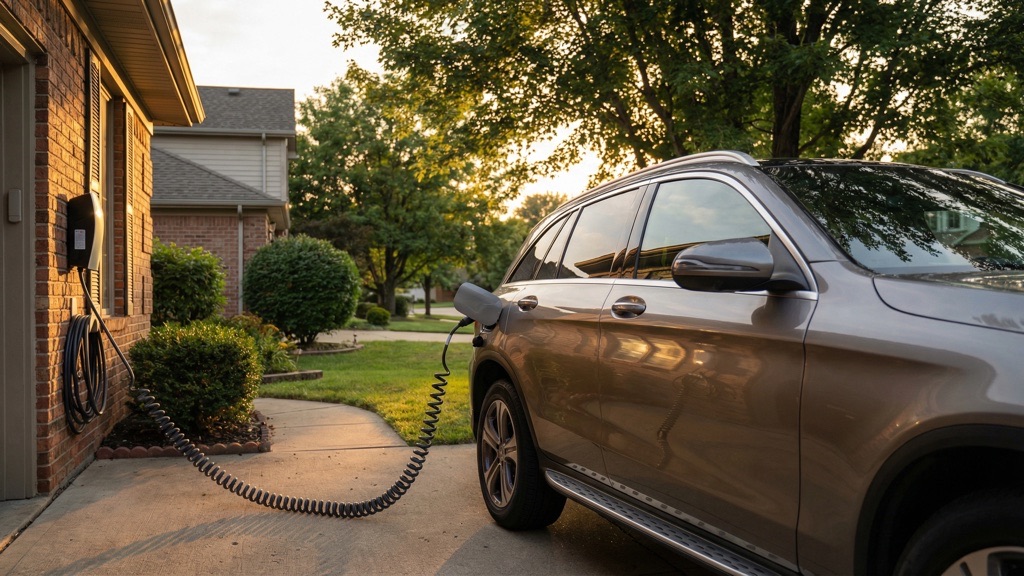
If you drive mainly in the city and can charge at home, buy an EV. No hesitation.
If you cannot reliably charge and drive long highway distances weekly, think carefully.
🔹 DETAILED VERDICT
For urban lifestyles, EVs are not just environmentally better — they are economically superior.
- Under $20k → Used Bolt EUV
- $30–40k → Kona Electric
- Premium but safe bet → Model 3
- Dense EU city → Fiat 500e
The mistake most buyers make is buying too much battery and too much car.
Choose efficiency. Choose practicality. Choose based on daily miles — not marketing claims.
FAQ – Urban EV Questions
Do I need 300 miles of range for city driving?
No. 150–250 miles is sufficient for most urban users.
Is fast charging important?
Only if you rely on public infrastructure frequently.
Are EVs cheaper long-term?
Yes, especially in low-mileage city scenarios.
What about winter range loss?
Cold weather reduces range, but city distances are usually short enough to remain unaffected in daily use.
Are small EVs safe?
Modern EVs meet strict safety standards across the US and EU markets.