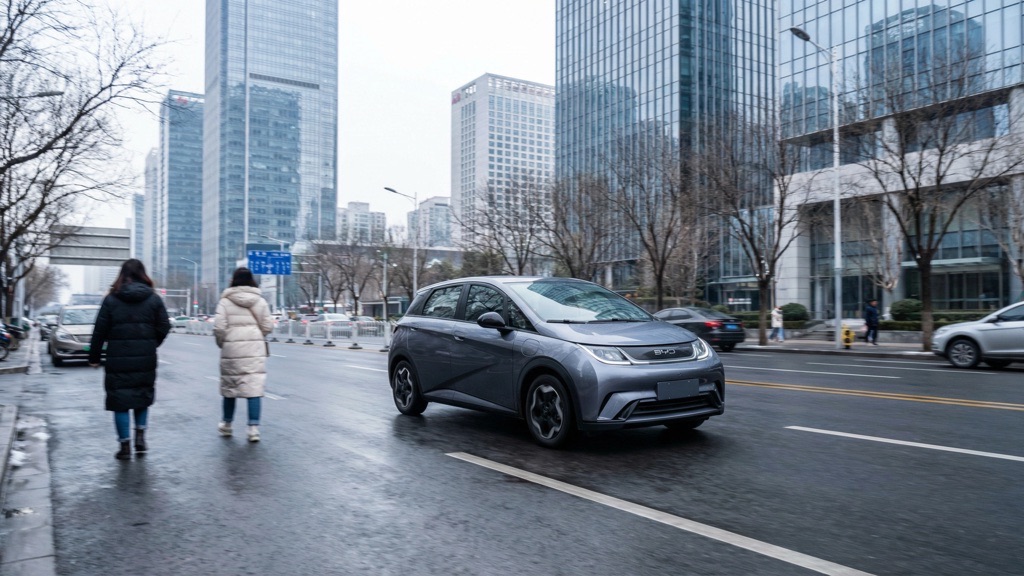
BYD’s hatchback EVs dropped to 4th place in China’s January 2026 sales rankings with 5,200 units sold, overtaken by Geely Geometry (12,400 units), Changan Lumin (11,900 units), and SAIC-GM-Wuling Mini (9,100 units). This marks a significant shift in the competitive hatchback segment amid BYD’s overall domestic NEV sales decline of 30.7% to 210,051 units, though exports hit a record 100,009 units, up 43% year-over-year.
Despite retaining the top spot in total NEV sales in China, BYD’s hatchback lineup struggled as rivals captured more market share in this affordable urban mobility category. Readers tracking China’s EV market should note this as a signal of intensifying competition in entry-level segments, where price sensitivity and model refreshes drive buyer choices.
BYD’s Rise and Current Market Position
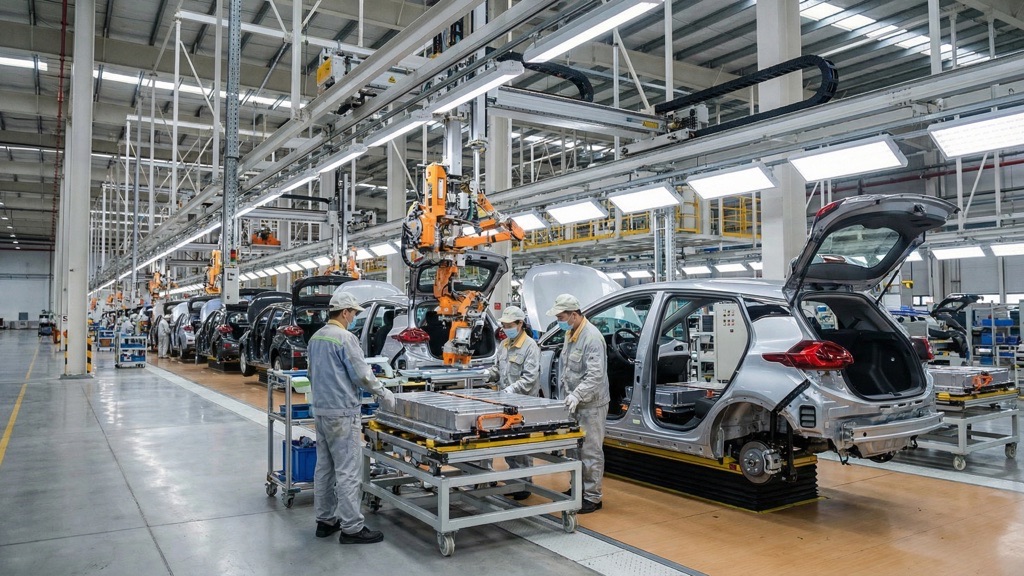
BYD Auto, founded in 1995 as a battery manufacturer, entered vehicle production in 2003 and pivoted fully to new energy vehicles (NEVs) by 2022, phasing out internal combustion engine models. The company dominates globally with its Blade Battery technology and vertical integration, achieving over 3 million NEV sales in 2025. In China, BYD held a commanding lead in NEV retail, but January 2026 exposed vulnerabilities.
Geely Auto Group, BYD’s closest rival, leverages brands like Geometry, Zeekr, and Lynk & Co. Geely reported strong growth, with domestic deliveries potentially surpassing BYD’s China-only NEV sales of around 105,000-110,000 units after subtracting exports. Overall, China’s NEV retail penetration fell to 44.4% in January from 60.4% prior, totaling about 800,000 units, due to subsidy reductions and Lunar New Year timing.
BYD’s total January NEV sales of 210,051 units placed it first domestically, ahead of Geely’s 124,252 NEVs, but Geely’s ICE sales pushed its total to 270,167 units, making it China’s largest automaker overall for the month. Exports now represent nearly 48% of BYD’s volume, with 100,482 units shipped, including over 1,000% growth in Germany.
 Cars
Cars
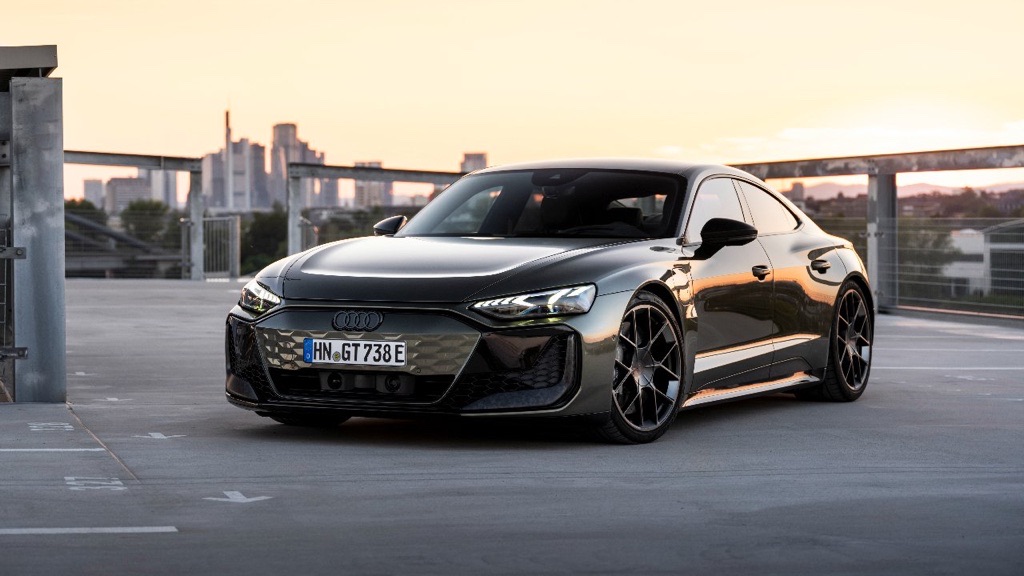
2025 Audi RS e-tron GT: Electrifying Performance Meets Luxury
Breaking Boundaries: Audi’s Electric Masterpiece Audi has redefined the electric performance sedan with the 2025 RS e-tron GT – a...
 Cars
Cars
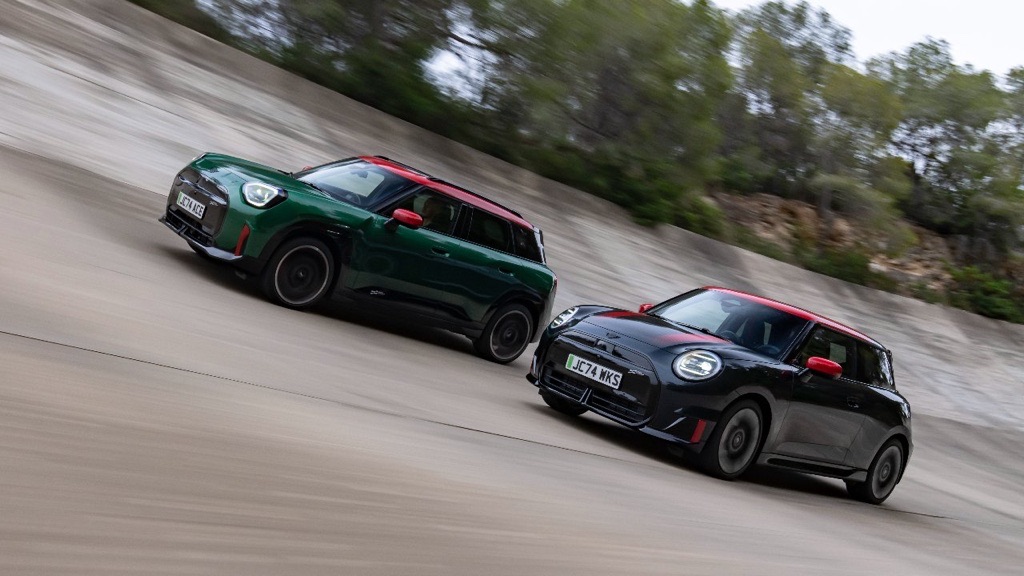
Mini Goes Full Electric JCW: Fast, Fun, and Ready for the Future!
Mini is stepping up its game in the world of electric vehicles (EVs) by giving us John Cooper Works (JCW)...
 Cars
Cars
Alpine Teases an Electric A110 as the Brand Turns 70 and Ends the ICE Era
The iconic French sports car brand Alpine is marking its 70th anniversary with a decisive shift into a fully electric...
Key Specifications: Top Hatchback EV Performers in January 2026

China’s hatchback EV segment saw fierceGeely Geometry reclaiming the leadreclaiming the lead. Below is a table of the top models based on verified January sales data.
| Rank | Brand/Model | January 2026 Sales (Units) | YoY Change | Key Features |
|---|---|---|---|---|
| 1 | Geely Geometry | 12,400 | +XX% (details not yet confirmed) | Affordable urban EV, strong domestic appeal |
| 2 | Changan Lumin | 11,900 | +XX% (details not yet confirmed) | Compact design, price-competitive |
| 3 | SAIC-GM-Wuling Mini | 9,100 | +XX% (details not yet confirmed) | Mini EV specialist, high volume in low-price tier |
| 4 | BYD (Dolphin/Qin Plus Hatchback) | 5,200 | -XX% (details not yet confirmed) | Blade Battery, but lost share to rivals |
Note: Exact YoY changes for hatchback models not fully detailed in sources; overall BYD NEV sales down 30.7%.
Analysis: What Drove BYD’s Hatchback Decline?
BYD’s hatchback sales slump to 5,200 units reflects broader January trends: a 30-50% drop in domestic NEVs due to post-year-end rush normalization, subsidy cuts narrowing EV cost advantages, and Lunar New Year distractions. The Dolphin and Qin Plus hatchback variants faced stiffer competition from Geely’s Geometry, which emphasizes affordability, and Changan’s Lumin, targeting budget buyers.[source primary]
BYD’s highest repurchase rate—30.55% for the brand, 45% group-wide—signals strong loyalty, outpacing Geely (25.55%) and Tesla. However, segment-specific weakness suggests buyers shifted to fresher designs or hybrids, with BYD PHEV sales declining for 10 months amid saturation.
Export Boom Masks Domestic Challenges
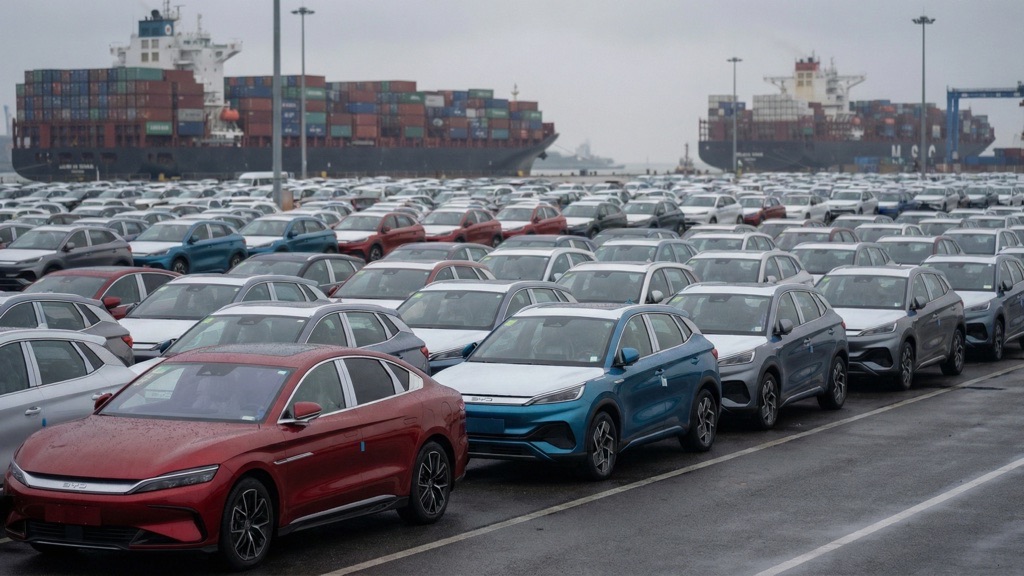
BYD’s exports of 100,009 units (up 43.3% YoY) outpaced domestic sales for the first time, fueled by Europe (e.g., Germany up 1,000%) and emerging markets. Overseas target for 2026: 1.3 million units, rivaling Chery’s 2025 export scale. This diversification cushions China’s volatility but raises questions about sustaining premium pricing abroad amid tariffs.
Critically, data discrepancies exist: BYD reports “sales” (177,522 NEVs), Geely “deliveries,” complicating direct comparisons. Ride-hailing fleet sales may inflate BYD figures, per analyst notes.
Comparison: BYD vs. Key Rivals in NEV Retail
| Brand | January 2026 Domestic NEV Retail (Units) | Overall NEV Sales (incl. Exports) | Strengths |
|---|---|---|---|
| BYD | 94,176 | 210,051 | Export growth, battery tech, loyalty |
| Geely | 92,135 | 124,252 NEVs + ICE | Hatchback lead, hybrid options |
| HarmonyOS Mobility | 57,915 | N/A | Tech integration (Huawei) |
| Xiaomi | >39,000 | >39,000 | YU7 model surge |
Verdict

BYD’s hatchback EV ousting from China’s top 3 underscores segment-specific risks despite overall NEV leadership and export resilience—ideal for investors eyeing global expansion but wary of domestic saturation. This suits urban commuters prioritizing rivals’ value; BYD owners loyal to its ecosystem may stick, but unanswered questions linger on February data and Geely’s export splits. Watch for BYD’s response via new models or pricing.