
TL;DR
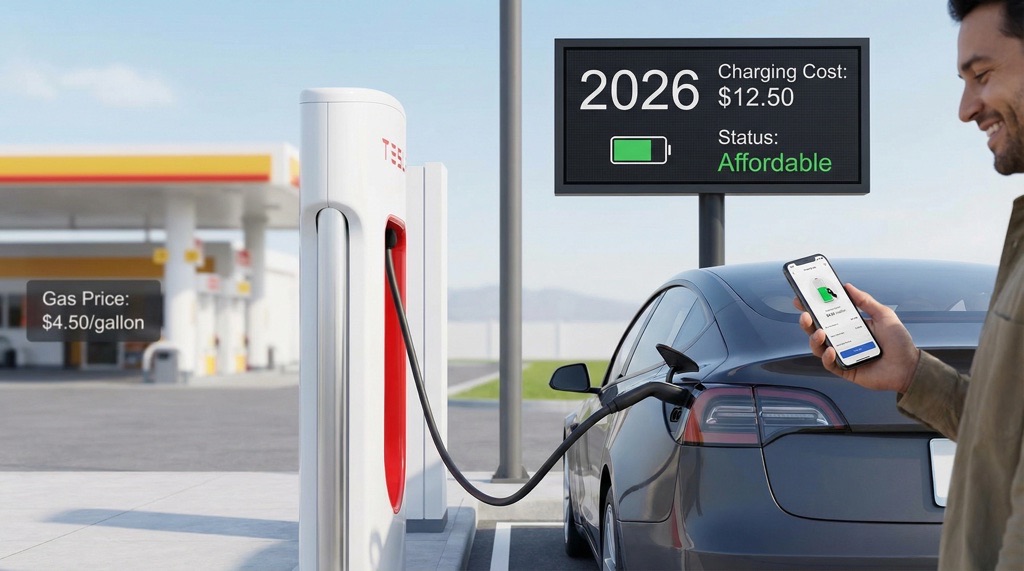
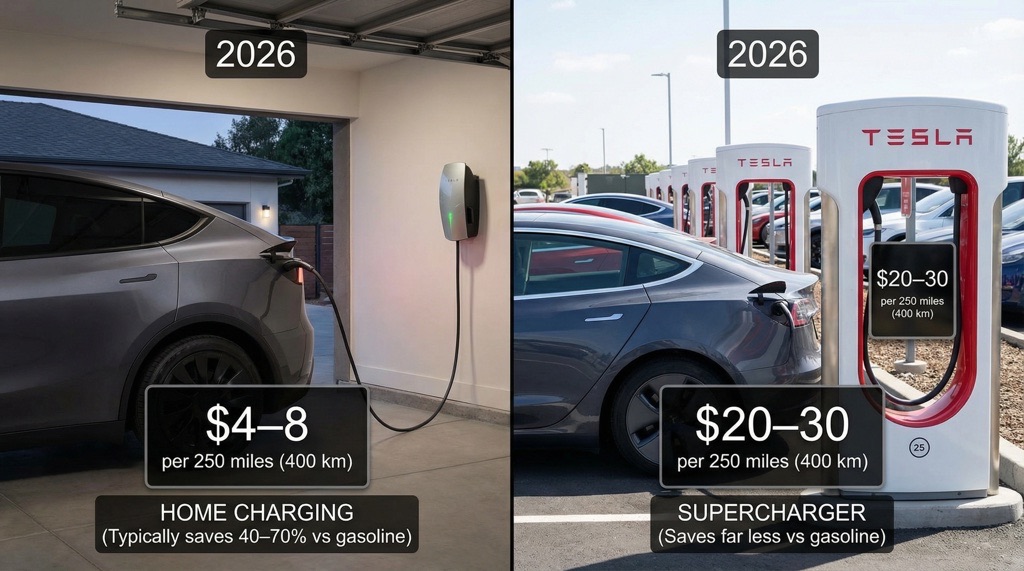
In 2026, how much it costs to charge a Tesla depends almost entirely on where you charge. Expect $4–8 per 250 miles (400 km) at home and $20–30 at Superchargers. Owners with home charging typically save 40–70% vs gasoline, while those relying only on fast charging save far less.
Introduction
“How much does it cost to charge a Tesla?” is one of the most searched EV questions — and also one of the most misunderstood. The short answer is simple: charging cost is driven by electricity prices, not by Tesla itself.
This article breaks down the real cost to charge a Tesla in 2026: per mile, per month, by model, at home, and at Superchargers — using realistic electricity prices and real-world consumption, not brochure numbers.
What Determines the Cost to Charge a Tesla?
Five variables matter more than anything else:
- Electricity price ($/kWh)
- Charging location (home vs public DC)
- Tesla model efficiency
- Driving style and climate
- Time-of-use tariffs
The car matters — but electricity pricing matters more.
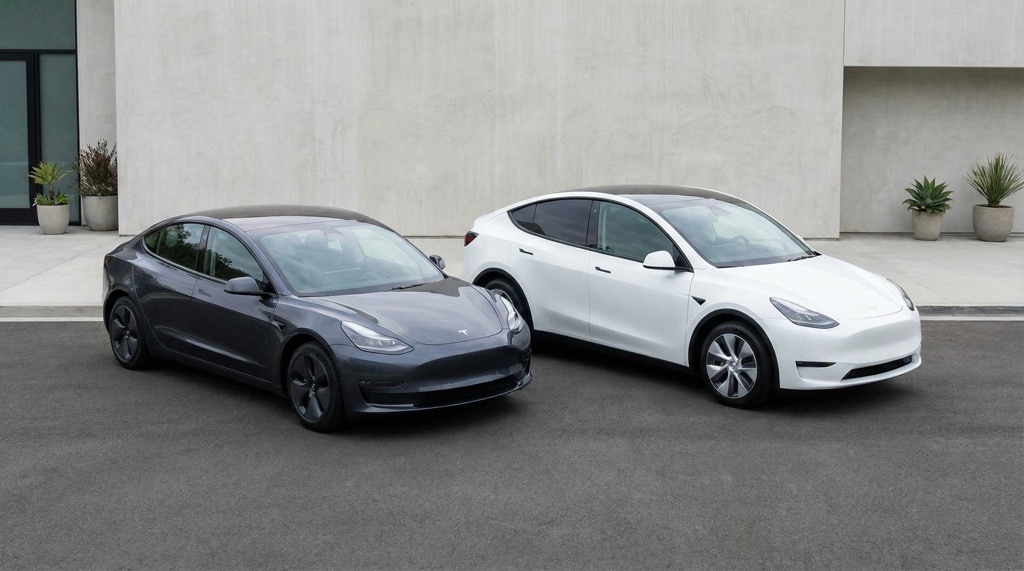
Tesla Energy Consumption by Model (Real World)
| Model | Average Consumption |
|---|---|
| Tesla Model 3 | 14–16 kWh / 100 km |
| Tesla Model Y | 16–18 kWh / 100 km |
| Tesla Model S | 18–20 kWh / 100 km |
| Tesla Model X | 20–22 kWh / 100 km |
Smaller, lighter Teslas are noticeably cheaper to charge.
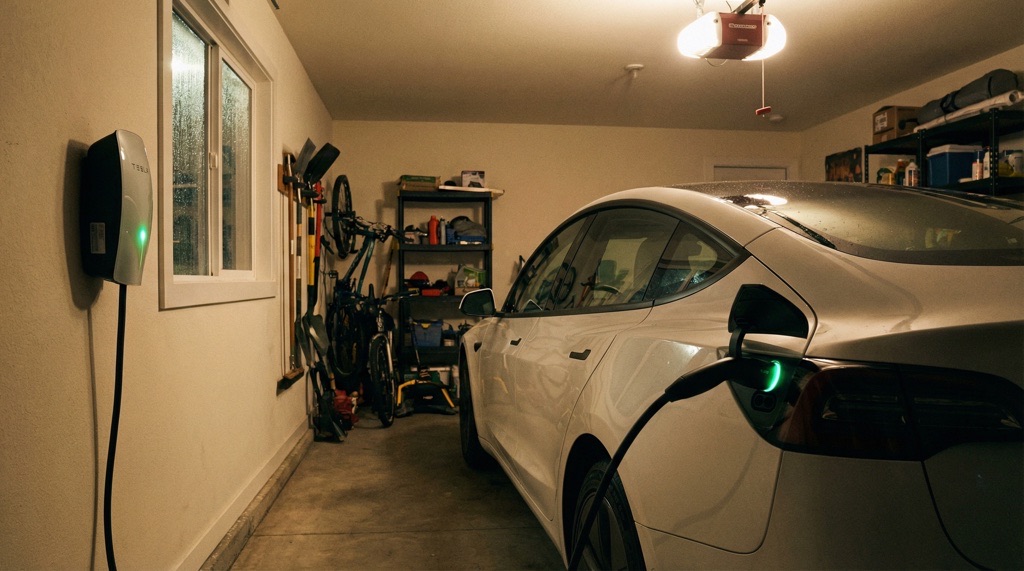
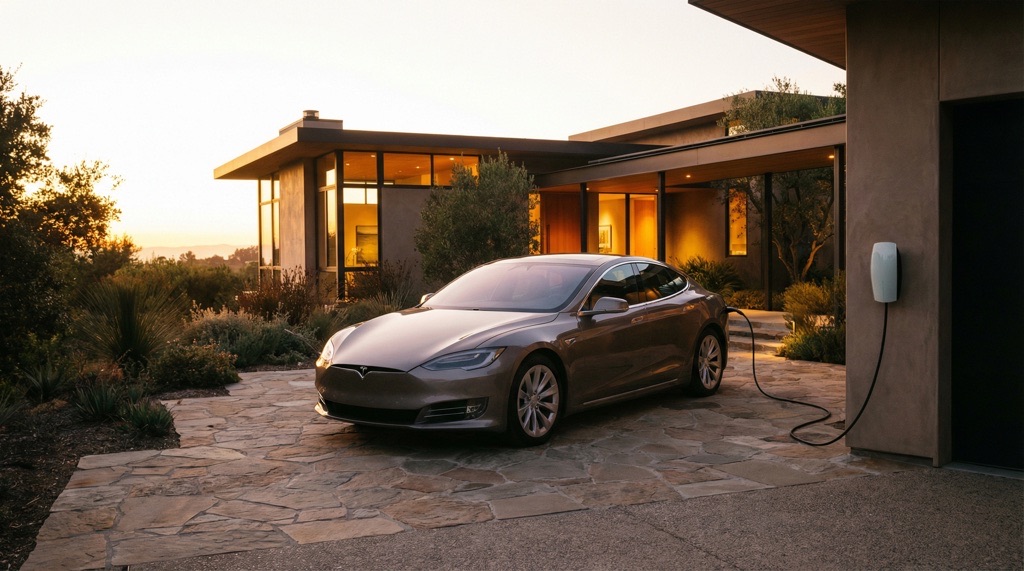
How Much Does It Cost to Charge a Tesla at Home?
Average Home Electricity Prices (2026)
- USA: $0.13–0.18 per kWh
- Europe: €0.25–0.35 per kWh
- Off-peak rates: often 30–50% cheaper
Home Charging Cost Example (Model Y)
- Energy for 250 miles (400 km): ~70 kWh
- Electricity price: $0.15 / kWh
- Total cost: ~$10.50
That’s equivalent to driving a gasoline car at roughly $1.30–1.50 per gallon.
 Tips & Tricks
Why Electric Cars Lose Range: Everything You Need to Know (2026 Guide)
TL;DR — Direct Answer Electric cars lose range mainly because of cold weather, high speeds, driving style, tire resistance, and...
 Tips & Tricks
How to Properly Charge an Electric Car: Everything You Need to Know (2026 Guide)
TL;DR — Quick Answer Properly charging an electric car means avoiding frequent 100% charges, limiting fast charging, and keeping the...
 Tips & Tricks
Self-Driving Electric Cars: Everything You Need to Know (2026 Guide)
TL;DR Yes — self-driving systems in modern electric cars can significantly improve safety, especially on highways. However, nearly all consumer...
Cost to Charge a Tesla Per Mile
| Charging Method | Cost per Mile |
|---|---|
| Home charging (off-peak) | $0.03–0.05 |
| Home charging (standard) | $0.05–0.07 |
| Tesla Supercharger | $0.08–0.12 |
| Gasoline car (30 mpg) | $0.15–0.20 |
This is where Tesla ownership makes financial sense: home charging is dramatically cheaper per mile.
How Much Does It Cost to Charge a Tesla Per Month?
Typical Monthly Driving Costs
| Monthly Distance | Model 3 | Model Y |
|---|---|---|
| 1,000 km (620 mi) | $25–30 | $30–35 |
| 1,500 km (930 mi) | $35–45 | $45–55 |
| 2,000 km (1,240 mi) | $50–60 | $60–70 |
For most owners, monthly charging costs are lower than a single gasoline fill-up per week.
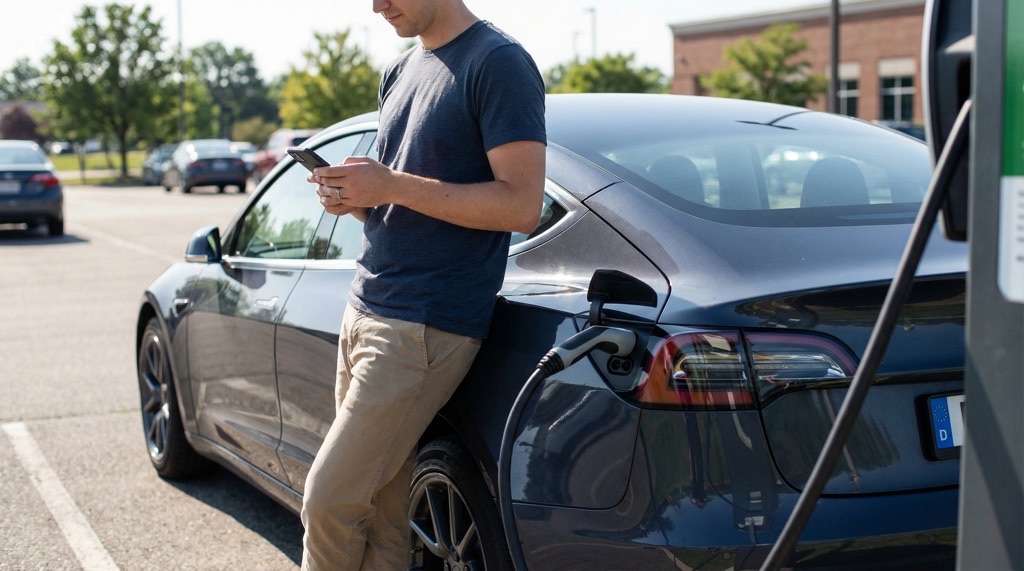
How Much Does It Cost to Charge a Tesla at Superchargers?
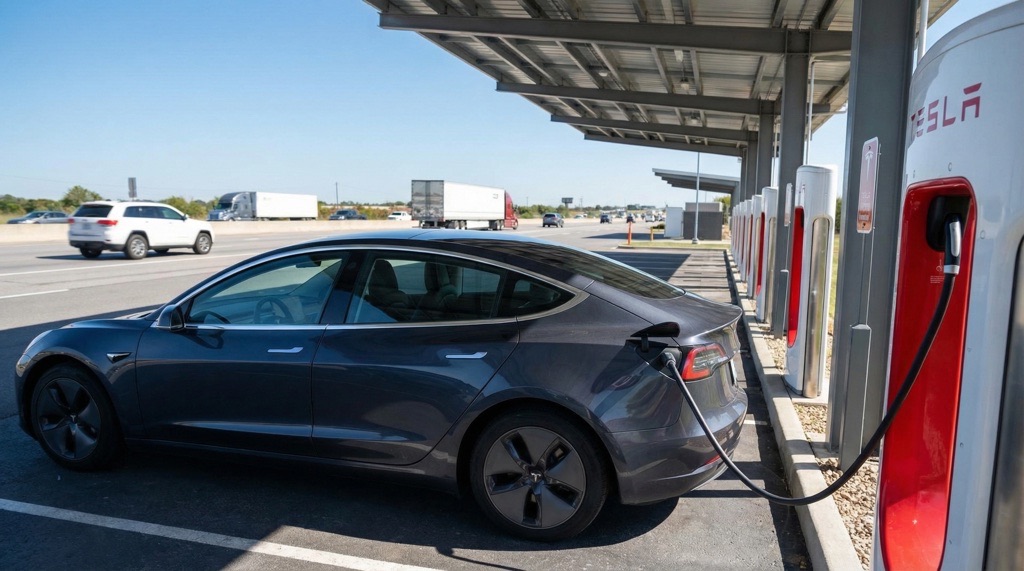
Tesla Supercharger pricing is location- and time-dependent.
Typical Supercharger Prices (2026)
- USA: $0.30–0.45 per kWh
- Europe: €0.40–0.60 per kWh
Supercharger Cost Example (Model Y)
- Energy: ~70 kWh
- Price: $0.40 / kWh
- Total cost: ~$28
Supercharging is convenient — but 2–4× more expensive than home charging.
Tesla Charging Cost vs Gasoline
| Vehicle Type | Cost per 250 miles |
|---|---|
| Tesla (home charging) | $6–10 |
| Tesla (Supercharger) | $20–30 |
| Gasoline car (8 L/100 km) | $45–55 |
Even at Supercharger prices, Teslas usually remain cheaper than gasoline — but home charging delivers the real savings.
Does It Cost More to Charge a Tesla in Winter?
Yes — but not dramatically.
- Winter energy use increases 10–25%
- Battery heating adds overhead
- Short trips are less efficient
Even in cold climates, Teslas remain cheaper to operate than comparable ICE vehicles.
Used Tesla Buyers: Charging Cost Reality
Used Teslas cost the same to charge as new ones.
Key points:
- Battery degradation slightly increases consumption
- Charging efficiency remains high
- Electricity price matters more than battery age
For used buyers, the charging cost is not a risk factor.
Free and Ultra-Low-Cost Charging Scenarios
Some owners pay almost nothing thanks to:
- Home solar
- Workplace charging
- Apartment or retail chargers
- Legacy free Supercharging (older Model S/X)
These scenarios are rare but significantly reduce total ownership cost.
Expert Insight
Based on real-world owner data, Tesla charging costs are consistently lower than gasoline for drivers with home charging access. Public fast charging narrows the gap but rarely eliminates it. The financial logic of Tesla ownership starts — or collapses — at the charging plug.
Final Verdict
So, how much does it cost to charge a Tesla?
For most owners in 2026, significantly less than driving a gasoline car, as long as home charging is available. Superchargers are convenient but expensive. The real financial advantage of Tesla ownership begins the moment you plug in at home.
FAQ
How much does it cost to fully charge a Tesla?
$4–8 at home and $20–30 at Superchargers, depending on electricity prices and model.
Is it cheaper to charge a Tesla at night?
Yes. Off-peak rates can reduce charging costs by 30–50%.
Is Supercharging more expensive than gas?
Usually no, but in high-price regions it can approach gasoline costs.
What is the cheapest way to charge a Tesla?
Home charging with off-peak electricity or solar power.
Do Teslas charge for free?
Only some older models with legacy free Supercharging.