XPeng’s Flagship GX SUV Enters Final Regulatory Phase With Level 4 Autonomous Capability
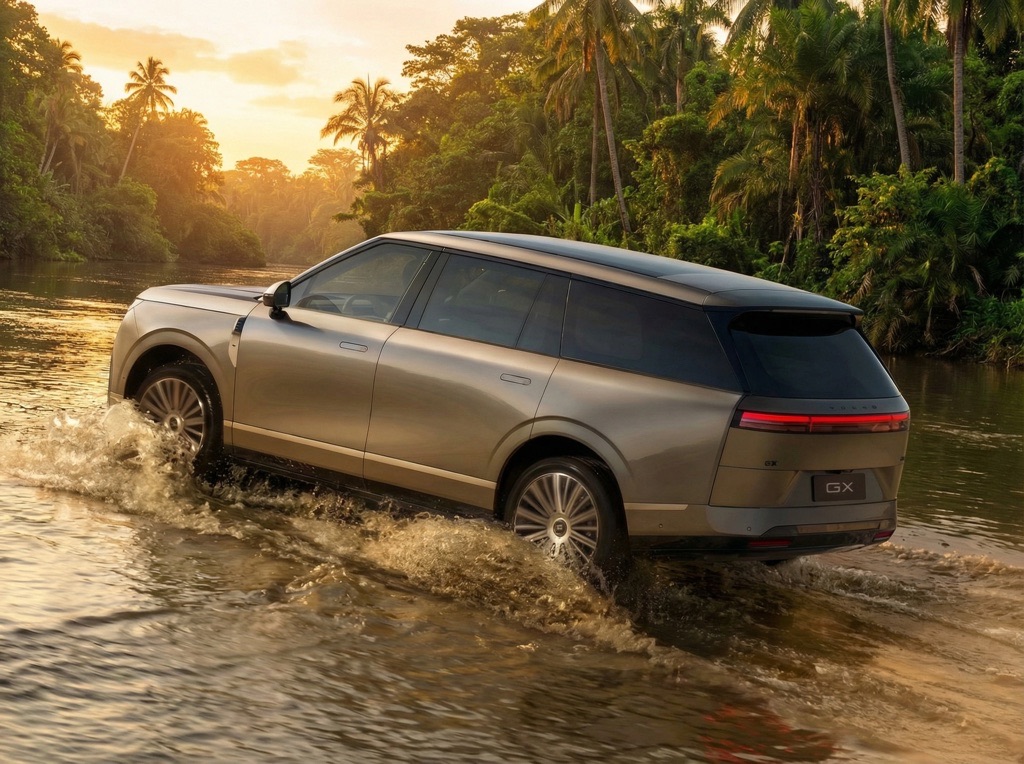
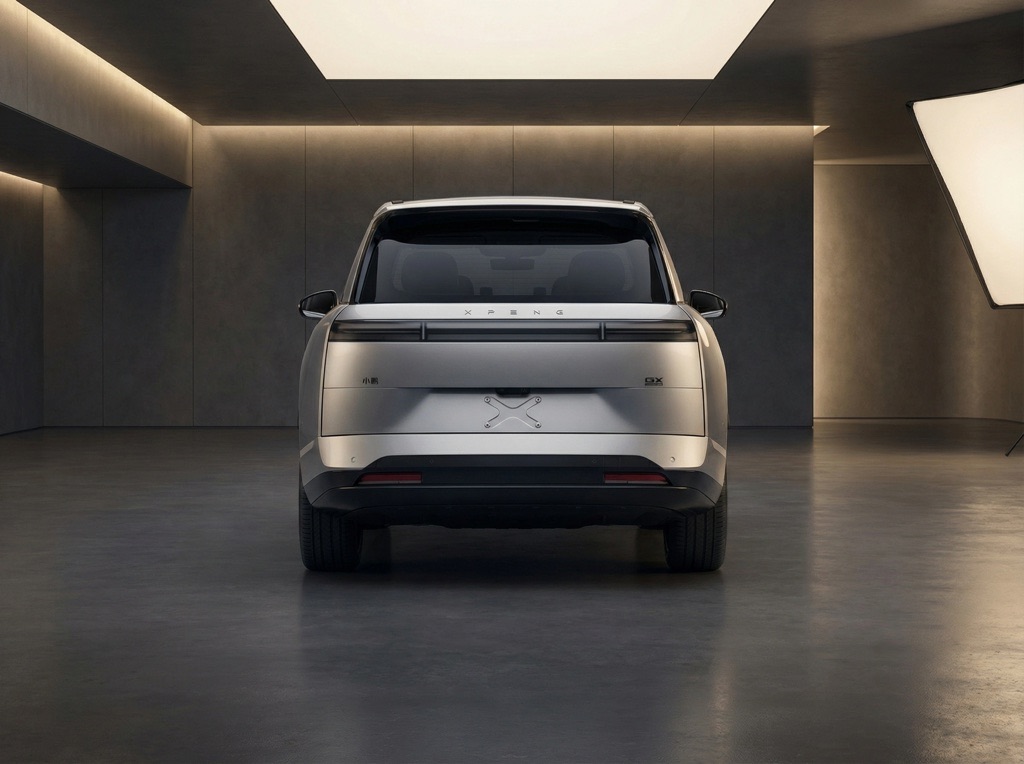
XPeng has officially filed its flagship GX SUV with China’s Ministry of Industry and Information Technology (MIIT), marking the vehicle’s entry into the final regulatory approval stage before market launch. The three-row, six-seat SUV represents the brand’s most ambitious flagship yet, combining Range Rover-inspired styling with advanced autonomous driving hardware and flexible powertrain options designed to address real-world concerns about long-distance travel and charging infrastructure.
The timing is strategic. XPeng delivered 429,445 vehicles in 2025—more than double the prior year—but January 2026 saw deliveries drop to 20,011 units amid a broader market slowdown in China. The GX is positioned as a premium offering to help the brand reach its 600,000-vehicle annual target. CEO He Xiaopeng has confirmed the vehicle will launch “within months,” with sources indicating an April–May 2026 debut.
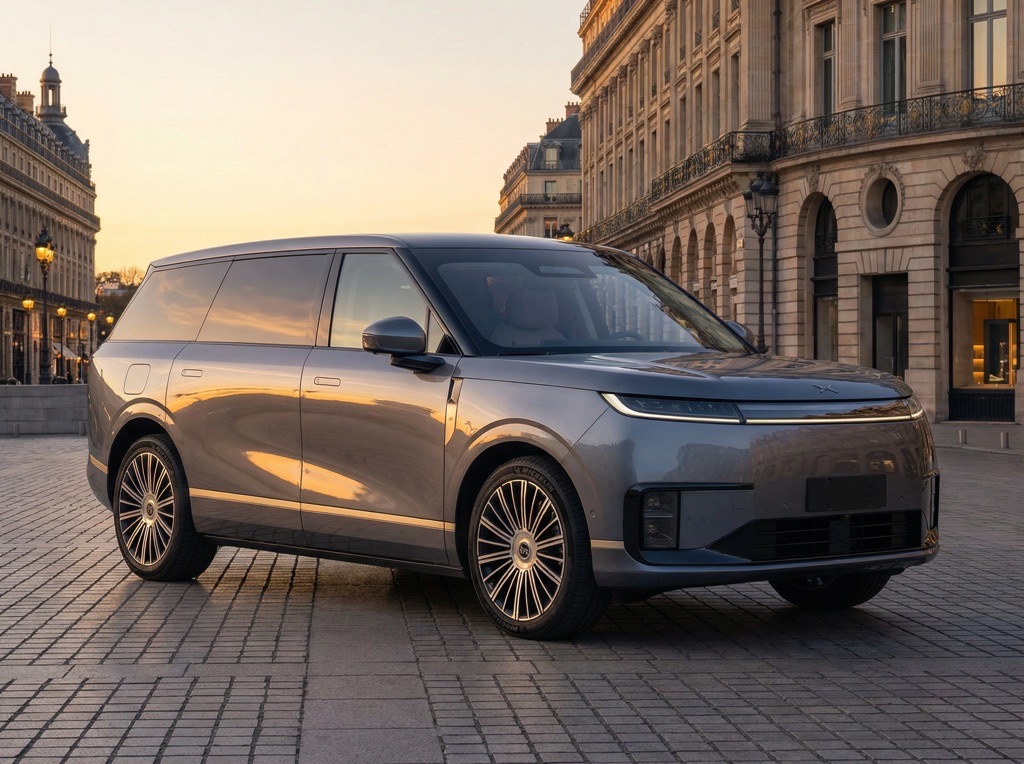
Dimensions and Design Philosophy
The GX measures 5,265 mm in length, 1,999 mm in width, and 1,800 mm in height, with a 3,115 mm wheelbase. This positions it squarely in China’s competitive large three-row SUV segment, competing directly with premium rivals including NIO’s ES9, Zeekr’s 9X, and AITO’s 9-series models.
XPeng has deliberately engineered the GX’s long wheelbase and extended rear overhang to preserve usable cargo space even with all three rows occupied—addressing a persistent complaint in existing large SUVs. The design prioritizes premium restraint over aggressive futuristic styling, with the Range Rover-inspired aesthetic reflecting broader industry trends toward classical luxury proportions.
Powertrain Options and Performance Specifications
| Configuration | Motor Output | Range Extender | Curb Weight | Top Speed | Battery Type |
|---|---|---|---|---|---|
| EREV RWD | 160 kW rear + 210 kW front | 1.5L, 110 kW | 2,840–2,890 kg | 200 km/h | LFP (CALB) |
| BEV RWD | 270 kW rear | None | 2,690 kg | 200 km/h | LFP or ternary lithium (CALB) |
| BEV AWD | 160 kW front + 270 kW rear | None | 2,750–2,820 kg | 200 km/h | LFP or ternary lithium (CALB) |
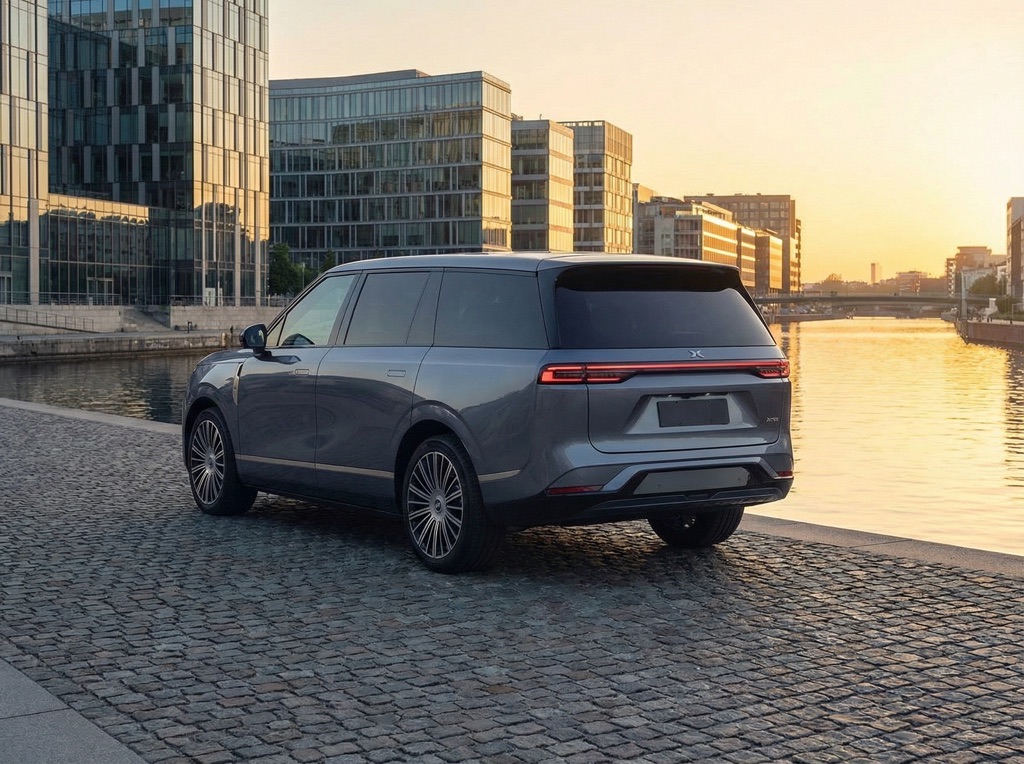
The GX will be offered in both battery-electric (BEV) and extended-range electric vehicle (EREV) configurations, with MIIT filings listing six distinct variants split evenly between powertrain types.
 Cars
Cars
Mercedes-Benz CLA Earns 94% Adult Protection Score to Claim Euro NCAP’s 2025 Best Performer Title
The all-new electric Mercedes-Benz CLA has been crowned Euro NCAP’s Best Performer of 2025, achieving a five-star rating with top...
 Cars
Cars
BMW i3 Enters Pre-Series Production: Electric 3-Series Launches Second Half 2026
BMW’s Electric 3-Series Reaches Critical Production Milestone BMW has begun pre-series production of its all-new i3 electric sedan at its...
 Cars
Cars
CATL’s 5C Battery Retains 80% Capacity After 3000 Cycles – 1.8 Million km Lifespan for Fast-Charging EVs
CATL’s new 5C ultra-fast charging battery maintains 80% capacity after 3000 full charge-discharge cycles, equivalent to 1.8 million kilometers of...
EREV models employ a 1.5-liter Harbin Dongan Auto Engine producing 110 kW as a range extender, functioning as an onboard generator to maintain battery charge during long journeys. The dual-motor electric drivetrain delivers 210 kW at the front and 160 kW at the rear, with MIIT data indicating a pure-electric driving range of 320 km (199 miles) for EREV variants. Despite the vehicle’s substantial mass—up to 2,890 kg for EREV models—both powertrains achieve a top speed of 200 km/h (124 mph).
Pure-electric variants offer greater flexibility. The RWD model uses a single 270 kW rear motor, while the AWD configuration adds a 160 kW front motor while retaining the 270 kW rear unit. BEV curb weights range from 2,690 kg to 2,820 kg, depending on battery configuration. All battery packs are supplied by CALB and utilize either lithium iron phosphate (LFP) or ternary lithium chemistry.
Level 4 Autonomous Driving and Advanced Hardware
The GX is equipped with four self-developed Turing AI chips delivering 3,000 TOPS of effective on-device computing power, enabling Level 4 autonomous driving capability within defined operational areas. XPeng is currently testing these systems in Guangzhou, validating perception, decision-making, and control across complex urban scenarios, including intersections, pedestrian avoidance, lane changes, overtaking, and parking maneuvers.
The vehicle eschews roof-mounted LiDAR in favor of vision-based autonomous driving architecture. Additional advanced features include steer-by-wire (eliminating the mechanical connection between the steering wheel and tires), rear-wheel steering for improved maneuverability, and an AI-powered chassis that adapts to driving conditions. The GX also incorporates 5C battery charging technology,y reportedly capable of adding significant range in minutes, and an AR head-up display replacing traditional instrument clusters.
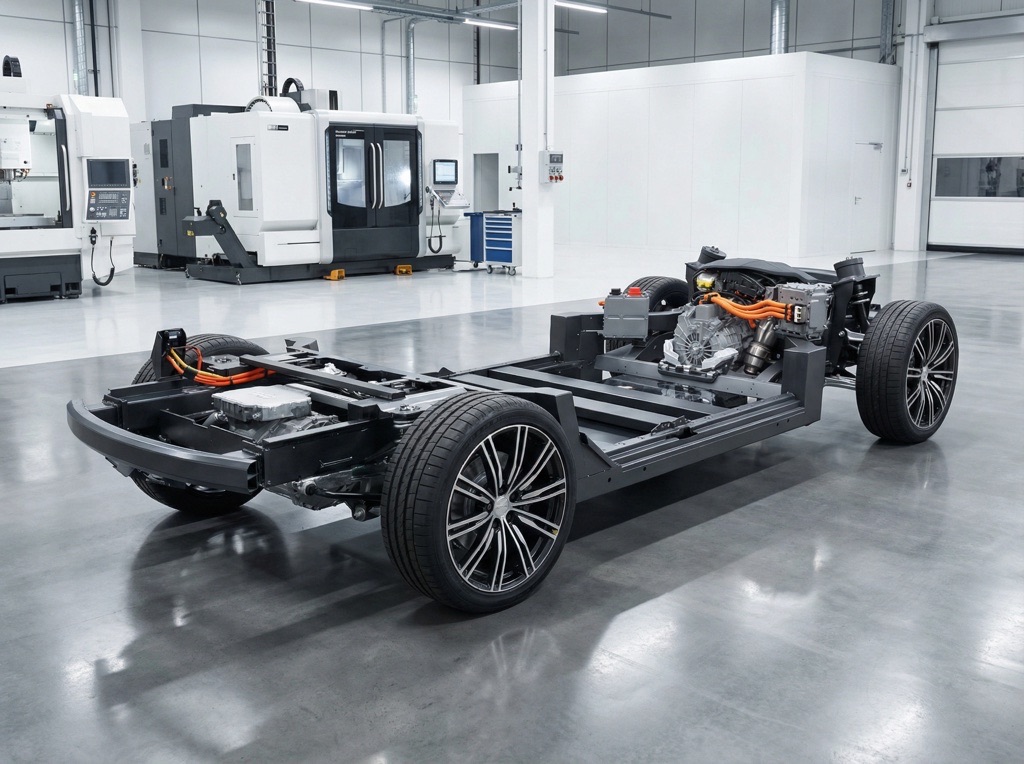
The vehicle is built on XPeng’s SEPA 3.0 Physical AI architecture, the company’s latest platform designed to integrate software, driver assistance systems, and autonomous capabilities. However, XPeng has not disclosed geographic limits or commercial rollout timelines for Level 4 functions.
Market Context and Competitive Position
The GX arrives as XPeng pivots toward extended-range technology, reflecting shifting buyer preferences in China regarding long-distance capability and charging convenience. This strategic positioning differs from competitors: while NIO and Zeekr emphasize pure-electric performance in their flagship three-row SUVs, XPeng is treating the GX as a purpose-built flagship rather than offering a fully electric twin, suggesting the EREV variant is central to the brand’s vision.
The vehicle will be manufactured at XPeng’s Guangzhou facility. The company’s 2025 sales surge—429,445 units, more than double 2024 figures—demonstrates market momentum, though January 2026’s delivery decline to 20,011 units reflects broader industry headwinds. The GX is positioned as a premium anchor to stabilize sales and support the brand’s 600,000-vehicle annual target.
Unanswered Questions
Critical details remain unconfirmed: pricing has not been disclosed, the exact battery capacity for BEV variants is not specified, and the geographic scope for Level 4 autonomous testing in Guangzhou is undefined. XPeng has also not announced international availability, though the brand has indicated strategic interest in Australian operations. The commercial timeline for Level 4 autonomous features remains vague, with only “testing” confirmed rather than consumer deployment dates.
Verdict
The XPeng GX represents a calculated bet on the premium large-SUV segment, combining proven autonomous driving hardware with flexible powertrain options designed for real-world Chinese driving patterns. The EREV configuration addresses range anxiety, while the BEV variants serve buyers prioritizing zero-emission operation. With Level 4 autonomous capability under active testing and advanced chassis technology addressing traditional large-SUV handling limitations, the GX positions XPeng as a serious contender in China’s ultra-competitive flagship segment. The vehicle is best suited for affluent Chinese families prioritizing long-distance capability, autonomous driving features, and premium interior space—though international availability and final pricing will determine broader market impact. Success hinges on whether Level 4 autonomous features deliver tangible real-world benefits and whether the EREV powertrain proves more compelling than pure-electric alternatives from established competitors.