
Buying a used Tesla sounds like a shortcut to cheap luxury — until battery anxiety kicks in.
The reality in 2026 is far calmer (and far cheaper) than most buyers expect.
This guide breaks down real reliability, battery lifespan, and ownership costs, plus what industry experts actually see after years of high-mileage Teslas.
Short Answer
Yes — used Tesla EVs are worth buying in 2026. Battery degradation is slower than expected, drivetrains are highly reliable, and total ownership costs remain significantly lower than comparable gas luxury cars.
TL;DR
✅ Battery health usually stays 85–92% even after high mileage
✅ Electricity and maintenance costs are very low
❌ Out-of-warranty repairs can be expensive
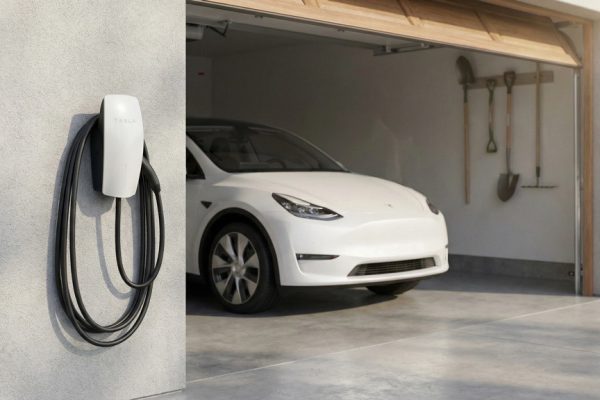
👉 Best used EV value if you can charge at home
Who This Article Is For
This article is for you if:
- You’re choosing between a used Tesla and a new EV
- You want real-world data, not marketing
- You plan to keep the car 3–6 years
This article is NOT for you if:
- You have no reliable charging access
- You expect traditional German luxury build quality
- You want zero ownership risk
Why People Search This Topic
Most buyers aren’t chasing the cheapest Tesla — they’re trying to avoid a costly mistake.
 Tips & Tricks
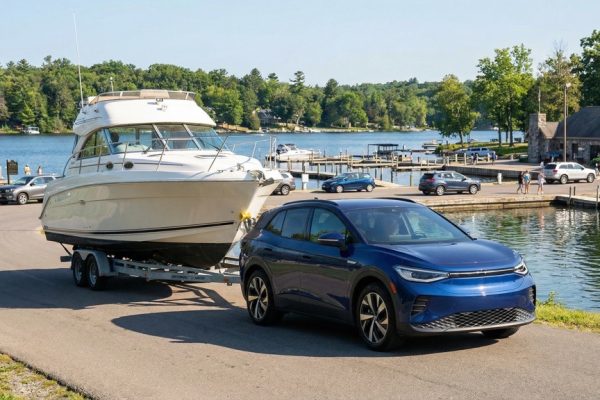
Electric Car Towing Range: Everything You Need to Know (2026 Guide)
TL;DR — Quick Answer Towing with an electric car typically reduces real-world rangee by 30–55%, primarily due to aerodynamic drag...
 Tips & Tricks
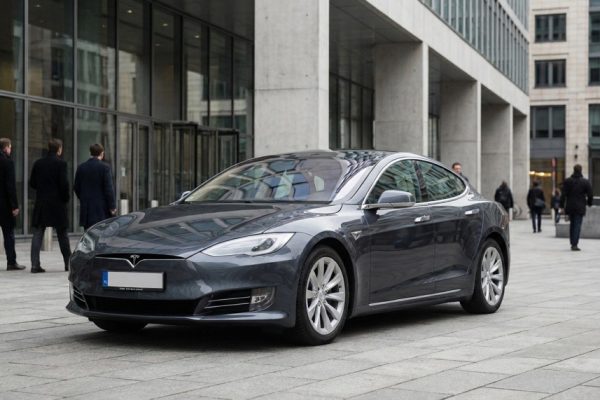
Tesla from the US: Advantages, Risks, and What Buyers Must Know in 2026
TL;DR A Tesla from the US offers early-access software, strong performance configurations, and often lower purchase prices. However, charging incompatibility,...
 Tips & Tricks
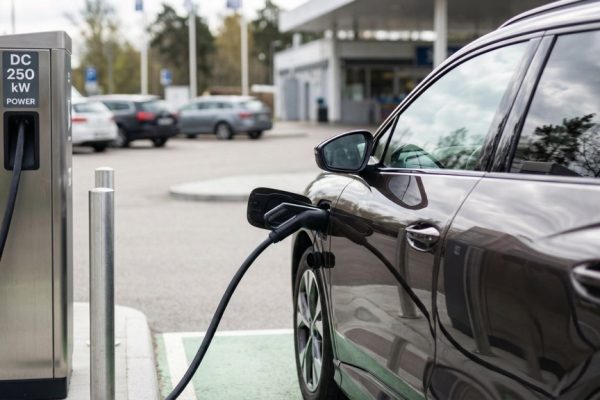
Fast Charging vs Slow Charging: Everything You Need to Know (2026 Guide)
TL;DR — The Real Answer Fast charging does not destroy your EV battery. But heavy, daily DC fast charging can...
Common concerns:
- Battery replacement costs
- Long-term reliability
- Real ownership expenses
In short: people want Tesla tech without Tesla regret.
The Real Concerns (Honest Breakdown)
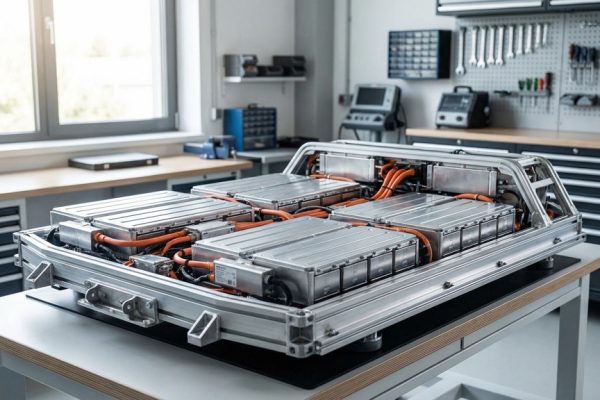
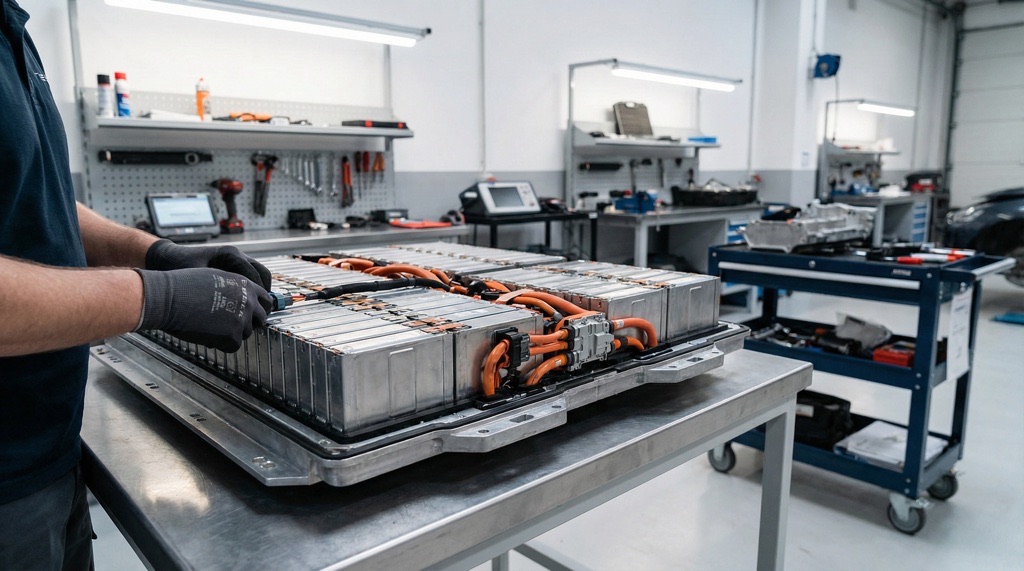
🔋 Battery Degradation
Fear: expensive replacement
Reality: degradation is predictable and slow after the first few years
🛠 Reliability
Fear: electronics constantly fail
Reality: powertrain is very reliable; suspension and trim cause most issues
💸 Hidden Costs
Fear: luxury-level maintenance
Reality: cheap to run, but repairs aren’t cheap if something breaks
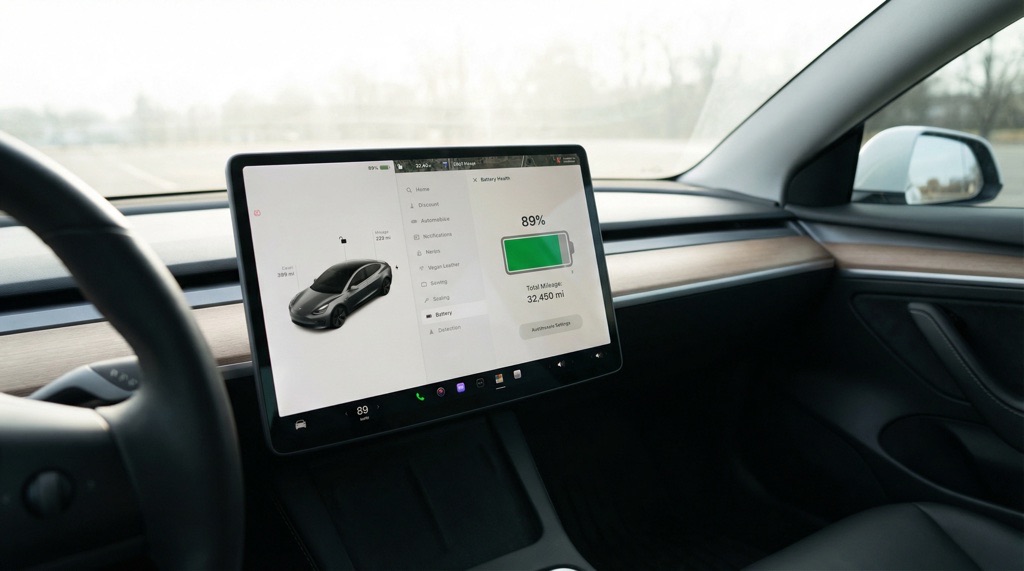
What Happens in Real Life (Battery Data)
| Mileage | Average Battery Health |
|---|---|
| 50,000 km | 95–97% |
| 100,000 km | 90–94% |
| 200,000 km | 85–90% |
| 300,000 km | 80–85% |
👉 Most degradation happens early, then stabilizes.
💬 Expert Opinion (Why This Matters)
Independent EV technicians and fleet operators report the same pattern:
“Tesla battery packs rarely fail outright. What we see most often are suspension wear, control arms, and occasional electronics — not drivetrain failures.”
Why experts still recommend used Teslas:
- Sealed battery packs age more slowly than expected
- Fewer moving parts = fewer mechanical failures
- Software updates extend usability over time
👉 From a technical standpoint, Tesla’s age more like smartphones than engines — performance stays high, but minor components wear first.
Typical Used Tesla Costs (USA, 2026)
| Expense | Annual Cost |
|---|---|
| Electricity | $400–700 |
| Insurance | $1,500–2,500 |
| Maintenance | $300–600 |
| Unexpected repairs | $1,000–2,000 over 5 years |
👉 Compared to gas luxury cars, most owners save $5,000–9,000 over 5 years.
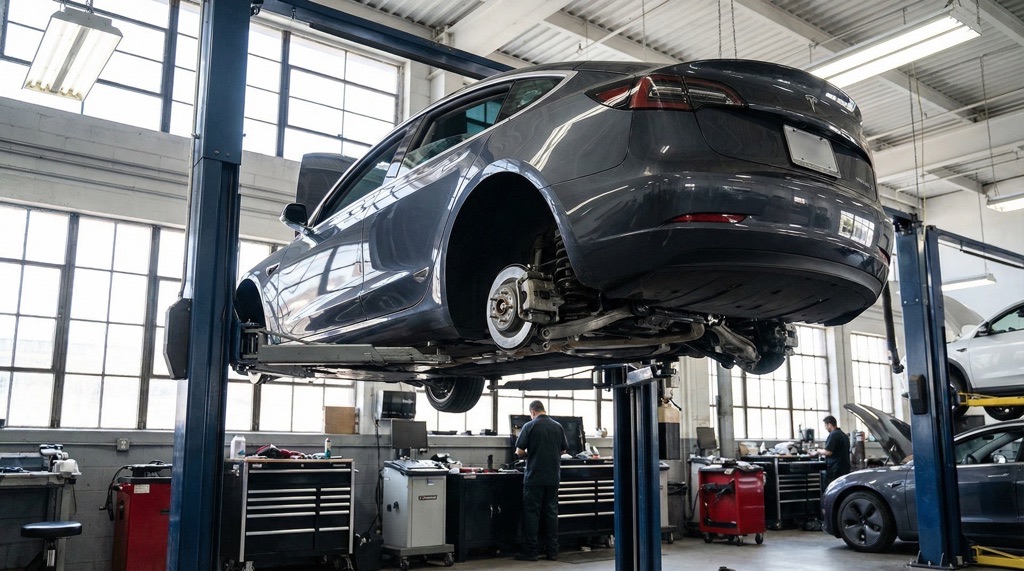
Reliability by System
🔌 Battery & Motors
- Very reliable
- Rare full battery failures
- Long lifespan (300,000–500,000 km)
⚙️ Suspension & Steering
- Most common wear items
- Heavier models wear parts faster
🖥 Electronics & Interior
- Screen failures are rare but costly
- Early models had trim and rattles
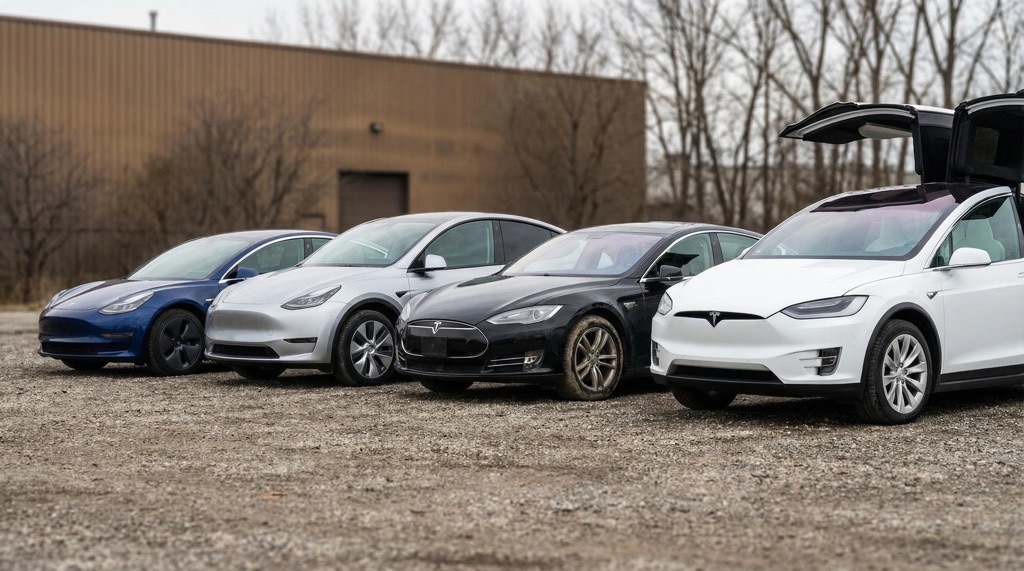
Best Used Tesla Models in 2026
- Tesla Model 3 — best balance of price, range, reliability
- Tesla Model Y — practical, efficient, strong resale
- Tesla Model S — great value, inspect suspension
- Tesla Model X — advanced tech, highest repair risk
Real-World Ownership Example
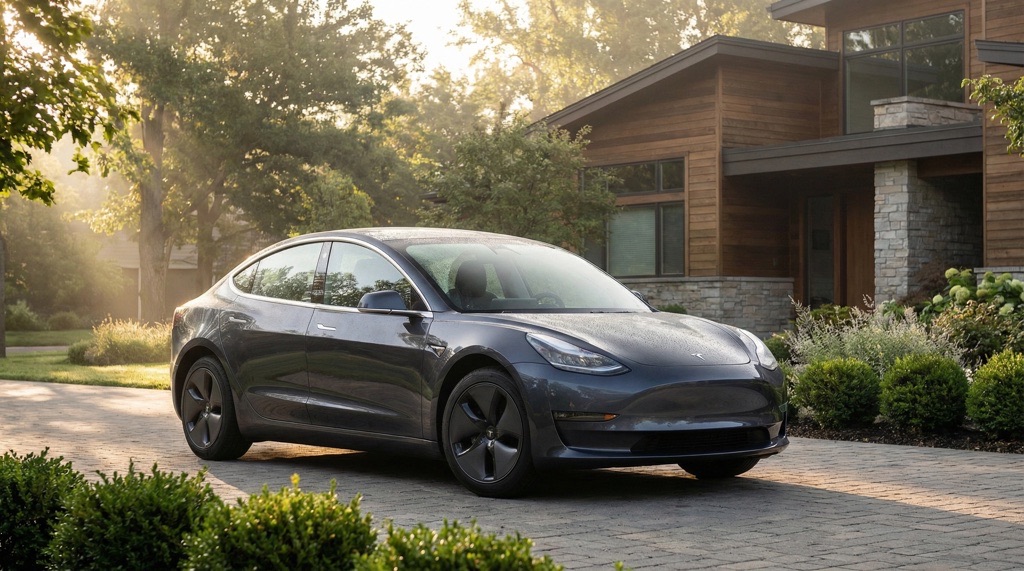
2019 Tesla Model 3 Long Range
- Mileage: 120,000 km
- Battery health: ~92%
- Charging: home + Supercharger
- Owner feedback: “Still feels nearly new for daily driving.”
When Buying a Used Tesla Is Smart
- You charge at home
- Daily driving under 300 km
- You want tech and performance per dollar
- You keep cars for several years
When It’s a Bad Idea
- No charging access
- No emergency repair buffer
- You expect a flawless luxury finish
How to Buy a Used Tesla the Right Way
- Verify battery health
- Inspect suspension components
- Confirm Supercharging access
- Check software & Autopilot status
- Keep a $1,500–$2,000 repair reserve
Final Verdict
Used Tesla EVs remain one of the smartest EV buys in 2026.
They offer strong batteries, low running costs, and excellent performance — as long as you buy informed.
👉 Want help choosing the best used Tesla for your budget or comparing it to other EVs? I can do that next.
FAQ
Q: How long do Tesla batteries last?
A: Typically 300,000–500,000 km with gradual degradation.
Q: Are Teslas reliable after warranty?
A: Yes, mechanically, but budget for suspension and electronics.
Q: Is frequent Supercharging bad?
A: Occasional fast charging is fine; constant use slightly accelerates wear.
Q: Are used Teslas cheaper than new EVs?
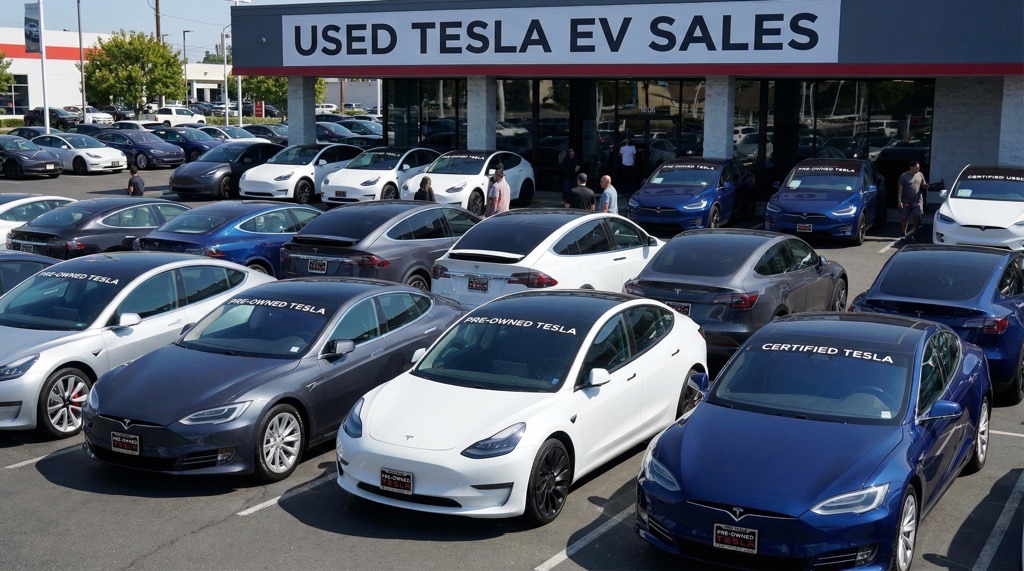
A: Often 30–45% cheaper with little real-world downside.