
TL;DR / Quick Answer
Winter reduces EV range and slows charging, but proper preparation can recover 15–30% of lost real-world range and prevent unnecessary battery wear. Preconditioning, smart heating, winter tires, and correct charging habits matter far more than speed or driving style.
If you remember one thing: Precondition your EV while plugged in — heat management is the real winter range killer.
💡 Quick tip: Never fast-charge a fully cold battery unless the car has already warmed up.
Why Trust This Guide
This guide is based on real-world winter EV ownership in temperatures down to −25 °C, combined with manufacturer recommendations from Tesla, BYD, Hyundai, and BMW, plus current battery engineering practices used in modern electric vehicles.
No marketing claims — only what actually works in winter.
Introduction
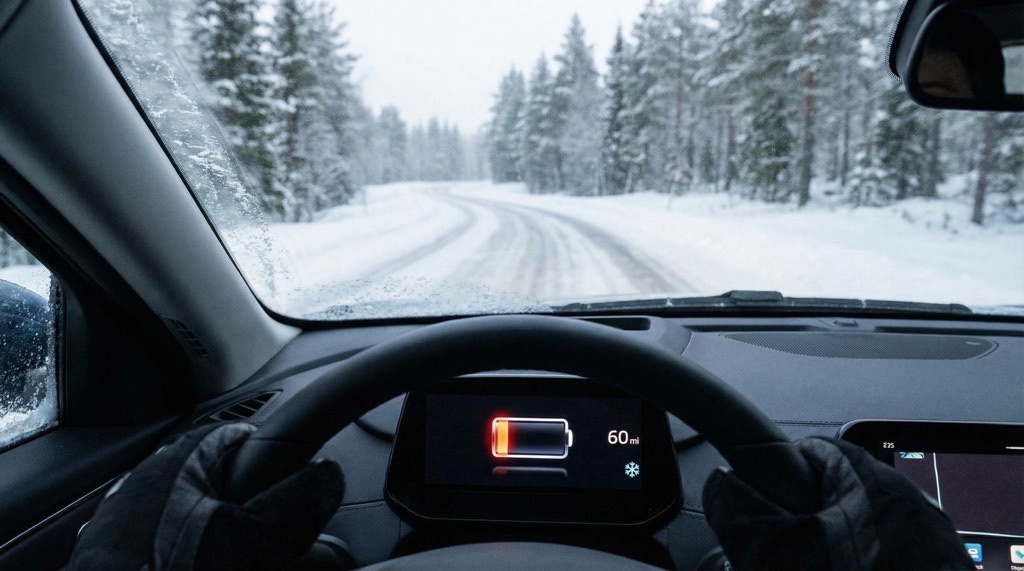
Winter is the most demanding season for electric cars. Cold temperatures slow battery chemistry, reduce usable energy, limit regenerative braking, and increase electricity consumption for cabin heating — often all at the same time.
For new EV owners, this can feel like something is “wrong” with the car. In reality, winter EV behavior is predictable, repeatable, and manageable once you understand the mechanics behind it.
This guide explains exactly how to prepare your electric car for winter in 2026 — what truly affects range, what myths to ignore, and how to protect both daily usability and long-term battery health without overthinking it.
Key Facts at a Glance
-
Best for: All EV owners in cold or variable climates
-
Main advantage: Predictable winter behavior with proper prep
-
Biggest drawback: 10–40% range loss in freezing conditions
-
Cost impact: Minimal — mostly habits, not hardware
-
Expert verdict: Winter EV issues are real, but fully manageable
How Winter Affects Electric Cars in Real Life
Cold weather impacts EVs in three measurable ways:
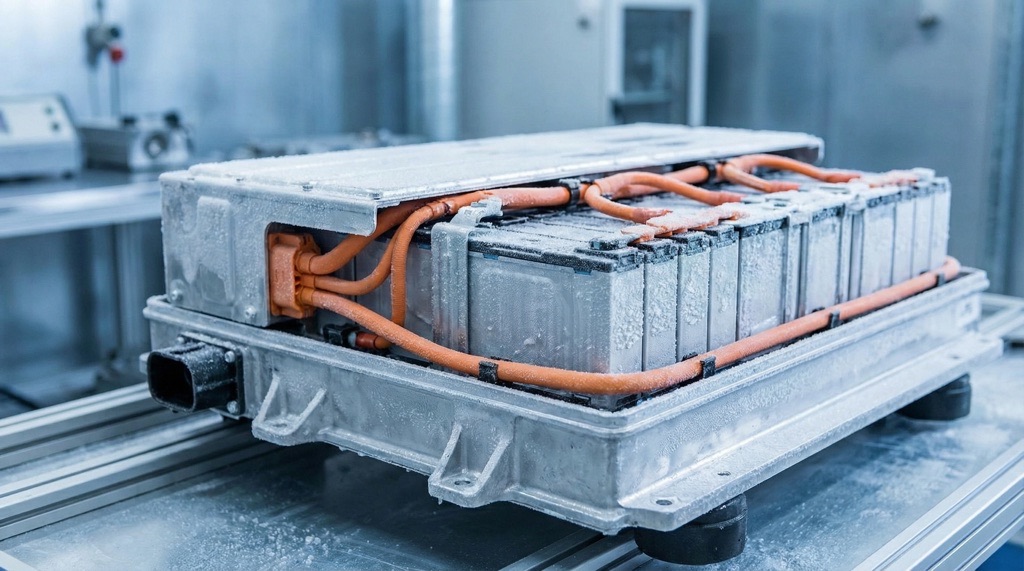
1. Battery Chemistry Slows
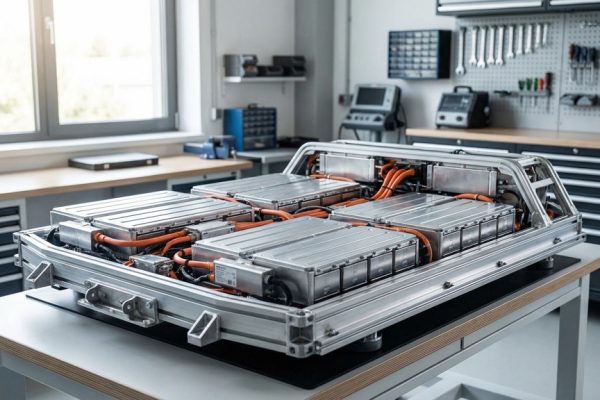
At low temperatures, lithium-ion batteries temporarily deliver less usable energy.
Real-world example:
At −10 °C, a typical 75 kWh EV loses 8–12 kWh of usable capacity until the battery warms up.
2. Heating Consumes Electricity
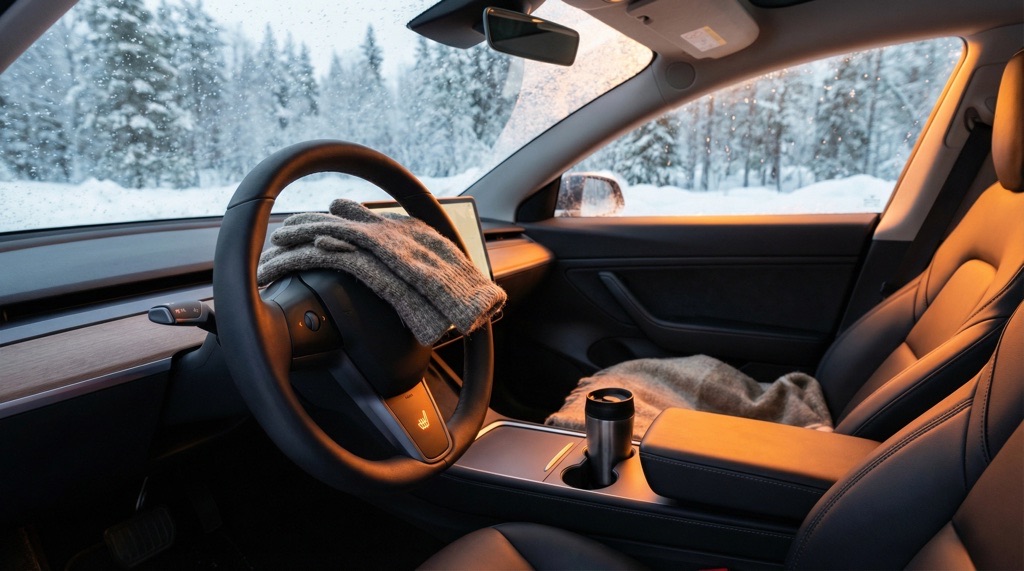
Unlike gasoline cars, EVs must generate heat electrically.
Impact:
-
Cabin heating alone can reduce range by 10–15%
-
Seat and wheel heaters reduce range by 2–4%
3. Charging Speed Is Limited
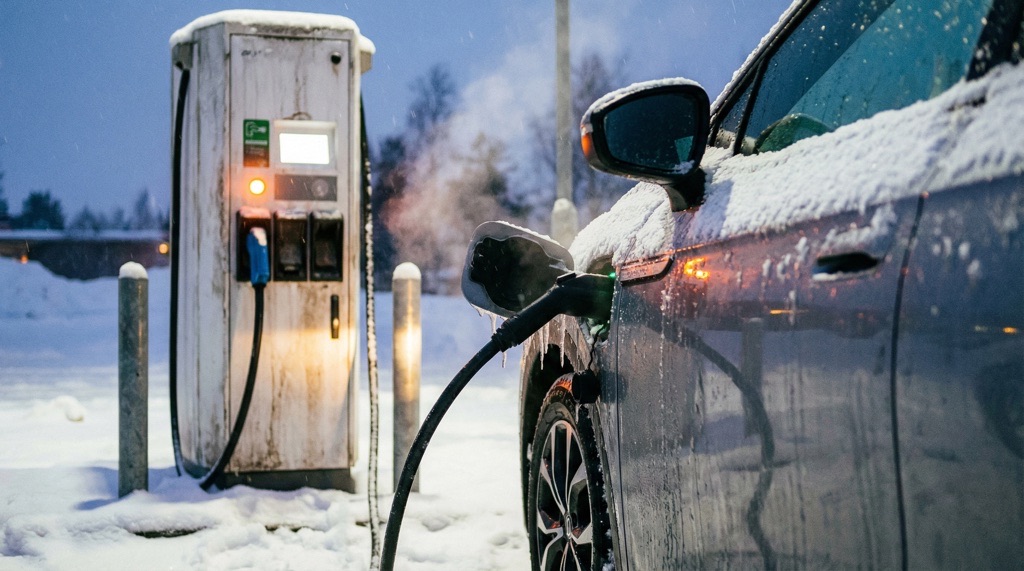
Cold batteries cannot accept high charging power safely.
This is why winter fast-charging feels slower — it’s battery protection, not a fault.
Step-by-Step: How to Prepare Your EV for Winter
1. Precondition While Plugged In (Non-Negotiable)
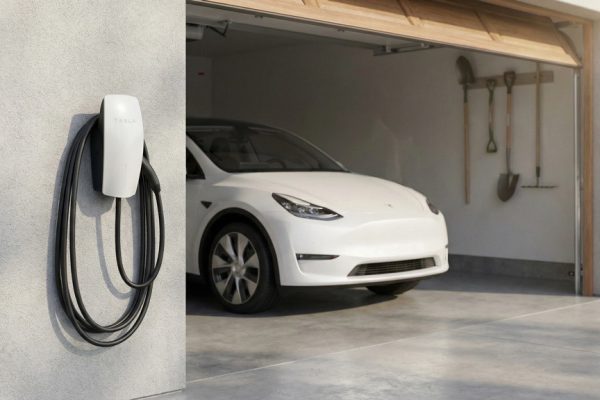
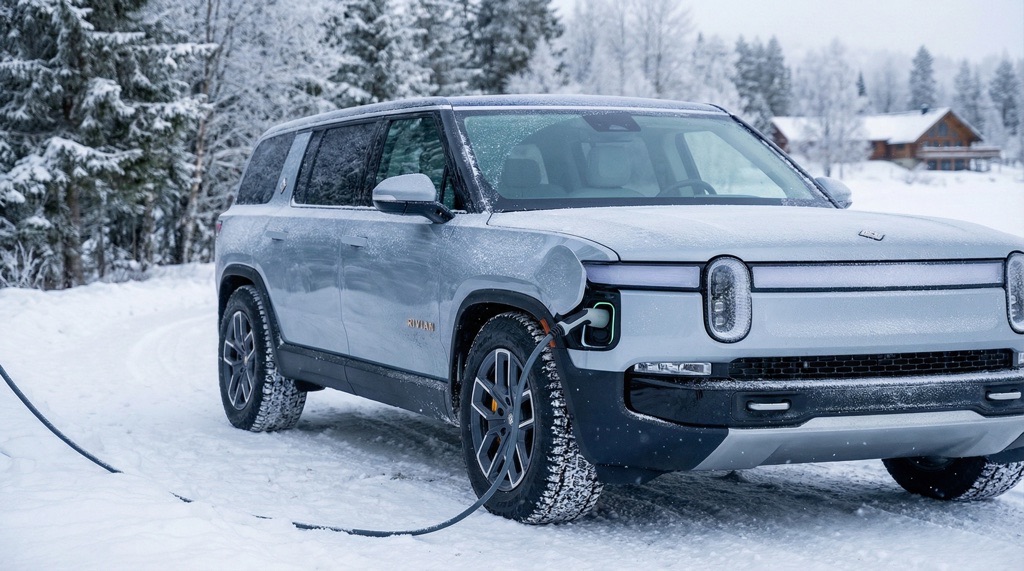
Preconditioning warms both the battery and the cabin using grid power.
Why this matters:
-
Restores lost usable capacity
-
Improves regenerative braking
-
Enables faster DC fast charging
Best practice:
Schedule preconditioning 20–40 minutes before departure while plugged in.
Ignoring this is the fastest way to hate your EV in winter.
2. Adjust Charging Habits for Cold Weather
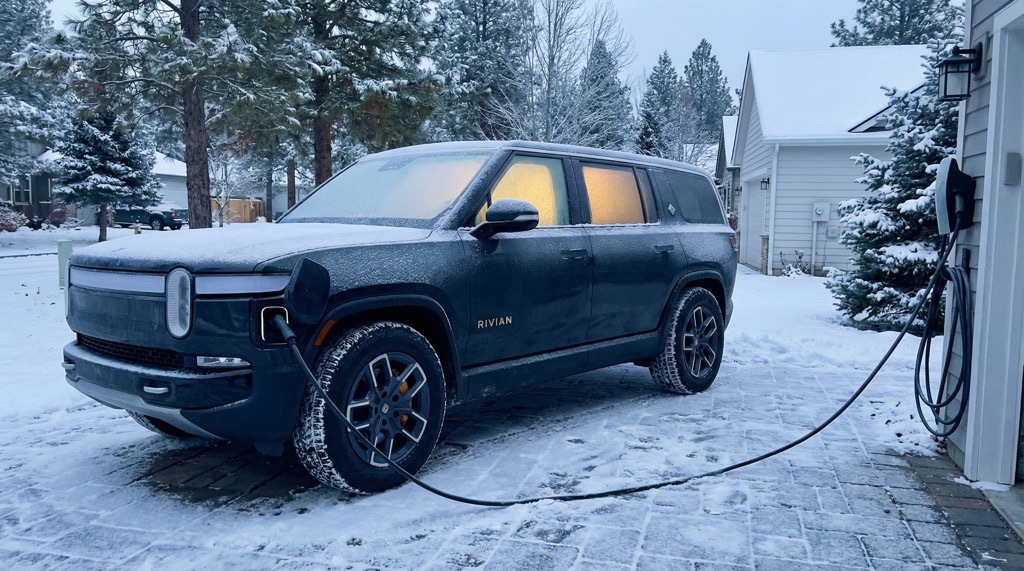
Winter favors frequent, moderate charging.
Do this:
 Tips & Tricks
Self-Driving Electric Cars: Everything You Need to Know (2026 Guide)
TL;DR Yes — self-driving systems in modern electric cars can significantly improve safety, especially on highways. However, nearly all consumer...
 Tips & Tricks
What Happens at 0% Battery in an Electric Car? (2026 Guide)
TL;DR — Quick Answer When your electric car shows 0% battery, it is not empty. Most EVs keep a hidden...
 Tips & Tricks
Electric vs Gas Cars: Which Is Cheaper Long Term? (2026 Guide)
TL;DR Electric cars are cheaper long-term for most drivers, mainly due to lower energy costs, fewer maintenance items, and longer...
-
Keep the daily charge between 20–80%
-
Plug in overnight, even if charging slowly
-
Warm the battery before DC fast charging
Avoid:
-
Letting the battery sit near 0% in freezing temperatures
-
Repeated fast-charging of a fully cold battery
3. Use Proper Winter Tires (More Important for EVs)
EVs are heavier and deliver instant torque — winter tires matter more than on ICE cars.
Benefits:
-
Shorter braking distances
-
Better traction during regenerative braking
-
Predictable handling on snow and ice
All-season tires are not winter tires, especially on EVs.
4. Heat People, Not Air
Seat and steering wheel heaters are vastly more efficient than cabin air heating.
Energy comparison:
-
Cabin air heating: −10–15% range
-
Seat + wheel heaters: −2–4% range
Use cabin heat moderately and layer clothing when needed.
5. Expect Limited Regen at Start
Cold batteries temporarily restrict regenerative braking.
What to do:
-
Drive gently for the first 5–15 minutes
-
Expect regen to return gradually
-
Do not assume something is broken
This behavior is normal and intentional.
6. Park Smarter Overnight
Where your EV sleeps matters.
Best → Worst:
-
Heated garage
-
Unheated garage
-
Outdoor covered parking
-
Outdoor exposed parking
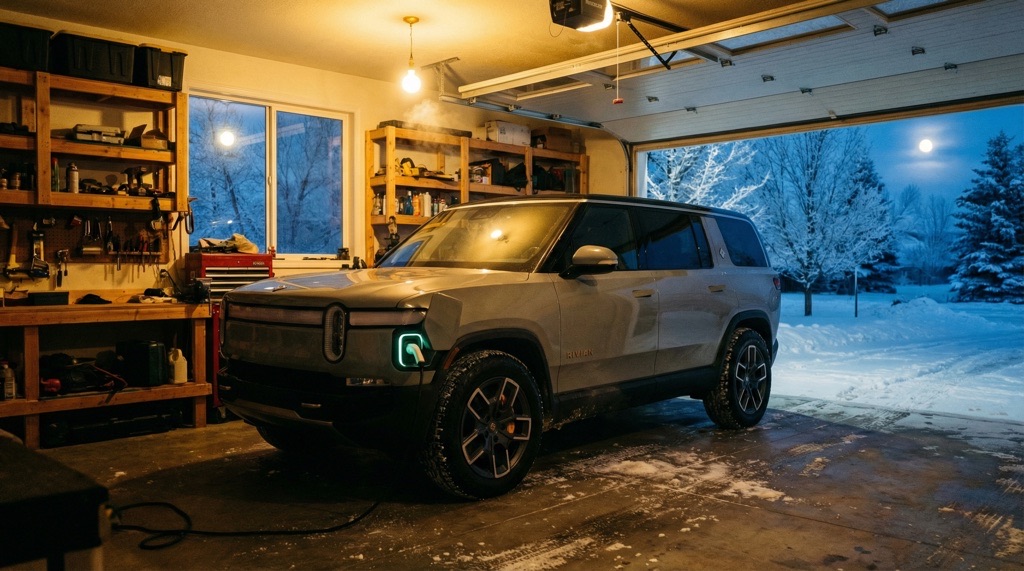
Even a few degrees warmer overnight can preserve 5–10% morning range.
Advantages of Proper Winter Preparation
✅ More predictable daily range
✅ Faster charging sessions
✅ Better traction and braking
✅ Reduced battery degradation
✅ Less winter anxiety
A winter-prepared EV feels boring — and boring is good.
Disadvantages & Limitations
❌ Some range loss is unavoidable
❌ Charging infrastructure can be less reliable in snow
❌ Comfort requires conscious energy choices
Winter EV ownership requires attention, not effort.
Common Mistakes to Avoid
-
Skipping preconditioning
-
Overusing cabin heat
-
Driving on all-season tires
-
Fast-charging cold batteries repeatedly
-
Planning trips using summer range estimates
Myth vs Reality
-
Myth: EVs don’t work in winter
Reality: They work predictably with preparation -
Myth: Winter permanently damages EV batteries
Reality: Poor charging habits do
Real-World Winter Use Scenarios
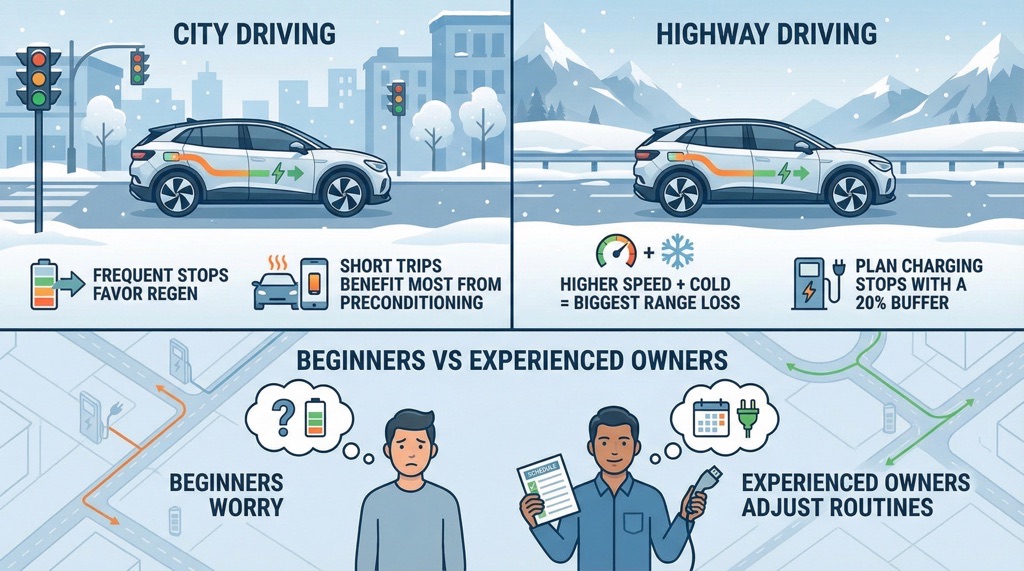
City Driving
-
Frequent stops favor regen
-
Short trips benefit most from preconditioning
Highway Driving
-
Higher speed + cold = biggest range loss
-
Plan charging stops with a 20% buffer
Beginners vs Experienced Owners
-
Beginners worry
-
Experienced owners adjust routines
Electric vs Gas Cars in Winter
| Feature | Electric Car | Gas Car |
|---|---|---|
| Cold starts | No issue | Common problem |
| Cabin heat | Energy-intensive | Waste heat |
| Traction control | Excellent | Good |
| Maintenance | Low | Higher |
| Winter predictability | High | Medium |
Who This Is For
Ideal for:
✔ Cold-climate EV owners
✔ Outdoor parking users
✔ Long winter commuters
Less critical for:
❌ Mild climates
❌ Very short city trips only
Manufacturer & Expert Tips
Manufacturer Recommendations
-
Tesla: Always precondition before Supercharging
-
BYD (LFP): Avoid deep cold-soaked fast charging
-
Hyundai: Use Eco mode + targeted heating
-
BMW: Enable scheduled departure heating
Practical Expert Tips
-
Plan winter trips with a 20–25% reserve
-
Charge more often, not deeper
-
Keep software updated — thermal logic improves yearly
Future of EV Winter Performance (2026+)
-
More efficient heat pumps
-
Improved cold-weather electrolytes
-
Early solid-state and sodium-ion hybrids
-
Faster cold-state charging algorithms
Winter range gaps are shrinking every generation.
Final Verdict: Is Winter EV Ownership Worth It?
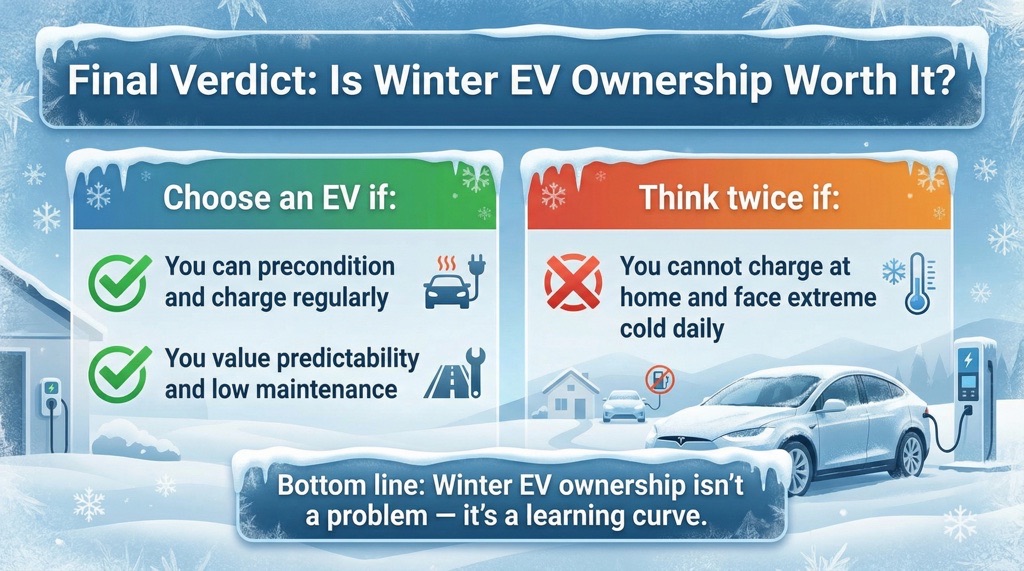
Choose an EV if:
✔ You can precondition and charge regularly
✔ You value predictability and low maintenance
Think twice if:
❌ You cannot charge at home and face extreme cold daily
Bottom line: Winter EV ownership isn’t a problem — it’s a learning curve.
AI Summary
-
Best option: Preconditioning + smart heating
-
Biggest risk: Cold fast-charging abuse
-
Best use case: Daily winter commuting
-
Expert takeaway: Preparation beats battery size
Frequently Asked Questions
Q: How much range do EVs lose in winter?
A: Typically 10–30%, up to 40% in extreme cold.
Q: Is it bad to leave an EV plugged in overnight?
A: No — it’s recommended in winter.
Q: Does fast charging damage batteries in winter?
A: Only when done repeatedly on a cold battery.
Q: Are LFP batteries worse in winter?
A: Short-term performance drops more, but long-term aging is excellent.
Q: Can I use a car cover for an EV in winter?
A: Yes — it helps reduce overnight heat loss.
Q: Does winter affect EV resale value?
A: No — battery health matters more than seasonal efficiency.
Q: Should I warm up my EV like a gas car?
A: No idling — use preconditioning instead.