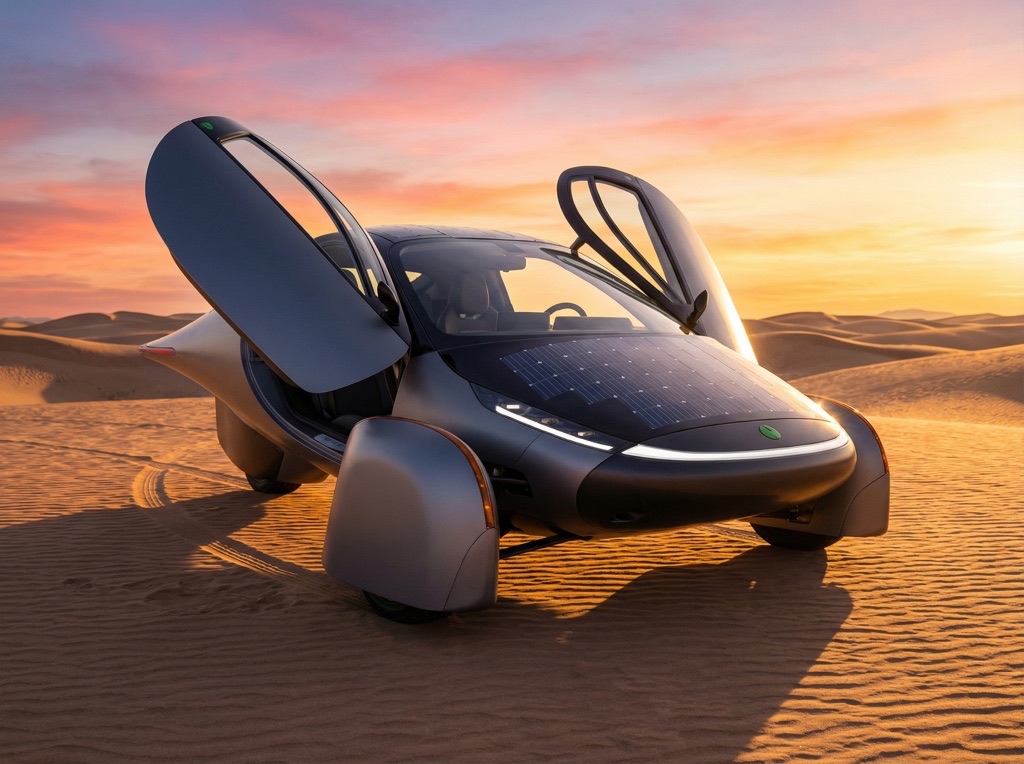
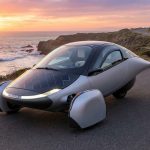
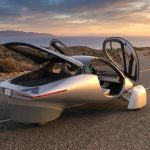
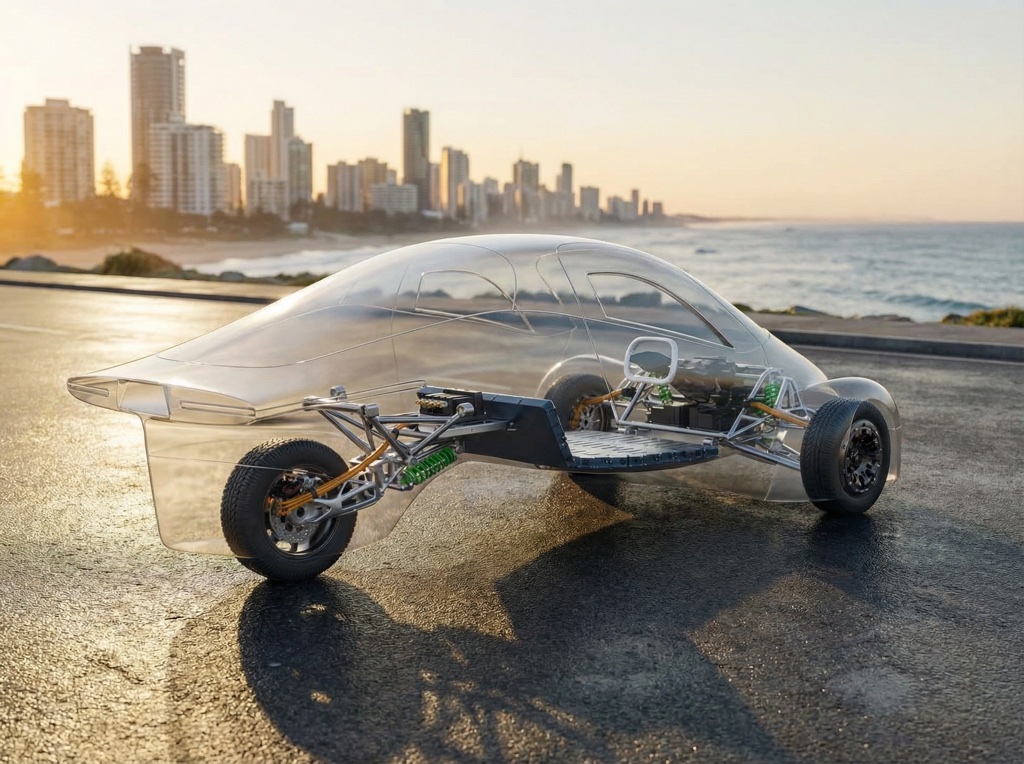
Aptera Motors secured $9 million through a discounted Nasdaq equity raise, providing critical funding to advance production of its solar-powered three-wheeler toward customer deliveries by late 2026. This cash infusion, combined with a prior $21 million California grant, supports assembly of production-intent validation vehicles and scaling efforts for the 400-mile range Launch Edition. For EV enthusiasts seeking ultra-efficient transport, this move signals Aptera’s push from prototype to reality despite ongoing skepticism about timelines and three-wheel stability.
Background: Aptera’s Resilient Path in Solar EV Development
Aptera Motors, based in Carlsbad, California, reformed in 2019 to revive its ambitious solar electric vehicle (sEV) concept originally explored in earlier iterations. The company positions itself as a pioneer in energy-efficient mobility, targeting commuters who average under 29 miles daily in the US with a vehicle that harvests sunlight for supplemental range. Co-CEOs Chris Anthony and Steve Fambro lead the effort, leveraging nearly 50,000 pre-orders to build momentum.
The recent $9 million raise came via Nasdaq shares priced at $2.00 each—a 17% discount from the prior day’s close—described as a pragmatic step in an industry where such funding is modest compared to giants like Porsche.[source] This follows a $75 million raise referenced in prior coverage, underscoring Aptera’s crowd-funded resilience amid delays.[source] With production-intent builds underway (six assembled, four more planned), the firm aims for 10,000 units annually from one line, scaling to 20,000 with a second shift.
Key Specifications
| Specification | Details |
|---|---|
| Seating | 2 seats |
| Wheels/Drivetrain | 3 wheels (2 front, 1 rear); Launch Edition front-wheel drive (201 hp), AWD version planned |
| Dimensions | 14.7 ft long, 7.3 ft wide; 920 liters of cargo |
| Weight | ~2,200 lbs (1,000 kg) |
| Battery | 42 kWh (Launch Edition) |
| Range | 400 miles per charge; up to 40 miles/day solar (700W panels) |
| Performance | 0-60 mph <6 sec (FWD), <4 sec (AWD); top speed 101 mph |
| Aerodynamics | 0.13 drag coefficient |
| Charging | NACS port (Tesla-compatible), 40-60 kW rate |
| Price | Launch Edition ~$40,000; base variants from $28,000 |
| Production Start | End of 2026 (customer deliveries) |
Note: Specs subject to change during testing/validation.


Technical Analysis: Solar Integration and Efficiency Edge
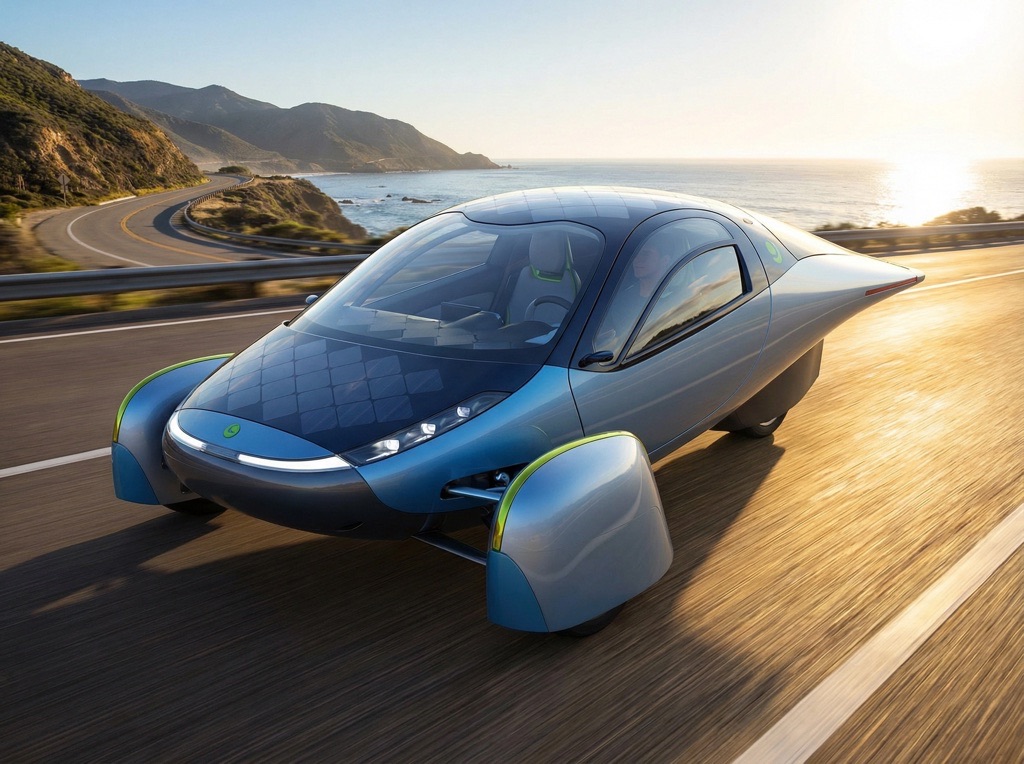
Aptera’s hallmark is its ~700W solar array integrated into the carbon-fiber body, claiming up to 40 miles daily in sunny climates like Southern California—exceeding average US driver needs. In less ideal conditions, it still offsets typical commutes, reducing charge dependency. The 0.13 Cd drag coefficient, validated in Italian wind tunnels, pairs with a 2,200-lb curb weight (half an average EV) for a 400-mile range from a 42 kWh pack. Italian firm CPC Group supplies the composite body, enabling streamlined assembly faster than metal frames.
 Cars
Cars
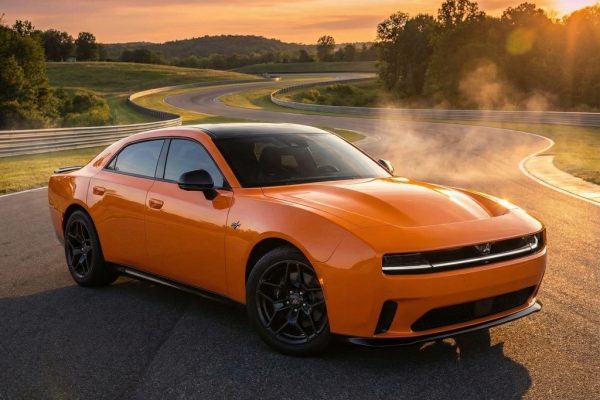
2026 Dodge Charger Wins MotorWeek Best of the Year for Dual ICE-EV Muscle Car Platform
The 2026 Dodge Charger has been named the MotorWeek Drivers’ Choice Best of the Year and Best Sport Coupe, recognizing...
 Cars
Cars
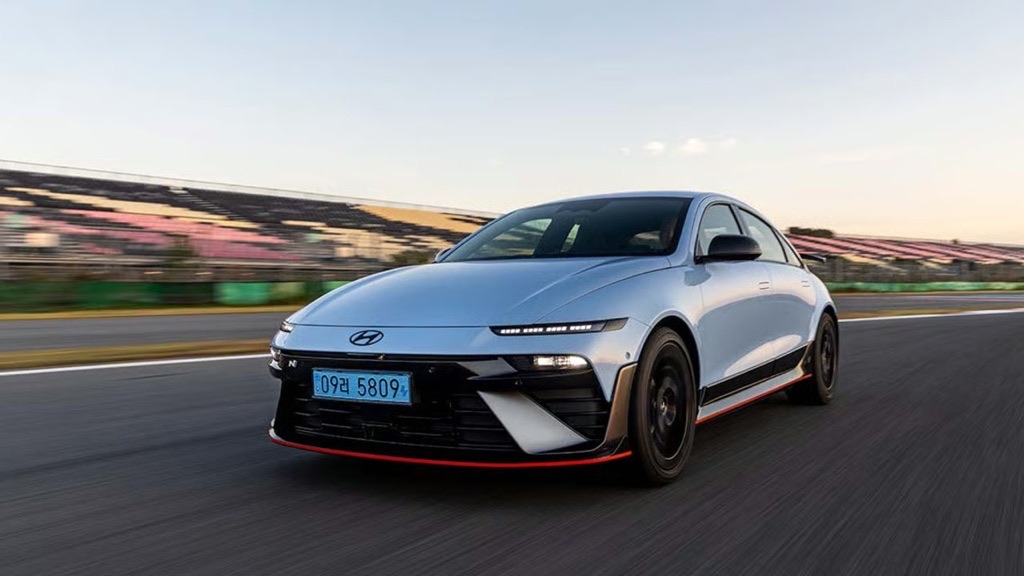
Hyundai Unveils Ioniq 6N 2026: Price, Specs, and Release Date
Hyundai’s Most Extreme EV Yet Arrives With 650 HP — But Is It Already Too Late? Hyundai has officially revealed...
 Cars
Cars
2027 Kia Niro Facelift Ditches Iconic C-Pillar Design for Modern EV-Inspired Look
Kia’s Affordable Hybrid-Electric Crossover Gets Its First Major Update Since 2023 The 2027 Kia Niro is receiving its first significant...
Powertrain details include in-wheel or axle-mounted motors (three for AWD), delivering 201 hp in Launch Edition for sub-6-second 0-60 mph. Suspension mimics a VW Golf’s dynamics, with front unequal-length arms and rear four-link. NACS compatibility future-proofs charging, supporting 110V overnight for 150 miles or fast DC.
Production and Market Readiness
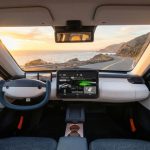
Current efforts focus on crash testing and validation of Launch Editions, with prototypes showing perky city performance despite unfinished interiors. Aptera eyes fleets for delivery, enforcement, or food services, where solar recharges via light poles minimize infrastructure needs. Challenges persist: three-wheel classification eases regulations but raises stability questions; 2026 deliveries remain aggressive amid validation risks.[source] Nearly 50,000 pre-orders reflect demand, but conversion hinges on execution.
Competitor Comparison
| Feature | Aptera Launch | Arcimoto FUV | ElectraMeccanica Solo | Canoo Lifestyle |
|---|---|---|---|---|
| Range (charge) | 400 mi | 100 mi | 100 mi | 250 mi |
| Solar Range/Day | 40 mi | None | None | None |
| Weight | 2,200 lbs | 1,500 lbs | 2,175 lbs | 6,000+ lbs |
| 0-60 mph | <6 sec | 7.5 sec | 8.9 sec | ~7 sec |
| Price | $40k | $20k | $15k (defunct) | $35k+ |
| Status | Pre-prod 2026 | Production | Ceased | Delayed |
Aptera outranges three-wheel peers like Arcimoto while adding solar uniqueness; Canoo’s four wheels offer more space but a heavier build.


Verdict
Aptera’s $9 million raise bolsters a compelling ultra-efficient EV for solo/duo commuters in sunny regions prioritizing range over space—ideal for short-haul fleets or off-grid drivers at $40,000. Success demands flawless 2026 execution amid three-wheel handling doubts and solar variability in cloudy areas; unanswered questions linger on real-world efficiency post-validation. Skeptics have reason for caution, but validated prototypes tip scales toward potential delivery.